
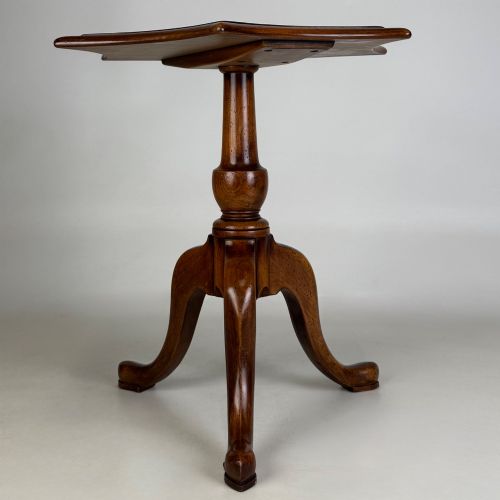
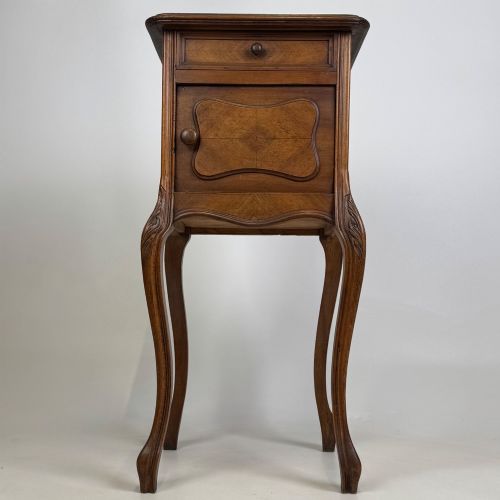
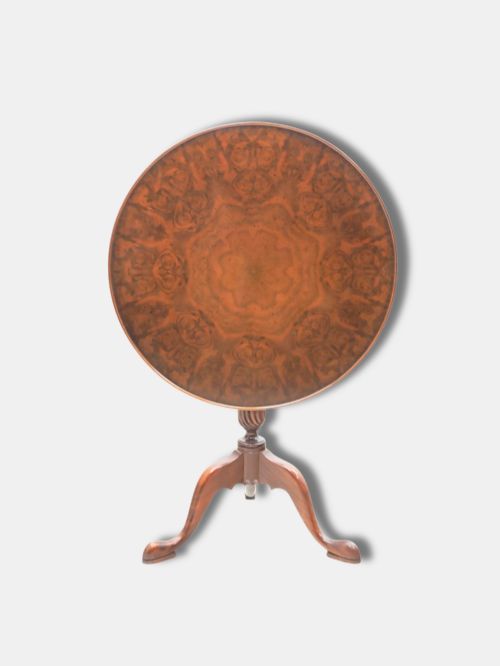
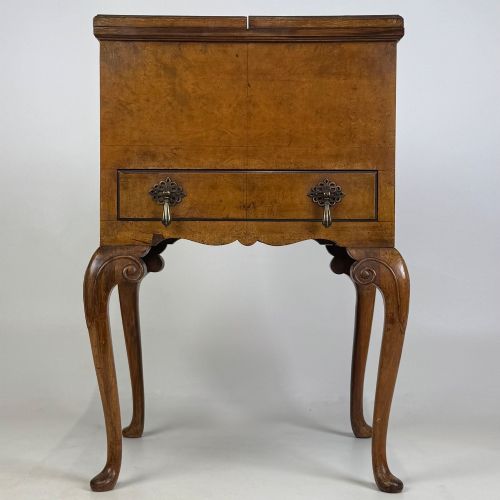
Walnut Side Table Cabriole Legs
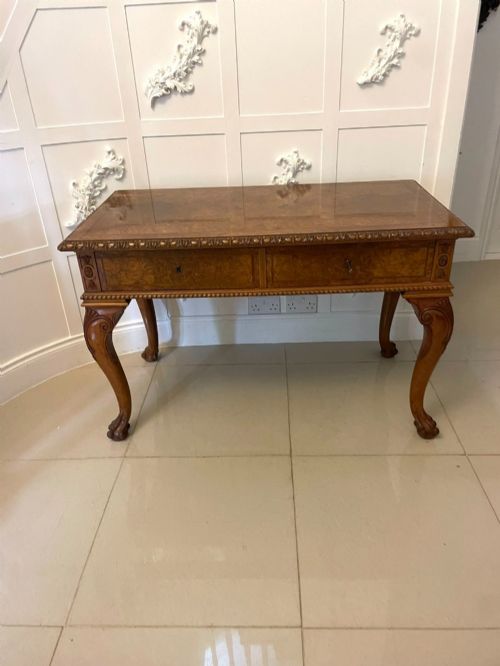
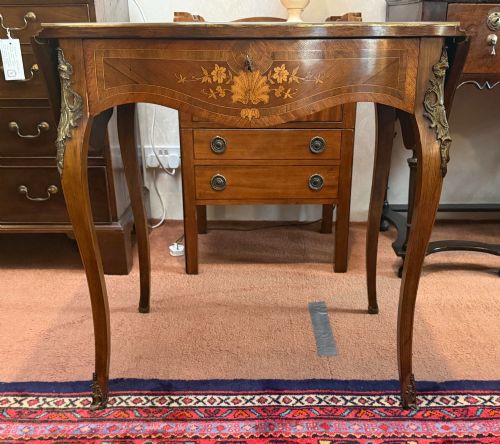
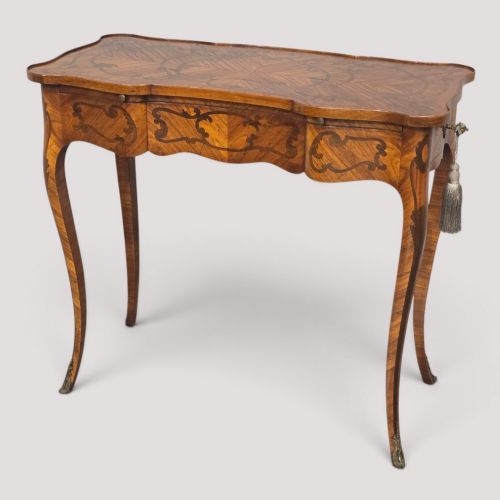
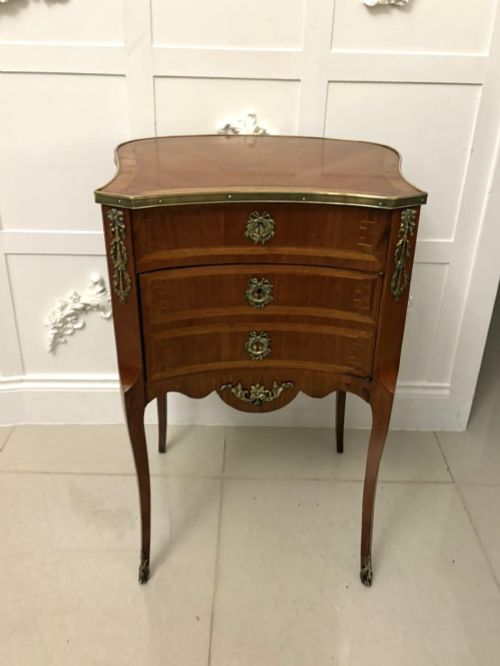
These walnut side table cabriole legs bring centuries of cabinet-making skill into a room, offering functional surfaces defined by curving supports and rich timber figure.
Walnut Side Table Cabriole Legs
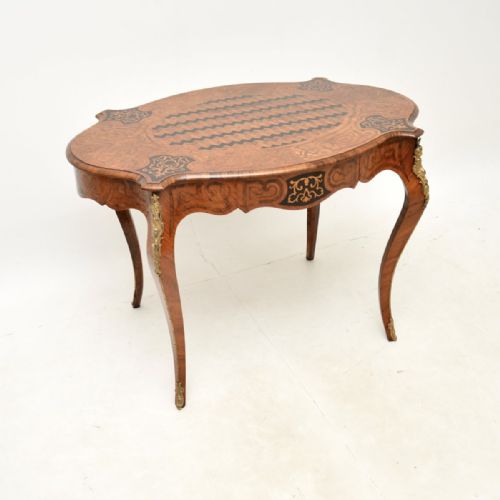
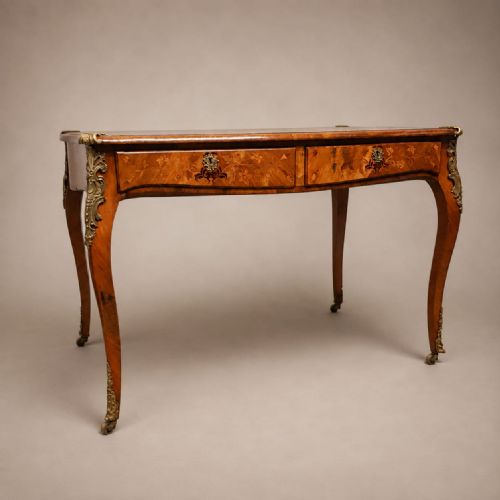
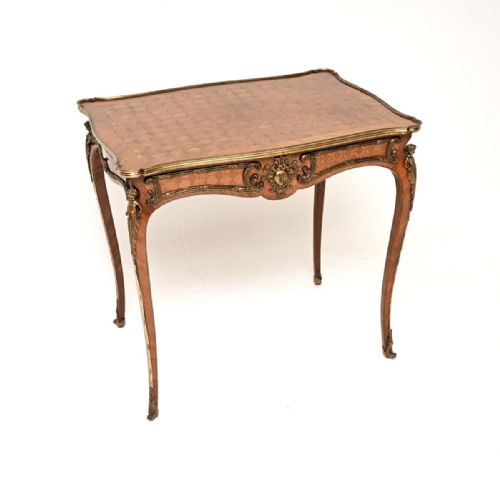
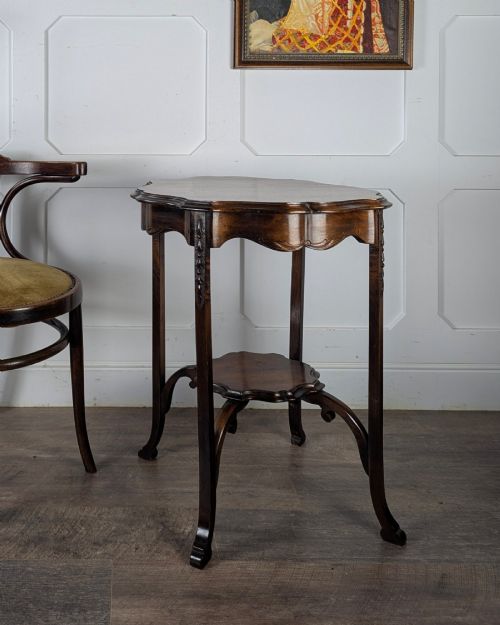
When someone searches for a walnut side table cabriole legs, they find compact occasional pieces, lowboys, and console tables designed for domestic use. The selection spans periods from the eighteenth century to the early twentieth century, incorporating revival aesthetics such as Queen Anne and Louis XV styles.
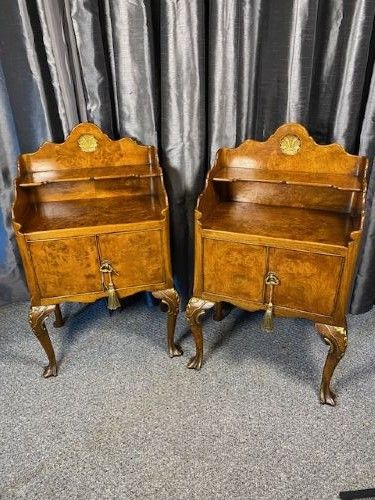
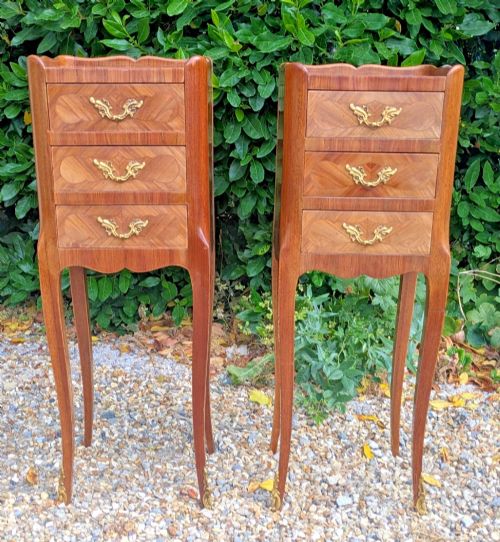
Most examples date from the Edwardian era and the nineteen-twenties, often utilising burr walnut veneers and displaying traditional proportions. Alongside standard side tables, the listings include bedside cabinets, writing desks, and marquetry-decorated pieces originating from English and continental workshops.
Materials and Construction
Cabinet-makers built these tables using solid walnut and decorative veneers like burr walnut and kingswood, frequently applying marquetry and parquetry patterns to the timber surfaces. Secondary timbers such as fruitwood support the internal framework, whilst brass handles and ormolu mounts provide functional and decorative accents.
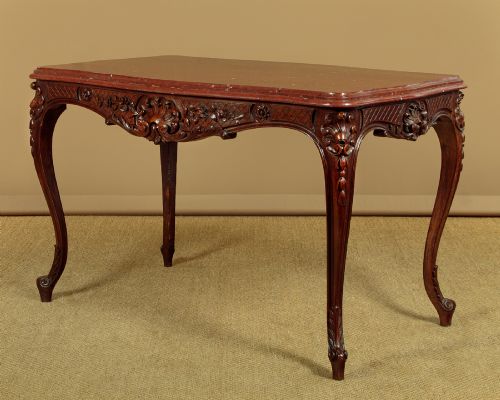
The characteristic cabriole legs were shaped from timber to form outward-curving knees and tapering ankles, sometimes terminating in pad or claw feet. Marble tops also appear on select continental cabinets and console tables, secured above carved or veneered wooden structures.
Some tables hide their writing supplies in shallow drawers, quietly proving that desks have practiced minimalism for centuries.
Distinctions in Quality
Quality rests upon the choice of timber figure, where richly patterned burr walnut veneer or finely figured solid walnut creates a more striking visual depth than plain grain. The precision of the marquetry inlay and the crispness of any carved detailing on the knees and edges of the cabriole legs further separate standard examples from finer ones.
Structural integrity and proportion determine the standing of each piece, evident in how cleanly the joints meet and how harmoniously the curved legs support the top. Original brass hardware, balanced proportions, and careful matching of veneer panels indicate a higher standard of workshop execution.
The Walnut Side Table Cabriole Legs Glossary
- Cabriole leg
- A furniture leg that curves outward at the knee and tapers inward toward the foot, imitating the natural shape of an animal's leg. This form became central to Queen Anne and Louis XV furniture designs.
- Lowboy
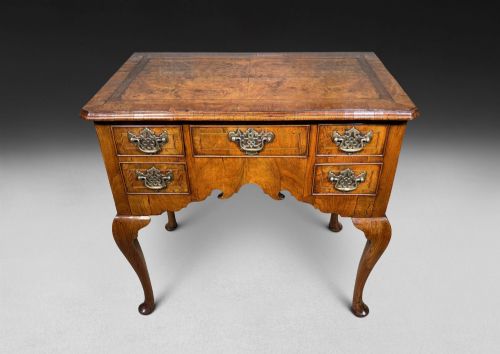
- A small table with one or more rows of drawers supported on four tall legs, typically serving as a dressing table or side table. Eighteenth-century examples often exhibit fine cabriole legs and walnut veneers.
- Marquetry
- Decorative patterns formed by fitting contrasting pieces of veneer into a prepared wooden surface to create pictorial or geometric designs. It appears extensively on continental desks and tables.
- Ormolu
- Gilded bronze mounts applied to furniture for decorative effect, commonly seen on nineteenth-century French pieces alongside marble tops and inlaid veneers.
Walnut Side Table Cabriole Legs: Frequently Asked Questions
What is a lowboy?
A lowboy is a small, table-like piece of furniture featuring a low set of drawers and four relatively tall legs. They were traditionally used as dressing tables or compact side tables in domestic interiors.
In walnut variants, they often display fine figuring and cabriole legs that echo seventeenth and eighteenth-century design principles. They fit easily into modern hallways or living rooms as display surfaces.
How do I identify a cabriole leg?
A cabriole leg is characterised by a double curve, swelling outward at the knee and curving inward as it descends toward the foot. This distinctive shape requires skilled woodworking to ensure structural strength.
On these tables, the knees are occasionally carved with shell or leaf motifs while the feet may take a pad or hoof form. The design provides stability without needing stretchers between the legs.
Are these tables English or French?
The selection includes both English and continental origins, reflecting different regional interpretations of walnut furniture design. English pieces often follow Georgian or Queen Anne traditions with restrained lines.
French pieces frequently incorporate Louis XV styles, featuring marquetry inlay, parquetry, ormolu mounts, and occasionally marble tops. Both traditions utilise walnut timber extensively across different decades.
How do I care for burr walnut veneer?
Burr walnut veneer requires protection from direct sunlight and excessive moisture to prevent the thin decorative wood from fading or lifting. Regular dusting with a soft, dry cloth maintains the surface sheen.
Applying a suitable furniture wax periodically helps nourish the timber and preserve the complex grain patterns. Avoiding placement near heat sources keeps the underlying structure stable.