

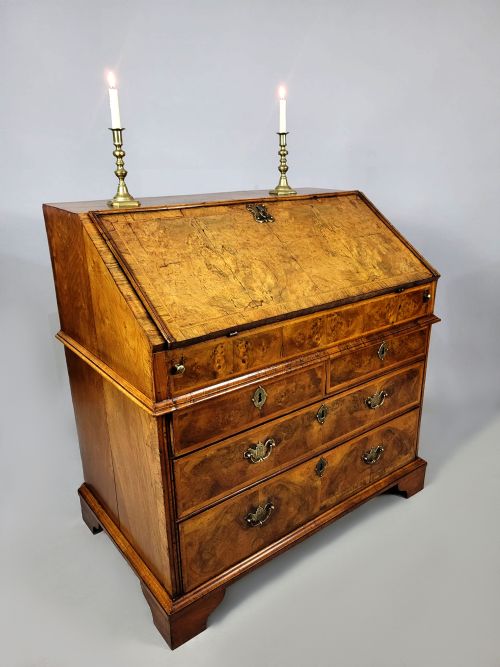

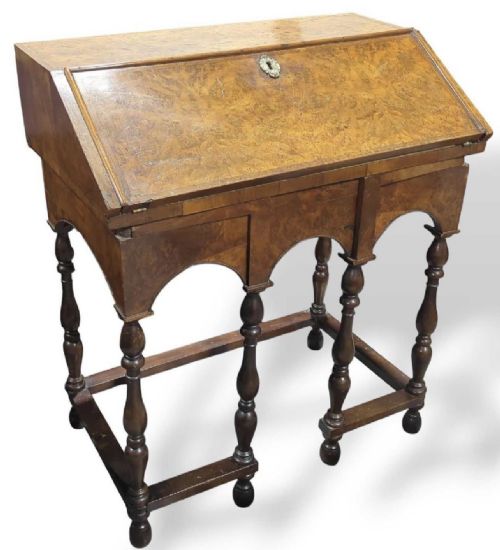
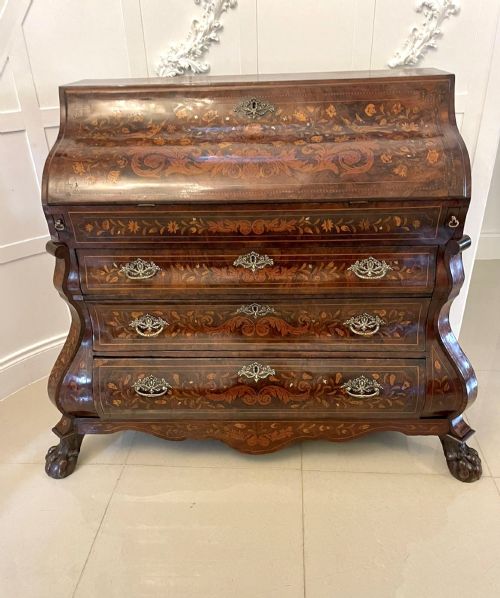
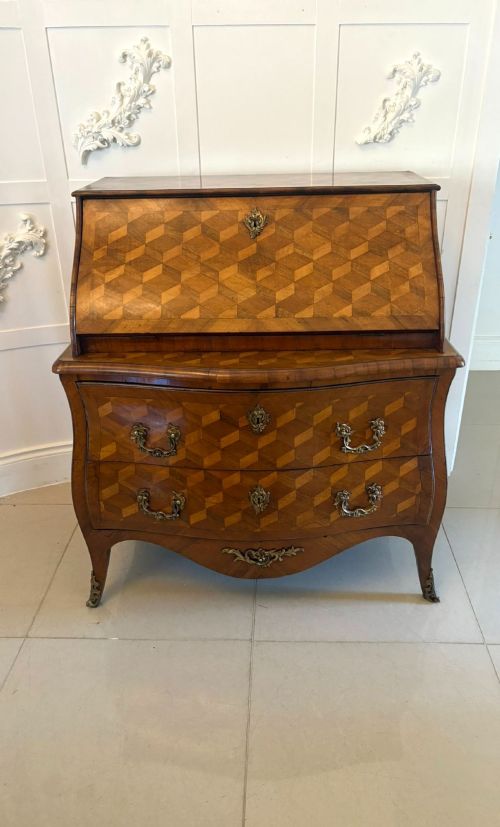
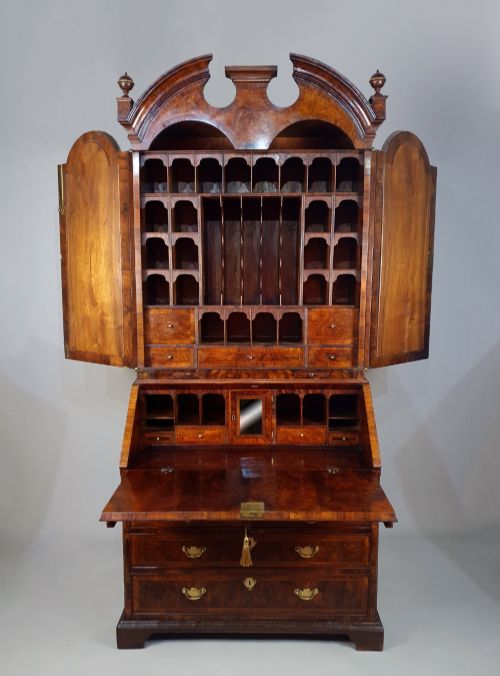
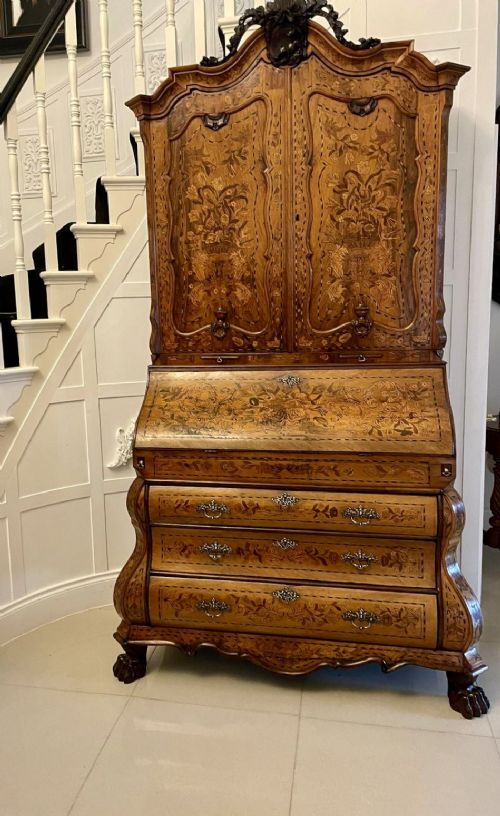
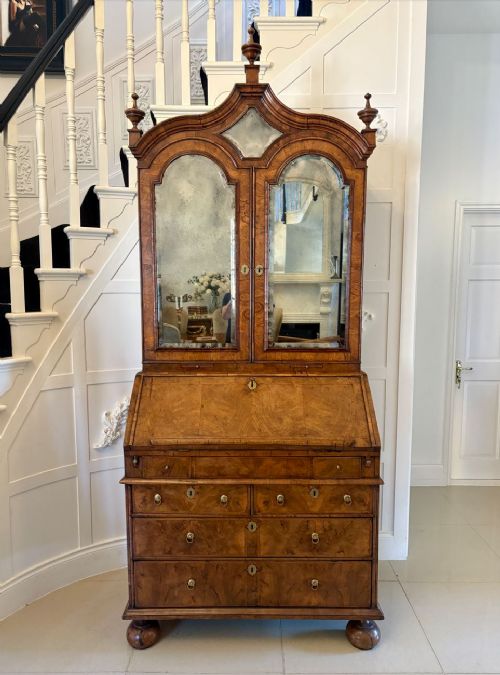
Walnut Fall Front Bureau
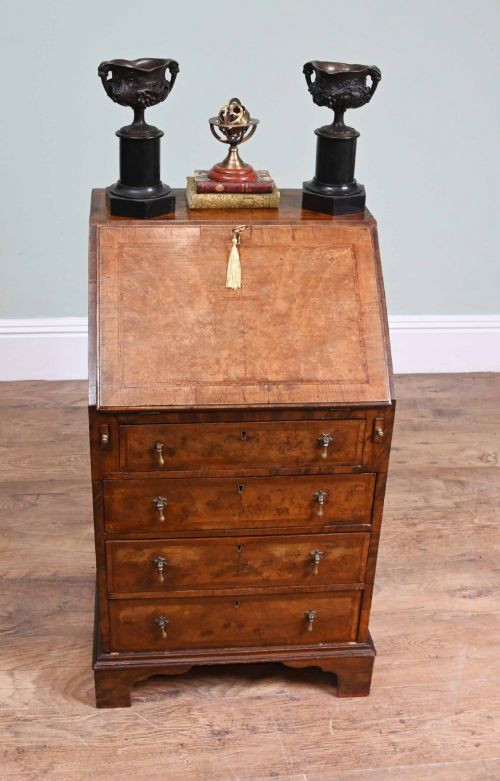
A walnut fall front bureau provides a sloping hinged writing flap that opens to reveal a fitted interior of drawers and pigeonholes.
Walnut Fall Front Bureau
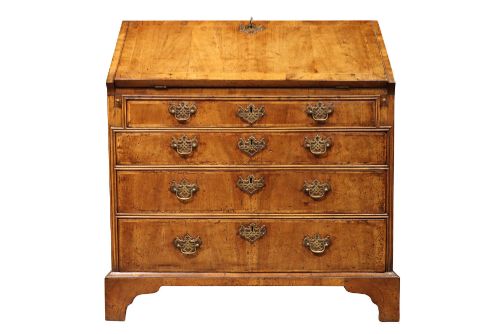
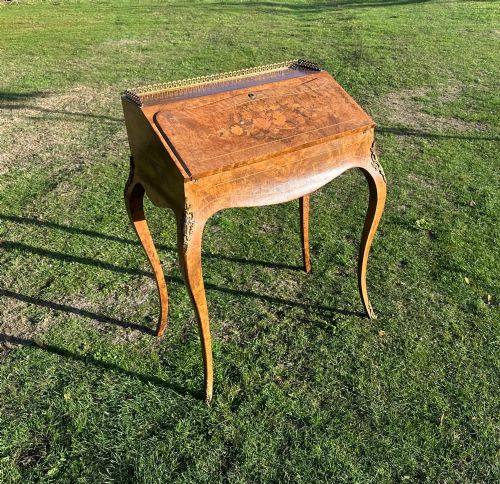
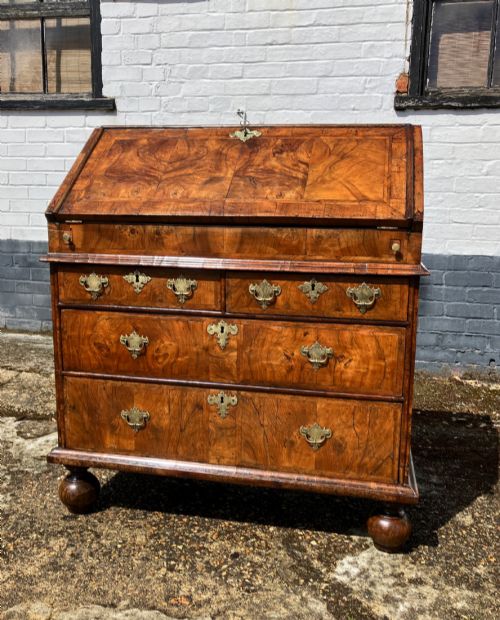
A walnut fall front bureau combines a compact writing surface with concealed storage drawers beneath a hinged sloping lid. These pieces appear across several periods, including the 17th century, 18th century, Georgian eras, and later revivals from the Edwardian period, 1920, 1930, and the 19th century.
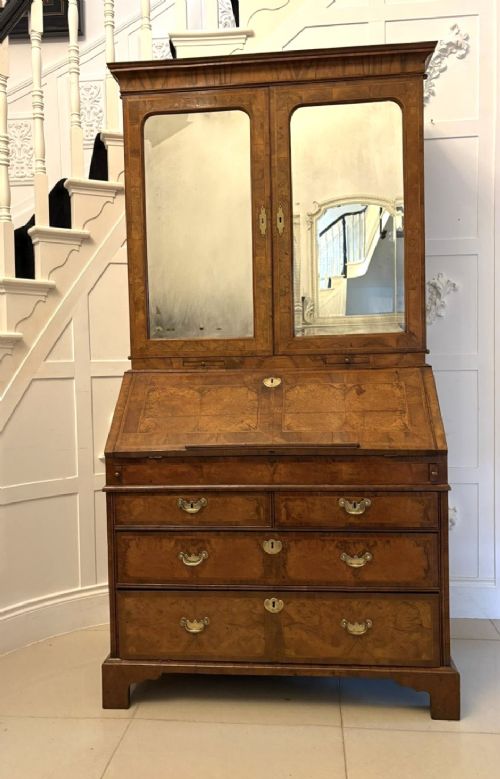
Makers utilised various forms ranging from simple slant-front desks to elaborate bureau bookcases with glazed upper sections, as well as distinctive bombe shapes and bureau on stand configurations. Examples frequently incorporate marquetry, parquetry, and featherbanding to ornament the primary timber.
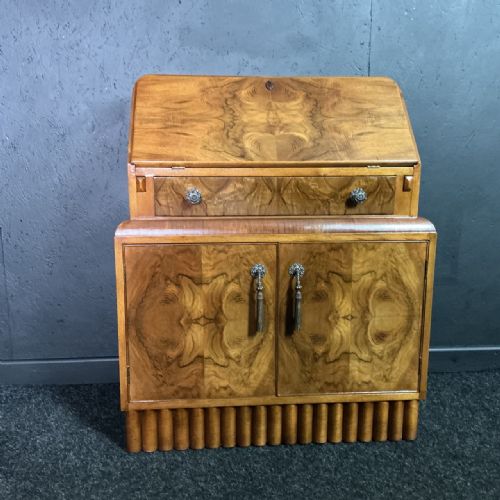
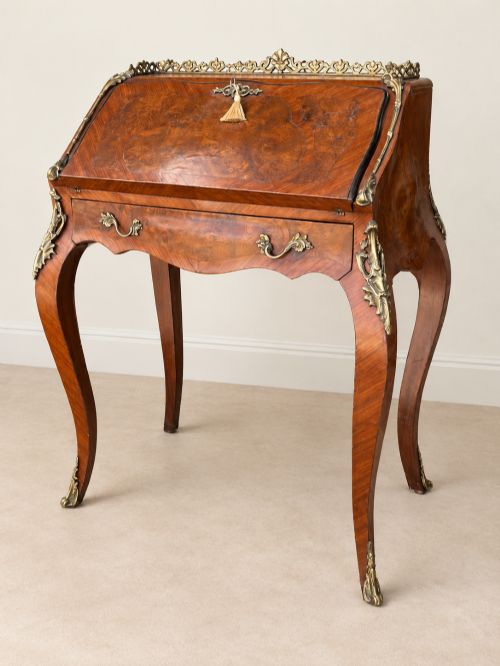
Buyers seeking a walnut fall front bureau will encounter domestic English designs alongside continental pieces, particularly Dutch baroque and rococo works featuring floral marquetry. Later twentieth-century interpretations include art deco pieces with streamlined figured walnut veneers.
How They Were Made
Craftsmen built these cabinets using solid structural timbers such as oak or fruitwood, applying figured walnut, burr walnut, or plain walnut veneers to the exterior surfaces. Decorative techniques such as herringbone inlay, floral marquetry, and geometric parquetry enhanced the visual depth of the wood grain.
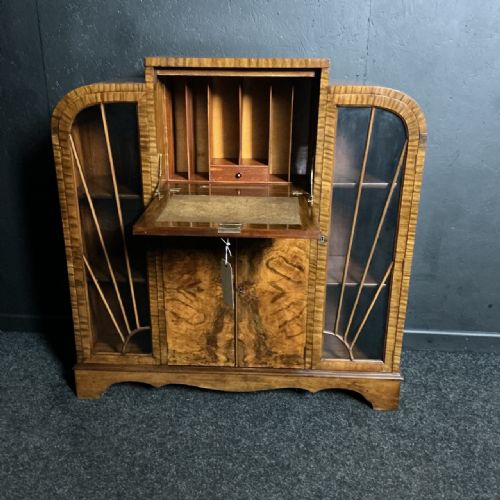
Interior compartments relied on delicate drawer construction and small pigeonholes designed to house correspondence and writing materials securely. Hardware typically included cast brass handles, escutcheons, and candle slides positioned beneath the writing surface.
Specialised variations incorporated secondary materials such as red leather writing surfaces, mirror glass panels in upper bookcase doors, and marble tops paired with gilt bronze mounts on continental pieces.
Walnut Fall Front Bureau Retail Price Guide 2026
Typical asking prices for walnut fall front bureau among the pieces listed under this phrase on Sellingantiques today, from the lower quarter to the upper quarter. They describe what is for sale here now, not the wider market.
Listings feature walnut fall front bureaus spanning the 17th century, 18th century, Georgian period, Victorian era, and 1930 art deco movement.
What Varies In Quality
The selection of veneer dictates much of the visual merit, with dense burr walnut and symmetrical figured grain commanding greater attention than plain timber. The intricacy of matching veneers across the fall front and drawer fronts demonstrates the joiner's skill.
Construction standards appear in the execution of the fitted interior, where concealed compartments, secret drawers, and pigeonholes reveal the precision of the cabinetmaker. Original brass hardware, intact cockbeading, and well-preserved marquetry panels also distinguish superior examples.
Proportion and form define the architecture of the piece, from the sweep of bombe sides to the integration of tall bookcase upper sections. Well-balanced proportions and harmonious matching of grain patterns elevate certain examples above standard production.
F.H. Marshall & Co Glasgow
The Walnut Fall Front Bureau Glossary
- Fall front
- A hinged writing flap that pulls down to create a horizontal desk surface. This panel conceals the internal drawers and pigeonholes when closed.
- Burr walnut
- A specialised timber cut from the abnormal growth knots of walnut trees, yielding highly figured, swirling grain patterns. Cabinetmakers prized this wood for decorative veneering.
- Marquetry
- Inlaid patterns composed of various woods or other materials assembled to form pictorial or floral designs on furniture surfaces. Dutch makers frequently applied floral marquetry to bureau bodies.
- Escritoire
- A writing cabinet or desk, often fitted with a drop-front writing flap and internal compartments. The term appears frequently in descriptions of early walnut writing furniture.
- Featherbanding
- A decorative banding technique using veneers cut diagonally and laid in a herringbone pattern around the edges of drawer fronts. This detail frames the primary walnut grain.
- Bombe
- A swelling, outward-curved contour found on the front and sides of certain continental furniture forms. This bulbous profile requires advanced woodworking skill to execute in veneer.
Walnut Fall Front Bureau: Frequently Asked Questions
What is a walnut fall front bureau?
A walnut fall front bureau is a cabinet featuring a slanted writing flap that opens forward to provide a desk surface while concealing internal compartments.
These pieces combine functional workspace with drawer storage beneath the writing area, often extending upwards into bookcase superstructures.
How do I date an old bureau?
Dating relies on examining construction methods, hardware types, timber selection, and overall stylistic characteristics. Early 18th century pieces exhibit specific bracket feet, herringbone banding, and candle slides.
Later Edwardian, 1920, and art deco versions display distinct veneer finishes, simpler internal layouts, and modern manufacturing traits.
What is the difference between a bureau and a bureau bookcase?
A standard bureau consists of a lower desk section with a fall front and drawers. A bureau bookcase adds a tall upper cabinet, usually enclosed by wooden or glazed doors.
The upper section provides integrated shelving for books and display above the working desk surface.
Where should I place a bureau in my home?
A bureau suits living rooms, studies, or bedrooms where its compact footprint and enclosed storage function effectively. The drop-front design allows the desk area to close when not in use, concealing papers.
Placement should avoid direct sunlight to protect the walnut veneers and delicate marquetry work from fading.