

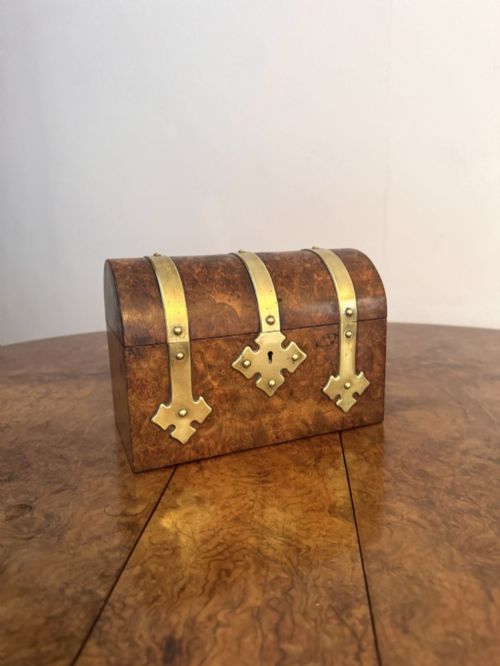
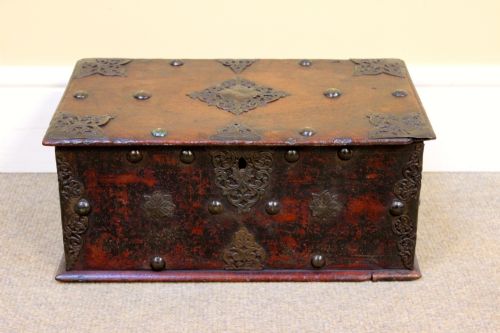
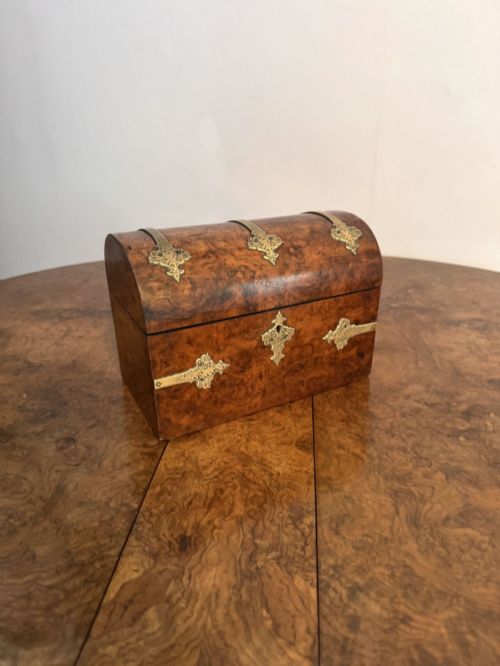
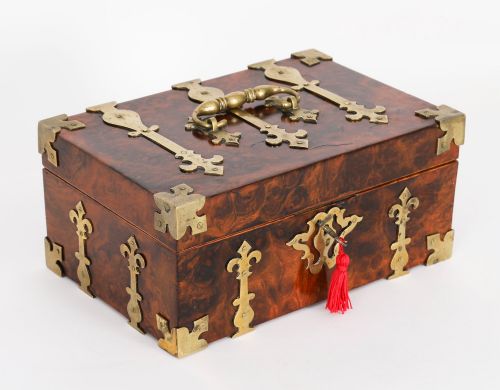
Walnut Brass Box
These walnut brass box pieces combine warm timber and bright metal mounts to serve as practical containers for writing materials, jewellery and correspondence.
Walnut Brass Box
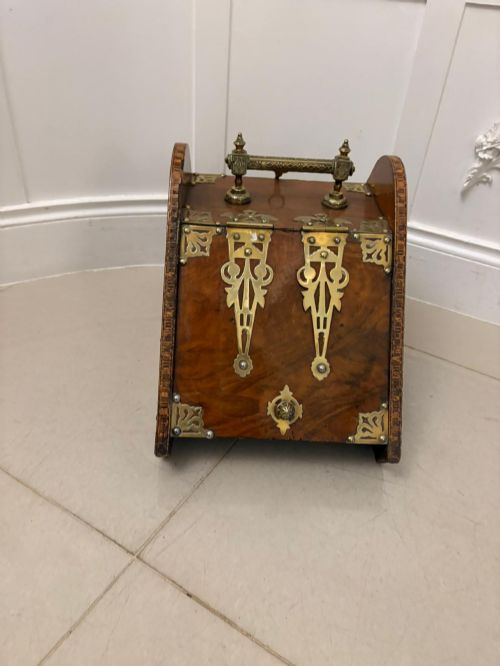
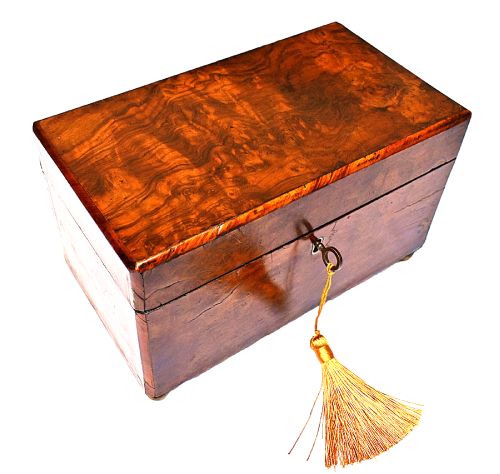
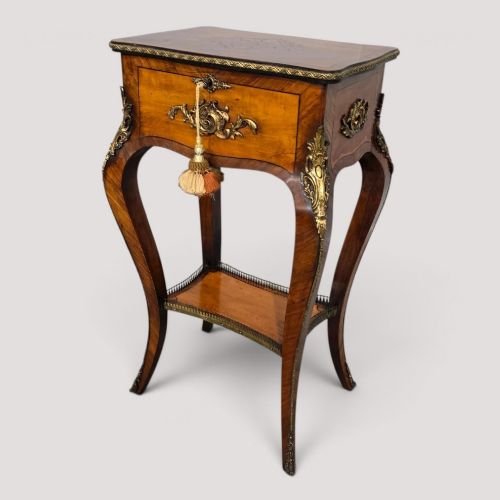
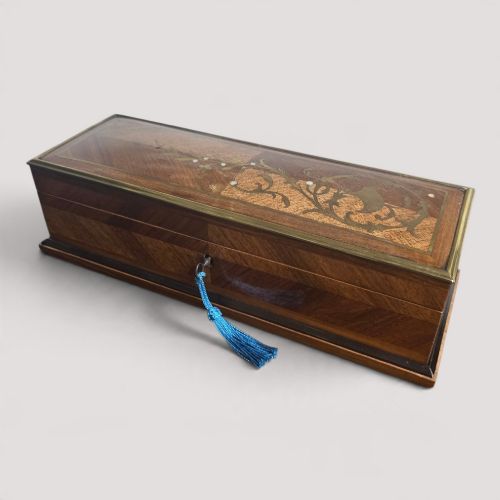
When you search for a walnut brass box, you encounter items designed to contain valuables, papers and social essentials across the Georgian, Regency and Victorian eras. These containers take shapes such as writing slopes, stationery cabinets, tea caddies, jewellery cases and glove boxes.
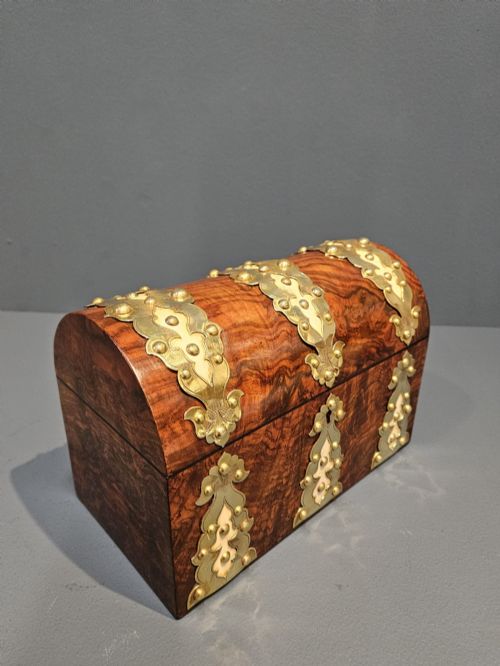
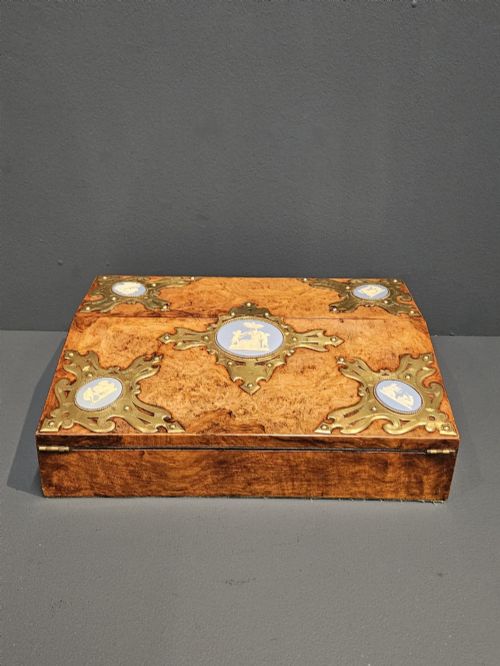
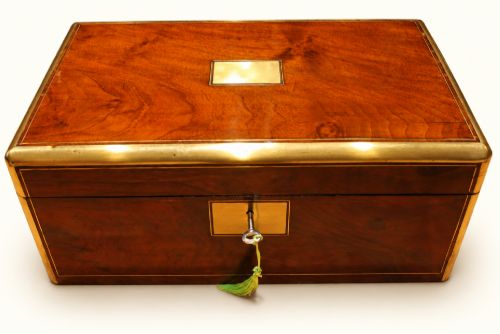
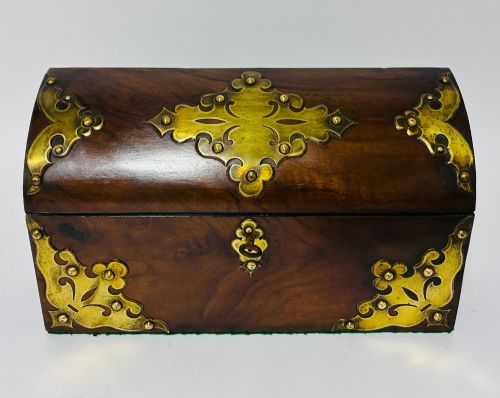
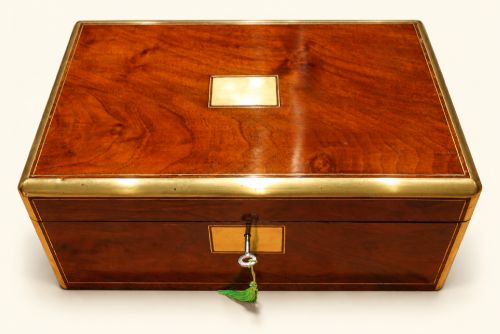
The version you meet most frequently on this page is the Victorian brass-bound writing slope or stationery box in burr or figured walnut. Such pieces demonstrate how domestic storage evolved to keep personal documents and correspondence organised upon a desk.
Materials and Construction
Cabinet makers utilised solid walnut or applied decorative veneers of burr and figured walnut over secondary timbers to create rich, varied grain patterns on the exterior surfaces. Brass featured prominently as structural binding, corner brackets, escutcheons and inlaid strapwork that reinforced the corners and added contrast.
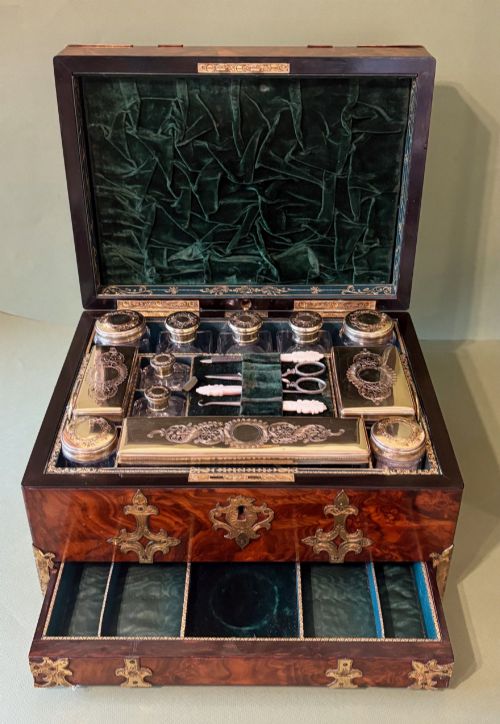
Many interiors incorporate fitted compartments lined with velvet, alongside secondary materials such as glass, mother-of-pearl and silver for specialised storage. Joinery techniques ensured that hinged lids, sloping desks and secret drawers aligned tightly within the brass mounts.
Walnut Brass Box Retail Price Guide 2026
Typical asking prices for walnut brass box among the pieces listed under this phrase on Sellingantiques today, from the lower quarter to the upper quarter. They describe what is for sale here now, not the wider market.
Object forms range from writing slopes and stationery cabinets to tea caddies, glove boxes, music boxes and table cellarettes.
The Measure of Quality
Quality rests upon the selection of the timber grain, where highly figured burr walnut commands greater attention than plain stock, and upon the precision with which the brass binding is flush-fitted into the wood. The integration of operational elements - such as secret drawers, working locks with original keys, and finely fitted velvet interiors - distinguishes finer cabinet work from standard utility pieces.
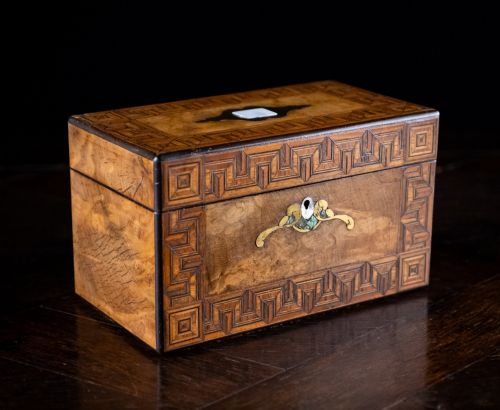
Proportion and decorative restraint also separate standard items from superior examples, particularly where parquetry, mother-of-pearl inlay or heavy brass mounts enhance the form without overcrowding the surface grain.
William Austin
The Walnut Brass Box Glossary
- Burr walnut
- A timber harvested from the wart-like growths on walnut trees, yielding complex swirling grain patterns prized for decorative veneer work.
- Writing slope
- A portable desk with an angled hinged lid that opens to reveal a writing surface, inkwells and compartments for stationery.
- Stationery box
- An upright desk accessory fitted with tiered partitions to sort letters, envelopes and correspondence papers.
- Escutcheon
- A protective brass plate surrounding a keyhole that prevents the surrounding wood from wearing down through repeated use.
- Tantalus
- A decorative locking frame that holds decanters visible while preventing access to the contents without a key.
Walnut Brass Box: Frequently Asked Questions
What is a walnut brass box used for?
These pieces functioned historically as secure containers for personal correspondence, writing instruments, tea, tobacco, jewellery and bottled liquids. They kept household valuables organised and protected within domestic sitting rooms and studies.
Today, owners utilise them to store modern stationery, trinkets or collections while displaying the figured timber and brass work upon desks or side tables.
How do I identify a Victorian piece?
Victorian examples frequently display heavy brass binding, flush-fitting campaign corners, and figured or burr walnut veneers over pine or mahogany carcases. Interiors often feature fitted velvet surfaces, secret drawers and compartments tailored for Victorian writing implements.
By contrast, Georgian and Regency items tend to exhibit simpler brass stringing or lighter mount configurations, reflecting the prevailing furniture aesthetics of their respective periods.
Are keys usually included?
Many surviving writing slopes, tea caddies and jewellery cases retain their original working keys, though some are listed without them. Working locks and matching keys add considerable utility to containers designed originally for security.
When a key is present, it operates the brass lock mechanism mounted into the lid or fall-front, securing the internal compartments and secret drawers.
How should I care for walnut and brass?
Walnut surfaces respond best to dry dusting and occasional treatment with appropriate furniture wax to nourish the grain without buildup. Brass mounts can be left with their natural aged patina or polished gently with a non-abrasive cloth.
Keep these containers away from direct sunlight and steady heat sources to prevent the walnut veneer from drying or lifting from the carcase.