

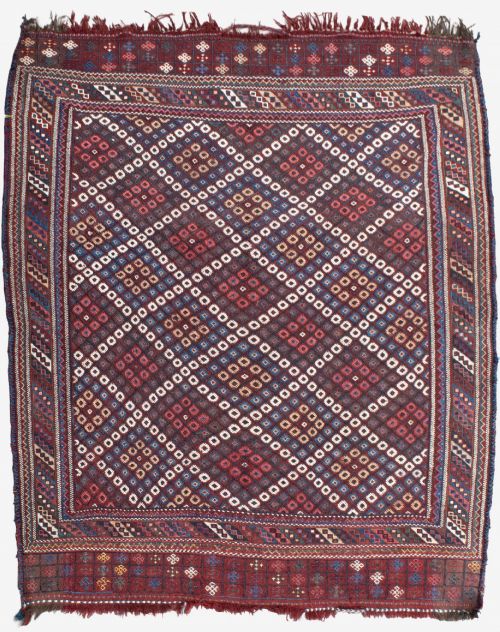
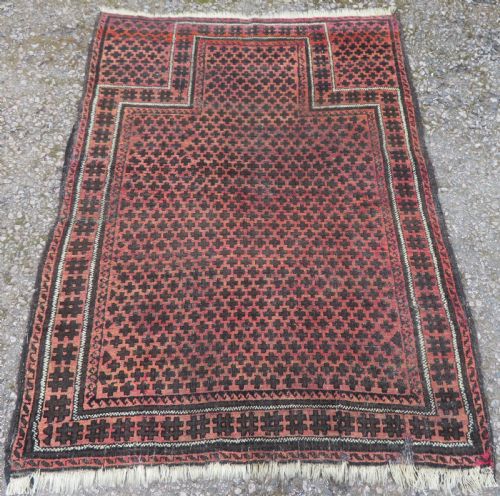

Vintage Woven Mat
A vintage woven mat brings tactile warmth and enduring regional design into a room through authentic nomadic and village textile traditions.
Vintage Woven Mat
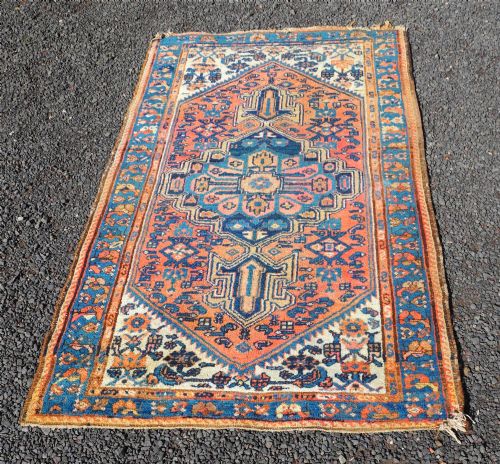
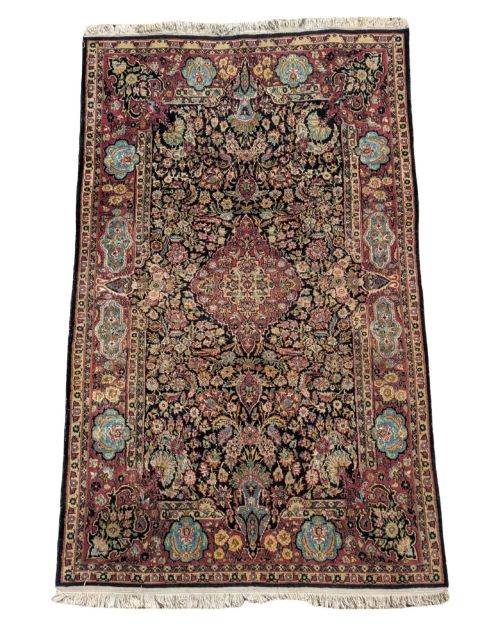
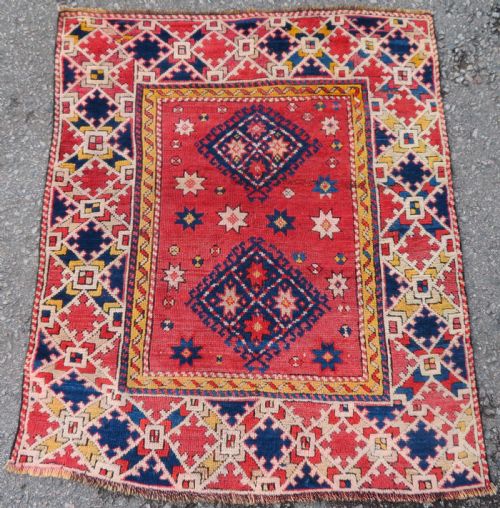
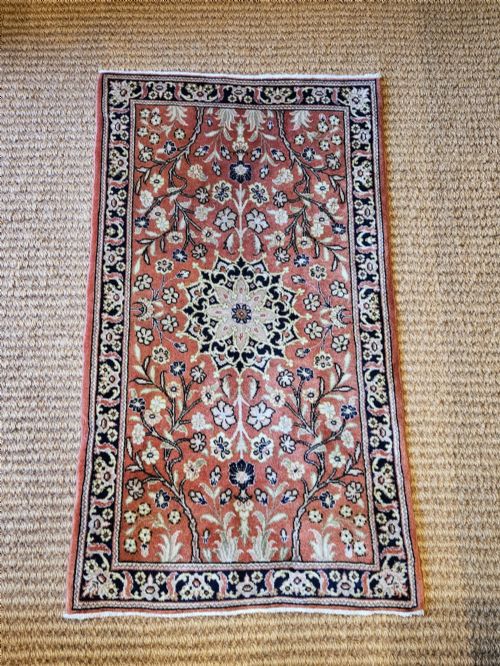
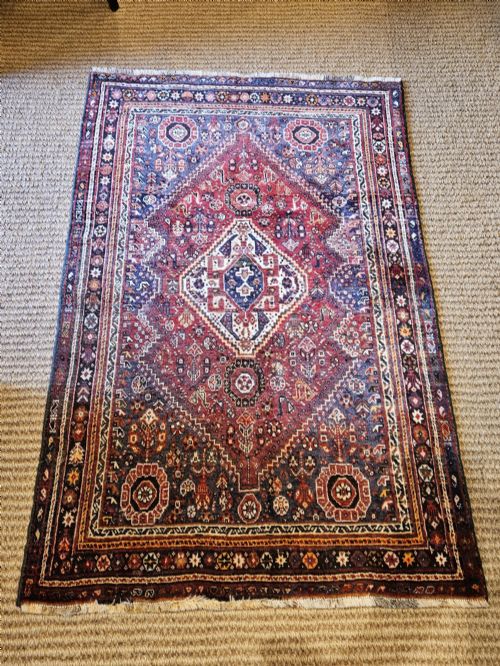
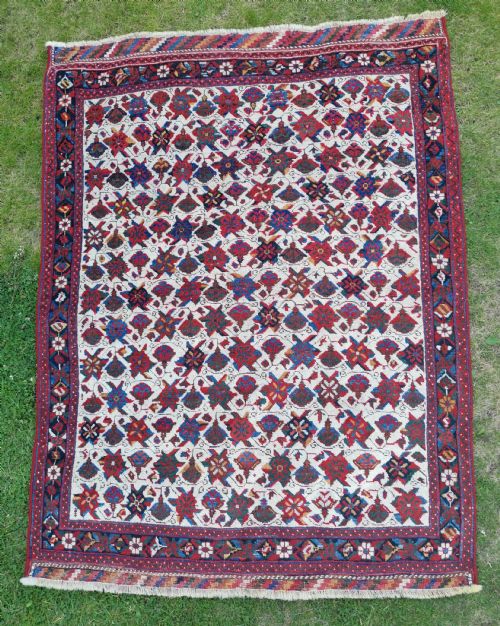
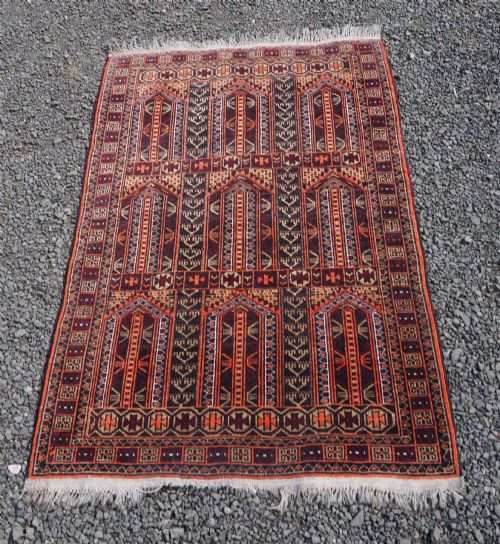
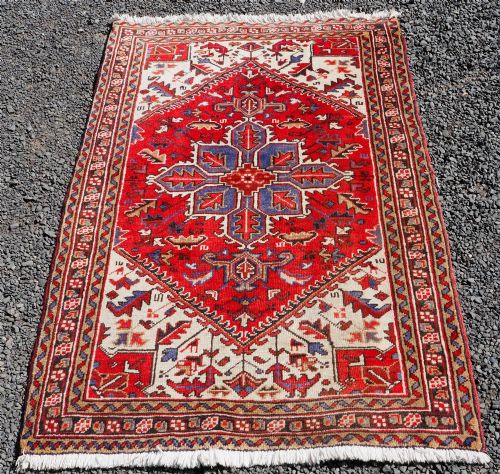
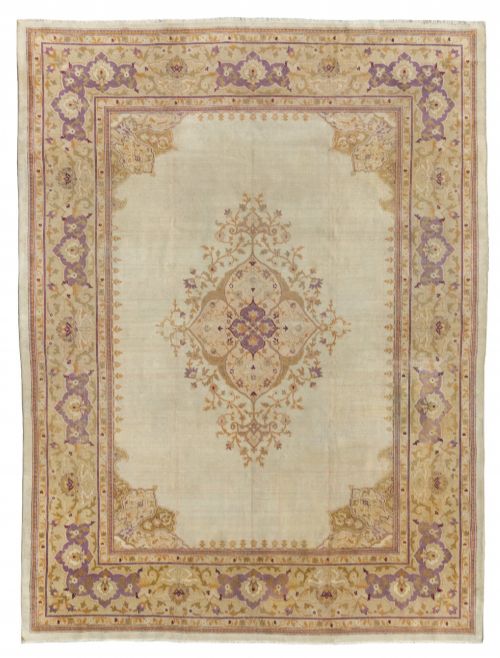
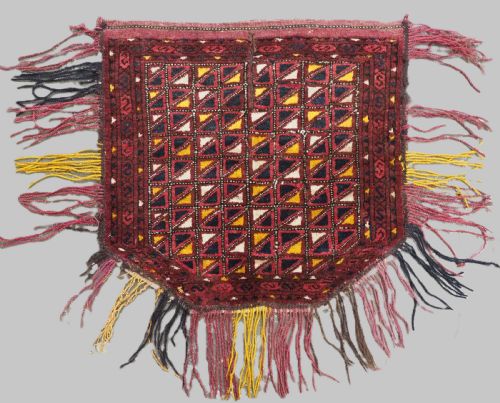
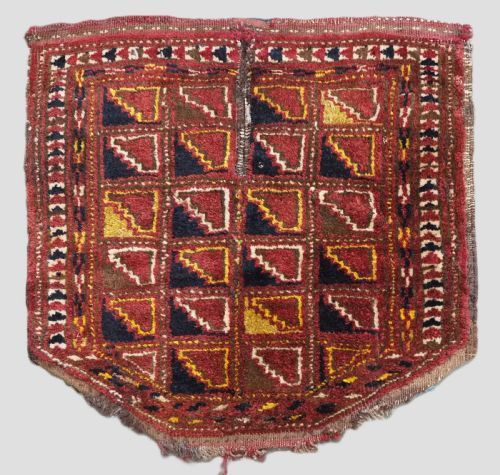
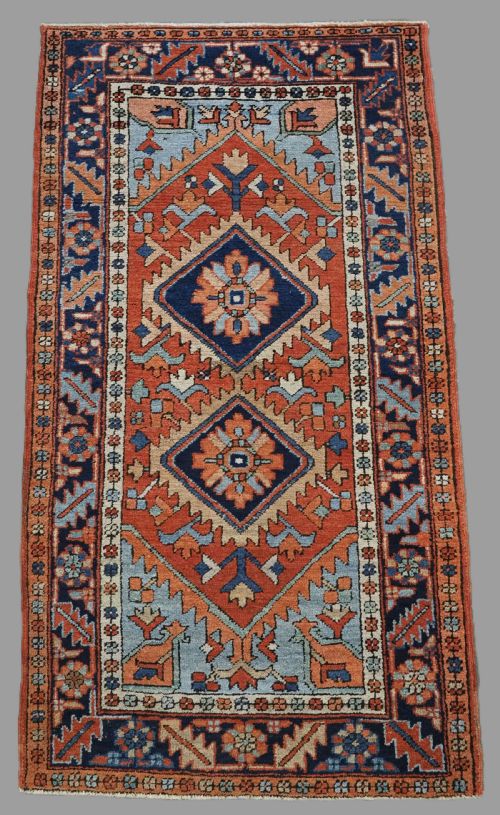
When you search for a vintage woven mat, you encounter hand-knotted and flatwoven floor coverings originating from nineteenth and early twentieth-century village and tribal communities across Persia, Anatolia, the Caucasus, and Central Asia. These textiles take many forms, including compact hearth rugs, small saddle covers, prayer rugs, and utilitarian bread sofrehs woven for daily domestic use. The selection spans distinct regional aesthetics, from the geometric precision of Turkmen tribal work to the botanical motifs of Persian city and village workshops.
On this page, the pieces you meet most frequently belong to the broader category of vintage woven mats, encompassing compact formats such as bag faces, small runner fragments, and hearth-sized wool floor coverings. Dating predominantly from the late nineteenth century up to the 1930s, these textiles represent generations of traditional hand-knotting and flatweaving. Each piece reflects the specific cultural lexicon and material resources of the weavers who produced them in regions like Hamadan, Afshar territories, and Bergama.
How they were made
Weavers constructed these mats predominantly using wool, cotton, and occasional silk highlights, sourced locally and spun by hand before assembly on vertical or horizontal floor looms. Many examples incorporate natural dyes derived from plants and minerals, yielding stable, rich tones that mellow gracefully over decades of exposure and use.
The structural technique relies on dense pile knotting or flatweaving methods such as tapestry weave, depending on whether the textile functioned as a durable floor covering or a flexible storage bag. Artisans secured the edges with overcast selvedges and often finished the ends with original tassels or braided fringes integral to the loom setup.
Materials documented across the inventory include pure wool, cotton, silk, and traditional natural dyes.
What varies in quality
Quality in these textiles rests upon the density of the knotting, the purity and preparation of the wool, and the complexity of the design execution. Tightly packed foundations and resilient hand-spun wool ensure longevity, allowing the pile to withstand foot traffic while retaining the clarity of the underlying tribal motifs.
The vibrancy and depth of the colour palette also distinguish finer examples, particularly where dyers utilised natural materials to create nuanced tonal variations across the field. Precision in symmetry, proportion, and the handling of secondary border designs further separate standard village output from superior collector pieces.
The Vintage Woven Mat Glossary
- Sofreh
- A flatwoven spread or cloth used traditionally for preparing bread or serving meals within nomadic households. These textiles often feature striking minimalist or geometric compositions.
- Prayer rug
- A small textile designed with a central mihrab or arch motif indicating the direction of prayer. Weavers produced these for personal devotion in various Anatolian and Caucasian villages.
- Saddle cover
- A utilitarian animal trapping placed beneath a rider, often woven with durable wool pile and side tassels. Surviving examples frequently function successfully as compact decorative mats.
- Flatweave
- A textile constructed without a knotted pile, created by interweaving warp and weft threads directly. This technique produces lightweight rugs such as kilims and certain utilitarian spreads.
- Natural dye
- Colouring matter obtained from botanical or mineral sources prior to the widespread adoption of synthetic aniline dyes. These substances produce harmonious, complex patinas over time.
Vintage Woven Mat: Frequently Asked Questions
Where should I place a small vintage mat?
These compact textiles suit low-traffic areas where their texture and colour remain protected from excessive wear. Common placements include entryways, beside a bed, or underneath a small occasional table.
Because many examples originate as saddle covers or hearth rugs, their dimensions adapt easily to narrow hallways or compact floor spaces requiring a concentrated decorative accent.
How do I care for a wool floor mat?
Regular gentle vacuuming without a rotating brush roll prevents dust accumulation within the pile foundation. Professional textile cleaning is advisable when deep maintenance becomes necessary.
Avoid excessive moisture and direct, continuous sunlight to preserve the structural integrity of the hand-spun wool and the stability of the natural dyes.
How can I tell different tribal designs apart?
Regional attribution relies on specific structural characteristics, colour choices, and repeating geometric or floral motifs unique to each weaving group. Turkmen pieces frequently display deep red grounds with Gull-i-Gul motifs, while Caucasian rugs often feature sharply articulated polygons and primary primary borders.
Examining the weave structure, fringe finish, and selvage construction provides additional clues regarding whether a piece originated in an Anatolian village or a Persian tribal tent.
What indicates an older woven textile?
Indicators of age include the use of hand-spun wool, naturally derived colour palettes that show subtle abrash, and organic wear consistent with decades of traditional domestic use. The presence of wool foundations rather than cotton warps often points towards nineteenth-century nomadic production.
Fringe construction and side cord bindings executed entirely by hand further distinguish traditional pieces from later commercial reproductions.