




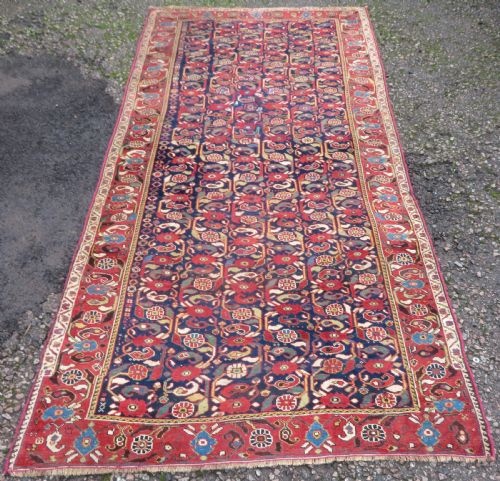


Early 19th Century Rug
An early 19th century rug brings centuries of tribal weaving traditions into a modern room through rich natural dyes and distinctive geometric motifs.
Early 19th Century Rug
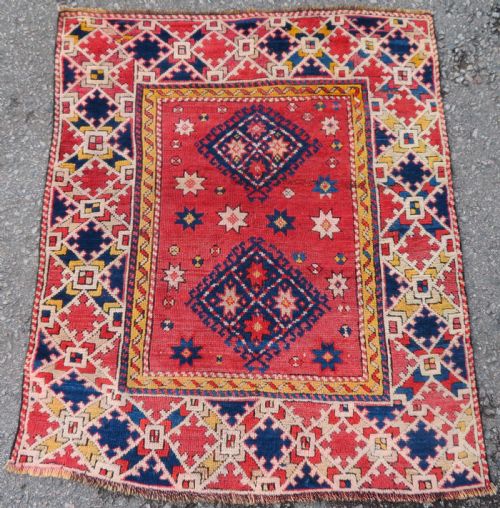
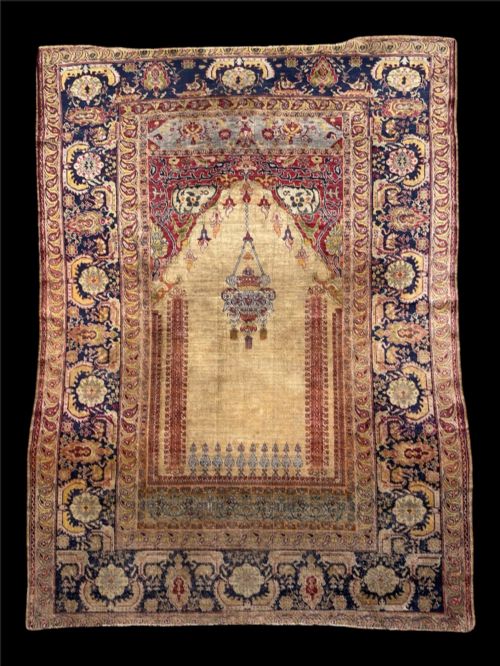
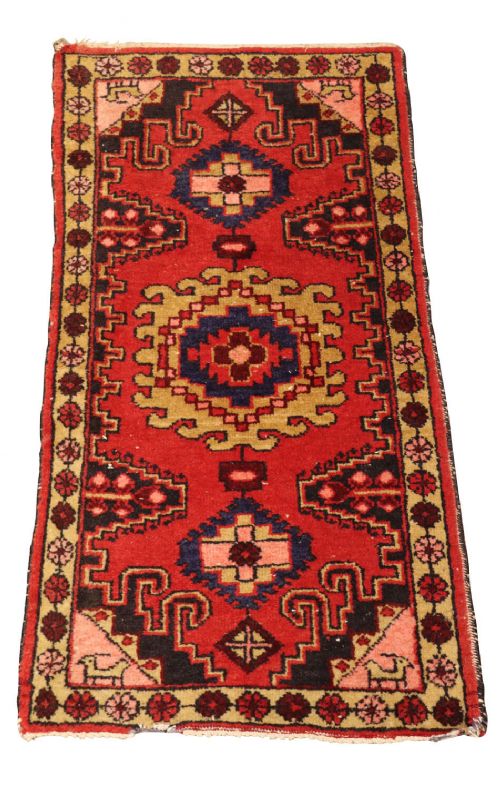
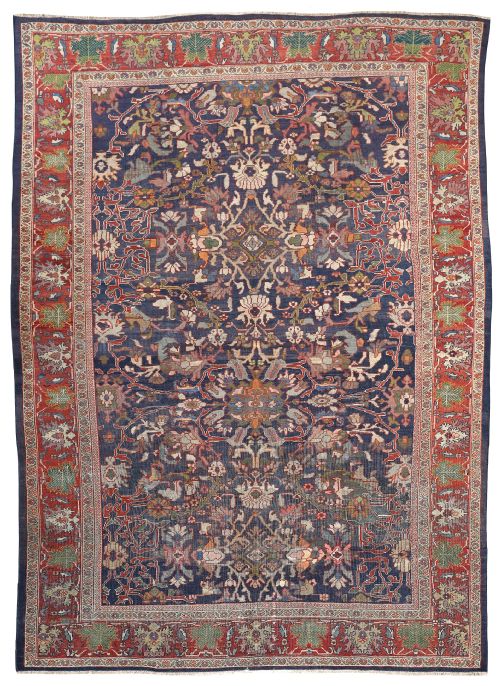
An early 19th century rug encompasses hand-knotted village and tribal floor coverings originating from Persia, Anatolia, and Central Asia. These textiles take many forms, from small prayer rugs and saddle bag faces to larger area carpets and runner rugs.
The selection on this page demonstrates regional weaving traditions such as Anatolian Bergama and Konya pieces, Caucasian tribal examples, and Turkmen main carpets. Buyers encounter diverse formats including fragments, complete room-size carpets, and narrow runners suited for hallways.
Tribal workshops and nomadic weavers produced these textiles using traditional vertical looms and knotting techniques passed down through generations. Each piece carries the distinct design vocabulary of its specific origin, whether Persian tribal or East Turkestan.
Materials and construction
The materials recorded in these rugs rely on natural wool foundations and pile, often complemented by cotton and occasionally silk details. Weavers sourced natural dyes from plants and minerals to achieve deep, lasting shades that mellow gracefully over decades.
Hand-knotting forms the dense pile of these floor coverings, combined with flat-woven details and plain weave backs on specific pieces like chuval faces. The structural integrity depends on sturdy wool or cotton warps and wefts that hold the pile securely.
Early 19th Century Rug Retail Price Guide 2026
Typical asking prices for early 19th century rug among the pieces listed under this phrase on Sellingantiques today, from the lower quarter to the upper quarter. They describe what is for sale here now, not the wider market.
Nomadic weavers frequently added animal motifs to their rugs, embedding tiny hidden creatures within the geometric fields to watch over the camp.
Quality differences in early textiles
Quality in these woven pieces rests on the fineness of the knotting and the complexity of the design execution. Tighter knots and precise geometric or animal motifs indicate skilled tribal craftsmanship.
The palette and condition also separate examples, with saturated natural dyes and intact borders commanding attention. Surviving elements like original flat-woven backs or complete formats elevate a textile's standing.
The Early 19th Century Rug Glossary
- Warp
- The stationary vertical threads stretched on a loom before weaving begins. These form the foundational skeleton of the rug.
- Weft
- The horizontal threads passed through the warps to bind the knots in place. They stabilize the structure of the textile.
- Prayer rug
- A small rug featuring a mihrab or arch design used historically for daily prayers. These pieces focus devotion towards a specific direction.
- Chuval
- A large storage bag face produced by Turkmen nomads. They display intricate guls and flat-woven structures.
- Yastic
- A small Turkish cushion cover or pillow rug. These domestic textiles share the dense pile and motifs of larger floor rugs.
- Natural dyes
- Colourants derived from organic sources such as plants, insects, and minerals. They produce complex, shifting tones that age with character.
Early 19th Century Rug: Frequently Asked Questions
Can I place these rugs in high traffic areas?
Placing these textiles in moderate traffic zones allows them to be enjoyed daily while preserving their structural integrity. Hallways and low-impact living spaces suit runners and small rugs well.
Using a quality underlay prevents slipping and cushions the wool against hard floors. Heavy foot traffic can accelerate wear on fragile antique foundations.
How do I tell tribal rugs apart?
Distinguishing origins involves examining the specific geometric motifs, border arrangements, and colour palettes unique to each region. Turkmen pieces often feature octagonal guls, while Caucasian rugs display sharp animal and star motifs.
Structural details such as knot types and edge finishes provide further clues to whether a piece originated in Anatolia or Persia.
What is a prayer rug used for?
A prayer rug served a devotional function in nomadic and village households, featuring a distinct arch or niche design. The weaver pointed this arch towards Mecca during daily prayers.
Over time, these portable textiles became prized for their concentrated design work and symbolic motifs. Today they function primarily as decorative wall hangings or accent floor pieces.