




Blue Anatolian Rug
A blue anatolian rug brings centuries of woven artistry into a room, offering rich regional designs and natural warmth underfoot.
Blue Anatolian Rug
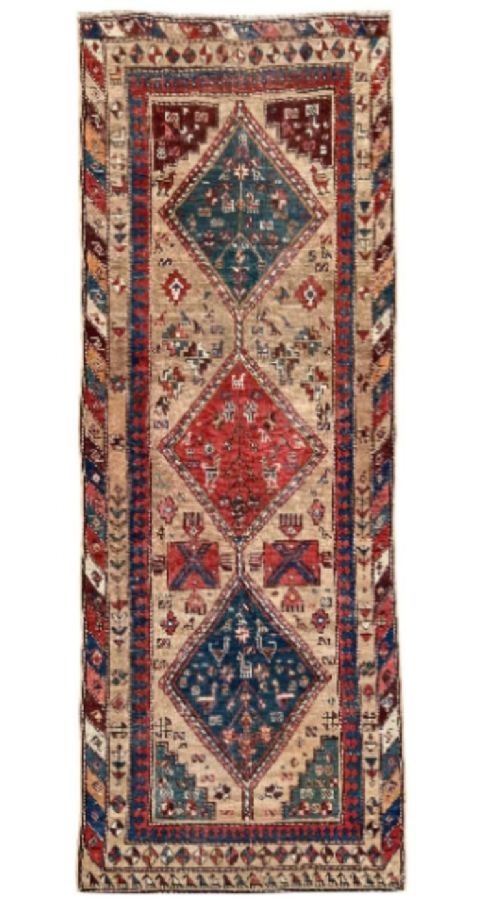
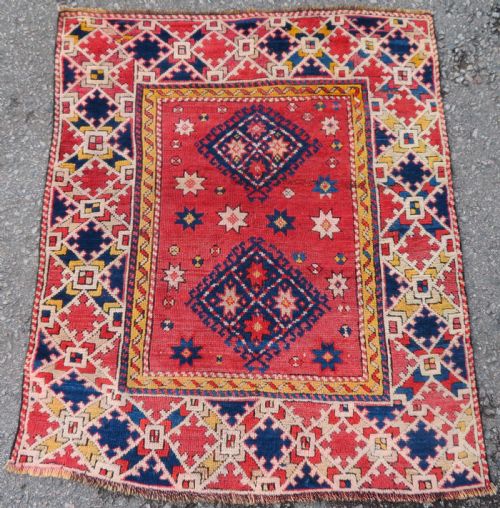
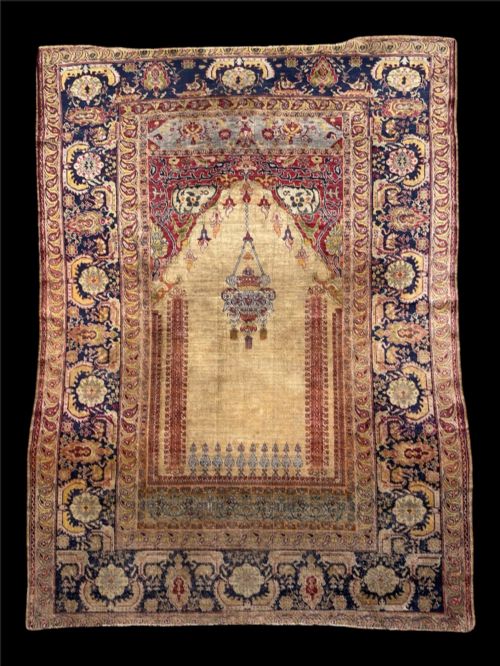
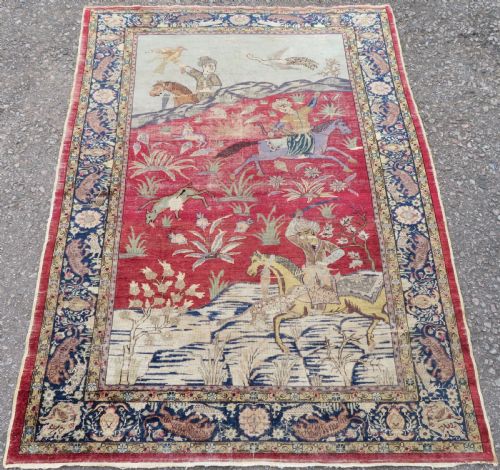
A blue anatolian rug encompasses floor coverings, runners, and prayer mats originating from Turkish weaving centres and villages, spanning periods from the eighteenth century through to the early twentieth century. When searching for this phrase, buyers encounter diverse regional formats including Ushak carpets, Bergama pieces, and Konya prayer rugs.
The selection frequently includes long runner rugs, scatter formats, and smaller village weaves displaying traditional motifs such as star medallions and prayer niches. These textiles reflect the distinct tribal and workshop traditions of Western, Eastern, and Central Anatolia.
How they were made
Weavers utilised natural materials such as wool, cotton, silk, and angora wool, often employing hand-spun yarn to create resilient foundations and plush pile surfaces. Dyes derived from local plants and minerals produced the characteristic indigo and pale blue grounds seen across these historical textiles.
Construction techniques involve traditional knotting methods executed on upright looms, resulting in dense structures designed for durability. Certain village pieces, such as kilims, utilise flatweave techniques woven in sections before being joined together.
Listings feature pieces spanning the eighteenth, nineteenth, and early twentieth centuries, constructed from wool, cotton, silk, and angora wool.
What varies in quality
The fineness of the knot count and the precision of the geometric or floral design differentiate standard village productions from master workshop carpets. Superior density in the wool pile contributes to greater longevity and a more tactile handle.
The depth and complexity of the natural dye palette also dictate the distinction of a piece, with nuanced abrash variations in the blue tones adding visual depth that simpler chemical dyes lack.
The Blue Anatolian Rug Glossary
- Prayer rug
- A small rug featuring a mihrab or niche design, traditionally used for daily Islamic prayers and oriented towards Mecca. These pieces often display specific architectural motifs unique to regions like Ladik and Ghiordes.
- Kelim
- A flatwoven carpet or rug produced without a pile by tightly interweaving warp and weft strands. This technique creates a lightweight textile with identical patterns visible on both sides.
- Abrash
- A natural variation in colour shading caused by changes in dye batches or hand-spun wool lots. This characteristic variation creates subtle horizontal bands of tone across the surface.
- Yastic
- A small cushion or pillow face traditionally used in Turkish households for lounging on low divans. These textile fragments utilise the same knotting and design vocabulary as larger floor carpets.
- Medallion
- A central decorative motif placed in the middle of the field, frequently taking a star, octagonal, or lobed geometric form. This focal point anchors the overall composition of the rug.
Blue Anatolian Rug: Frequently Asked Questions
How do I identify an authentic antique anatolian rug?
Authentication relies on examining the irregularities in hand-spun wool, natural dye absorption, and traditional regional motifs. Hand-knotted foundations and worn edges often reveal the age and manual construction methods typical of nineteenth-century village workshops.
Analysing the structural weave on the reverse side provides further clues regarding origin. Specific knot types and structural materials help distinguish between nineteenth-century village pieces and later decorative carpet productions.
Where were these rugs traditionally placed in a home?
Historical interiors utilised these textiles primarily as floor coverings in main reception rooms, while smaller prayer formats served dedicated devotional spaces. Runners fitted neatly along corridors, and cushion covers furnished low wooden seating areas.
Village households also employed flatwoven kelims and heavy carpets for insulation against cold stone floors. Their versatile formats allowed them to transition between different living spaces according to seasonal needs.
How should I care for a historical wool rug?
Maintenance requires gentle vacuuming without a rotating brush roll to protect the fragile pile and hand-knotted foundations. Professional cleaning tailored to antique textiles preserves the integrity of natural wool and historical dyes.
Avoiding direct, prolonged sunlight prevents the fading of indigo and pale blue grounds. Rotating the piece periodically ensures even wear across high-traffic areas in contemporary rooms.
What is the difference between an Ushak carpet and a village rug?
Ushak carpets generally originate from larger organised urban workshops and feature expansive floral or medallion compositions intended for formal interiors. Their scale is often grander, utilising finely spun wool and sophisticated decorative layouts.
Village rugs reflect localized tribal traditions from areas like Bergama or Konya, prioritising geometric patterns and symbolic motifs. These pieces tend to be smaller in format, carrying the distinct aesthetic signatures of individual weavers.