


Geometric Bergama Rug
A geometric bergama rug offers dense Anatolian tribal woolwork that brings grounded warmth and historic pattern to a room.
Geometric Bergama Rug
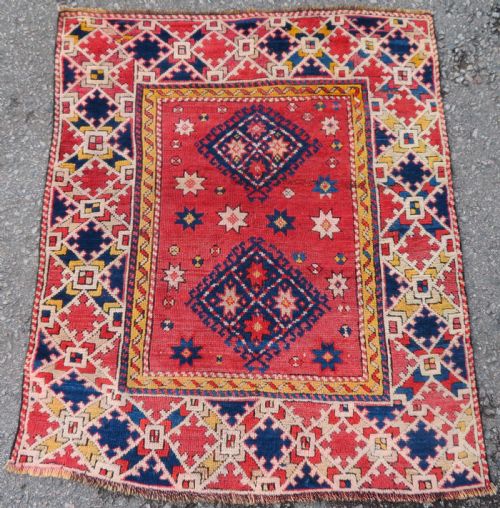
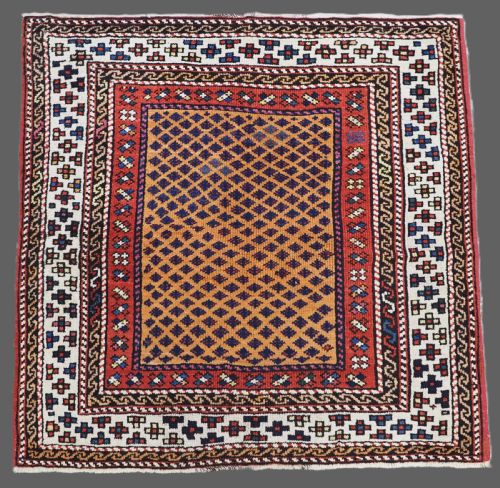
A geometric bergama rug is an Ottoman village textile originating from West Anatolia, woven by traditional makers using durable wool and cotton foundations. These pieces range from small square formats and prayer designs to larger village carpets displaying lattice or classic motifs.
Buyers on this page most frequently meet examples dating from the nineteenth century up through the nineteen-thirties, reflecting regional styles such as Anatolian tribal and Karakecili traditions. The forms include compact prayer rugs and room-sized carpets carrying bold, repeated geometric patterns.
How they were made
The construction of these textiles relies upon sturdy wool pile knotted onto wool or cotton foundations, ensuring resilience through decades of domestic use. Certain regional pieces, such as those from the Karakecili group, involve specialised weaving techniques like being woven in two separate parts before joining.
Dye methods and hand-spun materials dictate the surface texture and visual depth of each rug. Natural colour variations arise directly from traditional village dyepots, creating the characteristic rustic charm observed across the surviving output.
Some resilient tribal rugs were literally woven in two separate halves and stitched together, proving that teamwork makes the village dream work.
What varies in quality
Quality in these village textiles is determined by the clarity of the design work, the integrity of the pile, and the richness of the dye palette. Tighter knotting and more precise execution of lattice or prayer formats separate finer workshop or village output from simpler utilitarian weaving.
The balance and saturation of colour across the ivory or coloured grounds distinguish superior examples. A well-preserved pile and intact original edges indicate careful historical stewardship rather than extensive modern intervention.
The Geometric Bergama Rug Glossary
- Bergama rug
- A West Anatolian village textile characterised by robust geometric motifs and traditional regional weaving methods. These pieces hail from the area surrounding the historic town of Bergama.
- Prayer rug
- A small format textile featuring a distinctive architectural niche or mihrab design at one end. Historically used for personal devotion in domestic settings.
- Karakecili
- A specific tribal subgroup associated with traditional weaving traditions in the Bergama region. Their output often includes distinctive construction methods such as two-part joins.
- Lattice design
- A repeating grid pattern formed by intersecting lines across the field of the rug. This geometric arrangement structures the central space of many Anatolian village carpets.
- Ivory ground
- The predominant light background colour utilised in the central field of certain regional pieces. This pale tone provides high contrast for darker geometric borders and motifs.
Geometric Bergama Rug: Frequently Asked Questions
How old is my geometric bergama rug?
Dating relies on stylistic analysis of the motifs, material wear patterns, and structural characteristics typical of nineteenth and early twentieth-century Anatolian production. Comparative study of village designs helps narrow the period of origin.
Changes in dye palettes and weaving structures also provide reliable clues for distinguishing nineteenth-century examples from later twentieth-century village output.
Where were these rugs made?
These textiles were produced in villages and tribal settlements around Bergama in West Anatolia, Turkey. Local workshops and nomadic groups passed down specific regional patterns through generations.
The distinct styles reflect the local heritage of Ottoman village weavers who utilised readily available materials like sheep wool and cotton.
How do I clean a wool rug?
Gentle surface cleaning and regular low-suction vacuuming without a rotating brush help maintain the wool pile safely. Professional textile conservators should handle deep washing to prevent dye migration or structural damage.
Avoiding excessive moisture and direct sunlight preserves both the natural lanolin in the wool and the traditional dyes used by the makers.
What is a prayer rug?
A prayer rug is a portable textile featuring a mihrab or arch design indicating the direction of prayer. These pieces served both functional devotional use and domestic decoration.
The central niche distinguishes them from general floor carpets and highlights their specific cultural role in Ottoman village life.