

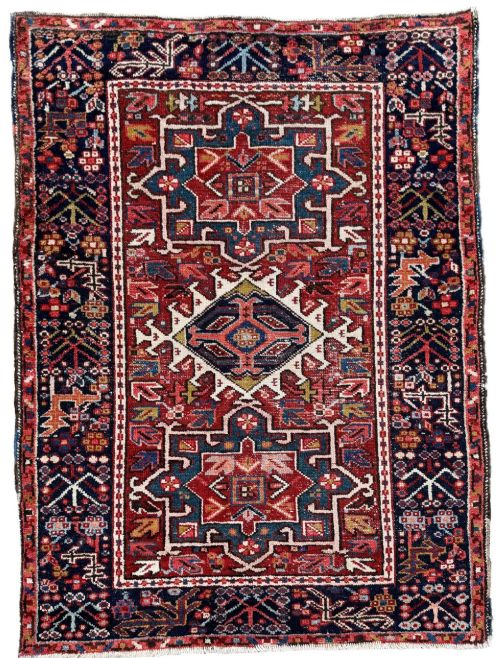
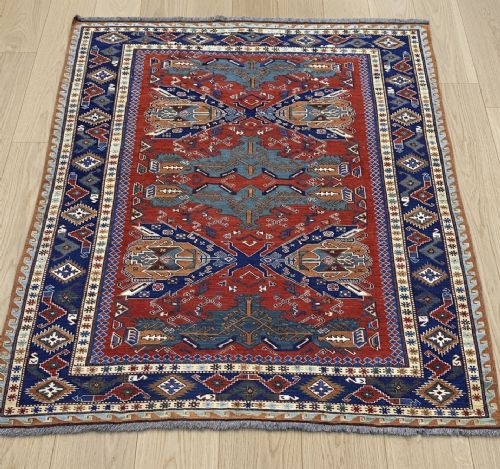
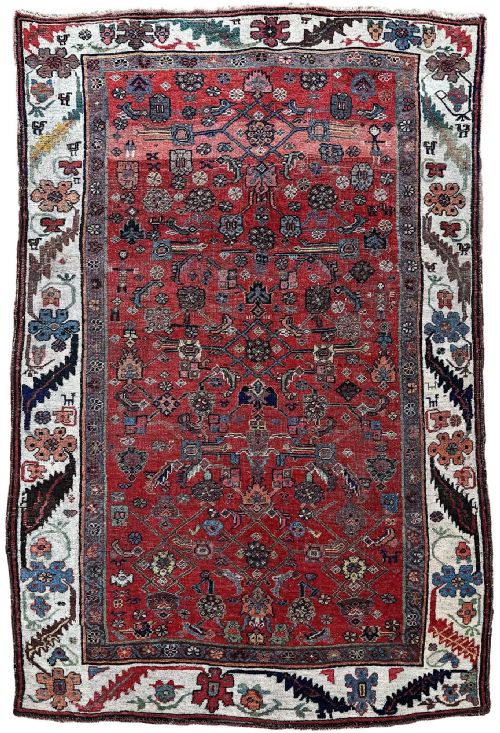
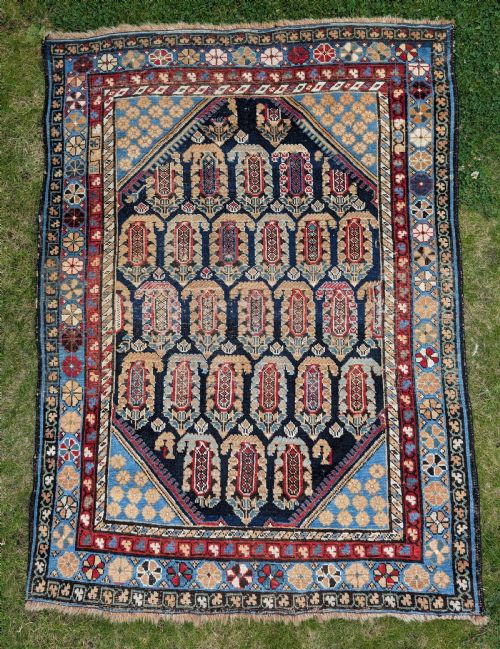
Oriental Accent Rug
An oriental accent rug brings rich pattern and hand-knotted texture into a room, offering centuries of regional weaving tradition for modern floors.
Oriental Accent Rug
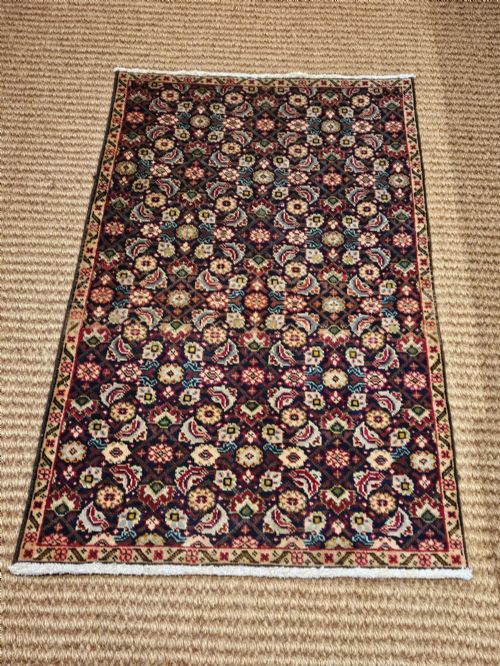
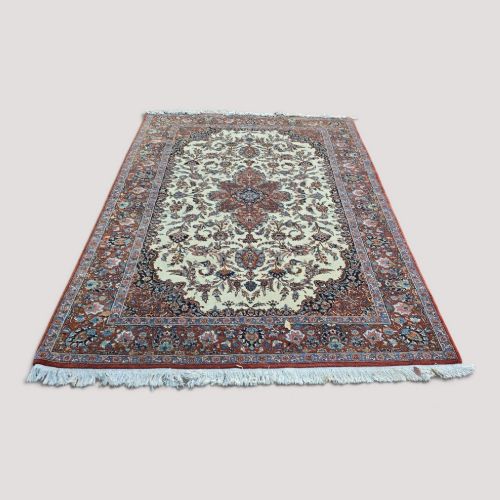
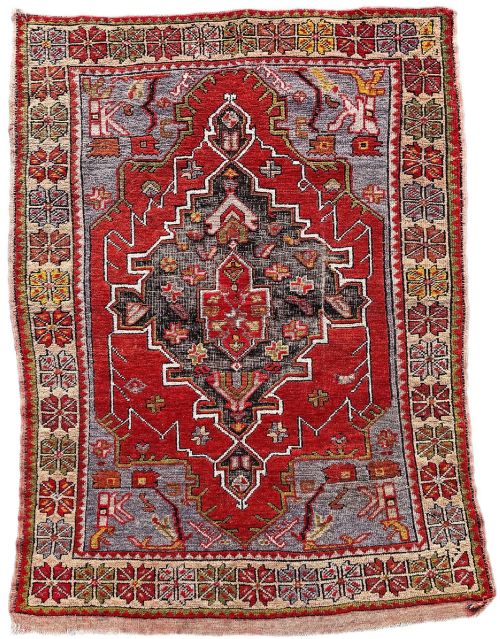
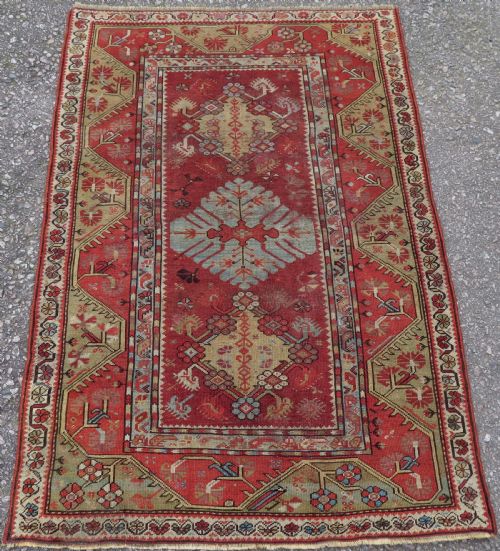
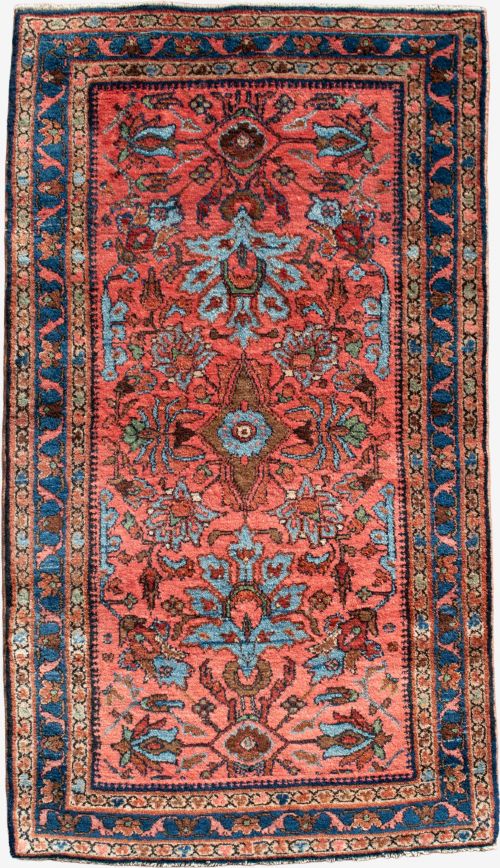
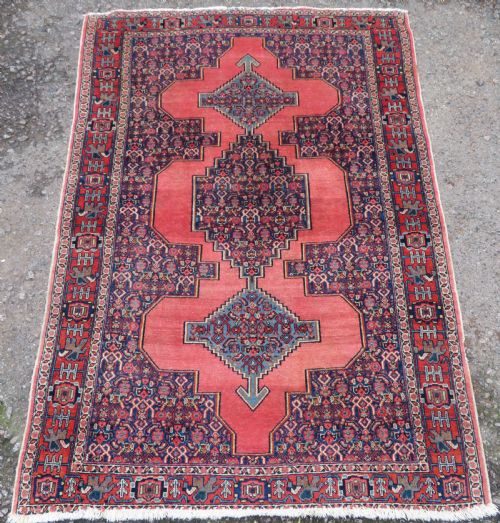
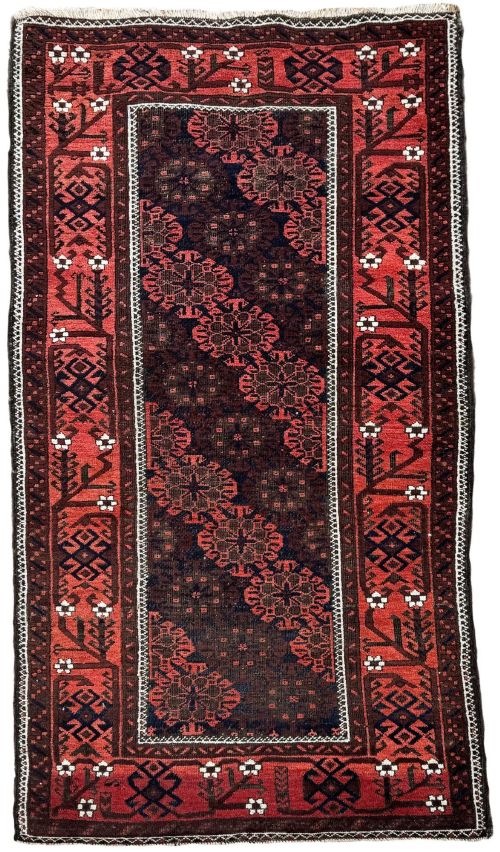
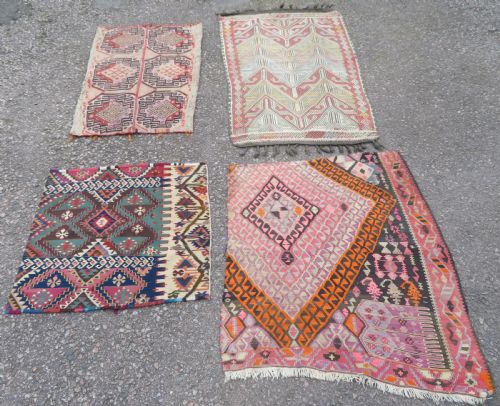
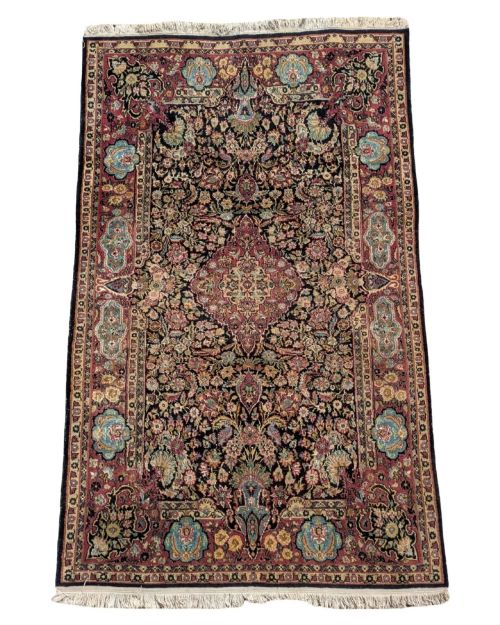
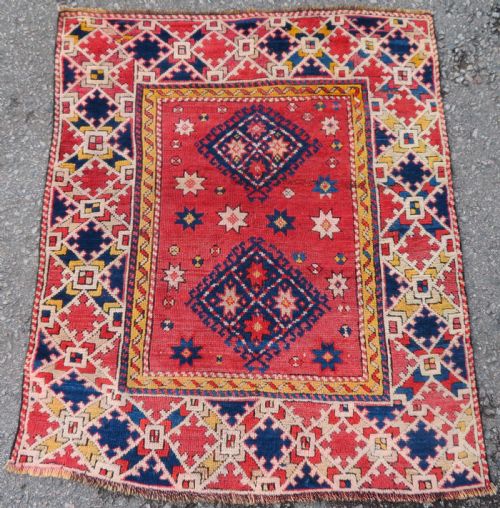
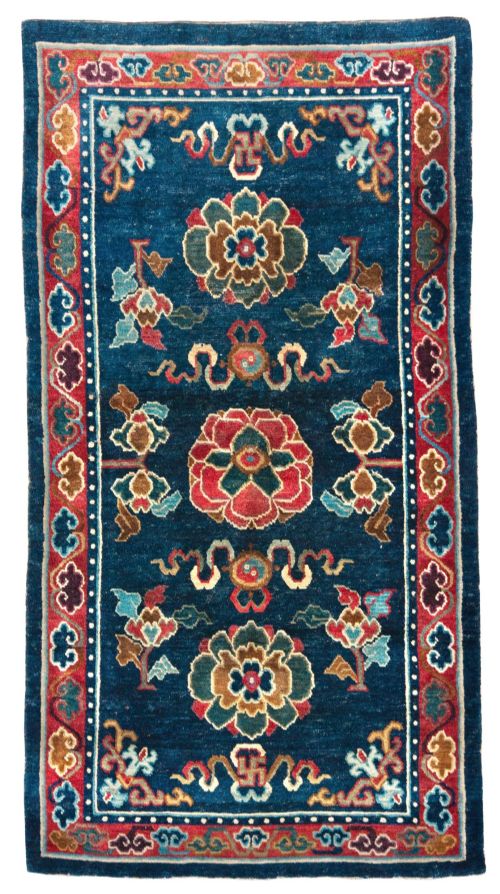
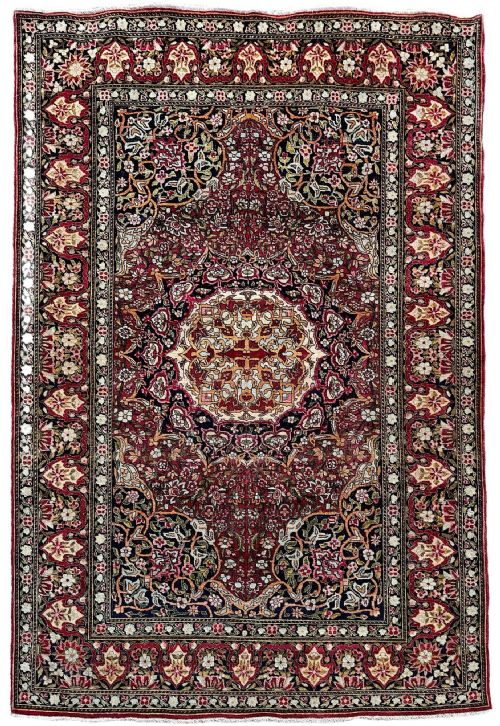
When searching for an oriental accent rug, buyers encounter hand-knotted and hand-woven floor coverings originating from Persia, Anatolia, the Caucasus, and Central Asia. These textiles take the form of small area rugs, square formats, and hearth-sized pieces designed to fit compact spaces.
The selection on this page centres on pieces from the nineteenth and early twentieth centuries, including tribal works and city-woven carpets. Common regional types span Heriz, Bidjar, Isfahan, and Bergama designs, reflecting distinct weaving traditions.
Alongside floor rugs, the category occasionally includes related forms such as cushions, pillows, and upholstered seating made from carpet fragments. These smaller textile adaptations provide alternative ways to introduce traditional patterns into an interior.
Materials and construction methods
Construction relies heavily on wool pile knotted onto cotton or wool foundation warps, utilising natural dyes derived from plants and minerals. Hand-spun wool appears frequently, yielding subtle variations in tone across the surface of each textile.
Certain examples incorporate silk highlights to accentuate specific motifs within the field or border. Pileless flatweaves and velvet elements also feature in related cushions and smaller decorative objects.
Oriental Accent Rug Retail Price Guide 2026
Typical asking prices for oriental accent rug among the pieces listed under this phrase on Sellingantiques today, from the lower quarter to the upper quarter. They describe what is for sale here now, not the wider market.
Listings feature wool, cotton, and silk materials spanning production dates from the nineteenth century through the nineteen-thirties.
Judging quality in woven textiles
Quality rests upon knot density, the precision of the design execution, and the depth achieved by natural dyestuffs. Tightly constructed foundations and secure edge bindings indicate careful workmanship by the original makers.
The integrity of the wool pile and the balance of the overall composition separate standard examples from finer collector pieces. Patina gained through age adds character without diminishing structural merit.
The Oriental Accent Rug Glossary
- Warp
- The vertical foundation threads stretched lengthwise on the loom before knotting begins. The fringe of a rug typically consists of these exposed threads.
- Weft
- The horizontal threads passed across the warp strands after rows of knots to hold the structure firm. Weft threads are beaten down tightly during the weaving process.
- Mihrab
- A arched niche design found primarily on prayer rugs, representing the direction of prayer. This motif often directs the visual orientation of the textile.
- Medallion
- A symmetrical central ornament placed in the middle of the rug field. Regional weavers adapted these geometric or floral centrepieces to establish the composition.
- Kilim
- A flat-woven textile produced without a pile by interlocking horizontal and vertical threads. These pieces offer lightweight versatility for floors and decorative furnishings.
Oriental Accent Rug: Frequently Asked Questions
How do I clean an antique rug?
Gentle surface brushing and professional specialist washing maintain the integrity of natural wool and silk fibres. Avoid harsh chemical treatments that strip natural oils from the pile.
Regular low-suction vacuuming without a rotating beater bar prevents dust accumulation within the foundation. Keeping the textile away from prolonged direct sunlight preserves the original dye colours.
Where should I place an accent rug?
Compact sizes suit entryways, bedside floors, hearths, and targeted seating areas where large carpets overwhelm the floor space. They define specific zones within a larger room without crowding the furniture.
Placing a breathable non-slip underlay beneath the textile prevents sliding and reduces friction against hard flooring surfaces.
What is a tribal rug?
Tribal rugs are woven by nomadic or village communities rather than urban workshops, featuring geometric motifs and memory-driven designs. These pieces often display spontaneous colour shifts and charming irregularities in the pattern.
Materials tend to be rugged and locally sourced, resulting in heavy hand-spun wool and sturdy construction suited to nomadic daily life.
How do I identify a prayer rug?
Prayer rugs feature a distinct arch or niche motif known as a mihrab at one end of the field. This design points the worshipper during daily prayer rituals.
Format sizes are generally smaller and portable, designed for personal use rather than covering an entire room floor.