


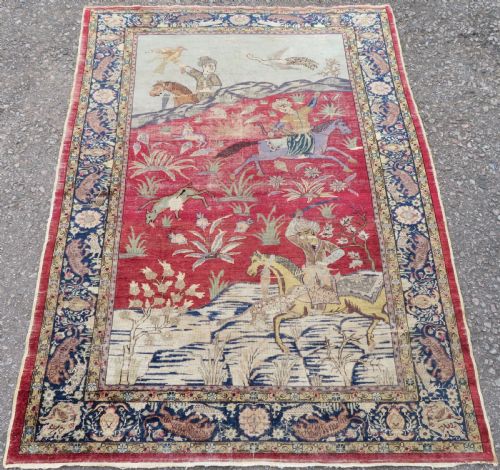


Red Anatolian Rug
A red anatolian rug brings deep warmth and centuries of weaving tradition straight to your floor.
Red Anatolian Rug
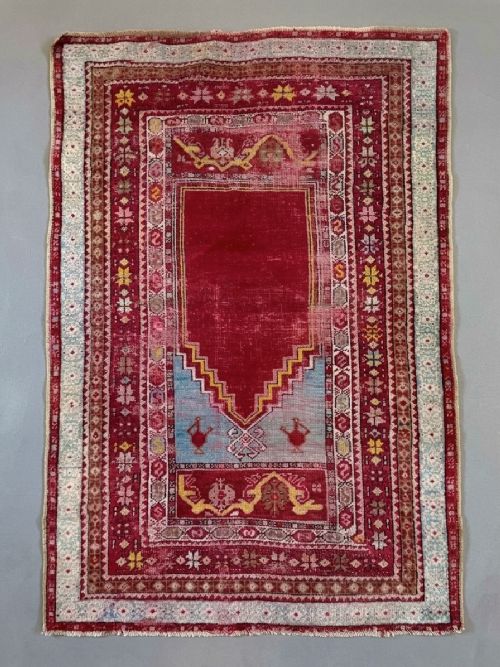
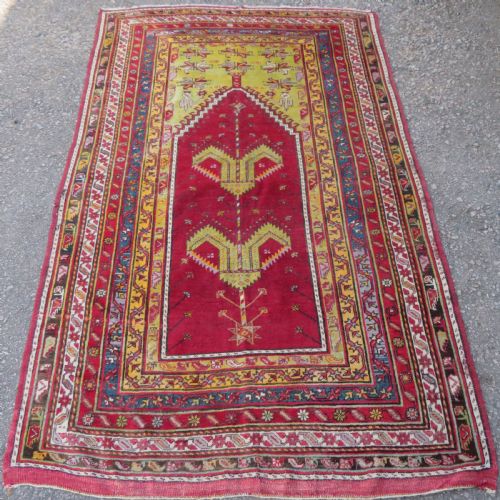
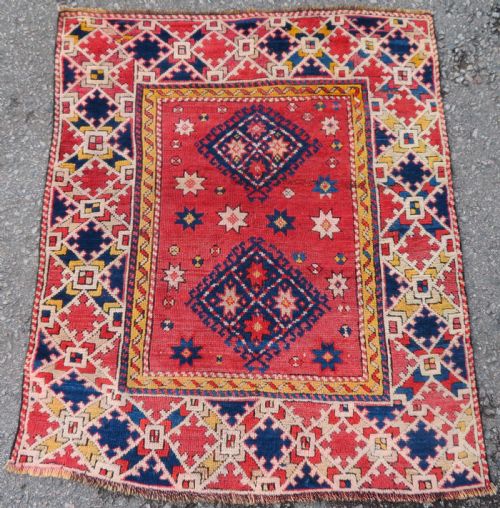
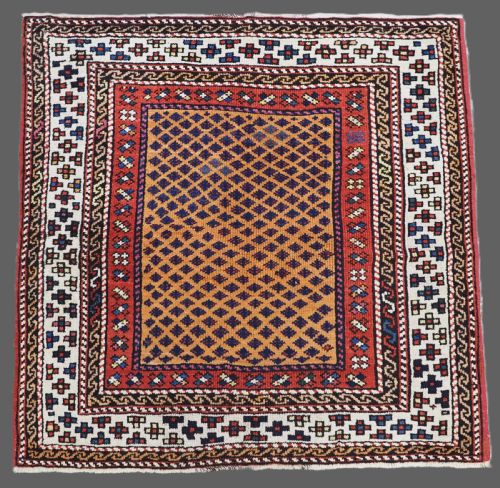
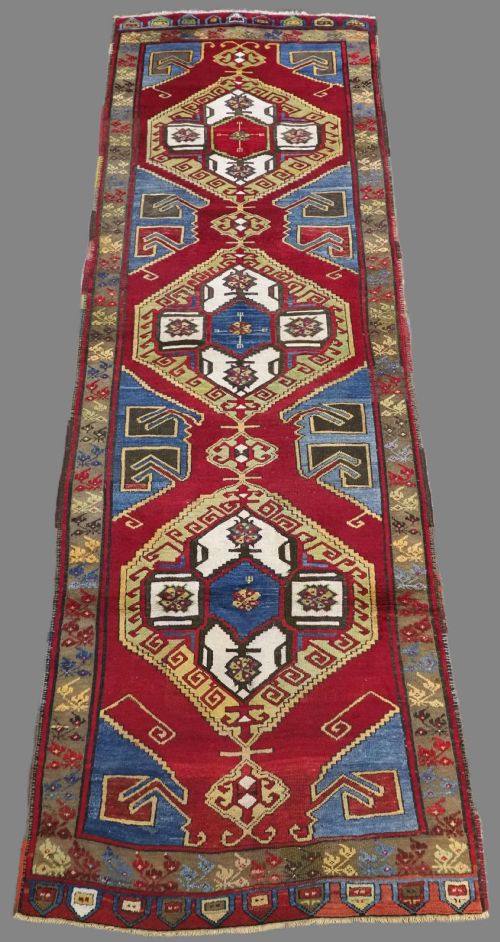
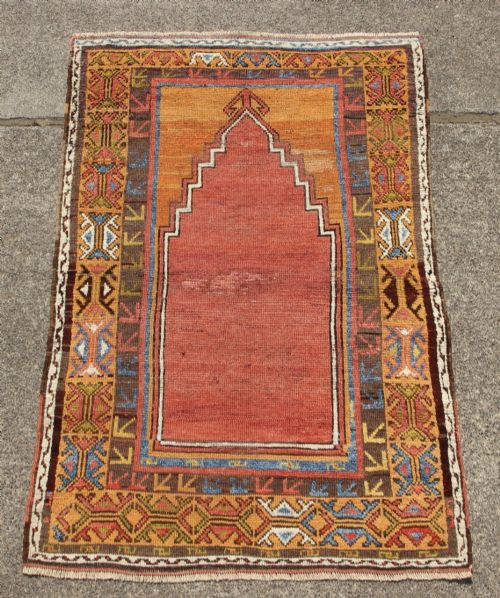
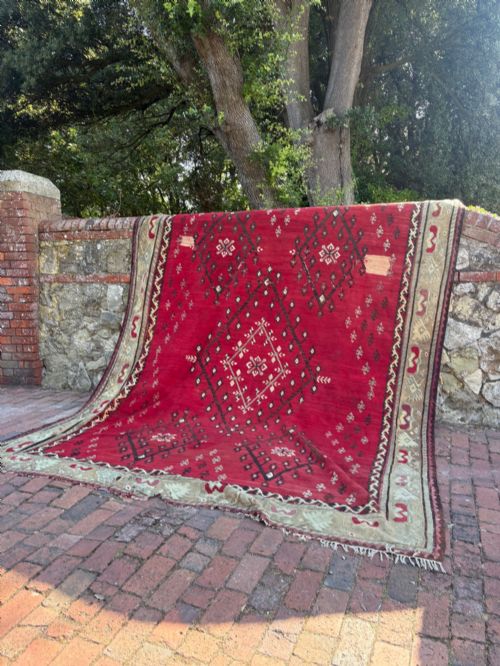
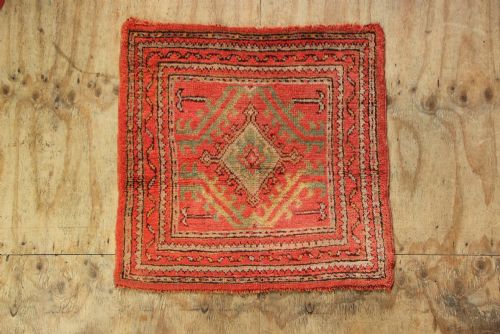
A red anatolian rug is a floor covering originating from Turkish weaving traditions, spanning runner rugs, carpets, and smaller prayer formats. These pieces display traditional anatolian, tribal, and village styles that have endured across generations.
Most examples encountered here date from the nineteenth and early twentieth centuries, specifically across periods such as 1870, 1880, 1910, 1920, and 1930. Forms include standard rugs, larger carpets, and elongated runner rugs suited for hallways and narrow spaces.
How they were made
Construction relies upon natural materials, predominantly wool pile set upon a supportive cotton or wool foundation. Weavers knotted these fibres by hand according to regional village traditions in Anatolia and West Anatolia.
Dyes utilised organic sources to achieve the characteristic red ground tones seen across Melas, Bergama, and Milas village workshops. The resulting textiles combine durable structural weaves with rich surface coloration.
Red Anatolian Rug Retail Price Guide 2026
Typical asking prices for red anatolian rug among the pieces listed under this phrase on Sellingantiques today, from the lower quarter to the upper quarter. They describe what is for sale here now, not the wider market.
Listings span periods from the nineteenth century through to 1930, utilising wool and cotton across runner and rug formats.
What varies in quality
Quality rests upon the precision of the village design and the depth of the red coloration achieved by the dyer. Classic motifs, such as those seen in Holbein or prayer rug layouts, distinguish finer artistic execution from simpler work.
Proportion and scale also dictate distinction, particularly in formats like small prayer rugs, large village carpets, or long runners. The integrity of the wool pile and the crispness of regional ornamentation complete the distinction.
The Red Anatolian Rug Glossary
- Prayer rug
- A small rug featuring a mihrab or niche design used historically for daily prayer. These formats often display compact dimensions and focused village ornamentation.
- Runner rug
- An elongated carpet format designed specifically for hallways, corridors, or narrow spaces. They preserve traditional patterns across an extended rectangular proportion.
- Melas
- A traditional weaving centre in southwest Anatolia known for distinctive village rugs. Pieces from this region display characteristic regional palettes and motifs.
- Bergama
- A historic market town and weaving region in northwest Anatolia celebrated for bold village carpets. Rugs from here frequently employ strong geometric or classical layouts.
Red Anatolian Rug: Frequently Asked Questions
Where were these rugs made?
These textiles were woven in villages and towns across Anatolia, the historical heartland of modern Turkey. Regional centres like Bergama, Milas, and Melas each developed distinct local traditions.
Production often took place in domestic or small workshop settings, utilising sheep wool sourced locally from the surrounding pastoral landscapes.
How do I clean an old rug?
Maintenance requires gentle care appropriate for natural wool pile and organic dyes. Regular light suction without a rotating brush helps remove embedded dust.
Professional specialist cleaning is recommended for deep washing to preserve the integrity of the cotton or wool foundation.
What is a prayer rug?
A prayer rug is a portable textile featuring a distinctive architectural arch or mihrab design at one end. Historically, this niche indicated the direction of prayer.
These pieces were typically woven in smaller dimensions suitable for individual use within village homes.
How are different periods identified?
Dating relies on stylistic analysis, material characteristics, and structural wear patterns observed across the wool and foundation. Nineteenth-century examples often exhibit specific natural dye palettes distinct from later twentieth-century work.
Comparing known regional motifs from periods such as the 1870s or 1920s helps place a rug within its historical timeframe.