


Traditional Hearth Rug
A traditional hearth rug provides warmth and character before a fireplace, drawing on centuries of village and tribal weaving traditions from the Near East and Asia.
Traditional Hearth Rug
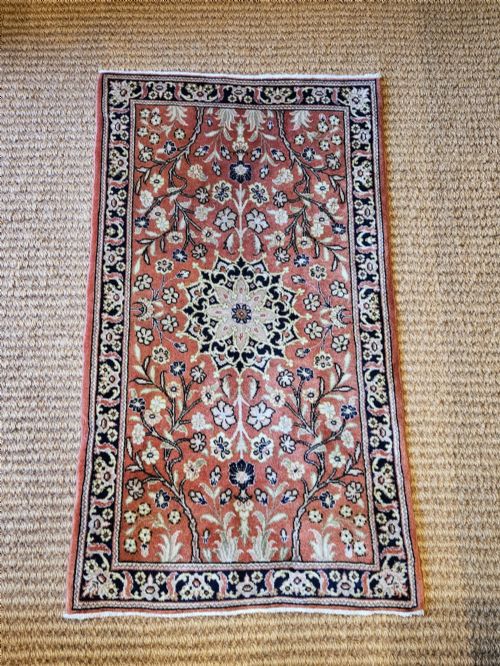
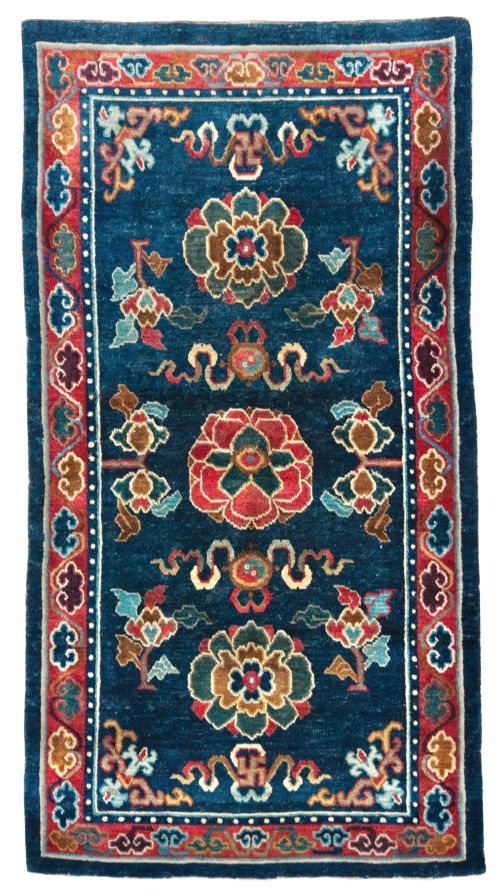
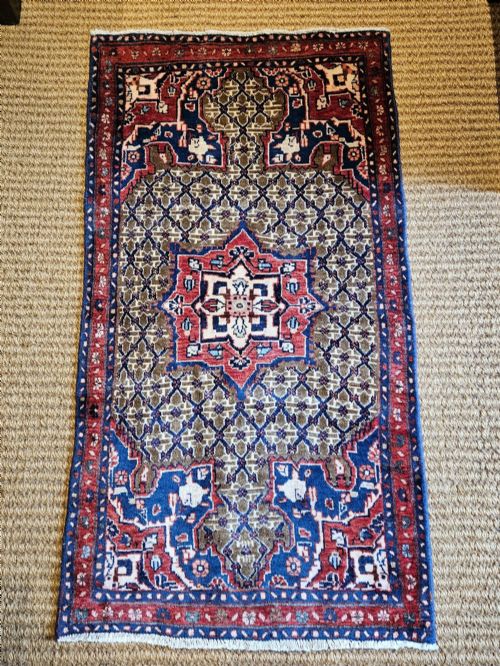
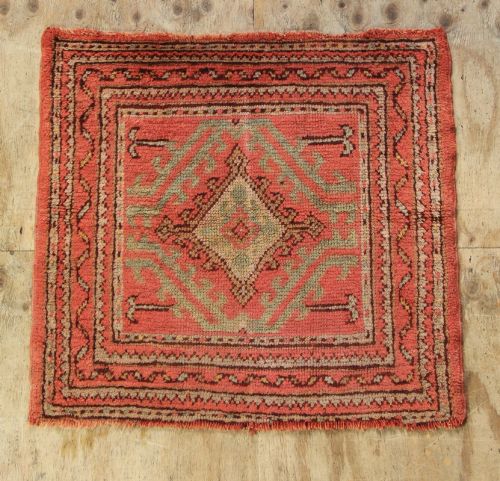
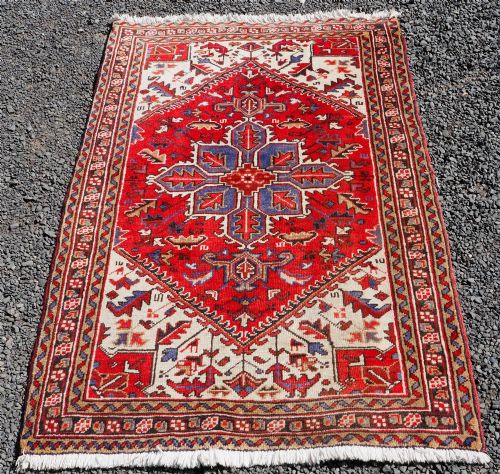
A traditional hearth rug encompasses smaller format floor coverings designed to sit before a fireplace, originating from Persian, Anatolian, Caucasian, and Central Asian weaving traditions. The selection spans the nineteenth century through the 1930s, capturing village, tribal, and city workshops.
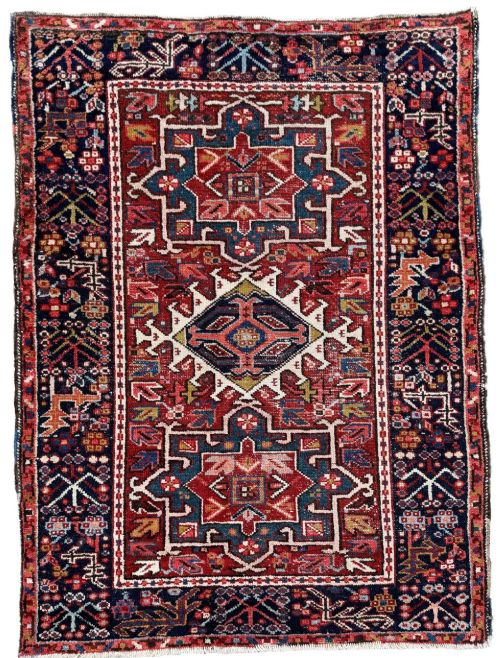
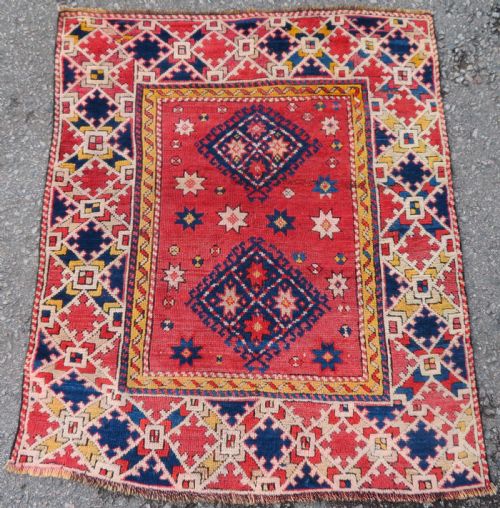
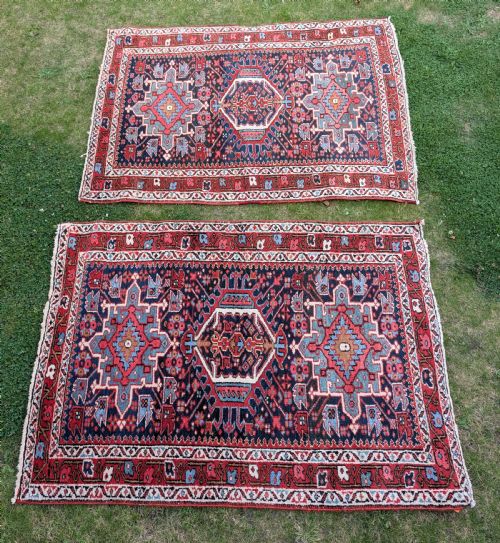
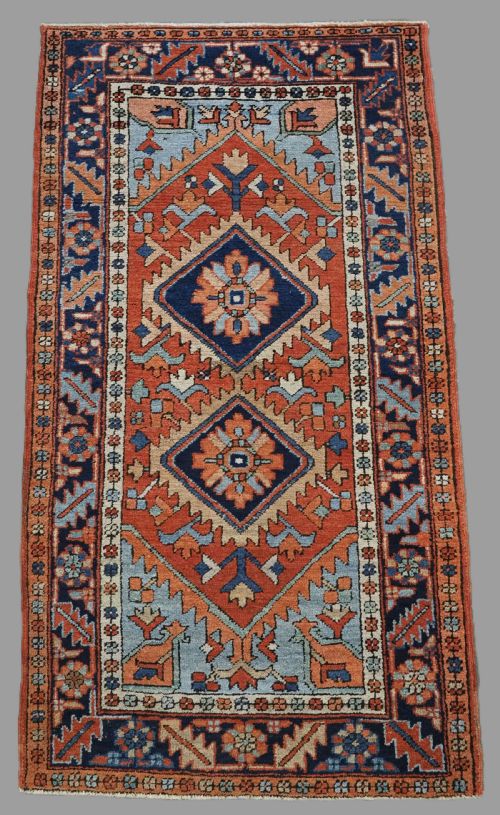
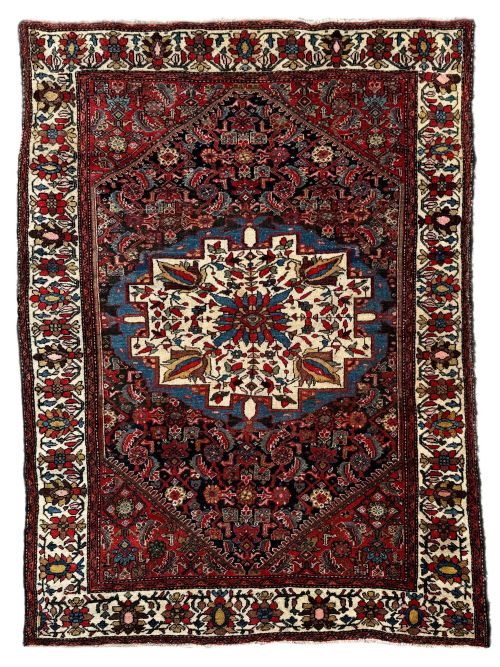
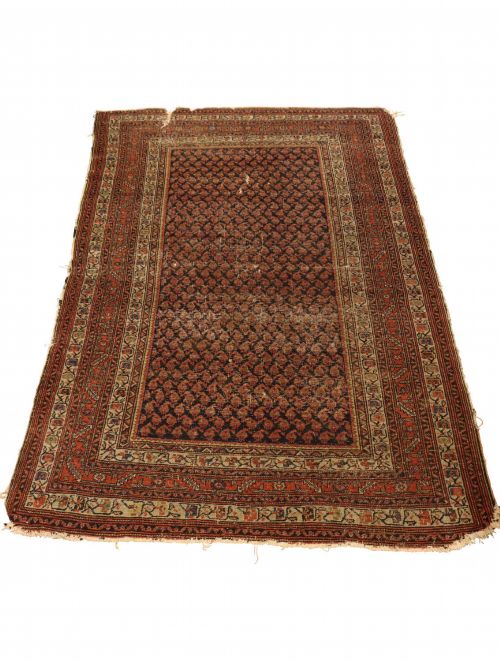
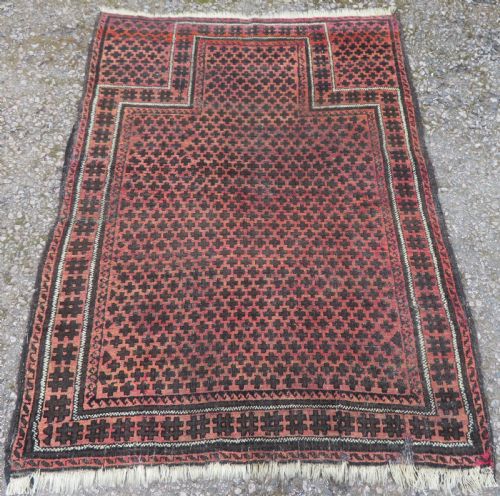
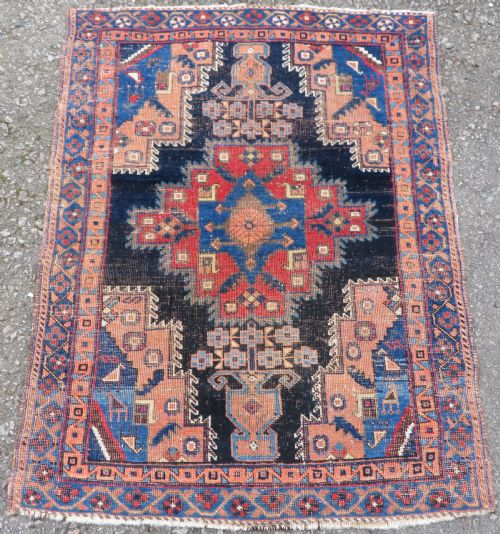
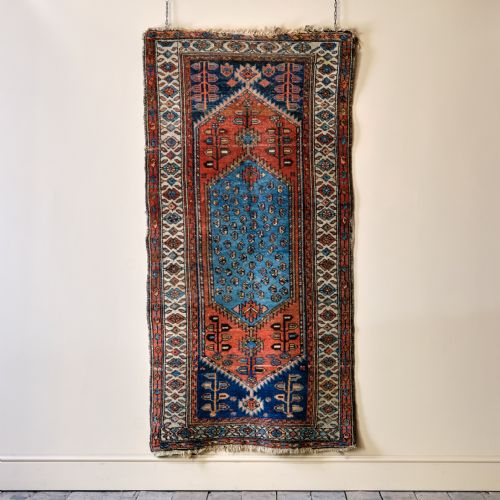
Buyers will encounter regional forms such as Karaja, Heriz, Bergama, Oushak, and Baluch rugs, often scaled appropriately for hearth placement. These pieces combine practical floor protection with intricate geometric or medallion designs woven by hand.
The materials reflect traditional regional practices, employing wool, hand-spun wool, and camel wool, frequently built upon a cotton warp. Each piece carries the distinct aesthetic of its origin, from nomadic tribal motifs to refined Persian city patterns.
How they were made
Traditional hearth rugs rely on hand-knotting techniques executed with natural fibres, predominantly wool and hand-spun wool secured on cotton warp foundations. Camel wool also appears in specific tribal pieces, contributing a characteristic rustic texture and natural tone.
Weavers utilised natural dyes to achieve deep colour palettes, creating enduring hues that settle gracefully over decades of light and wear. The structure of the pile varies according to origin, balancing dense city knots with coarser tribal weaves.
A rustic Baluch rug woven with camel wool offers a delightfully scratchy reminder of nomadic life beside a modern fireplace.
What varies in quality
Quality in a traditional hearth rug rests upon the density of the knotting, the fineness of the wool, and the clarity of the design execution. Tightly knotted pieces maintain their structural integrity and pile depth far longer under foot traffic.
The depth and nuance of the colour palette also distinguish finer examples, as well-balanced natural dyes create rich visual harmony. Regional provenance and the precision of geometric or curvilinear patterns further separate standard village pieces from superior works.
The Traditional Hearth Rug Glossary
- Warp
- The vertical threads stretched upon a loom that form the foundational skeleton of a rug, onto which the knots are tied. Cotton warp threads provide strong structural stability.
- Pile
- The upright cut ends of the yarn that form the usable surface of the rug. A thick pile offers greater cushioning before a fireplace.
- Medallion
- A central ornamental motif set into the middle of the field. Many regional rugs feature geometric or star medallions.
- Prayer rug
- A small format rug featuring a mihrab or arch design indicating a niche. These were traditionally used for individual prayer.
- Boteh
- A stylised almond or paisley motif representing a floral shoot or cypress tree. This pattern appears frequently across Persian and regional weaving.
Traditional Hearth Rug: Frequently Asked Questions
What is a traditional hearth rug?
A traditional hearth rug is a small-scale antique floor covering specifically suited in size for placement in front of a fireplace. These pieces originate from Persian, Anatolian, and tribal weaving regions.
They combine practical warmth with decorative patterns, utilising durable wool pile constructions dating from the nineteenth and early twentieth centuries.
How do I choose the right size?
Measure the hearth space carefully to ensure the rug fits comfortably without extending too far into the main room traffic. Traditional hearth rugs generally measure in smaller formats that sit neatly on the floorboards before a hearth.
Consider the clearance needed for fire safety and furniture placement when selecting dimensions from the available nineteenth and early twentieth-century pieces.
Are these rugs suitable for daily use?
Most antique wool rugs withstand normal domestic foot traffic when placed in low-impact areas like a hearth. The natural resilience of wool fibre provides enduring strength for everyday living.
Using an appropriate underlay helps protect the historic cotton warp and prevents slipping on hard flooring surfaces.
How do I identify different regional styles?
Regional styles reveal themselves through distinct colour palettes, border arrangements, and central motifs like medallions or all-over boteh patterns. For instance, pieces from Heriz and Karaja display bold geometric structures.
Comparing structural details, knot density, and materials such as camel wool or hand-spun yarn helps distinguish Persian village workshops from Anatolian or Caucasian examples.