




Tribal Flatweave Runner
When you unfold a tribal flatweave runner, you hold centuries of nomadic craft shaped by hands across Persia, Anatolia, and Central Asia.
Tribal Flatweave Runner
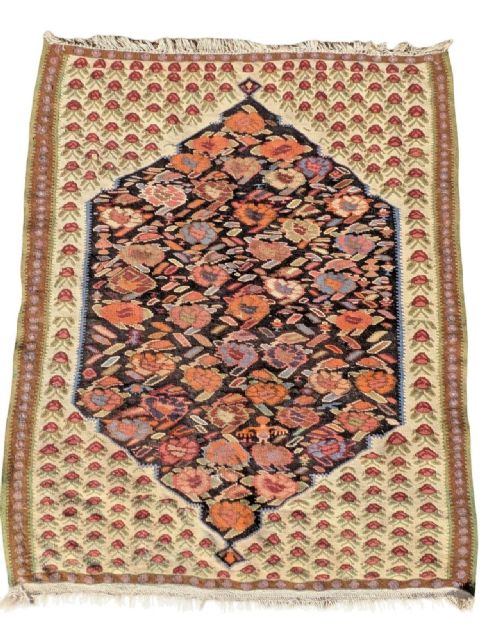
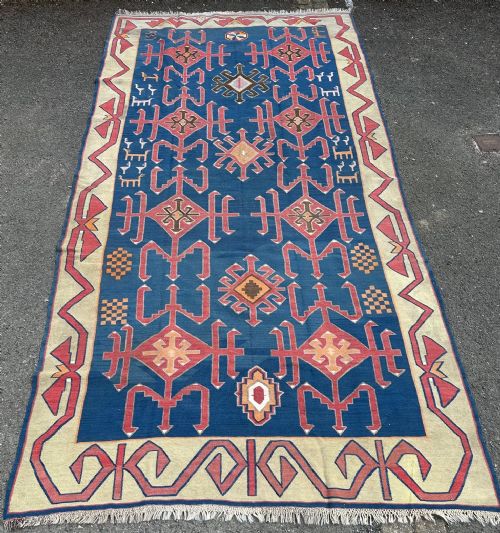
A tribal flatweave runner brings long, narrow proportions and geometric patterns into a space, originating from nomadic and village workshops. These floor coverings and utility textiles stem from traditions spanning the nineteenth and twentieth centuries across regions like Persia, the Caucasus, and Anatolia.
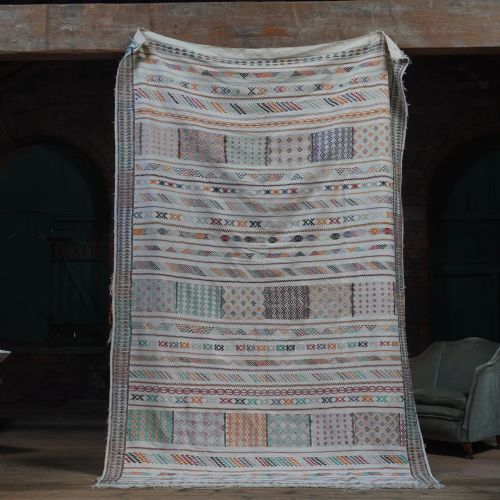
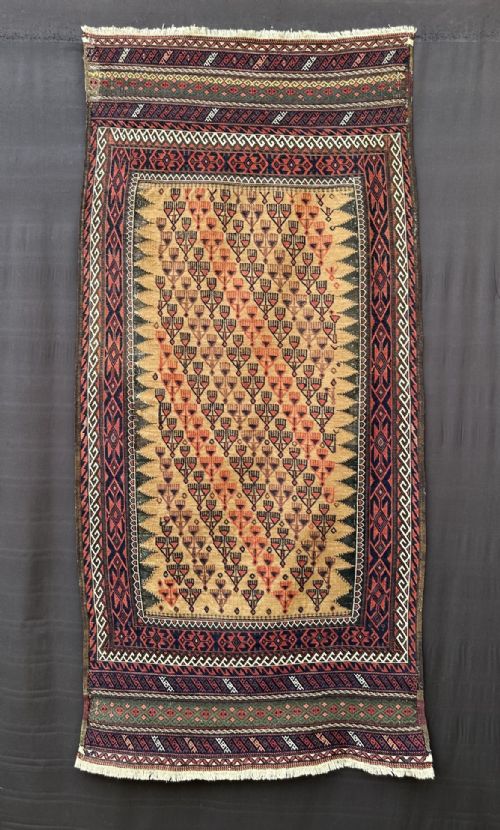
Makers produced these elongated textiles for specific domestic functions, including corridor flooring, tent bands, and dining sofreh cloths. The selection ranges from Turkish Malatya examples to Afghan Baluch and Uzbek gajeri panels.
The format provides linear visual interest through repeated motifs, banded designs, and chevron patterns. Each piece reflects the specific tribal identity and regional weaving methods of its origin.
Materials and construction methods
Weavers relied principally on wool, cotton, and hand-spun wool, often combined with camel wool or natural dyes for depth of colour. Certain Moroccan pieces incorporate sabra fibre and cactus silk for distinct texture.
The construction relies on flat-weaving techniques without a pile, creating a durable, lightweight textile. Many larger formats were constructed in multiple strips or parts and joined together to achieve the desired runner proportions.
Tribal Flatweave Runner Retail Price Guide 2026
Typical asking prices for tribal flatweave runner among the pieces listed under this phrase on Sellingantiques today, from the lower quarter to the upper quarter. They describe what is for sale here now, not the wider market.
Listings feature pieces spanning the 1850s to the 1940s, utilising wool, cotton, camel wool, and natural dyes.
Factors that separate examples
Quality rests in the tightness of the weave, the clarity of the graphic design, and the integrity of the natural dyes. Finer weaves and complex banded compositions require greater skill from the artisan.
The preservation of the original edges, structural joins in multi-part pieces, and the stability of the wool foundation determine the endurance of the textile.
The Tribal Flatweave Runner Glossary
- Flatweave
- A textile produced without knotted pile by interinvolving warp and weft threads directly. This technique yields a smooth, thin fabric suitable for floor use or wall hanging.
- Sofreh
- A spread or cloth traditionally used for dining, kneading dough, or serving food in Persian households. These utilitarian textiles frequently feature striking geometric borders.
- Warp
- The stationary vertical threads stretched on a loom before weaving begins. The weft threads pass horizontally through these foundational strands.
- Weft
- The horizontal threads passed through the warp to create the pattern and fabric body. In flatweaves, the weft completely covers the warp to display the design.
- Kilim
- A tapestry-woven carpet or rug made across the Balkans, Middle East, and Central Asia. They are prized for their sharp geometric motifs and absence of pile.
Tribal Flatweave Runner: Frequently Asked Questions
Where were these runners woven?
Weavers produced these textiles across nomadic and village communities in Persia, the Caucasus, Anatolia, and Central Asia. Each region developed distinct colour palettes and geometric vocabularies.
Tribes such as the Baluch, Qashqai, and various Uzbek groups utilised local materials to create pieces suited to their domestic environments.
How were flatweave runners used originally?
Nomadic and village families used these elongated textiles inside tents and houses as floor coverings, corridor runners, or storage covers. Some narrow formats served as decorative tent bands.
Other examples functioned as sofreh cloths for dining or food preparation within the household, reflecting daily domestic routines.
How do I care for a flatweave runner?
Protect the textile by placing a quality rug underlay beneath it to prevent slipping and reduce friction against hard floors. Vacuum gently using suction only, avoiding rotating brush attachments that can catch the weave.
Rotate the runner periodically to ensure even wear from foot traffic and sunlight exposure. Professional cleaning by a specialist in antique textiles is recommended when necessary.
How can I tell regions apart?
Regional attribution relies on the specific structural characteristics, colour combinations, and geometric motifs present in the weave. Caucasian pieces often display sharp, crisp polygons, while Persian tribal work frequently utilises rich, deep tones.
Central Asian and Anatolian examples introduce distinct banded layouts and tribal symbols passed down through generations.