



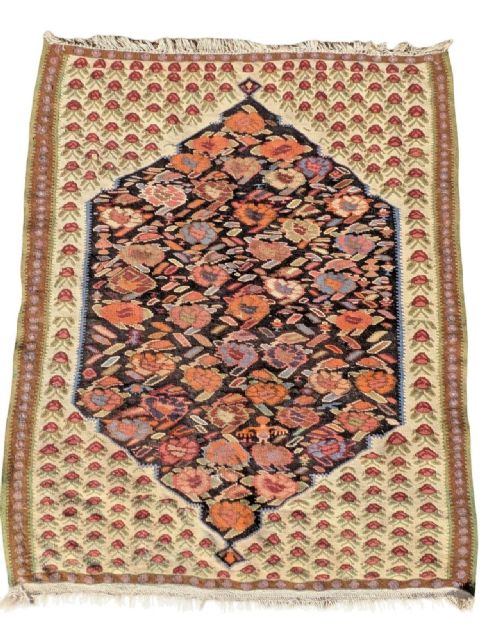
Floral Oriental Rug
A floral oriental rug brings deep historical texture and botanical patterns into a room, spanning traditions from Persia to the Ottoman lands.
Floral Oriental Rug
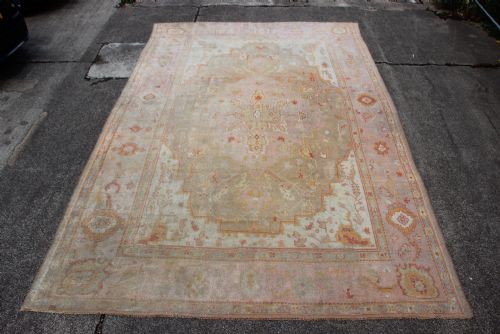
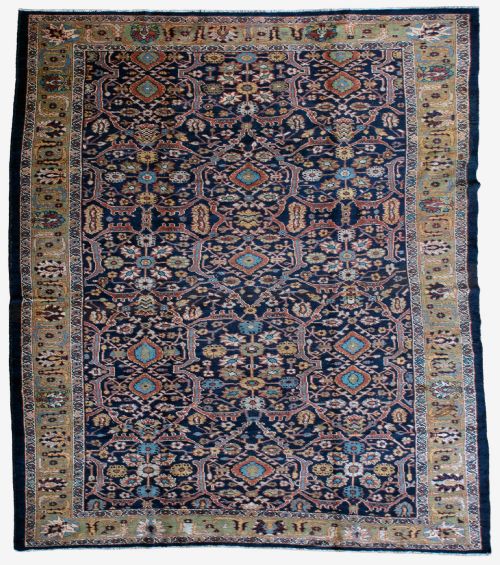
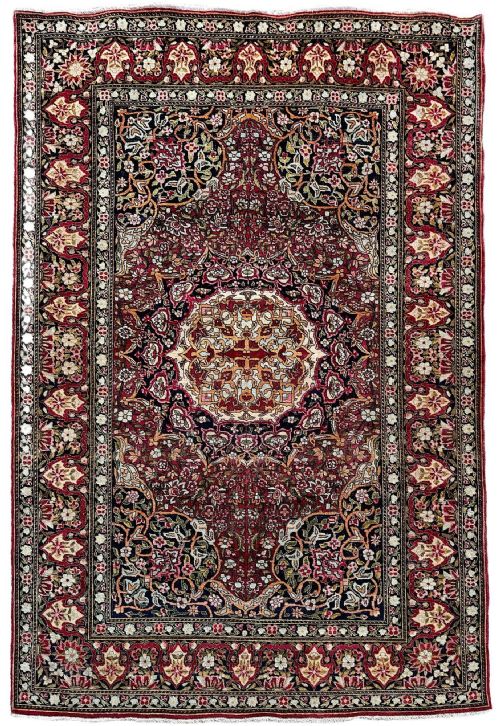
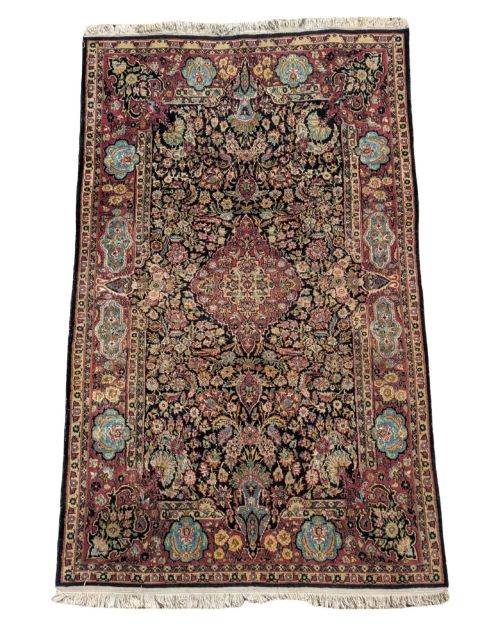
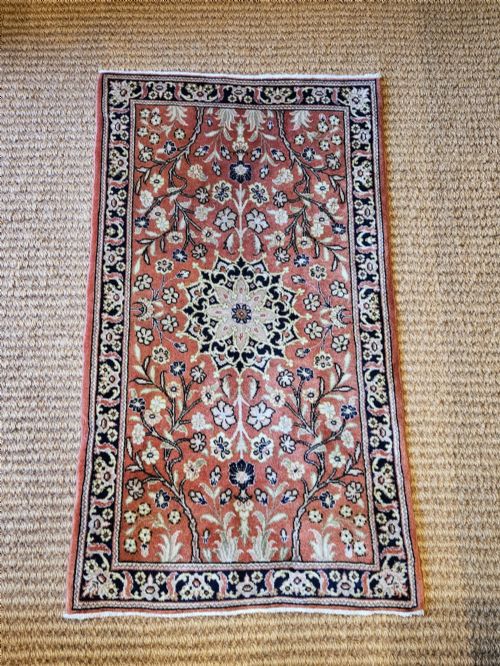
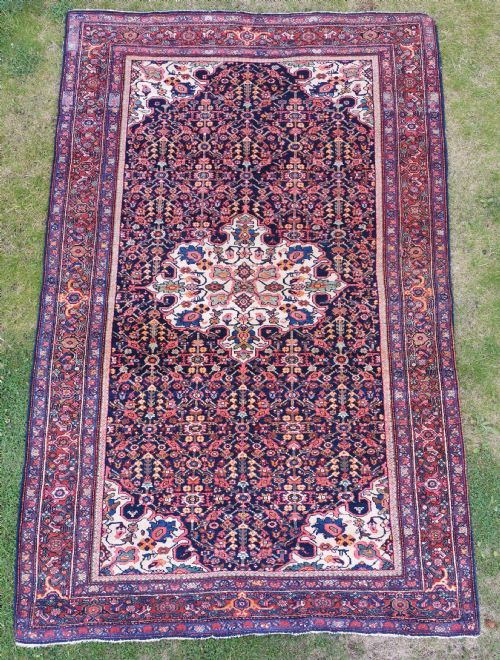
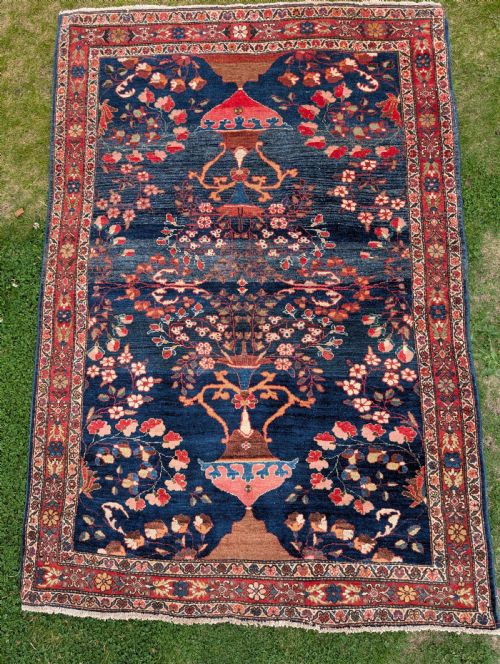
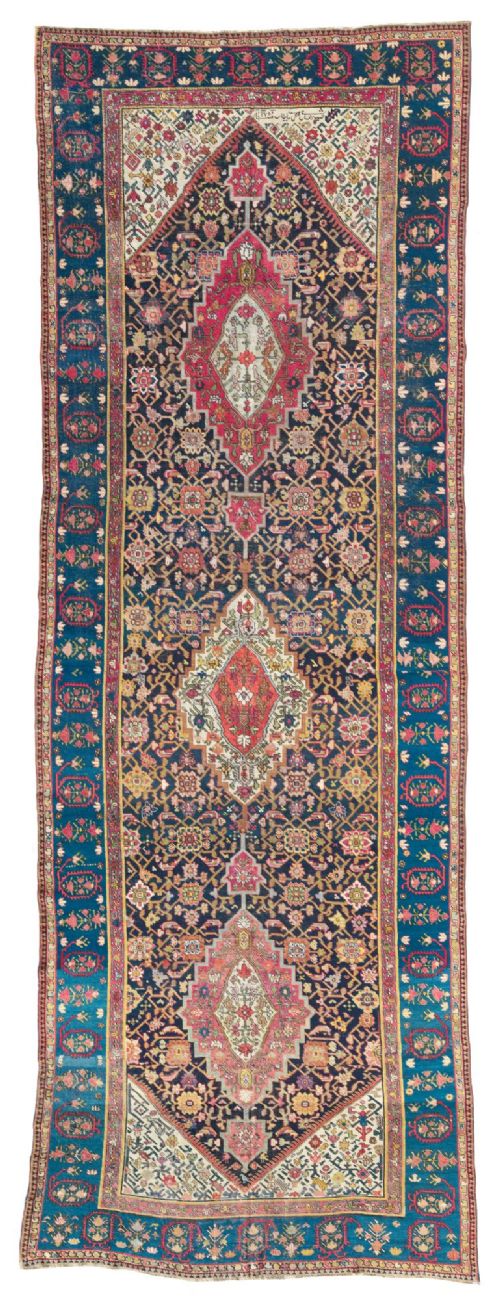
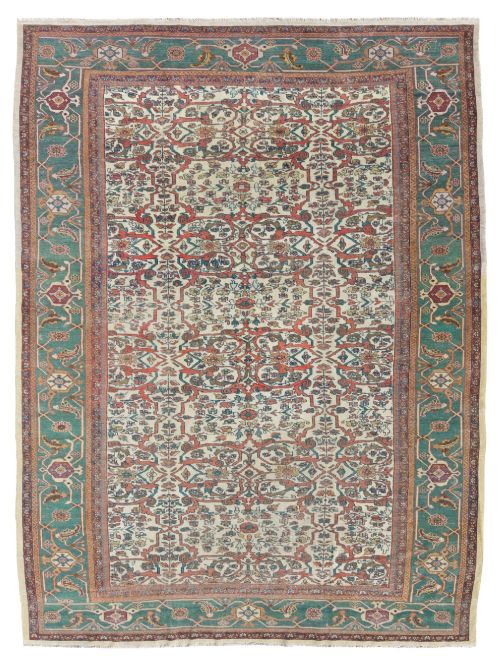
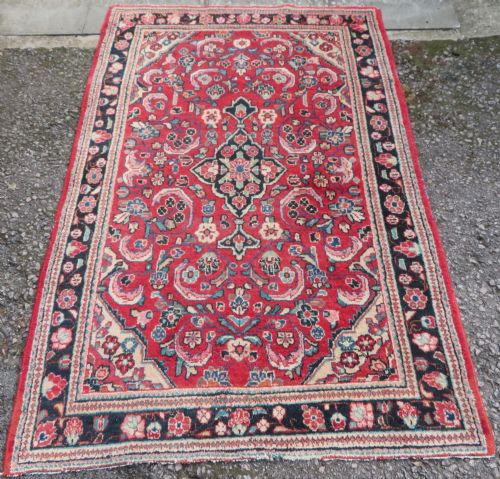
When you search for a floral oriental rug, you encounter hand-knotted and woven floor coverings that date from the mid-nineteenth century through the early twentieth century. The selections available encompass village formats such as Bakhtiar, Heriz and Karabagh, alongside grand urban carpets originating from centres like Tabriz, Isfahan and Sultanabad.
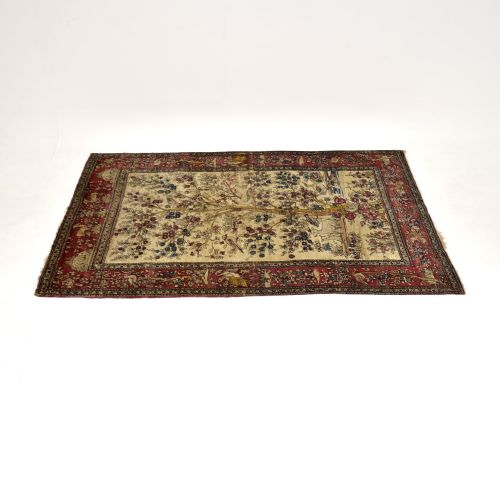
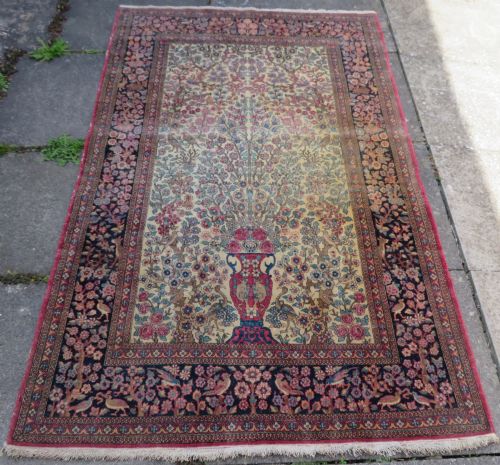
You are most likely to meet room-sized carpets and smaller area rugs featuring traditional botanical motifs, lattice patterns and tree-of-life designs. These pieces originate predominantly from Persian, Caucasian and Ottoman workshops, rendered in formats ranging from hearth-sized runners to expansive estate carpets.
How they were made
These textiles rely on foundations of spun wool and cotton, providing the structural grid for intricate pile knots. Certain examples incorporate delicate silk highlights or metallic thread to accentuate specific botanical details within the weave.
Weavers constructed each piece by hand on vertical or horizontal looms, utilising natural dyes to achieve rich colour palettes that endure across decades. Embroidery techniques also appear in specific textile fragments and wall hangings from Ottoman traditions.
The listings span periods from the eighteen-fifties through the nineteen-thirties, featuring wool, cotton, silk and metallic thread materials.
What varies in quality
Knot density and the precision of the botanical drawing dictate the upper echelon of these textiles. Finer examples display meticulous execution in curvilinear floral vines and well-balanced medallions.
The choice of materials influences the overall character, where pure wool foundations paired with silk highlights or fine cotton warps demonstrate superior craftsmanship by master weavers in established regional workshops.
Saroukh Mahal·Bakhtiar·Oushak·Isfahan·Tabriz
The Floral Oriental Rug Glossary
- Pile
- The upright yarn loops that form the tactile surface of a rug. It determines the plushness and depth of the pattern.
- Warp
- The vertical threads stretched tightly on the loom before weaving begins. The horizontal weft threads pass through these to secure the knots.
- Medallion
- A symmetrical ornamental motif placed at the centre of the field. It serves as the primary focal point of many traditional carpet designs.
- Kelleh
- A long, narrow format of carpet traditionally used alongside larger room-sized carpets in Persian interiors.
- Suzani
- A type of embroidered textile originating from Central Asia, often featuring bold floral and architectural designs.
Floral Oriental Rug: Frequently Asked Questions
How do I identify a Heriz rug?
Heriz rugs typically present large, geometric central medallions combined with bold botanical corners. Their construction tends to be robust, utilising sturdy wool suited for high-traffic areas.
Look for distinctive angular floral motifs that separate them from the more curved, fluid designs found in urban Persian counterparts like Tabriz or Isfahan.
What is a tree of life design?
The tree of life design depicts a stylized tree branching upwards, often flanked by birds, flowers and foliage. This motif symbolizes eternal life and growth in traditional textile artistry.
Originating from classical Persian traditions, these depictions appear on both room-sized carpets and smaller hearth rugs.
Are these rugs suitable for daily use?
These antique floor coverings were built using durable natural materials such as wool and cotton on sturdy foundations. They withstand normal foot traffic when paired with a quality rug pad.
Placing them in moderate traffic areas allows the textiles to be enjoyed daily while preserving their historical integrity.
How can I tell the age of a rug?
Age is indicated by the dye palette, weave structure, wool quality and stylistic conventions characteristic of specific historical decades. Pieces from the nineteenth century often show softer, naturally muted colour variations.
Examining the back of the rug reveals knot regularity and foundation wear that help distinguish older village productions from later twentieth-century weaving.