


Traditional Accent Rug
These woven floor coverings, sought after as a traditional accent rug, bring centuries of regional dyeing and knotting traditions into modern rooms.
Traditional Accent Rug
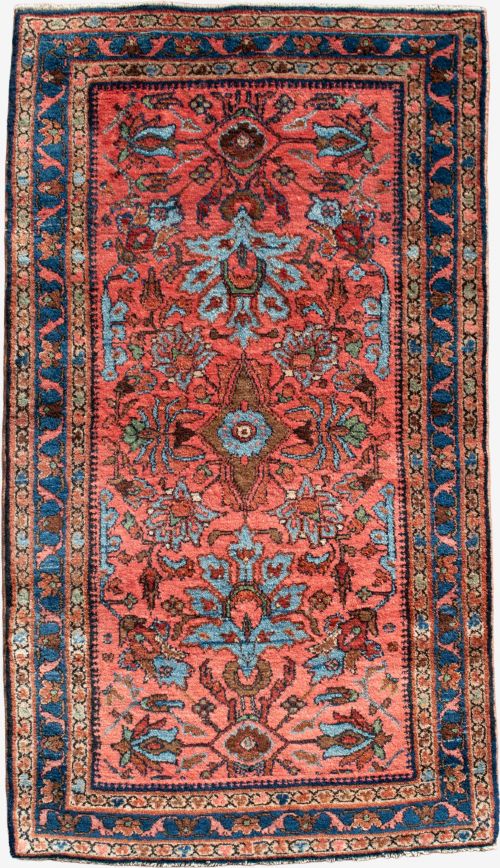
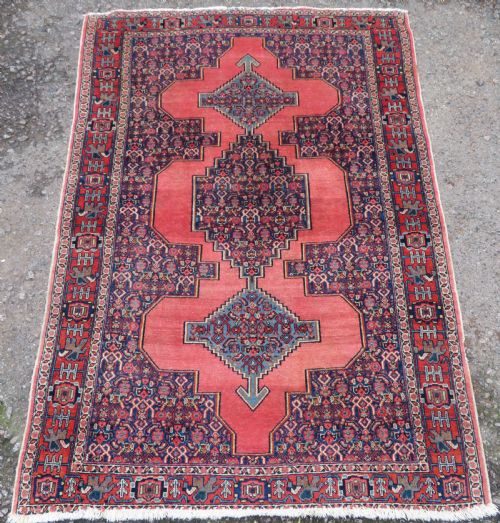
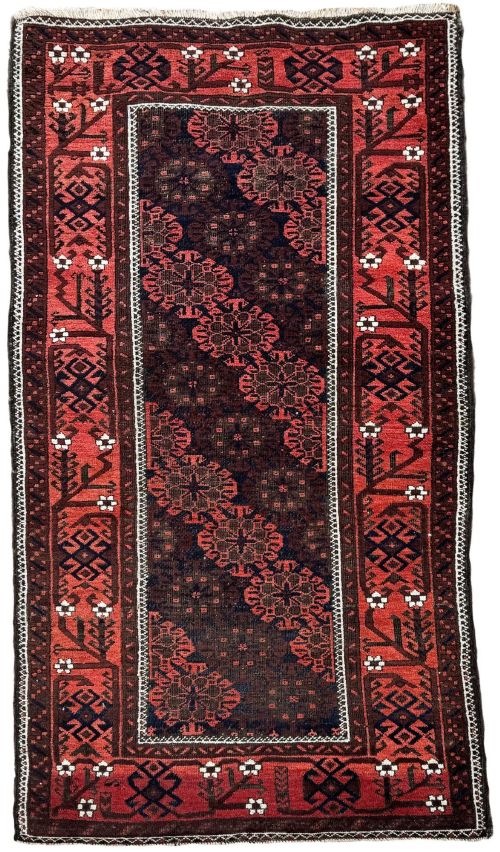
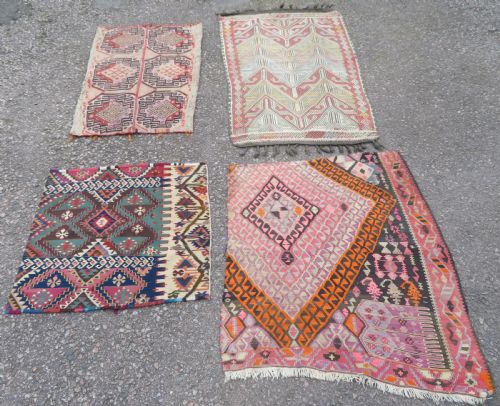
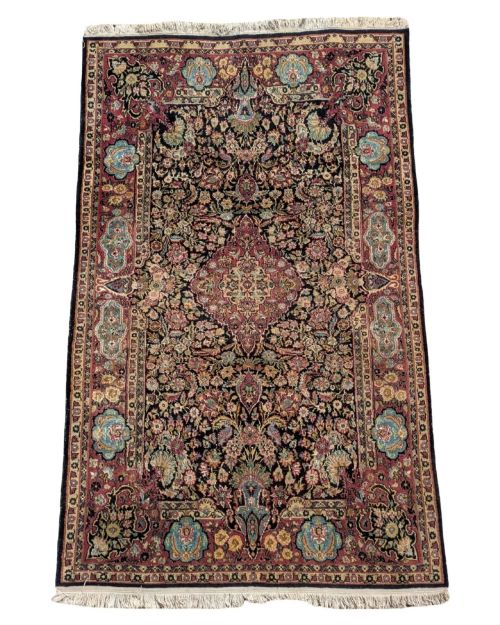
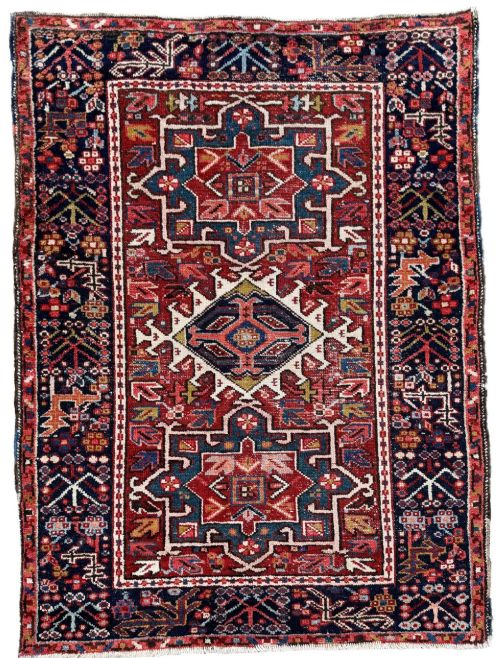
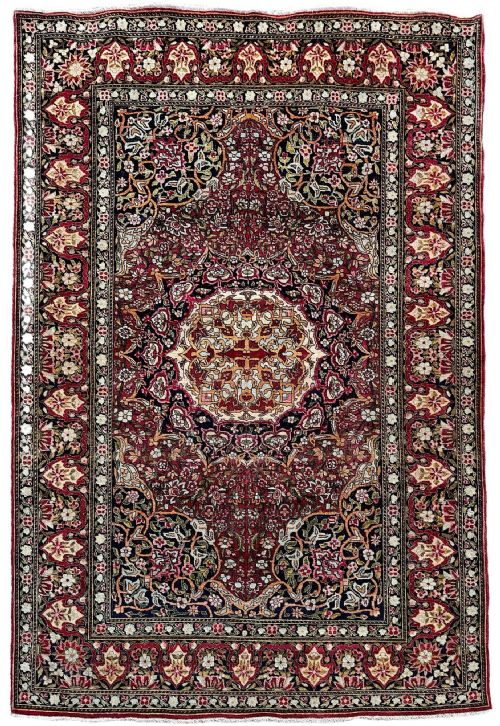
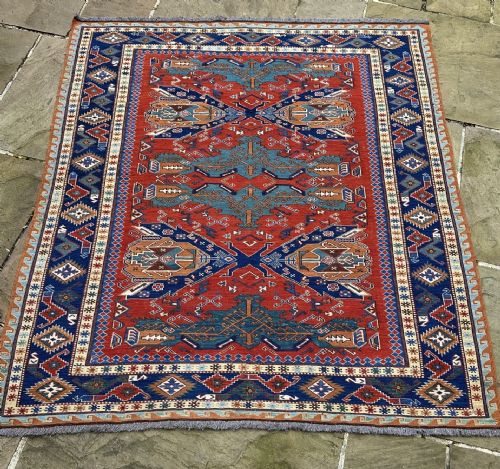
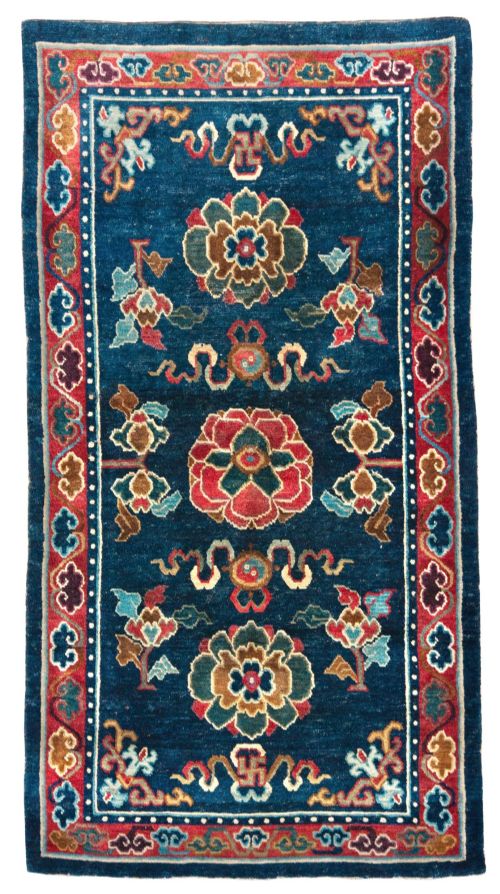
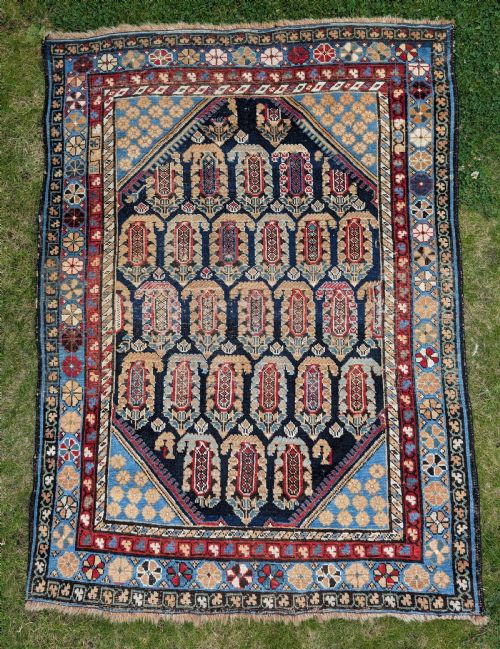
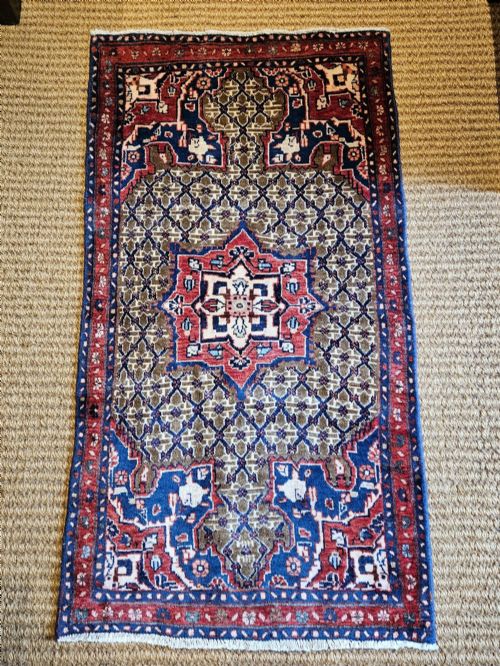
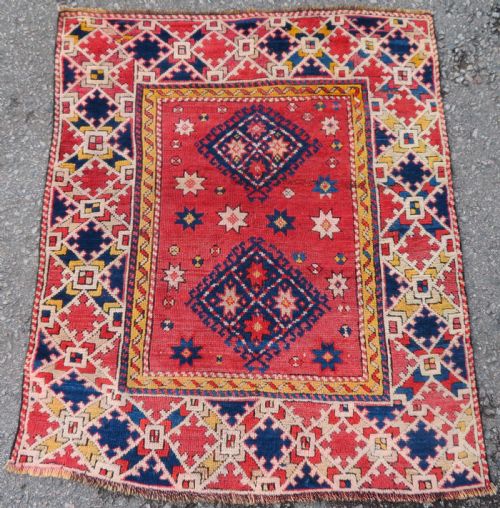
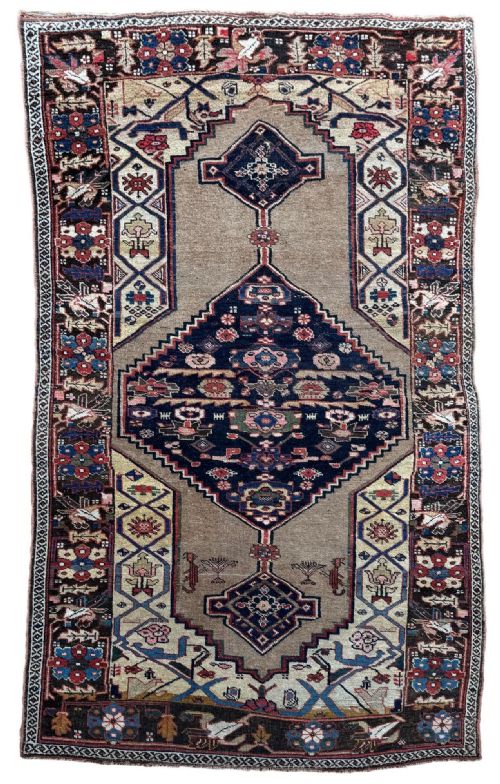
A traditional accent rug spans regional woven floor coverings originating from Persia, the Caucasus, Anatolia, and Tibet, dating from the nineteenth and early twentieth centuries. These works include smaller area formats, hearth-sized runners, prayer rugs, and flatweaves designed for specific domestic functions.
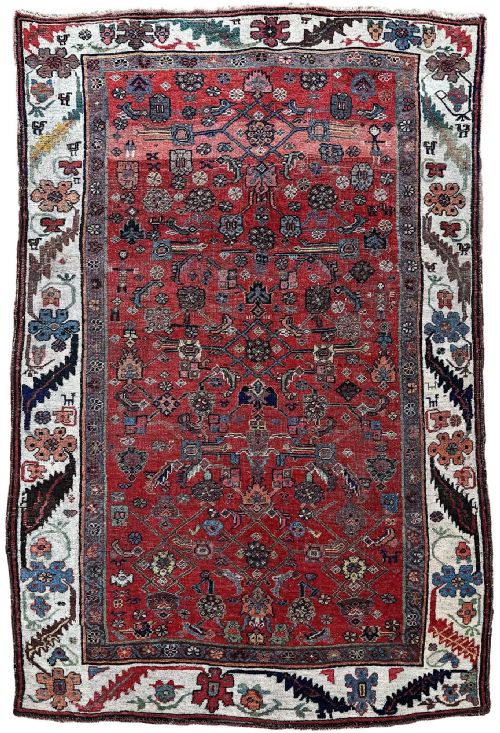
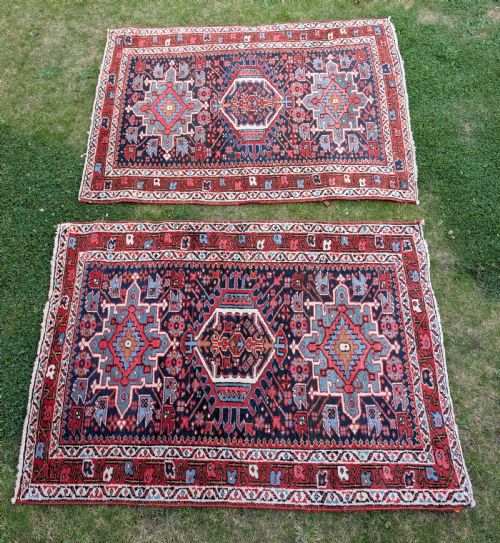
Most entries on this page comprise village and tribal productions such as Heriz, Karaja, Bidjar, and Belouch pieces, which rely on geometric motifs and characteristic village palettes. Buyers also encounter nomadic Gabbeh pieces and Anatolian tribal flatweaves alongside occasional silk-highlighted town carpets.
How they were made
Construction typically combines hand-spun wool pile knotted onto cotton or wool foundation warps, utilising natural dyes derived from plants and insects to achieve enduring depth of tone. Certain items employ flatweave techniques or incorporate velvet and silk highlights.
Weavers worked on vertical or horizontal upright looms, employing symmetrical or asymmetrical knots depending on regional provenance. The resulting textiles rely on tight packing of the wool weft to create a durable floor covering.
Traditional Accent Rug Retail Price Guide 2026
Typical asking prices for traditional accent rug among the pieces listed under this phrase on Sellingantiques today, from the lower quarter to the upper quarter. They describe what is for sale here now, not the wider market.
Old village weavers occasionally inserted deliberate small colour errors into their rugs to ward off the evil eye.
What varies in quality
Quality separates along the fineness of the knot count, the precision of the geometric or floral cartoon, and the integrity of the original foundation materials. Superior pieces display crisply rendered motifs and balanced proportions.
The complexity and stability of the natural dye palette heavily influence standing, where variations in wool quality dictate how well the pile retains its lustre and crispness under foot.
The Traditional Accent Rug Glossary
- Warp
- The vertical threads stretched across the loom before knotting begins, forming the structural foundation of the textile. These threads often show at the fringed ends of the carpet.
- Weft
- The horizontal strands passed through the warp threads after each row of knots to bind the structure firmly together. Tightly beaten wefts contribute to the firmness of the rug.
- Pile
- The cut ends of the yarn that stand upright from the foundation to form the usable surface of the rug. Its height and density vary according to the regional weaving traditions.
- Medallion
- A prominent central ornamental design motif placed in the middle of the field. Many village rugs feature geometric or star-shaped versions of this central element.
- Flatweave
- A textile constructed without a raised pile by interlacing warp and weft threads directly. Kilims and Soumaks belong to this structural group.
Traditional Accent Rug: Frequently Asked Questions
How do I place a small rug in a room?
These compact formats suit entryways, hearths, or small seating groups where they define a specific zone without dominating the floor space. They work effectively placed over larger neutral carpets or directly on bare timber flooring.
Allowing sufficient surrounding floor perimeter lets the geometric patterns act as focal points. Avoid placing them in high-traffic corridors where excessive friction might accelerate pile wear.
How do I distinguish regional weaving styles?
Regional attribution relies on identifying specific structural traits, knot types, and characteristic colour palettes within the field. Heriz and Bidjar pieces often display robust geometric medallions, while Caucasian examples favour sharper, compartmentalised motifs.
Familiarising yourself with the typical border designs and secondary motifs of different towns and tribes helps clarify origins. The handle and stiffness of the woven foundation also offer clues to the workshop source.
How should I clean an antique rug?
Routine maintenance requires gentle vacuuming without the rotating brush bar to prevent snagging the wool pile. Professional specialist cleaning remains essential for removing embedded grit safely without disturbing natural dyes.
Avoid chemical spot treatments or saturated home washing methods, which can cause dye migration across the foundation. Promptly attending to spills with dry blotting protects the integrity of the natural fibres.
Why do natural dyes matter?
Natural dyes derived from madder, indigo, and other plant sources develop a mellow patina and harmonious tonality as they age. Synthetic dyes introduced later can sometimes fade unevenly or lack the subtle variations found in older colour batches.
Appreciating these botanical colours involves observing how different light sources reveal nuanced shifts across the wool pile. This tonal depth forms a key indicator of nineteenth and early twentieth-century production.