

Small Carpet
A small antique carpet brings rich pattern and enduring floor-level history into compact spaces through time-tested weaving traditions.
Small Carpet
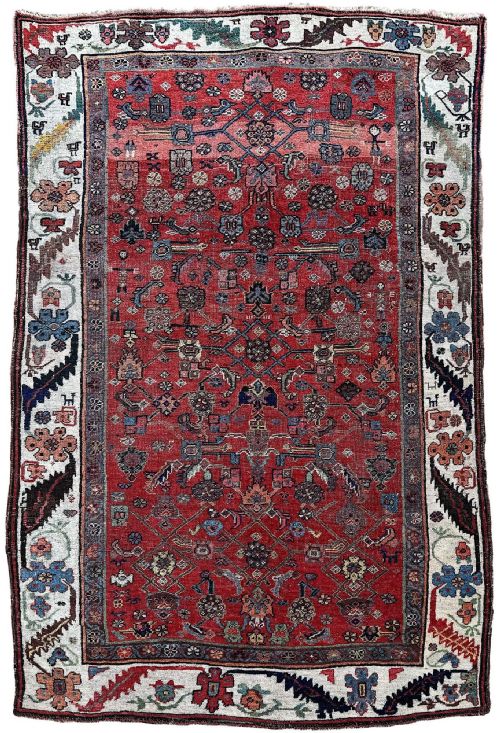
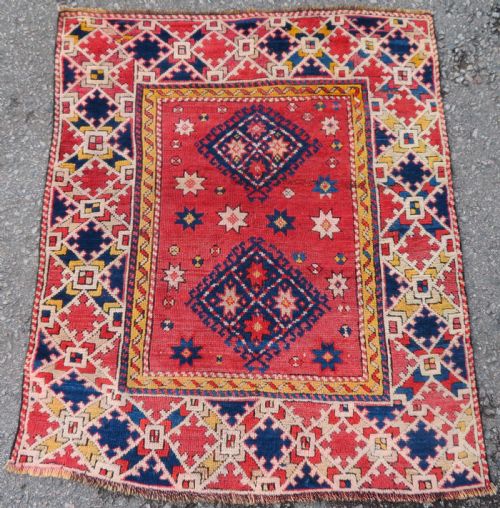
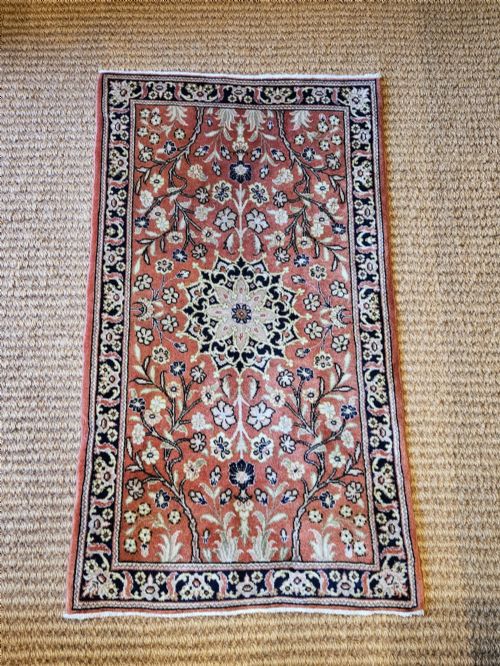
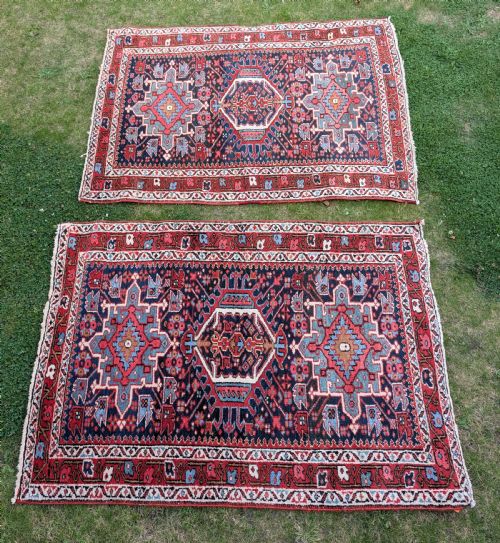
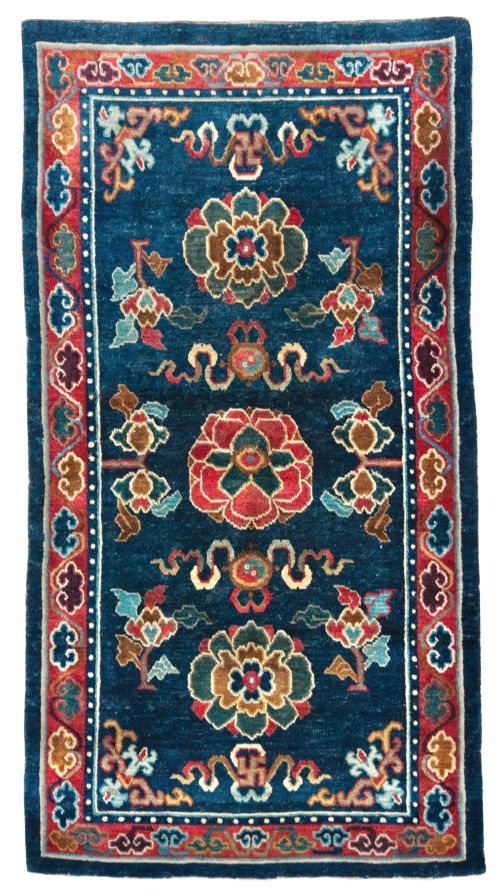
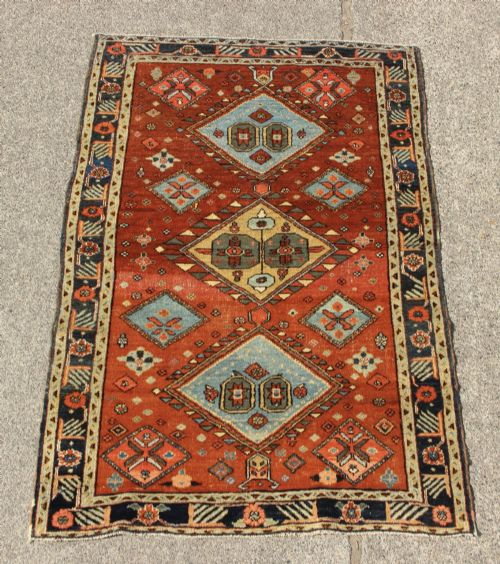
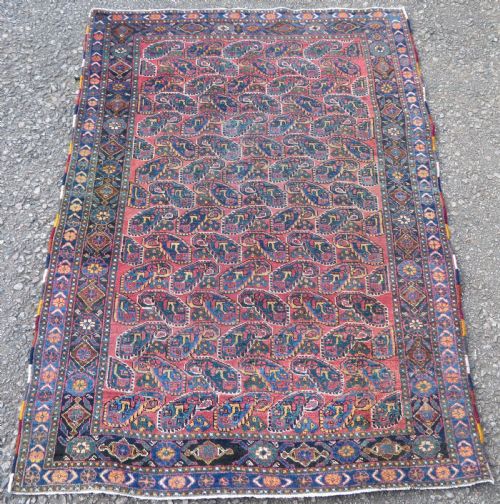
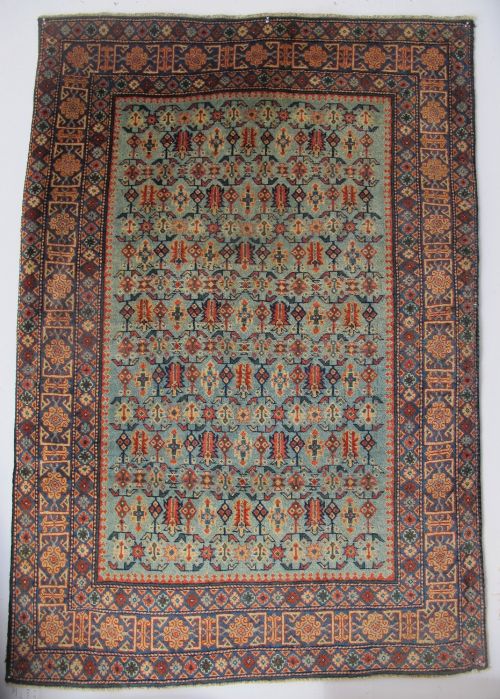
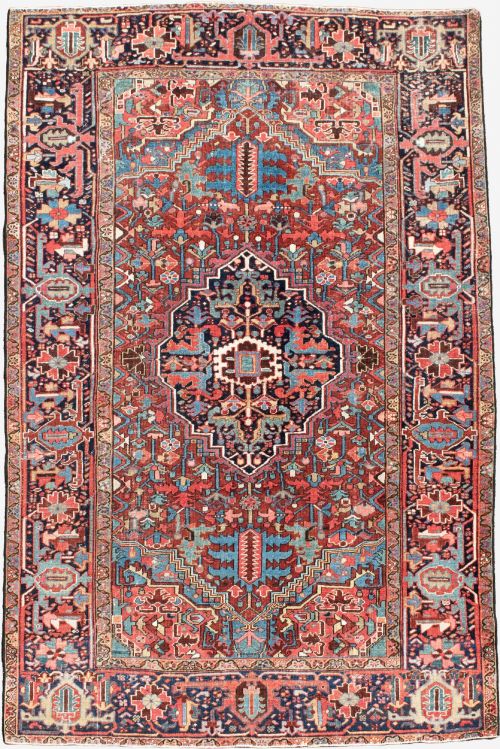
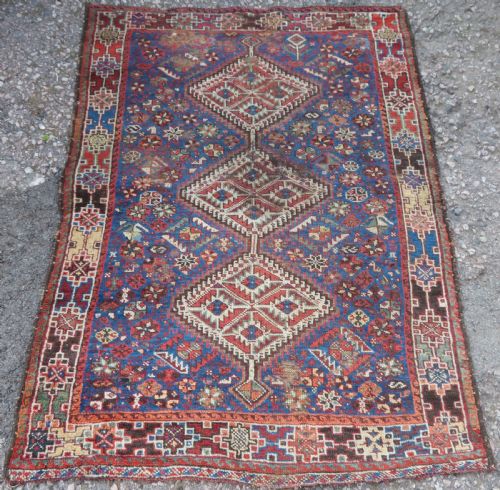
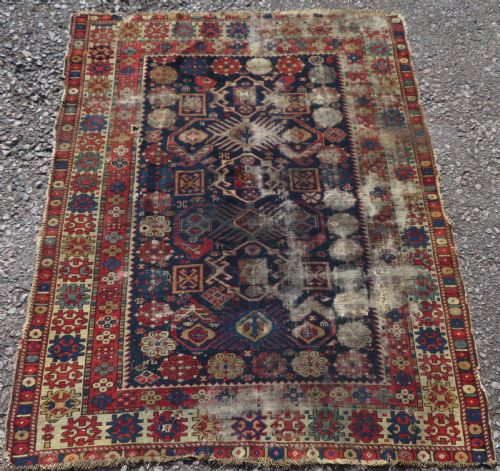
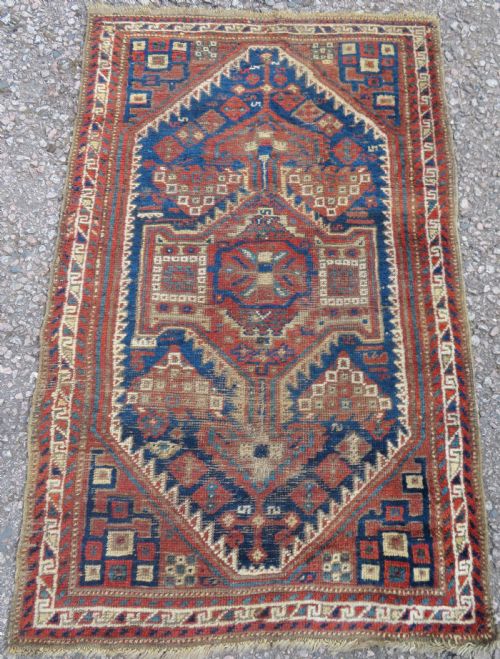
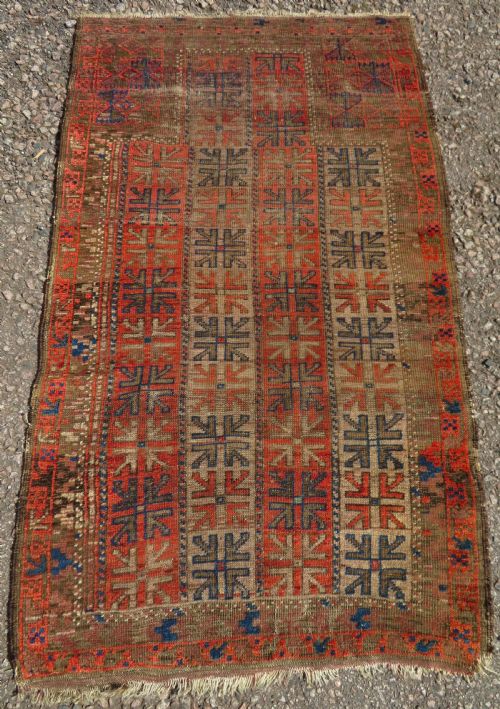
A small antique carpet embodies centuries of regional weaving traditions, offering compact floor coverings and decorative formats for domestic spaces. When exploring this selection, buyers frequently encounter Persian Heriz and Bidjar rugs alongside Caucasian, Anatolian, and Turkmen tribal pieces.
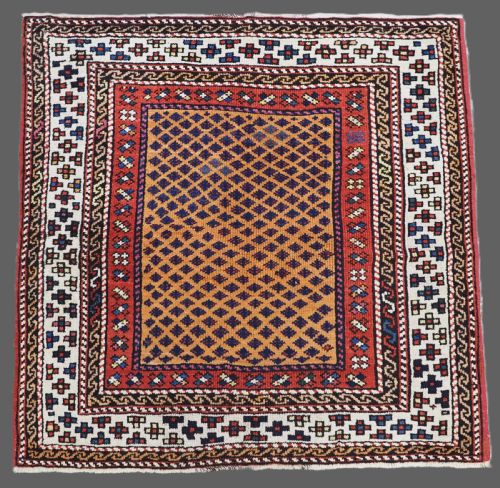
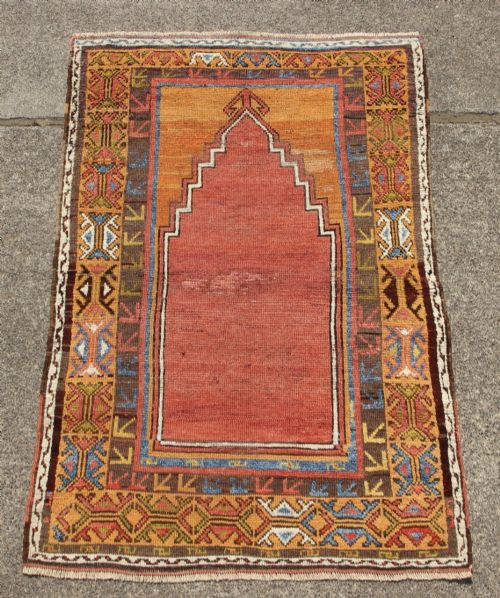
These floor coverings span the nineteenth and early twentieth centuries, capturing authentic village, nomadic, and workshop production methods. The inventory ranges from room-size formats and area rugs down to prayer rugs and square mats.
Originating across Persia, Turkey, Central Asia, and the Caucasus, each small antique carpet reflects the distinct aesthetic vocabulary of its maker's homeland. Whether discovering a tribal runner or a medallion design, buyers acquire a functional textile rooted in historical craftsmanship.
Materials and construction
Makers relied primarily on wool and cotton foundations, utilising hand-spun wool for resilient piles that withstand generations of use. Natural dyes provided the foundational palette, yielding deep, complex tones across village and nomadic workshops.
Weavers knotted these wool piles onto sturdy cotton or wool warp and weft structures using traditional upright looms. This careful construction allowed artisans to execute intricate geometric medallions and lattice patterns with remarkable structural integrity.
Some weavers tucked tiny intentional misalignments into their geometric patterns, ensuring the perfection belonged solely to the divine.
Evaluating quality and execution
Quality rests upon the precision of the knotting and the depth achieved through natural dye use, which together create a vibrant, shifting patina. Finer examples display tight, even foundations and carefully balanced geometric or floral compositions.
The sophistication of the tribal or regional design heavily influences the character of each piece, distinguishing standard village output from master-weaver workshop creations. Integrity of the wool and the overall harmony of the palette remain central to superior examples.
The Small Carpet Glossary
- Warp
- The stationary vertical strings stretched on a loom that form the structural foundation of the carpet.
- Weft
- The horizontal threads passed through the warp yarns to secure the knots in place.
- Gul
- A repeating medallion or octagonal motif often found in Turkmen and Central Asian tribal weaving.
- Prayer rug
- A small textile featuring a mihrab or arch design used traditionally for daily devotions.
- Medallion
- A large central ornamental design motif placed symmetrically in the field of the carpet.
Small Carpet: Frequently Asked Questions
How do I style a small antique carpet?
These versatile pieces work effectively as accent flooring in hallways, studies, or bedrooms where standard room-size rugs overwhelm the floor plan. They also transition smoothly onto walls as textile art.
Allow the natural tones of the wool to anchor the surrounding furniture, complementing both traditional wood finishes and minimalist modern interiors without competing for visual attention.
Where were these small carpets woven?
Production spans numerous historical regions, including Persian towns like Heriz, Bidjar, and Tabriz, alongside nomadic tribal areas in the Caucasus and Anatolia. Central Asian Turkmen groups also contributed distinctive regional formats.
Each originating locale imparted specific colour palettes, structural techniques, and symbolic motifs that help identify the geographic roots of individual pieces.
How do I care for antique wool rugs?
Regular gentle vacuuming without a rotating brush roll prevents dust accumulation within the hand-spun wool pile. Professional cleaning by specialists in antique textiles ensures the natural dyes remain stable.
Positioning a breathable rug underlay beneath the piece prevents slipping and reduces friction between the foundation and the floor during daily use.