



Floral Tribal Carpet
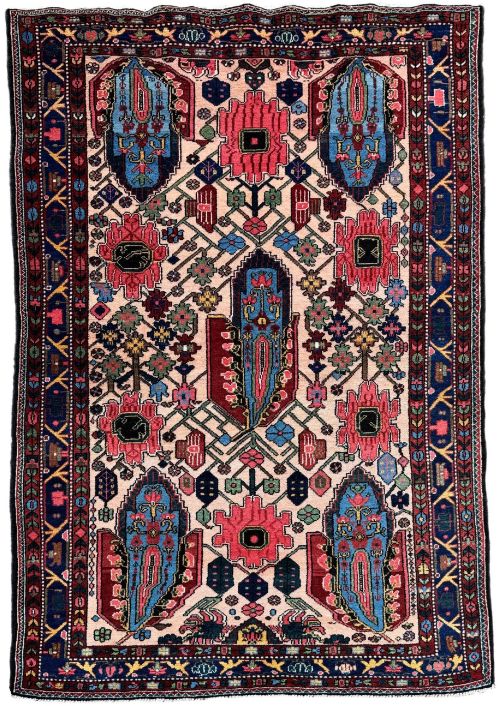
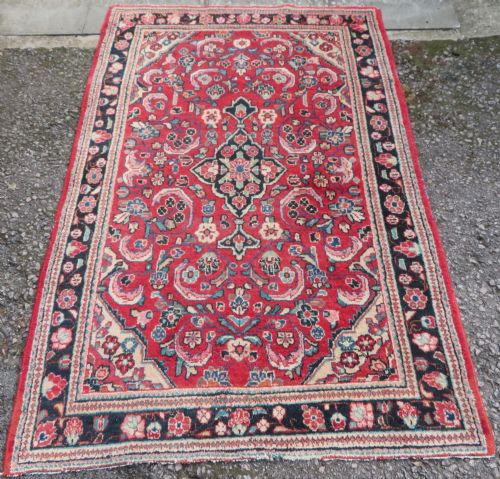
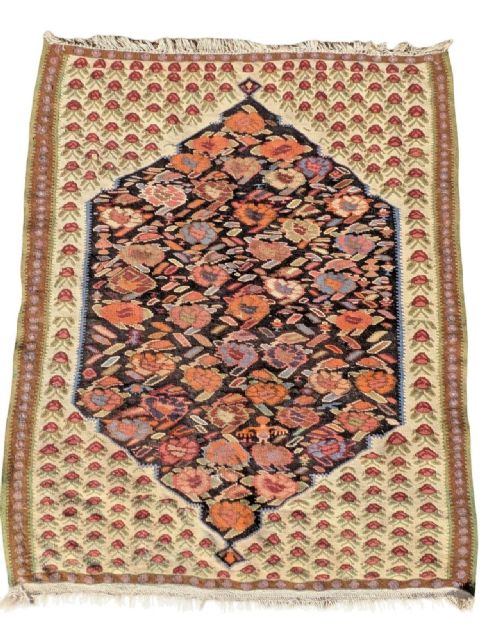
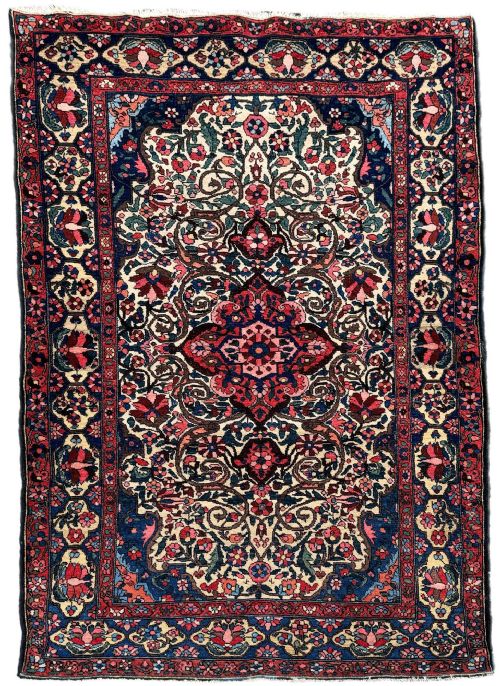
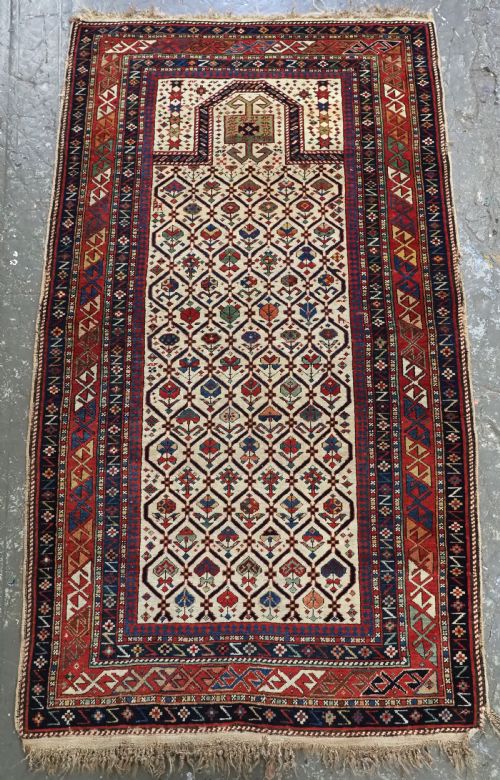
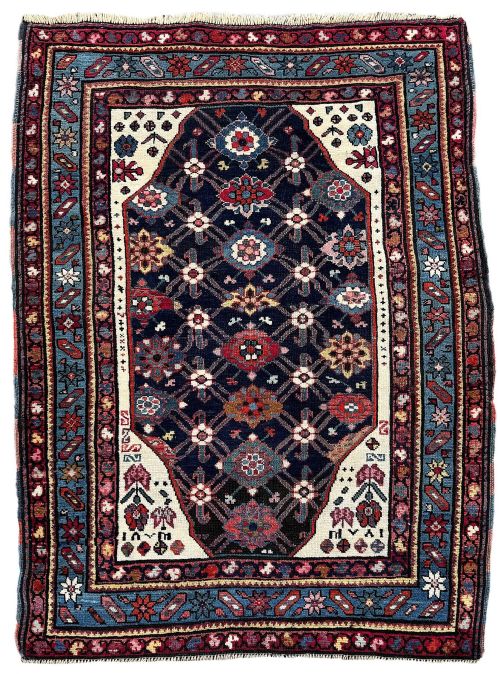
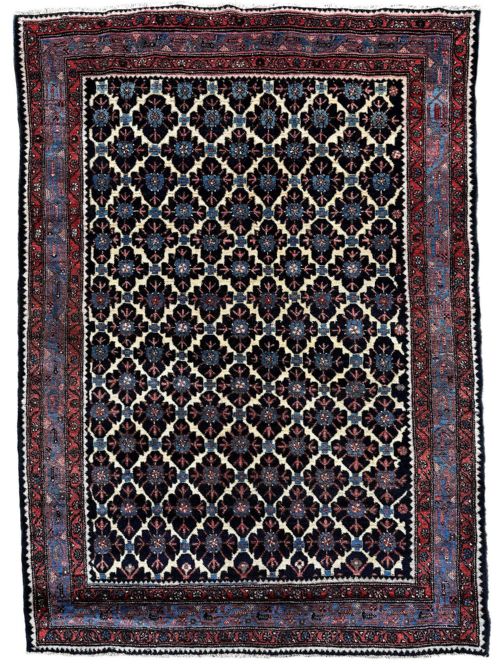
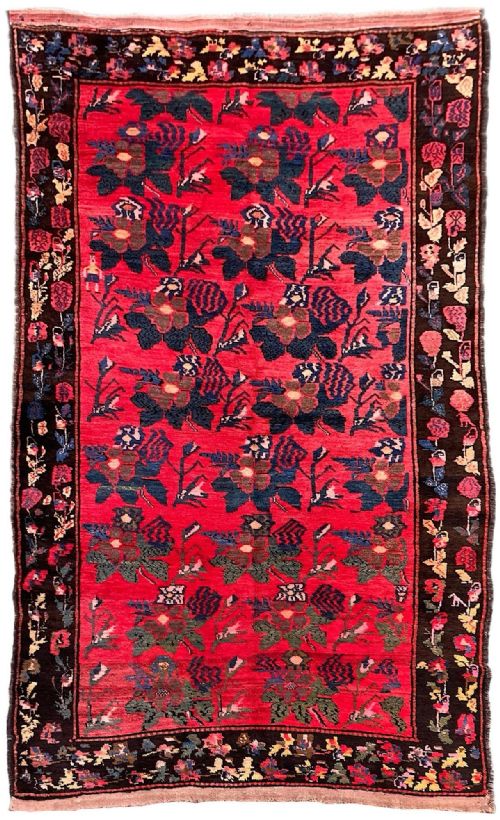
A floral tribal carpet brings rich heritage and character to a room through traditional Persian and Caucasian weaving.
Floral Tribal Carpet
When searching for a floral tribal carpet, buyers encounter hand-knotted floor coverings originating from distinct weaving traditions across Persia and the Caucasus. These pieces span from the mid-nineteenth century to the mid-twentieth century, encompassing village rug production and nomadic formats.
The selection on this page leans heavily into Persian styles such as Bakhtiari, Hamadan, Bidjar and Mahal, alongside Caucasian pieces including Karabagh, Dagestan and Shirvan rugs. Formats range from standard area rugs and long runners to specialised prayer rugs and saddle covers.
Village weavers constructed these carpets using geometric interpretations of floral motifs, floral lattices and medallion designs. The resulting pieces reflect the regional aesthetics of Western Persia, Kurdistan and Caucasian weaving centres.
How they were made
Weavers constructed these textiles primarily using wool for the pile and foundation, often incorporating cotton for warp and weft threads, while occasional examples integrate leather details. Natural dyeing techniques yielded the deep palettes seen across the nineteenth and early twentieth century pieces.
The manufacturing process relied on manual hand-knotting on upright looms, producing dense pile structures designed for durability. Foundation threads were beaten down firmly with heavy combs, locking the wool knots into place to form rigid, long-lasting floor coverings.
Listings feature wool and cotton materials across nineteenth and twentieth century village and nomadic productions.
What varies in quality
Knot density and structural tightness dictate the crispness of the woven floral motifs and the overall resilience of the carpet. Higher quality examples demonstrate precise geometric execution and tightly packed foundations that hold their shape over generations of use.
The choice and saturation of wool yarns influence the depth of the design, with finer grades yielding a softer handle and more pronounced abrash. Consistency in the hand-spun pile and the preservation of original edge finishes separate standard village production from finer workshop pieces.
The Floral Tribal Carpet Glossary
- Abrash
- Natural variations in wool colour caused by differences in dye batches or yarn lots. This tonal shading appears as horizontal bands across the rug.
- Kelleh
- A large format rectangular carpet, typically longer than a standard room-size rug. These elongated formats suited traditional Persian room layouts.
- Knot density
- The count of individual knots per square unit of rug. Higher counts allow for sharper curvilinear and geometric floral detailing.
- Prayer rug
- A small format rug featuring a mihrab or arch design at one end. Historically utilised for individual daily prayers.
- Warp
- The vertical foundation threads stretched lengthwise on the loom. Weft threads are woven across these structural elements to secure the pile.
Floral Tribal Carpet: Frequently Asked Questions
How do I clean an antique carpet?
Gentle surface vacuuming without the rotating brush roll helps remove embedded dust from the wool pile. Professional specialist cleaning remains essential for addressing deep soiling without damaging natural fibres.
Water exposure and harsh chemical detergents should be avoided to prevent dye bleed across the cotton and wool foundations. Regular rotation ensures even wear patterns across high-traffic floor areas.
Where were these rugs made?
The pieces originate from traditional weaving centres across Persia and the Caucasus region. Specific production areas include Kurdish districts, village workshops in Western Persia and Caucasian towns.
Nomadic and village weavers produced these textiles using regional motifs passed down through generations. Each location developed distinct colour palettes and structural characteristics.
How can I date my rug?
Dating relies on stylistic analysis of the floral lattice designs, structural materials and natural dye characteristics. Pieces spanning the mid-nineteenth to mid-twentieth centuries display distinct regional weaves and wool preparations.
Examining the selvedges, fringe construction and foundation wear offers further clues regarding age. Comparing knotting styles with documented regional examples helps narrow down the period of manufacture.
Can I use these runners in hallways?
Long runner formats and hallway runners suit narrow passages and transitional spaces within a home. Their durable wool pile withstands regular foot traffic while adding traditional character to corridors.
Utilising a quality underlay prevents slipping and cushions the foundation against hard flooring surfaces. Regular rotation distributes wear evenly along the length of the runner.