

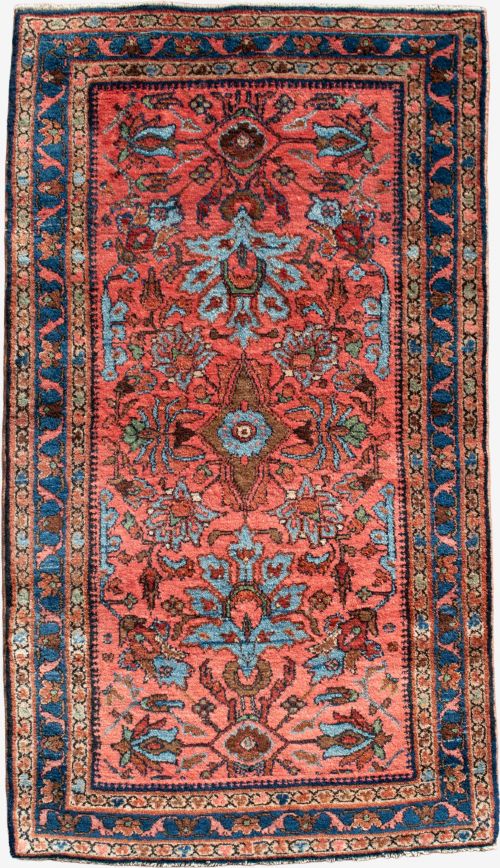
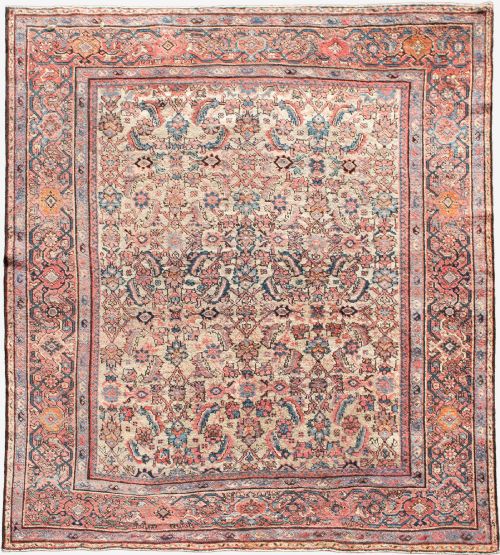
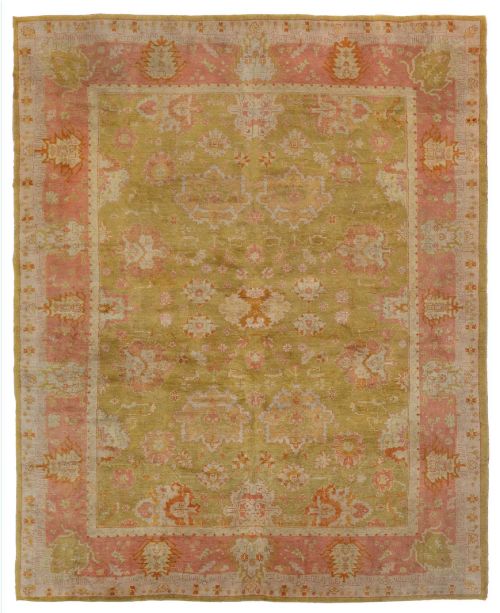
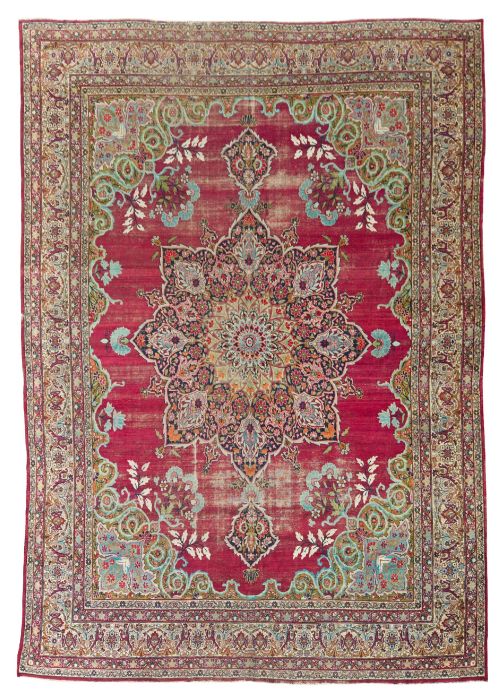


Pink Hand Knotted Rug
A pink hand knotted rug brings warmth and traditional pattern to a room through centuries-old weaving traditions.
Pink Hand Knotted Rug
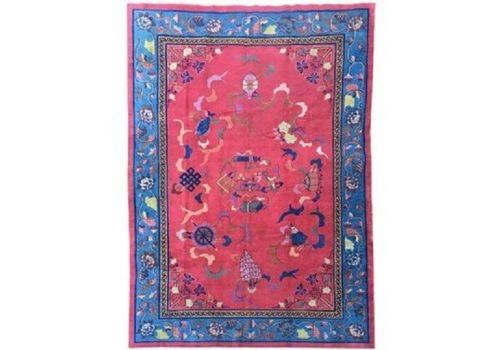
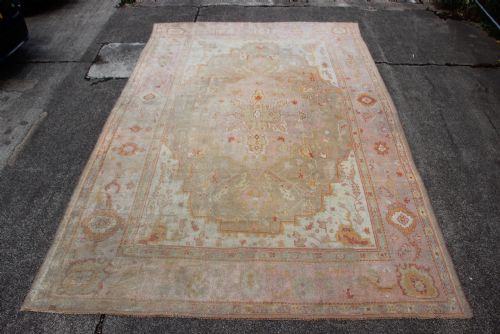
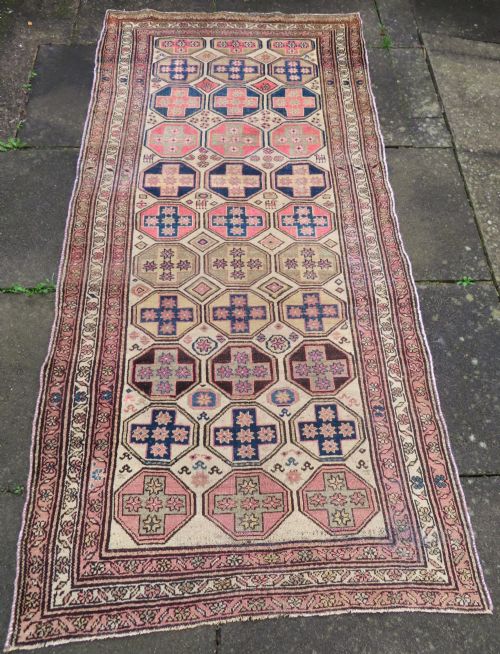
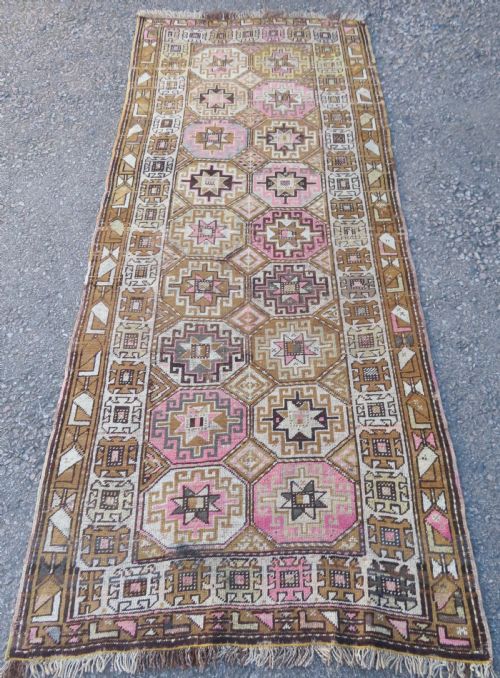
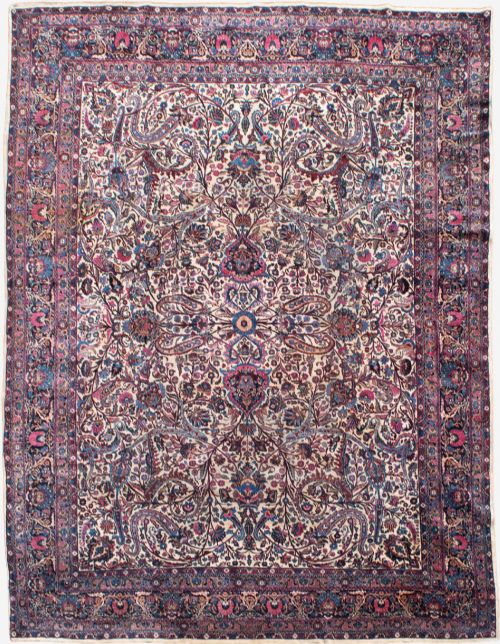
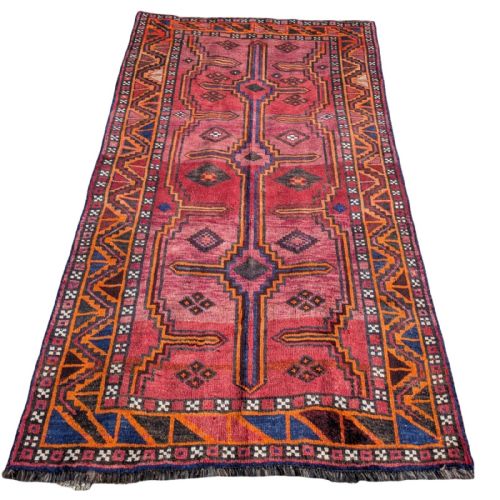
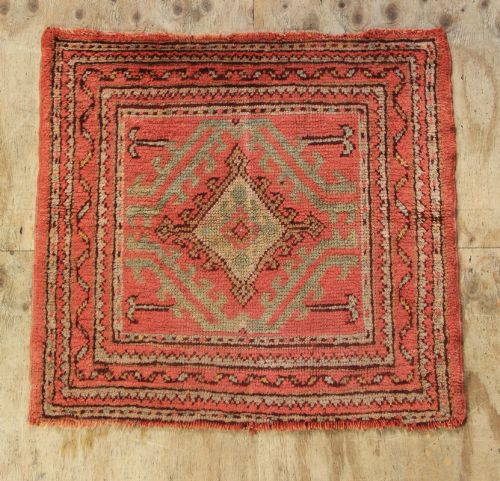
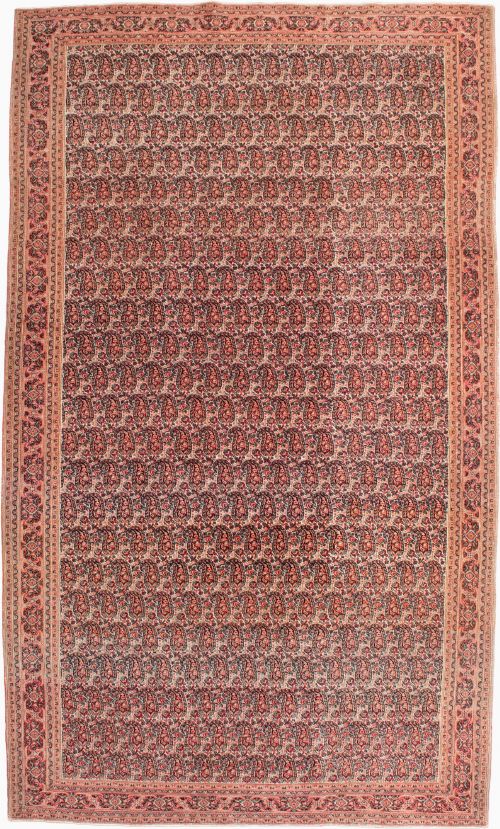
A pink hand knotted rug comprises floor coverings woven by hand across Persian, Turkish, Caucasian, and other regional traditions, spanning from the late nineteenth century to the early twentieth century. These textiles appear in various forms, including large carpets, smaller area rugs, hearth mats, and long hallway runners.
Buyers seeking a pink hand knotted rug encounter pieces originating from specific weaving centres such as Oushak, Kirman, Hamadan, and Sarouk. Many examples display traditional motifs like the willow tree, geometric medallions, or tribal patterns rendered in soft pink grounds and faded patinas.
The selection ranges from room-sized carpets down to compact mats, reflecting diverse village and workshop origins across the Middle East, India, China, and North Africa. Each piece carries the distinct structural traits of its geographical source and weaving ethnicity.
What Varies in Quality
The fineness of the weave and the precision of the knotting separate standard village productions from master workshop carpets. Tighter knot counts allow for sharper delineation of intricate floral or geometric designs across the surface.
Condition and integrity of the foundation dictate desirability, where even wear across the wool pile and stable cotton warps preserve the structural balance of the rug. The nuance and depth of the faded natural dyes also influence the visual harmony of the piece.
Pink Hand Knotted Rug Retail Price Guide 2026
Typical asking prices for pink hand knotted rug among the pieces listed under this phrase on Sellingantiques today, from the lower quarter to the upper quarter. They describe what is for sale here now, not the wider market.
Listings span periods from the nineteenth century through the 1930s, featuring wool and cotton materials across Persian, Turkish, and Chinese styles.
Gavin Morton
The Pink Hand Knotted Rug Glossary
- Pile
- The vertical or diagonal loops of yarn that form the usable surface of a rug. This soft upper layer absorbs foot traffic and displays the woven pattern.
- Warp
- The stationary longitudinal threads stretched taut on the loom before weaving begins. The fringe of a finished rug typically consists of these extended warp ends.
- Weft
- The horizontal threads passed alternately over and under the warp threads to bind the knots in place. These structural threads run perpendicular to the fringe.
- Medallion
- A symmetrical central ornament placed in the field of a rug. It forms the focal point of many traditional Persian and Turkish designs.
- Ground
- The main background colour of the field surrounding the primary motifs. In these pieces, the ground frequently appears in soft or faded pink tones.
Pink Hand Knotted Rug: Frequently Asked Questions
How do I clean an antique wool rug?
Professional specialist cleaning remains essential for removing embedded dirt without damaging historical wool piles and natural dyes. Standard household cleaning methods and modern detergents introduce moisture and chemical risks that weaken fragile antique foundations.
Regular gentle vacuuming without a rotating power brush helps maintain surface cleanliness between professional treatments. Keeping the rug out of direct sunlight prevents the pink and secondary dyes from fading further.
Are these rugs suitable for hallways?
Long runner formats and narrow corridor carpets suit high-traffic hallways and transitional spaces. Their flat profile and sturdy wool construction withstand regular foot movement when paired with a quality underlay.
Placing an appropriate rug pad underneath prevents slipping and cushions the weave against hard flooring. This simple addition absorbs impact and extends the operational life of older foundations.
How can I tell an Oushak from a Kirman?
Oushak carpets generally feature looser weaves, softer wool, and large-scale geometric or floral motifs in muted tones. Their pink grounds often exhibit a characteristic warm, faded patina developed over decades.
Kirman rugs typically display finer knotting with intricate, curvilinear floral designs originating from Persian urban workshops. The structure tends to be tighter and more densely packed than regional Turkish equivalents.
Why do some rugs look distressed?
Natural ageing, historical usage, and sun exposure soften the original brightness of the wool pile over generations. This gradual process creates the faded patinas and low pile heights valued by collectors.
Uneven wear patterns and abrasions reflect the genuine history of village and tribal floor coverings. These characteristics demonstrate authentic age rather than modern artificial distressing.