



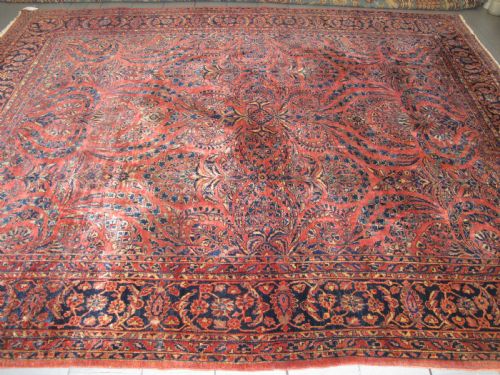


Rose Red Wool Carpet
A rose red wool carpet brings warmth and deep floral colour to a room, drawing the eye instantly across the floorboards.
Rose Red Wool Carpet
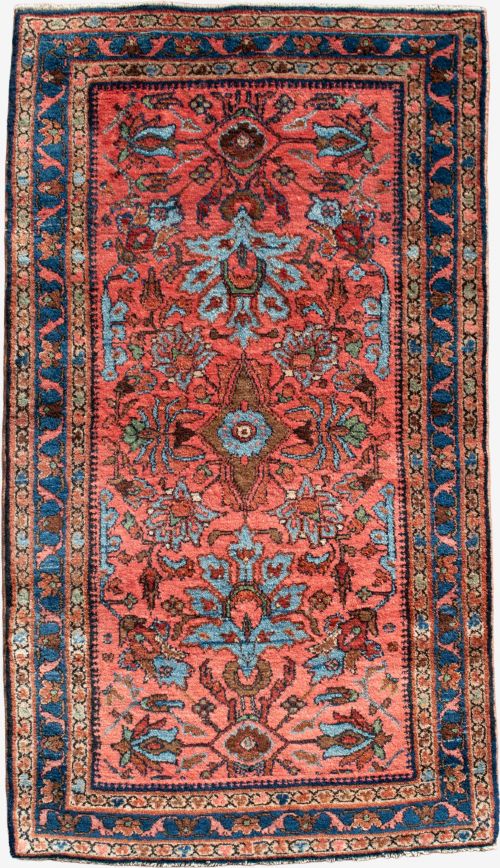
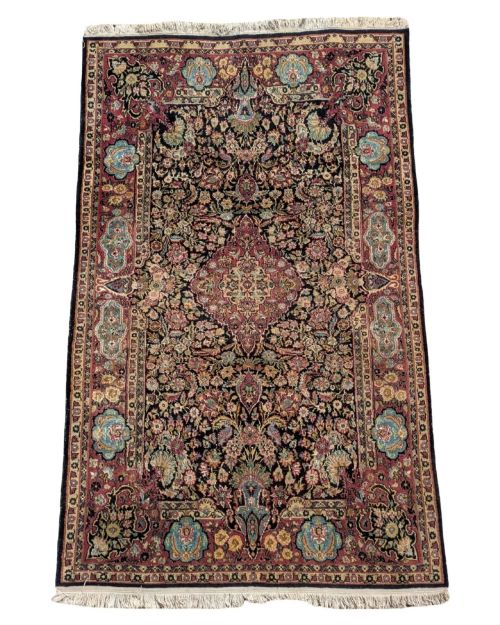
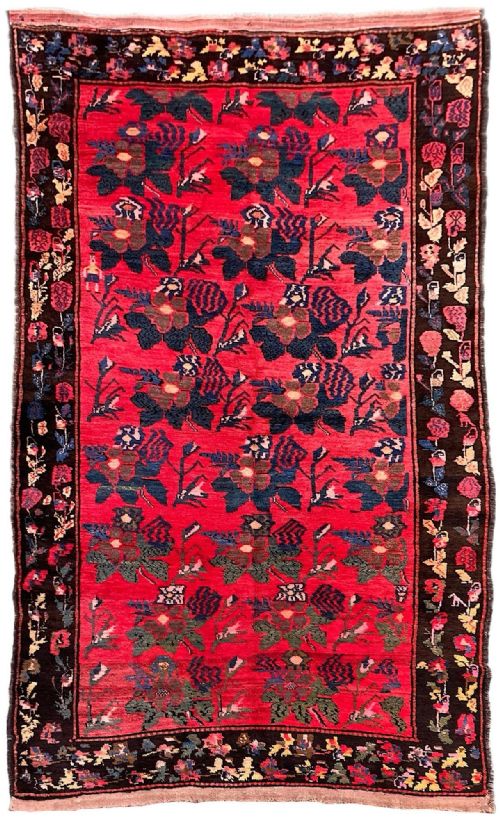
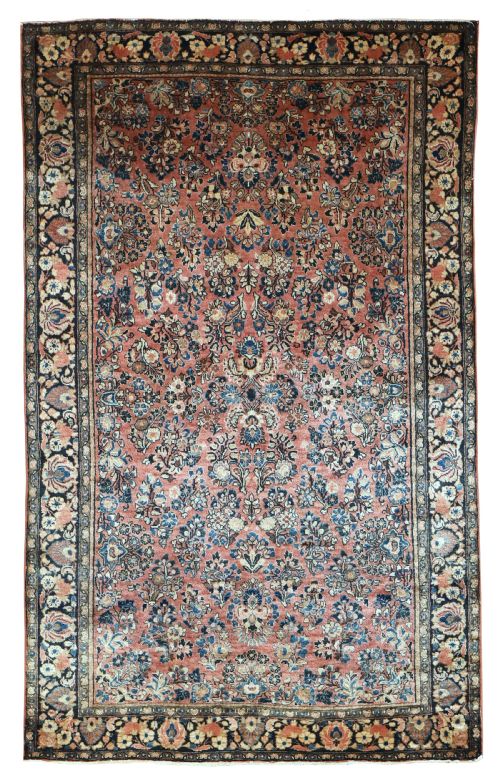
A rose red wool carpet encompasses various woven floor coverings dating from the late nineteenth century up to the nineteen-thirties, ranging from Persian room-size carpets to European flatweaves. Buyers seeking a rose red wool carpet will encounter regional types such as Persian Lilihan, Sarouk, and Kashan alongside Caucasian Karabagh and Bessarabian kilims.
The assortment on this page leans heavily towards early twentieth-century examples, particularly Bessarabian flatweaves and Persian pile rugs featuring prominent floral motifs. These pieces serve as both functional floor coverings and striking textile art for traditional or eclectic interiors.
How they were made
These textiles rely primarily on a sturdy wool foundation and pile, frequently supplemented by cotton for structural warps andwefts, and occasionally silk highlights to add subtle sheen. Weavers knotted or flatwove these materials by hand on upright looms, building up dense structures designed to endure heavy daily use.
Dyes derived from natural sources imparted deep rose, red, and pink tones, which mellow gracefully over decades. Flatweaves utilised tapestry techniques without pile, while pile carpets required meticulous knotting and subsequent shearing to achieve an even surface.
Rose Red Wool Carpet Retail Price Guide 2026
Typical asking prices for rose red wool carpet among the pieces listed under this phrase on Sellingantiques today, from the lower quarter to the upper quarter. They describe what is for sale here now, not the wider market.
Several carpets secretly boast French-inspired roses that migrated eastward to flourish on Caucasian and Bessarabian looms.
What varies in quality
Knot density and structural tightness dictate the longevity and definition of the pattern in pile carpets, while the crispness of the flatweave determines the caliber of kilims. Finer examples display meticulous handling of floral motifs, such as French-inspired rose designs, with smooth curves and harmonious colour transitions.
The choice of materials also alters the character of the piece, with silk highlights indicating higher workshop ambition and pure wool construction providing robust durability. Preservation of the original edges and fringe adds considerable merit to older textiles.
The Rose Red Wool Carpet Glossary
- Kilim
- A flatwoven carpet or rug produced without a pile. These pieces are typically lighter and reversible.
- Pile
- The raised surface of a carpet formed by upright yarn ends. It provides softness and insulation underfoot.
- Warp
- The vertical threads held taut on a loom before weaving begins. They form the underlying skeleton of the textile.
- Weft
- The horizontal threads passed through the warps to bind the structure together. Tightly beaten wefts create a durable fabric.
- Highlights
- Accents of a different material, such as silk, introduced to catch the light and emphasise specific design elements.
Rose Red Wool Carpet: Frequently Asked Questions
How do I clean an antique wool carpet?
Gentle surface vacuuming without a beater bar removes loose dirt from the wool fibres safely. Professional textile cleaning is recommended for deeper maintenance to protect the natural dyes.
Avoid harsh chemical detergents or excessive moisture, which can damage the foundation yarns and alter the rose red tones. Promptly blot liquid spills rather than rubbing them into the pile.
How can I tell a Bessarabian kilim from a Persian rug?
Bessarabian kilims are flatweaves originating from Eastern Europe, frequently featuring naturalistic French-inspired rose designs on dark fields. Persian rugs utilise knotted pile construction and often incorporate central medallions alongside intricate floral sprays.
The tactile difference is immediate, as kilims lack the plush pile found in traditional Lilihan or Sarouk carpets. Examining the reverse side clearly reveals the flatwoven structure versus knotted warps.
Will the rose red colour fade in direct sunlight?
Natural dyes used in older textiles can mellow further when exposed to intense, continuous sunlight over long periods. Positioning the carpet away from south-facing windows preserves the vibrancy of the pink and red shades.
Using UV-filtering window treatments offers additional protection for vulnerable antique wool and silk highlights. Occasional repositioning helps balance any natural exposure to light.