

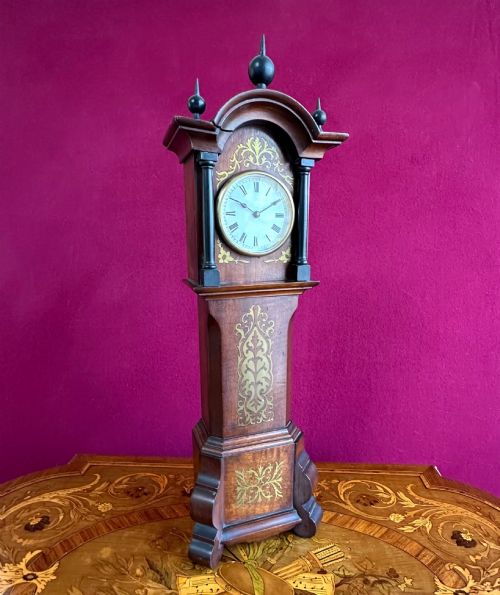

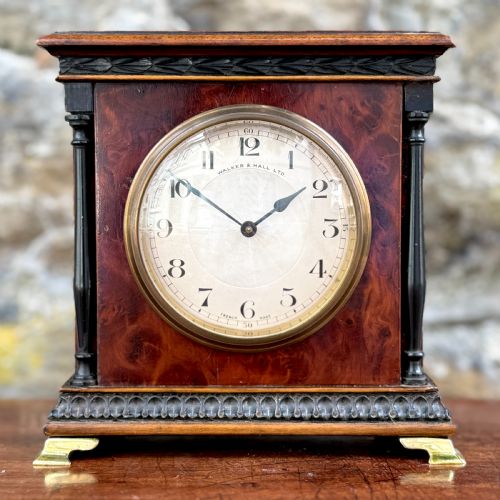
Vintage Wooden Table Clock
A vintage wooden table clock brings warmth and mechanical precision to a desk or mantelpiece, uniting period craftsmanship with daily utility.
Vintage Wooden Table Clock
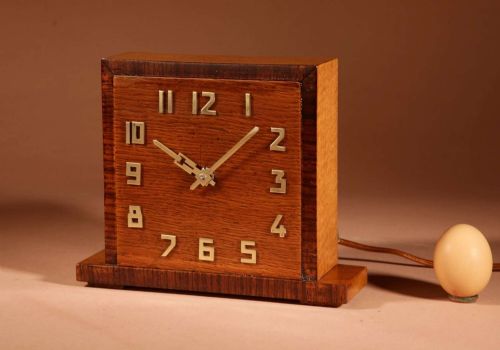
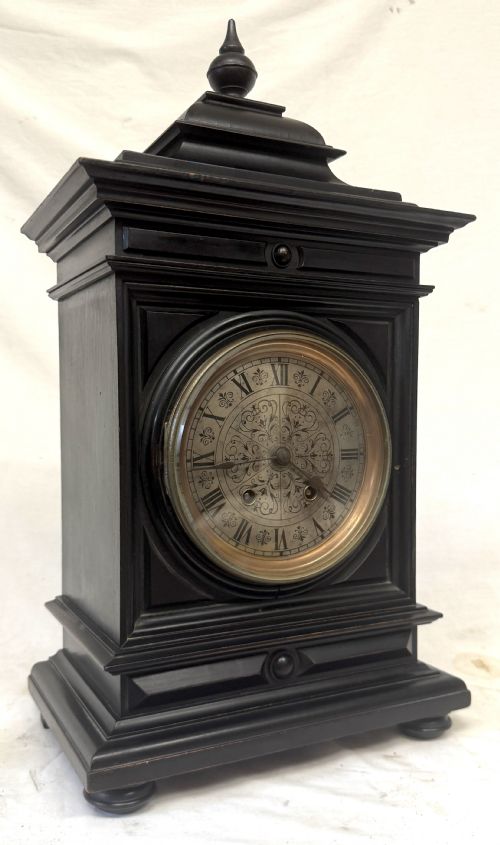
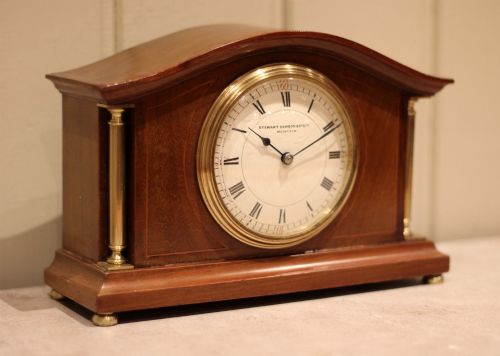
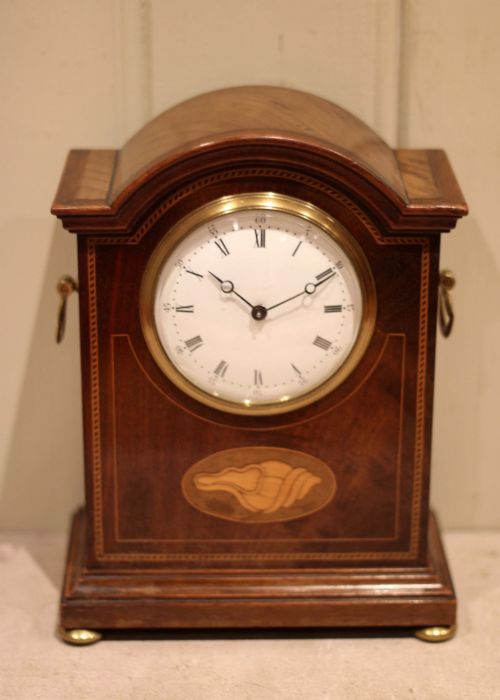
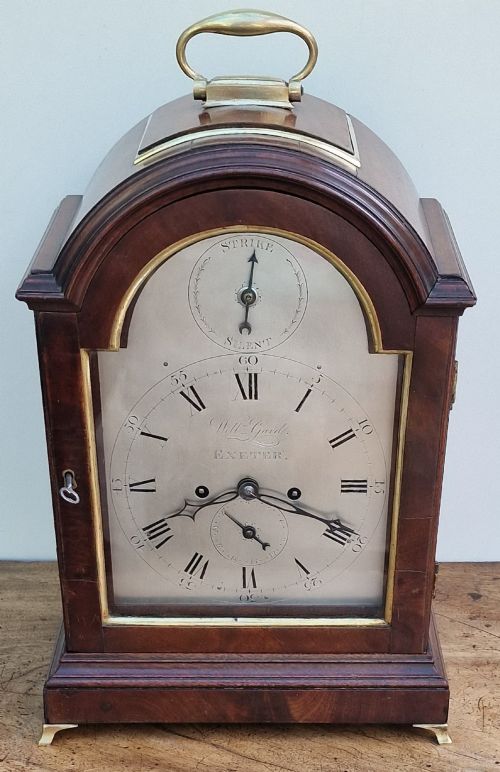
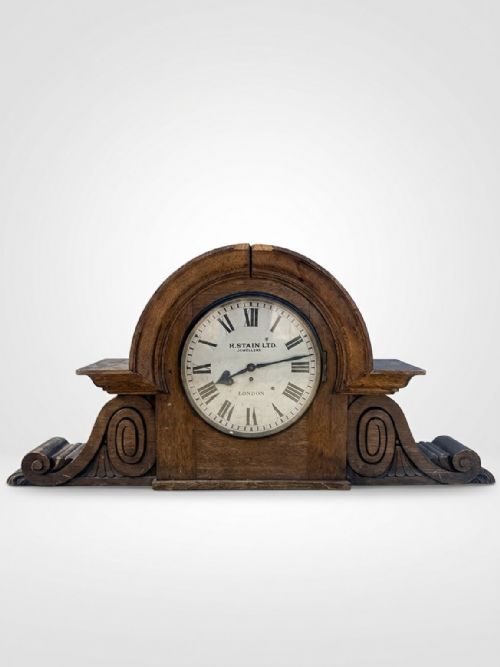
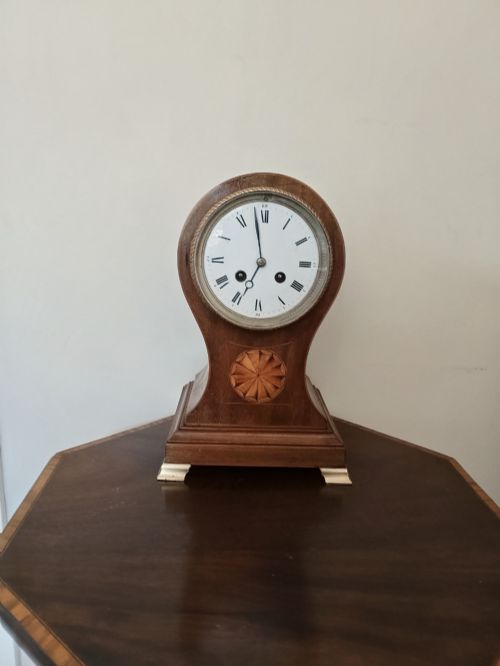
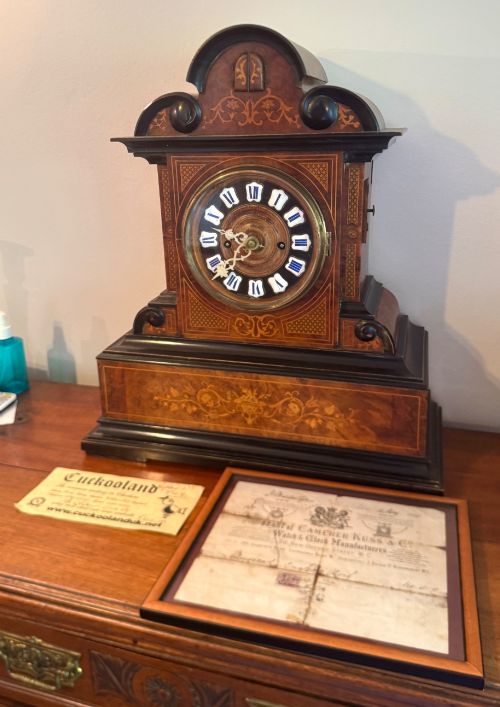
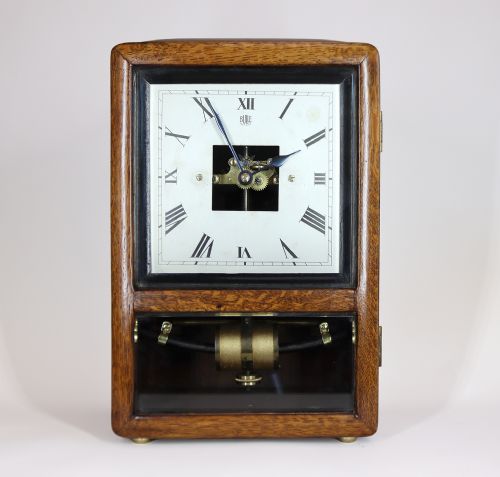
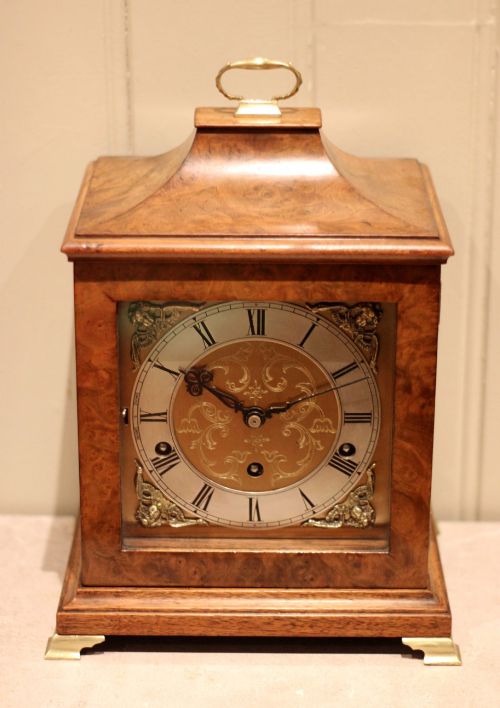
A vintage wooden table clock serves as both a practical timepiece and a domestic centrepiece, encompassing various forms from compact mantel clocks to larger bracket and library designs. These pieces span multiple eras, with Edwardian inlaid mahogany models, substantial Victorian examples, and geometric Art Deco designs appearing frequently across the selection.
Makers housed these movements in diverse wooden housings, ranging from simple arched cases to elaborate architectural facades. Buyers encounter formal bracket clocks suited for shelves alongside smaller timepieces intended for writing desks and side tables.
The assortment draws upon several historical vocabularies, showing influences from the Georgian period through to the Amsterdam School and Art Nouveau styles. Each piece reflects the interior design priorities of its decade of origin, balancing timber selection with legible enamel, metal, or silvered dials.
Materials and Construction Methods
Cabinetmakers constructed these clock housings predominantly from hardwoods such as mahogany, oak, walnut, and rosewood, often enhancing plain surfaces with marquetry inlay or contrasting ebony and macassar ebony veneers. These timbers were selected for stability and grain visual interest, providing a robust housing for delicate internal movements.
Mechanical components incorporated brass plates and gear trains, whilst dials utilised materials like painted enamel, silvered brass, and cast metal. Glazed bezels protected the face, allowing light to reach the dial whilst shielding the hands and numerals from dust.
Vintage Wooden Table Clock Retail Price Guide 2026
Typical asking prices for vintage wooden table clock among the pieces listed under this phrase on Sellingantiques today, from the lower quarter to the upper quarter. They describe what is for sale here now, not the wider market.
The listings encompass timber cases in mahogany, walnut, oak, and rosewood, spanning periods from Georgian through to Art Deco.
Distinctions in Quality and Execution
Quality rests in the precision of the cabinetwork and the sophistication of the movement housed within. Finer examples display meticulous marquetry, seamless veneer matching, and well-proportioned architectural mouldings that frame the dial harmoniously.
The integration of signed movements by established makers elevates a piece, as does the complexity of the striking or chiming mechanism. Superior metalwork on the dial, bezels, and pendulum indicators distinguishes standard production pieces from higher-grade items commissioned for discerning buyers.
H.A.C.·Lenzkirch·Mappin & Webb·Walker and Hall·Winterhalder·Haller
The Vintage Wooden Table Clock Glossary
- Bracket clock
- A portable domestic clock historically designed to sit upon a bracket or table. These pieces often feature substantial mechanical movements and carrying handles.
- Timepiece
- A clock that indicates the time without including a striking or chiming mechanism. This simpler internal setup requires fewer gear trains.
- Silvered dial
- A brass clock face treated with a silver compound to produce a matte, reflective surface. Numerals and markings are typically engraved and darkened for legibility.
- Marquetry
- Decorative veneer work forming patterns or pictures using different coloured pieces of wood. Cabinetmakers apply this technique to enrich flat wooden surfaces on clock cases.
- Bezel
- The metal ring that holds the glass protecting the clock face. It often hinges open to allow access for setting the time.
Vintage Wooden Table Clock: Frequently Asked Questions
How do I wind a mechanical table clock?
Most mechanical models utilise a key inserted into specific winding holes on the dial to tension the mainspring. Care must be taken not to over-wind the mechanism.
Different movements require weekly or fortnightly attention depending on whether they are eight-day or fourteen-day clocks.
Where should I place a bracket clock?
These clocks perform best on stable, level surfaces such as mantelpieces, sideboards, or designated wall brackets. A stable base ensures the pendulum swings evenly and the escapement ticks regularly.
Avoid placing them in areas subject to excessive vibration or direct sunlight.
How do I identify an Art Deco clock?
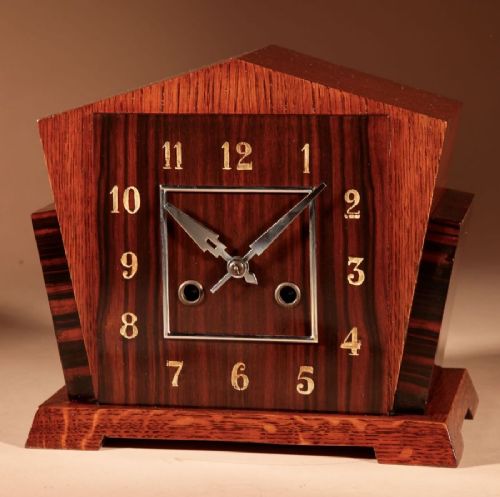
Art Deco pieces display geometric forms, stylised numerals, and contrasting timbers like macassar ebony paired with oak. The cases often feature stepped outlines and streamlined silhouettes characteristic of the interwar period.
Dials frequently incorporate bold, stylised typography rather than traditional Roman numerals.
What is the difference between a timepiece and a striking clock?
A timepiece simply tells the time through the movement of the hands across the dial. It contains no mechanism to sound the hours or quarters.
A striking clock includes additional gear trains and hammers that sound bells or gongs at designated intervals.