




Vintage Vanity Compact
A vintage vanity compact brings portable polish to a dressing table, pairing precious metals with coloured enamel for the pocket.
Vintage Vanity Compact
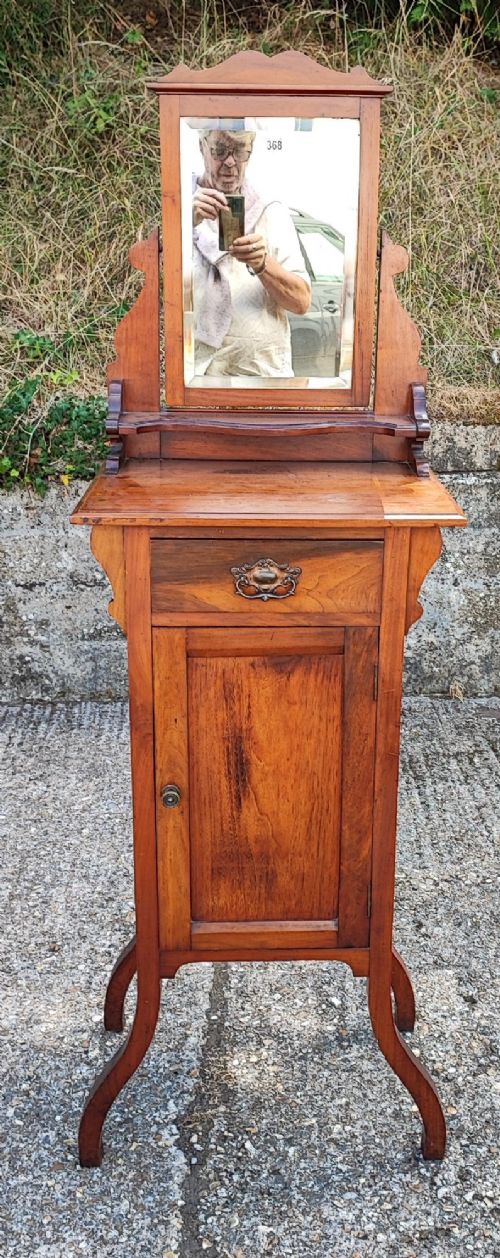
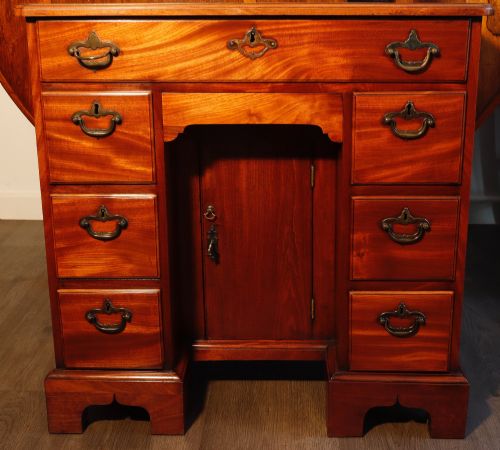
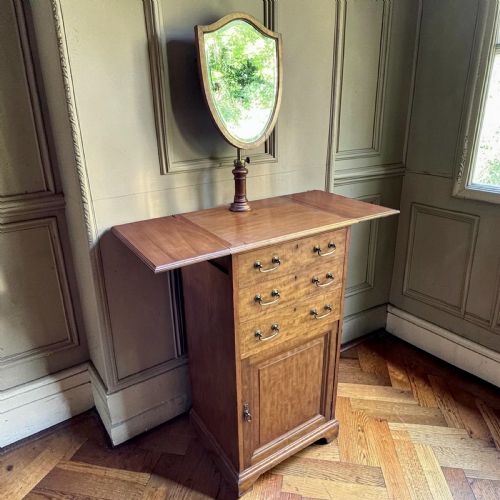
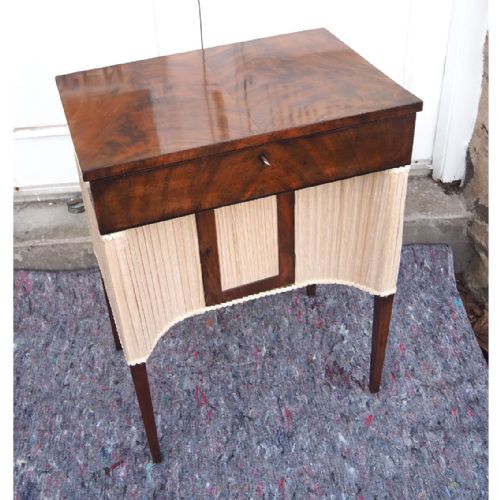
The selection extends to dressing tables, mirrors, and larger chests spanning periods from the eighteenth century to the mid-nineteenth century, though the smaller pocket containers remain central to the category. These items reflect the changing social habits of women who required portable cosmetics during the twentieth century.
Materials and methods of construction
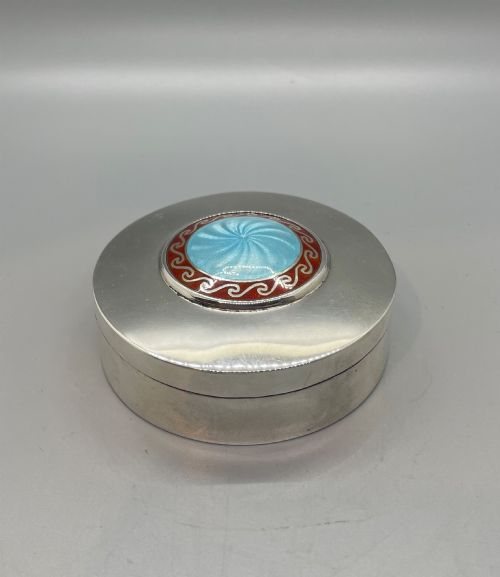
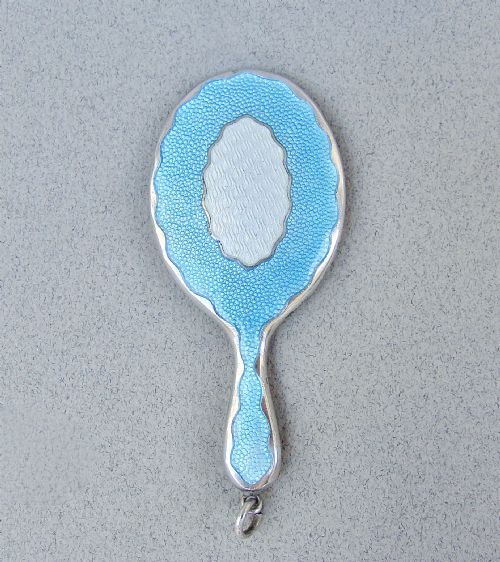
Silversmiths utilised sterling silver and gold as foundations, applying engine-turned patterns or cast textures directly to the metal surface. Guilloche enamel required skilled artisans to engrave geometric patterns beneath translucent layers of coloured vitreous enamel.
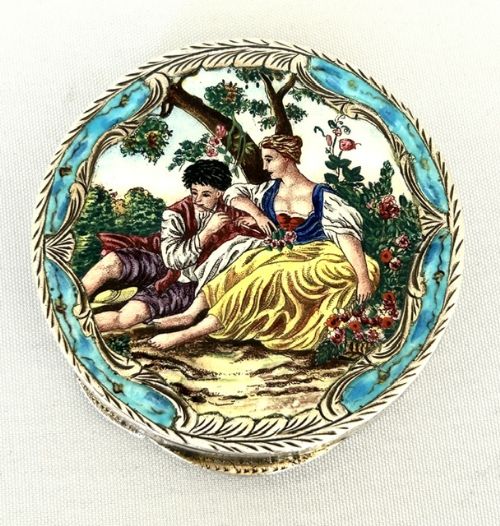
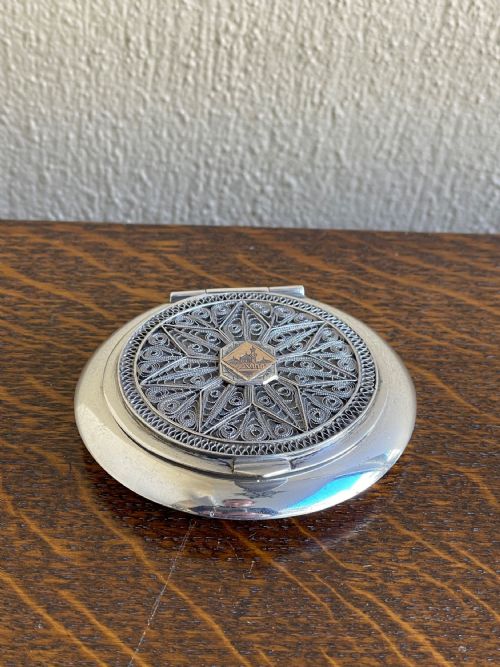
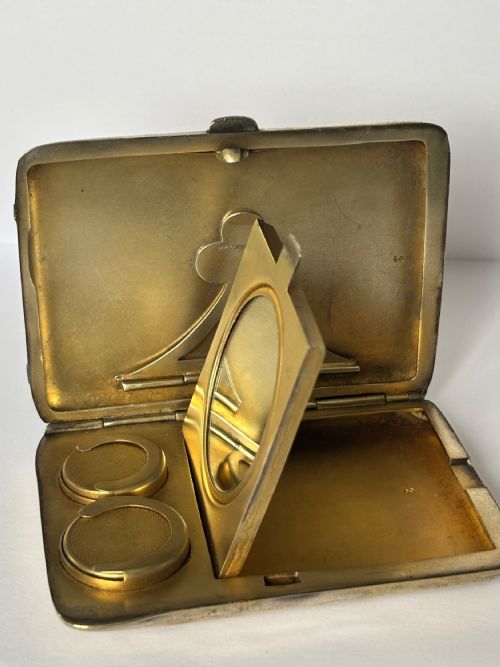
Makers integrated glass mirrors, silk mesh, and suede linings inside metal frames to secure loose powder and rouge. Workshops in Birmingham, London, and continental Europe employed specialised stamping, filigree work, and hand-painting techniques to decorate the lids.
The listings demonstrate a strong concentration of Art Deco pieces alongside Victorian and Edwardian dressing items, executed in sterling silver, gold, and enamel.
Distinctions in execution and design
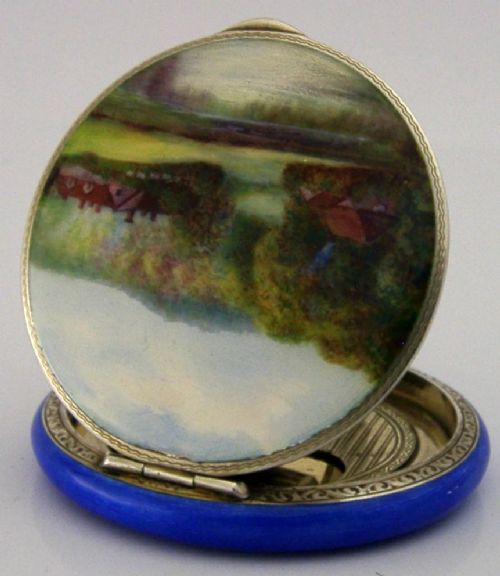
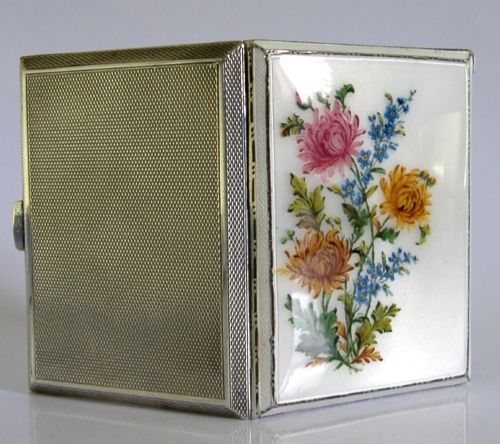
The refinement of the guilloche engraving and the clarity of the vitreous enamel separate standard production from superior examples. Intricate hand-painted floral motifs or scenic panels demonstrate higher levels of artisan skill than plain metal surfaces.
The integrity of the hinged closures, the precision of the inner mirror mountings, and the presence of fully legible hallmarks from recognised makers elevate the status of a piece within the range.
Henry Williamson Birmingham·Henry Matthews Birmingham·Henry Perkins And Sons·Richard Hudnut·René Lalique·Van Cleef And Arpels·Cartier London·Giuliano Spinelli Florence
The Vintage Vanity Compact Glossary
- Guilloche enamel
- A decorative technique where a precise mechanical pattern is engraved into metal beneath a translucent layer of coloured enamel. This method creates a shimmering background effect that shifts in the light.
- Engine turned
- A geometric surface decoration produced by a machine that cuts intricate repeating lines into metal. It provides a tactile, non-slip finish to silver and gold compacts.
- Vitreous enamel
- Glass powder fused to metal under high heat to create a durable, glossy coloured surface. It forms the vibrant panels seen on many Art Deco accessories.
- Filigree
- Delicate openwork created by twisting and soldering fine strands of silver or gold wire into decorative patterns. It frequently appears on the lids of powder containers.
- Silver gilt
- Silver covered with a thin layer of gold through chemical or electrochemical processes. This dual-metal approach offers the richness of gold alongside a solid silver structure.
Vintage Vanity Compact: Frequently Asked Questions
What is a vintage vanity compact?
A vintage vanity compact is a portable container designed to hold face powder, rouge, or mirrors for cosmetic use on the move. These accessories became essential personal items during the early twentieth century.
They range from simple metal cases to elaborate silver items decorated with enamel and gemstones. Many incorporate compartments for powder puffs, lipsticks, or cigarettes.
How do you date a vintage vanity compact?
Dating relies on assay office hallmarks stamped into the metal, which indicate the exact year of manufacture for British silver and gold. Stylistic indicators such as Art Deco geometry or Edwardian motifs also help determine the period.
Makers' marks and patent stamps stamped inside the case provide additional clues to the production era. Surviving original boxes or labels occasionally confirm the date of retail.
Were these compacts used for loose powder?
Many of these compacts were engineered specifically for loose face powder, featuring internal sifters or metal guards. Sifters helped control the release of powder onto the puff during application.
Some variants included compartments for solid rouge or integrated small mirrors into the inner lid. Silk mesh linings in specific designs also served to hold powder in place.
How should I clean a silver enamel compact?
Cleaning requires a soft microfibre cloth and gentle handling to protect fragile enamel surfaces from scratching. Polishing compounds should stay away from the enamel panels entirely.
Silver areas benefit from careful application of a mild silver polish, taking care not to let chemicals seep under the bezel. Professional advice helps preserve pieces with delicate hinges or hand-painted details.