
Antique Wooden Compact
An antique wooden compact is a scale-conscious piece of period furniture designed for smaller spaces, offering practical storage without dominating a room.
Antique Wooden Compact
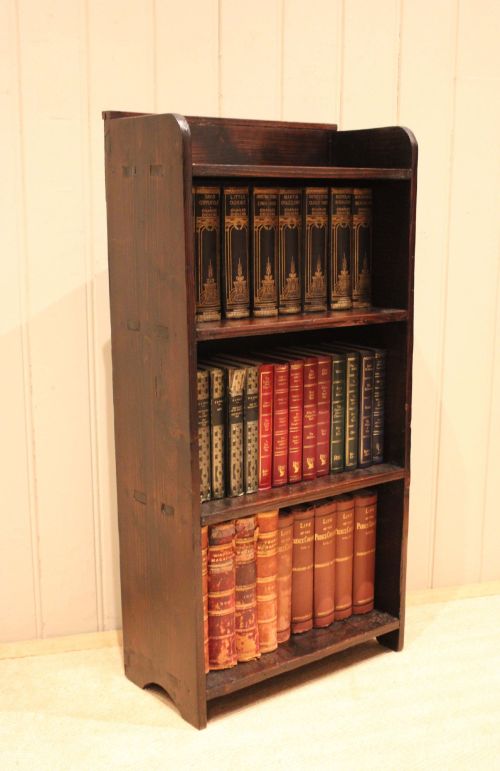
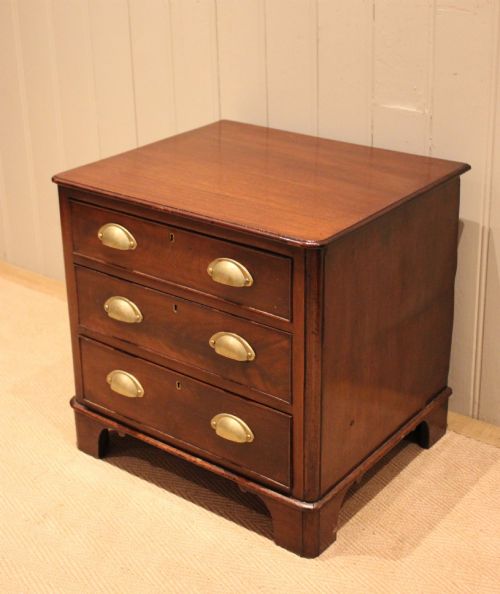
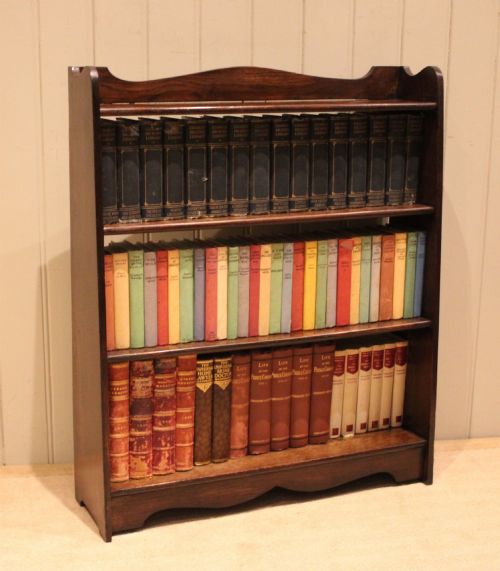
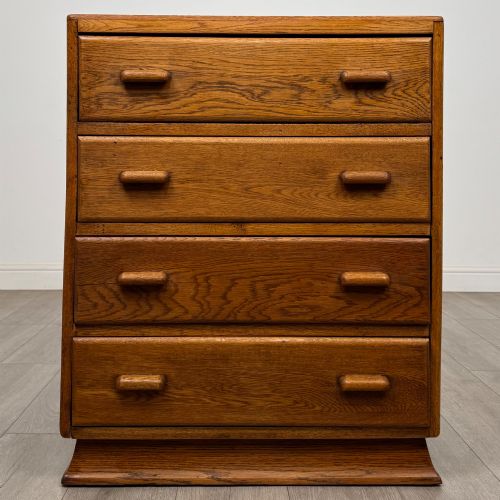
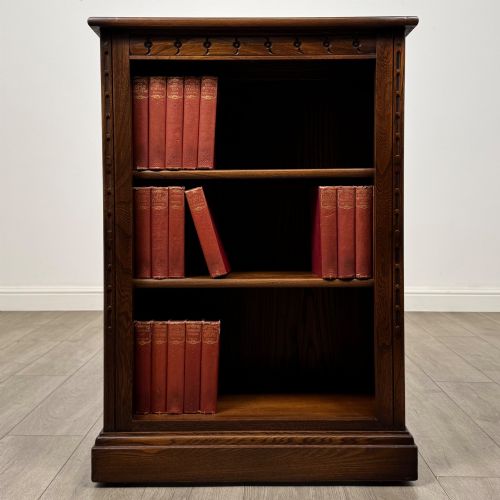
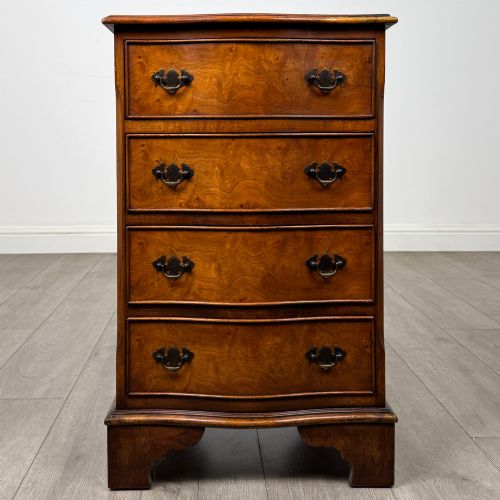
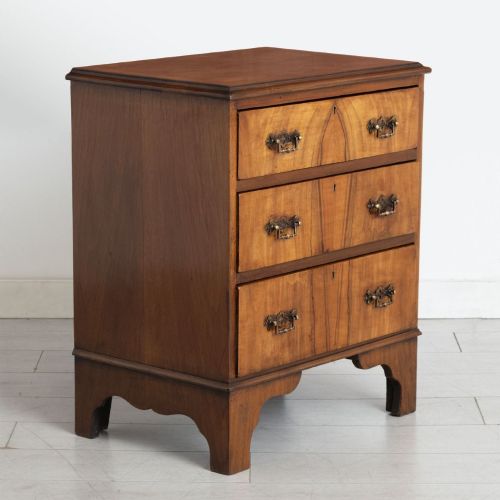
When you search for an antique wooden compact, you encounter pieces scaled down for tight rooms, primarily chests of drawers, small bookcases, writing desks and side tables. These items emerge predominantly from the Victorian, Edwardian and 1920 periods, alongside select 18th-century examples.
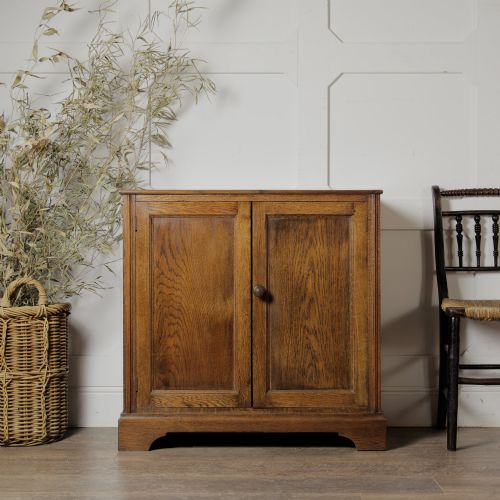
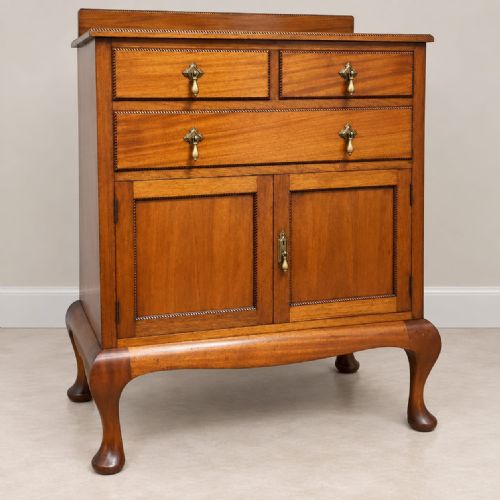
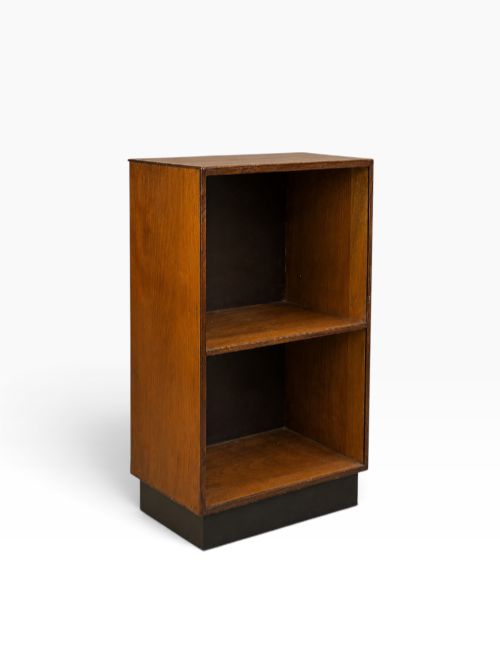
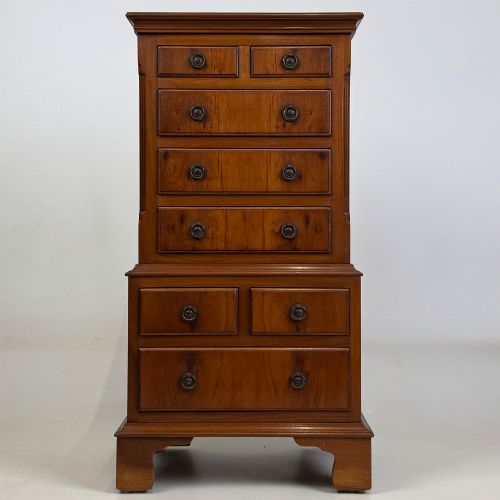
The version you are most likely to meet on this page is a small oak or mahogany chest of drawers or an open bookcase dating from the late 19th or early 20th century. Such furniture reflects the domestic demands of compact living spaces from those eras.
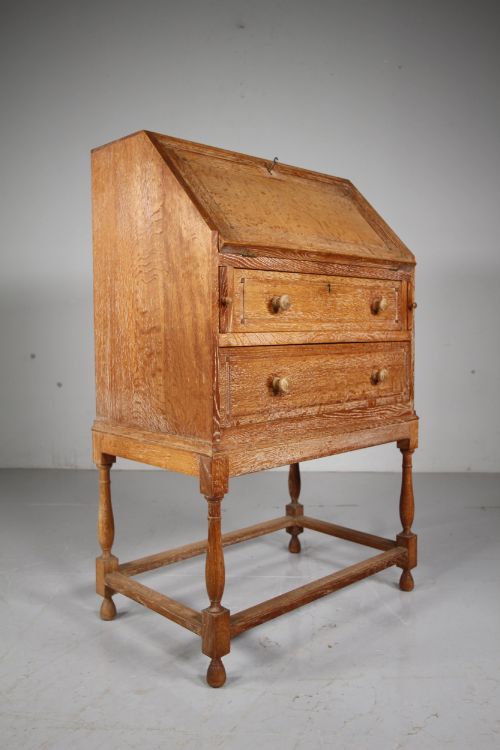
Makers and workshops constructed these smaller formats to fulfil specific functions, whether a slim bureau for correspondence or a narrow bookcase for modest libraries. The unifying trait across these diverse forms is their reduced physical footprint.
Materials and construction methods
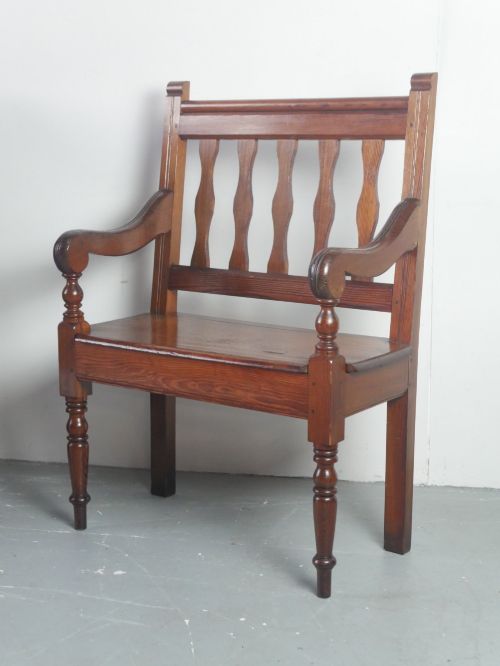
Cabinet makers relied heavily on solid hardwoods and select veneers, utilising oak, mahogany, walnut and yew wood across the inventory. These durable timbers provided structural integrity for items subjected to daily domestic use.
Craftsmen applied decorative techniques such as wood inlay and burr walnut figuring to elevate the appearance of utilitarian forms. Brass fittings, leather inserts and glass components further completed pieces like desks, tables and tantalus sets.
The listings combine solid oak, mahogany, walnut, pine and yew wood across Victorian, Edwardian and 18th-century periods.
Distinctions in quality
Quality rests upon timber selection and the precision of the joinery, where finely figured burr walnut or select mahogany outshines plain pine. The integration of maker signatures or labels also separates standard production items from workshop pieces bearing attribution.
Proportion and restraint in design dictate the upper tier of the range, ensuring that reduced dimensions retain balance rather than appearing cramped. Original brass hardware, clean drawer linings and crisp inlaid details distinguish superior examples from heavily altered pieces.
Heals of London·Bryn Mawr Welsh Oak
The Antique Wooden Compact Glossary
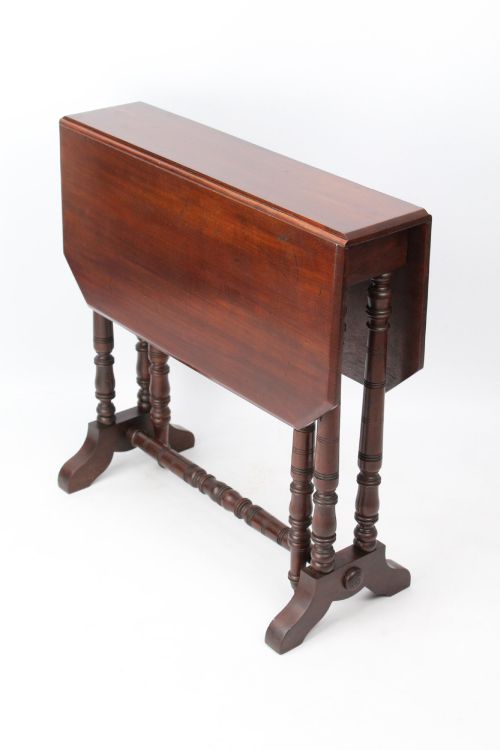
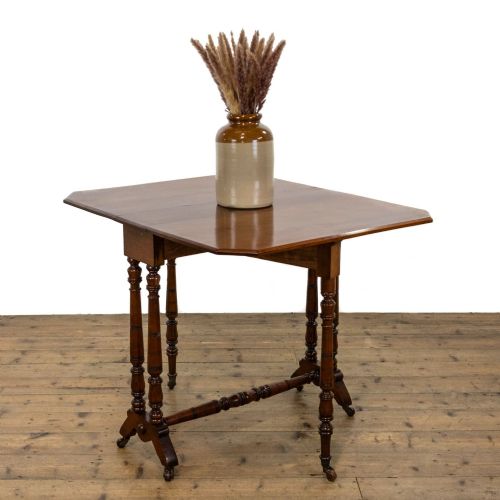
- Sutherland table
- A narrow drop-leaf table with hinged flaps that fold down nearly vertically, designed to save floor space when not in use.
- Wellington chest
- A tall, slender chest of drawers secured by a locking hinged side stile that fastens over the drawer edges.
- Bureau
- A desk featuring a sloping hinged flap that opens to reveal a writing surface and small pigeonholes or drawers.
- Gateleg table
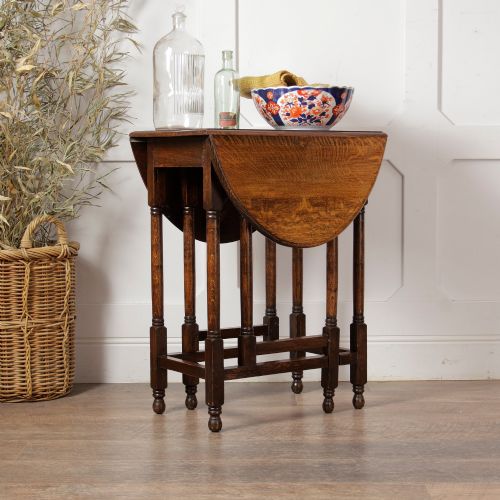
- A table with hinged legs that swing out to support drop leaves, allowing the surface area to expand or contract.
- Tunbridge ware
- Small wooden objects decorated with intricate mosaic patterns made from tiny chips of variously coloured natural timbers.
- Tallboy
- A tall chest of drawers consisting of one chest stacked directly on top of another, maximising vertical storage capacity.
Antique Wooden Compact: Frequently Asked Questions
What defines an antique wooden compact?
An antique wooden compact refers to furniture items built with reduced dimensions to fit smaller rooms, spanning chests of drawers, desks and bookcases.
The listings show these pieces emerging primarily from the Victorian and Edwardian eras, constructed in woods like oak, mahogany and walnut.
How were small chests of drawers used?
Compact chests provided bedroom or parlour storage for clothing and personal belongings where floor space was strictly limited.
Their reduced footprints allowed them to sit comfortably in hallways or smaller chambers without obstructing movement.
Are these pieces suitable for modern homes?
Their modest scale makes these items exceptionally practical for contemporary rooms that lack the generous proportions of older properties.
They offer functional surface space and storage without overwhelming compact modern interiors.