
Vintage Tall Clock
These vintage tall clock pieces are floor-standing timepieces that anchor a room with steady motion and presence.
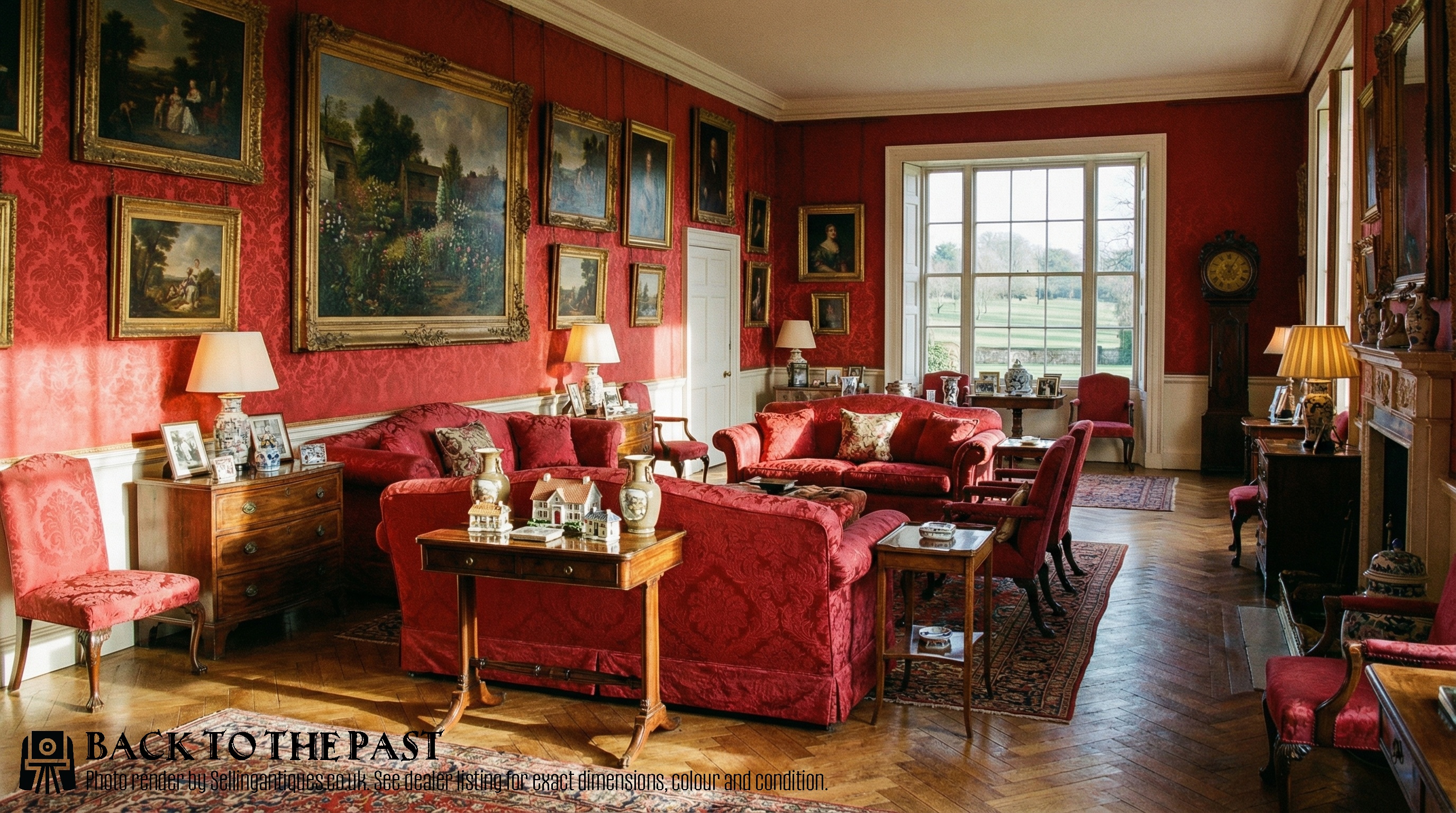
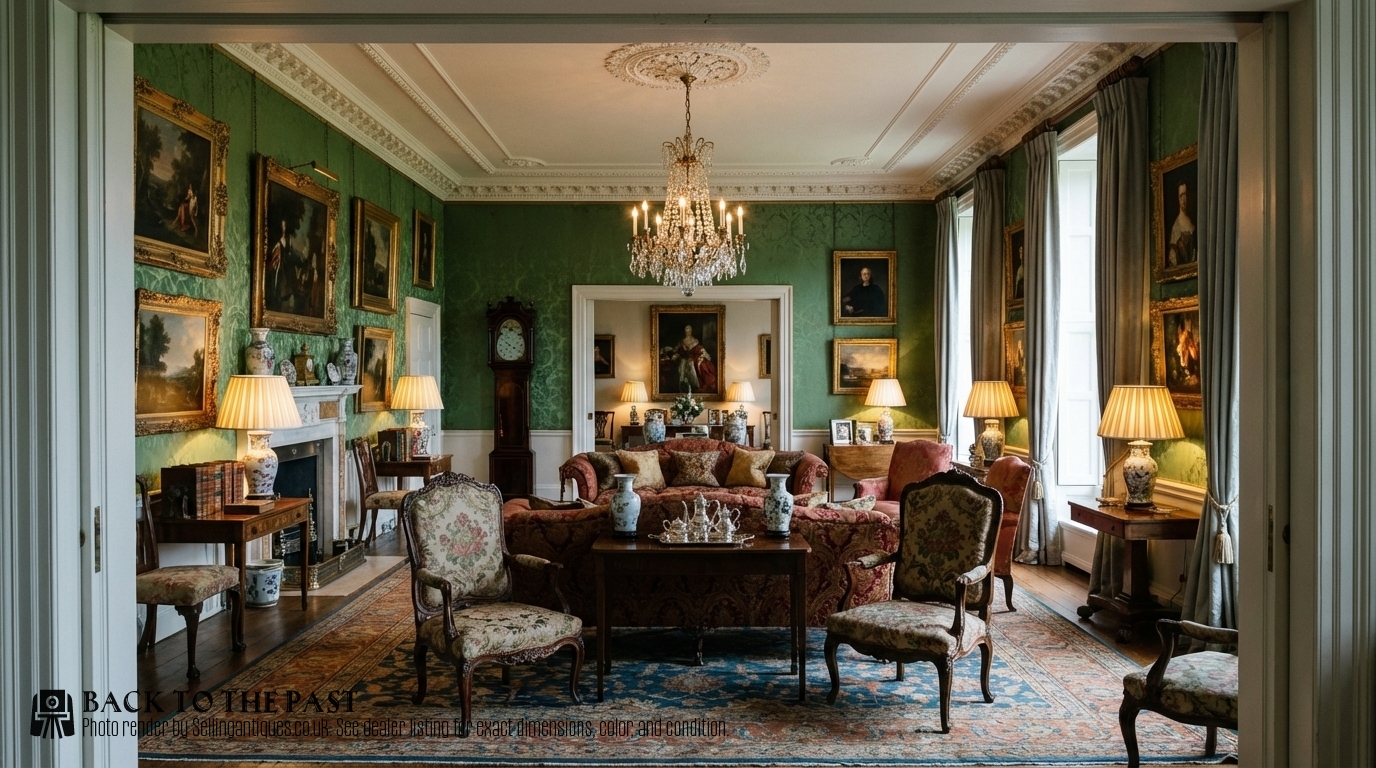
Vintage Tall Clock
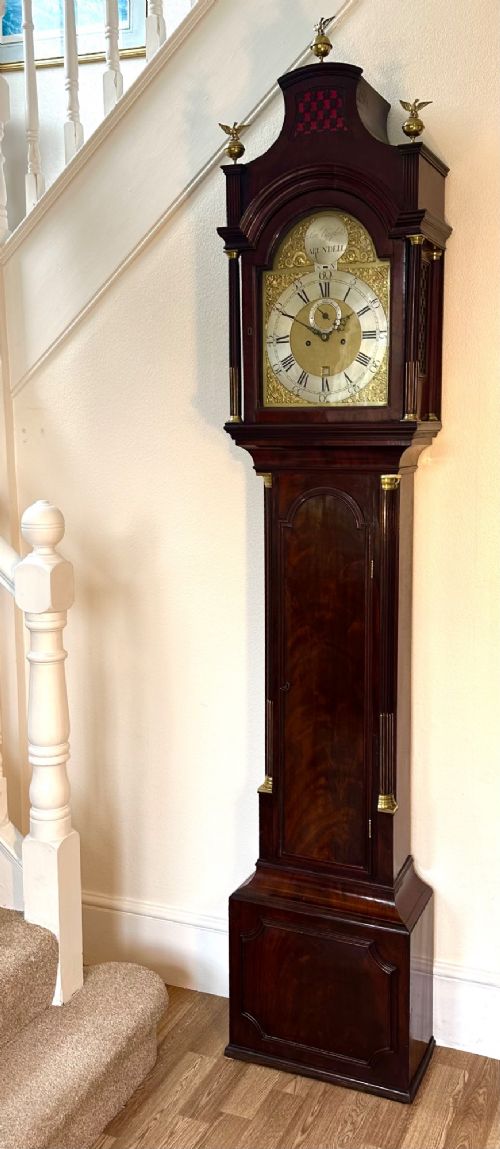
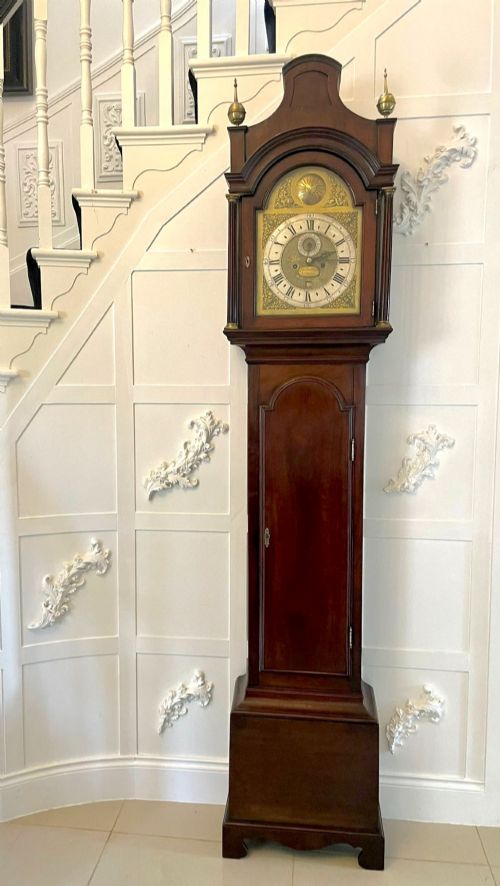
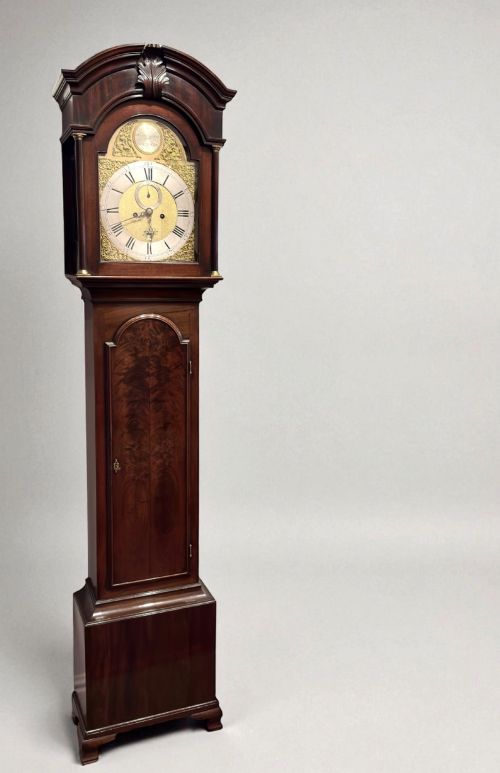
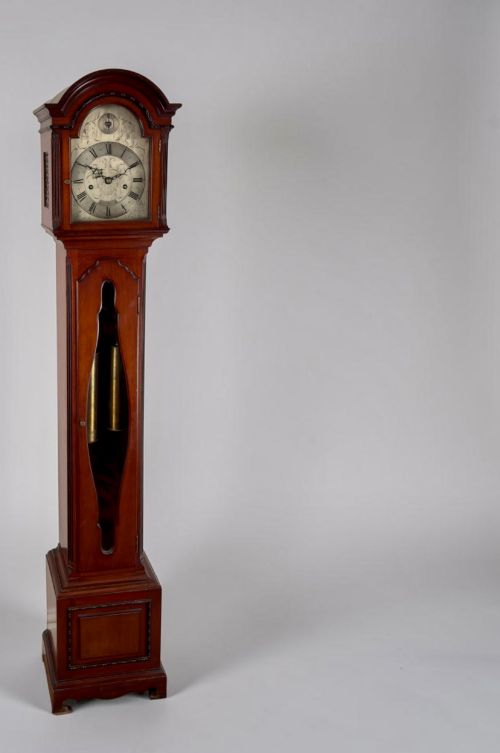
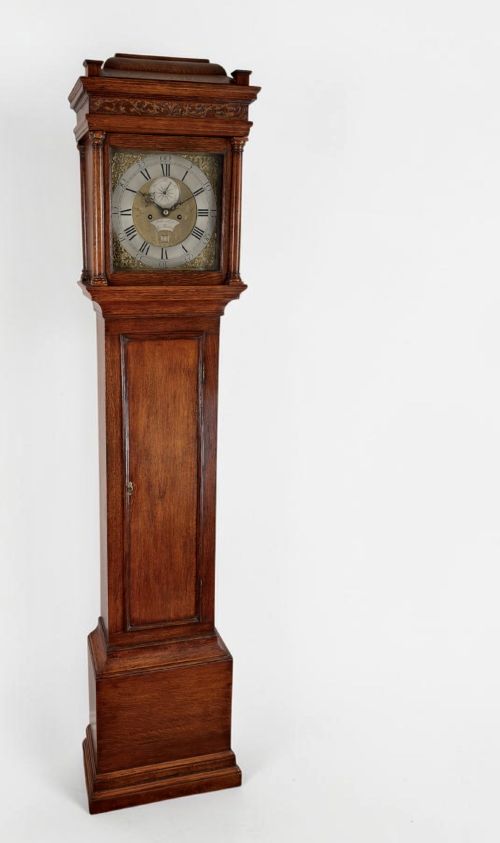
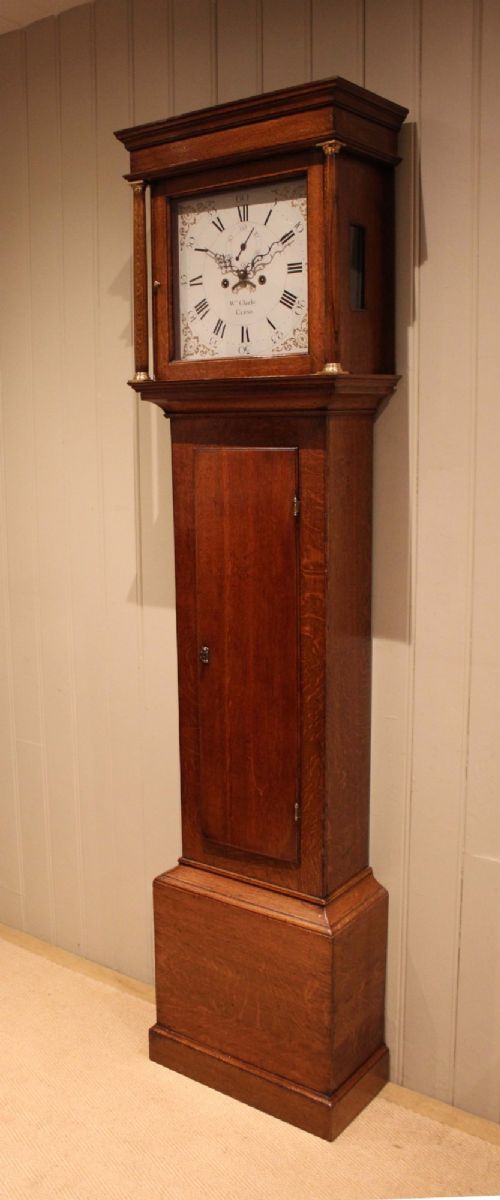
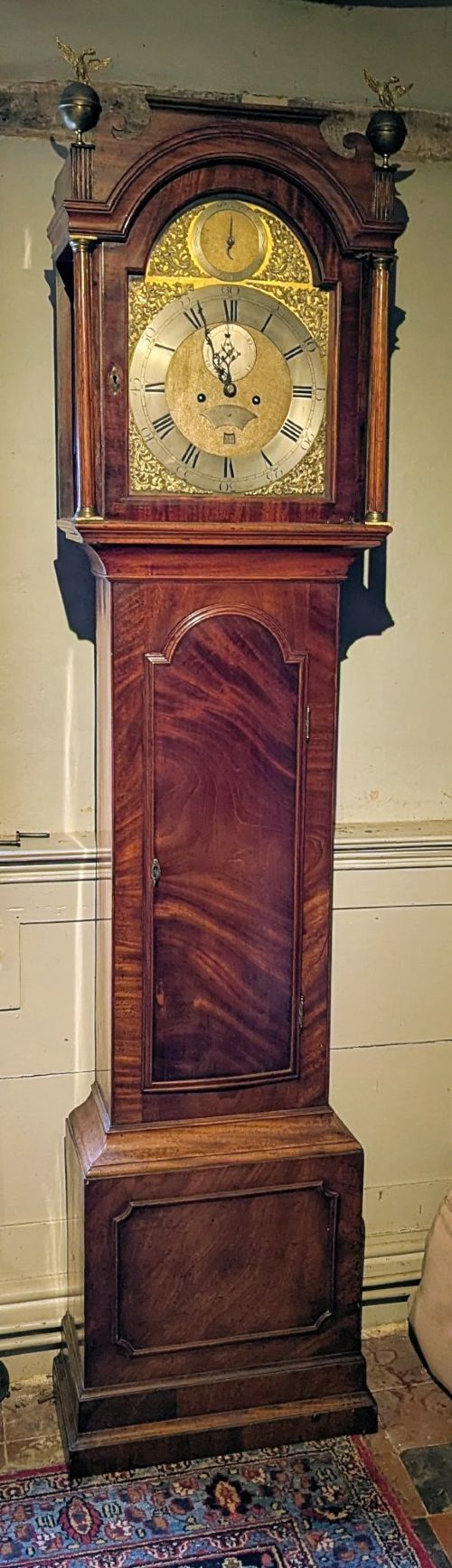
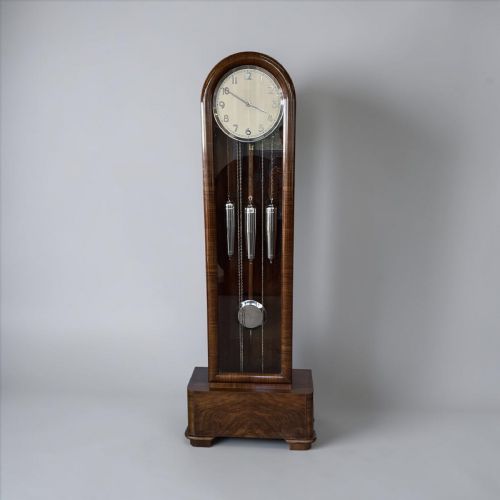
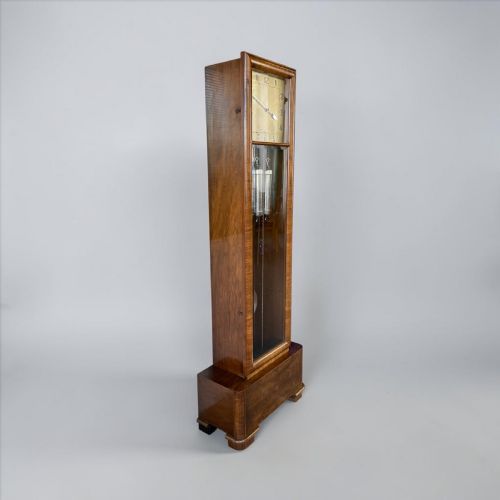
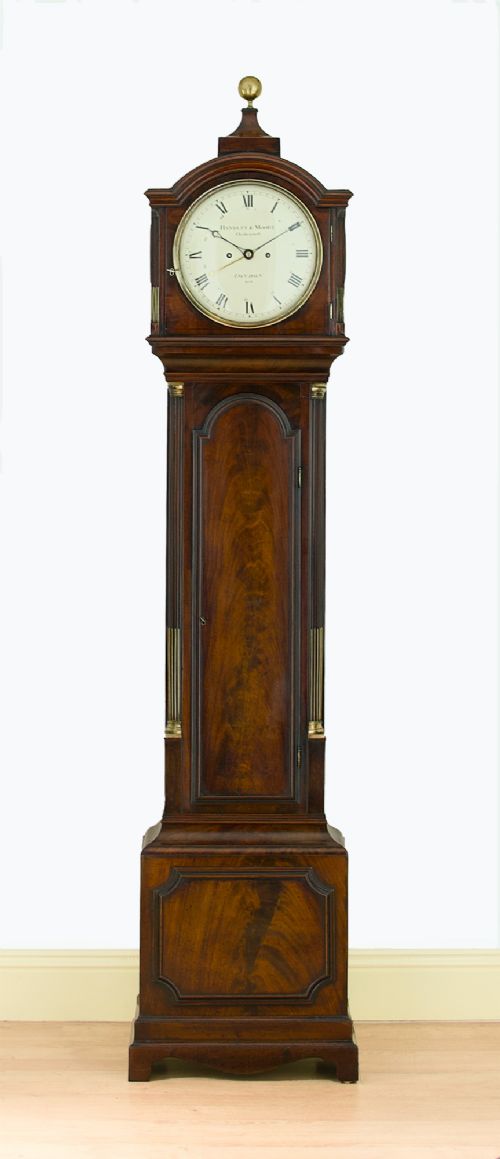
A vintage tall clock search brings together floor-standing timepieces known as longcase, grandfather, or grandmother clocks. These objects span from the eighteenth century through the Georgian and Victorian eras into Edwardian and Art Deco decades.
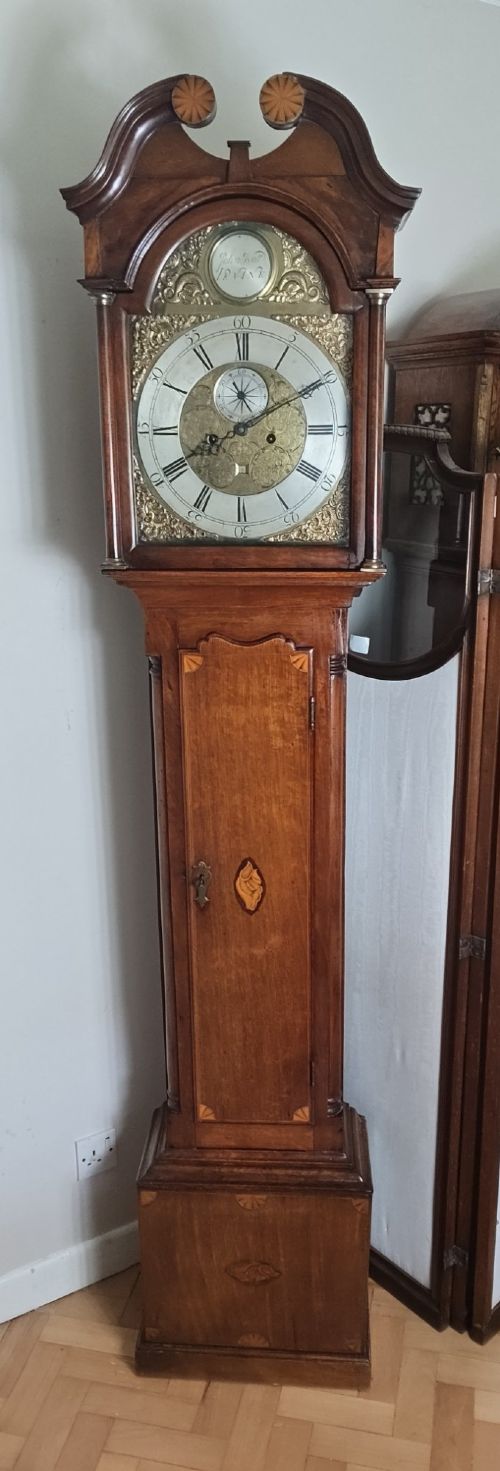
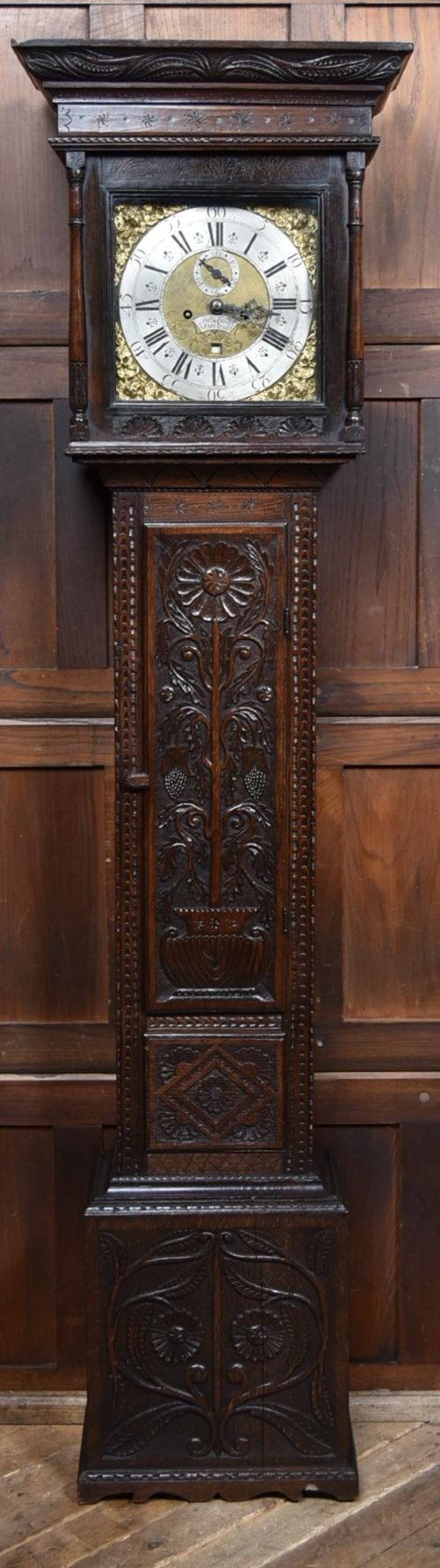
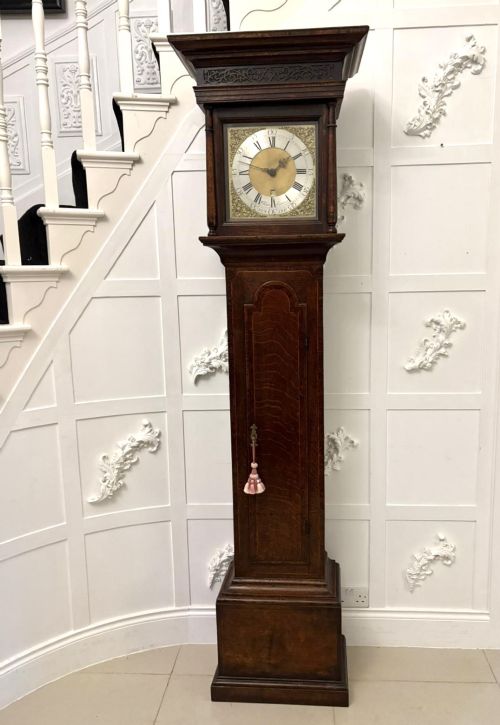
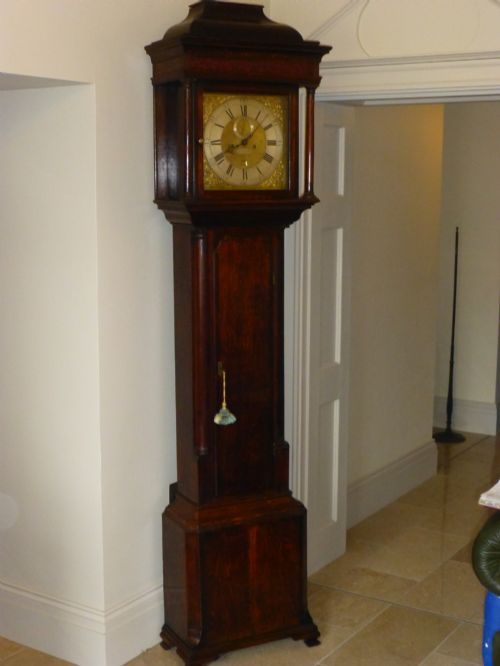
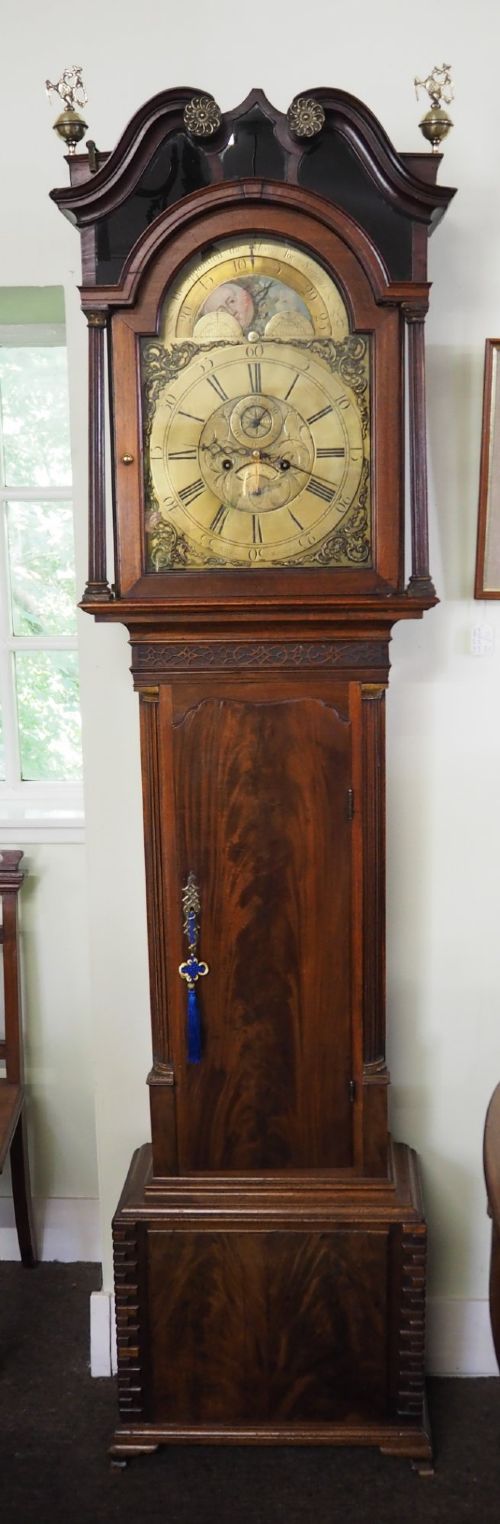
The pieces appearing on this page include tall mahogany and oak cases, alongside smaller grandmother clocks and decorative displays. Regional makers from London to Scotland signed dials housed in timber trunks built to measure hours for generations.

Materials and construction
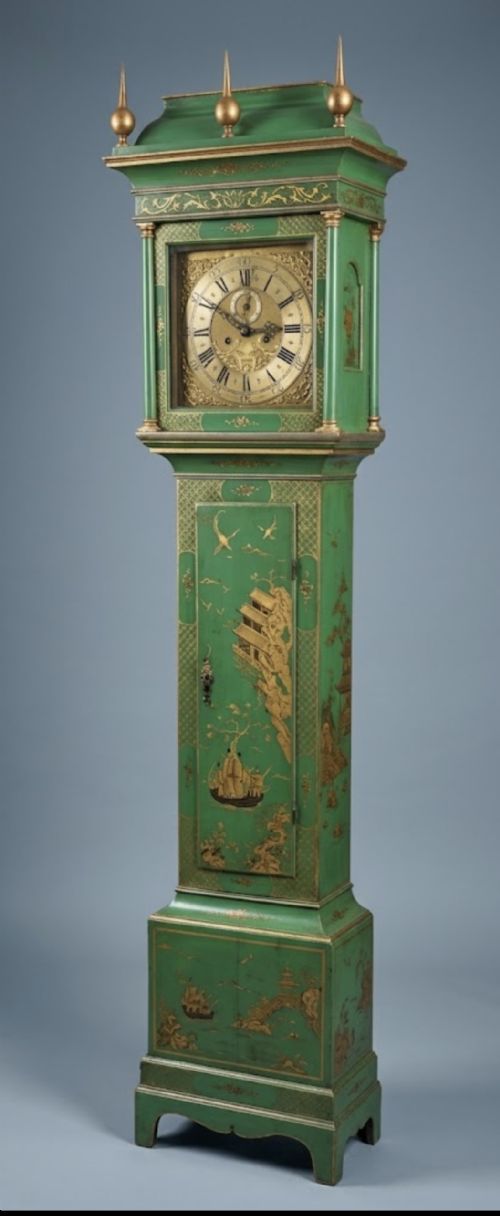
Cabinetmakers constructed the tall cases using solid timbers such as mahogany, oak, and walnut, frequently selecting figured veneers or burr walnut for decorative surfaces. Some examples feature lacquered finishes in green or blue applied in chinoiserie schemes.
Brass and steel formed the complex internal movements, often paired with brass dials that displayed phases of the moon or secondary subsidiary hands. Glass protected the dial faces set within the hoods at the top of each trunk.
Vintage Tall Clock Retail Price Guide 2026
Typical asking prices for vintage tall clock among the pieces listed under this phrase on Sellingantiques today, from the lower quarter to the upper quarter. They describe what is for sale here now, not the wider market.
At least one Scottish clockmaker chose to record a horse directly on the dial alongside the working gears.
Distinctions in quality
The standard of a vintage tall clock rests upon the crispness of the timber carving, the depth of the cabinet proportions, and the signature upon the dial. Regional diversity in movement execution separates simpler provincial timepieces from metropolitan London craftsmanship.
Original surface patination and untouched dial signatures elevate certain examples above standard utilitarian timekeepers. The integration of musical chimes or complex moon dials introduces mechanical refinement that distinguishes the upper tier of pieces.
John Fielder of Alton·Charles Shuckburgh·Gillett and Johnston·Windmills and Wightman·Edward Shepley of Manchester
The Vintage Tall Clock Glossary
- Longcase clock
- A tall floor-standing pendulum clock enclosed in a wooden case. This term serves as the formal descriptor for grandfather and grandmother clocks.
- Grandmother clock
- A scaled-down version of the traditional longcase clock produced during later periods. These shorter floor clocks suit domestic spaces with lower ceilings.
- Dial
- The face of the clock where the hours and minutes are displayed. Brass dials often feature engraved maker signatures and decorative spandrels.
- Chinoiserie
- European decorative style imitating Chinese artistic traditions. Lacquered clock cases utilise this technique with painted motifs on green or blue backgrounds.
Vintage Tall Clock: Frequently Asked Questions
Where should I place a tall clock?
These vertical timepieces require a stable, level floor away from direct heat sources to protect the wooden casework and internal pendulum.
Position them in hallways or principal rooms where the clearance height accommodates the full trunk and hood without obstruction.
How do I wind the movement?
Most mechanical weight-driven or spring-driven movements require a specialised key to raise the weights or tension the springs at regular weekly or monthly intervals.
Carefully insert the key into the winding holes on the dial face and turn gently until the weights reach their upper limit.
What is the difference between a grandfather and a grandmother clock?
Grandfather clocks represent the full-scale traditional tall timepieces produced primarily across the eighteenth and nineteenth centuries with substantial floor footprints.
Grandmother clocks are significantly shorter variants manufactured later in the twentieth century to fit modern domestic interiors.
How do I identify the period of the case?
Examine the timber selection, secondary woods, and construction methods used inside the trunk alongside the stylistic traits of the hood and dial.
Georgian and eighteenth-century examples display distinct proportions and brass spandrel designs compared to Edwardian or Art Deco interpretations.