
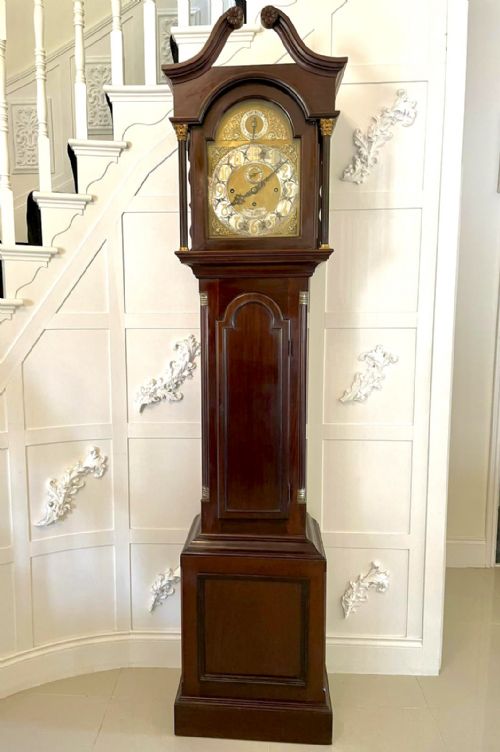
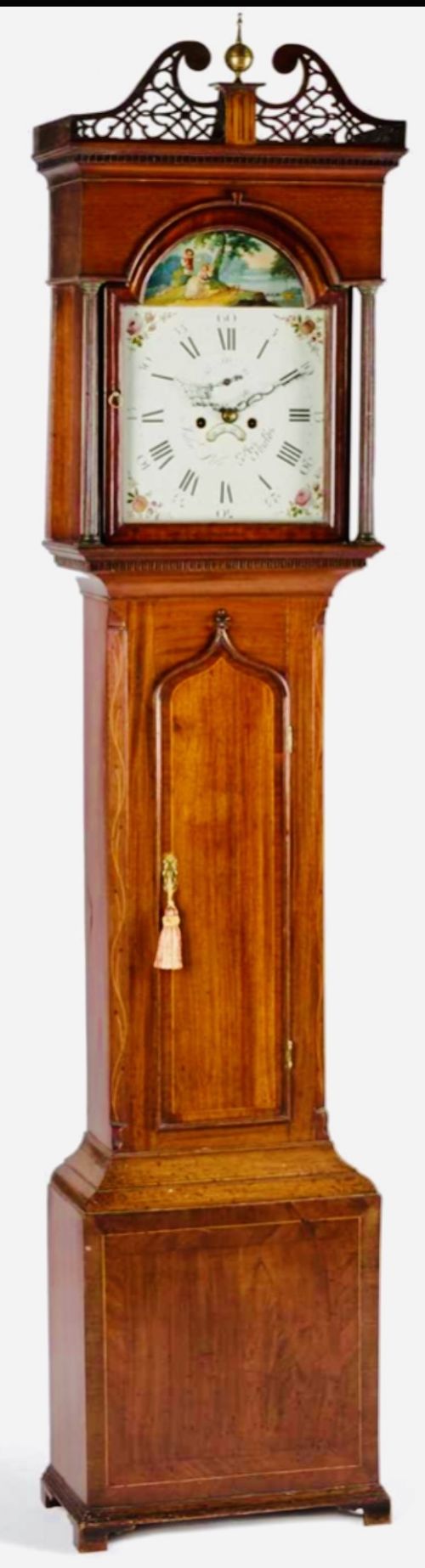
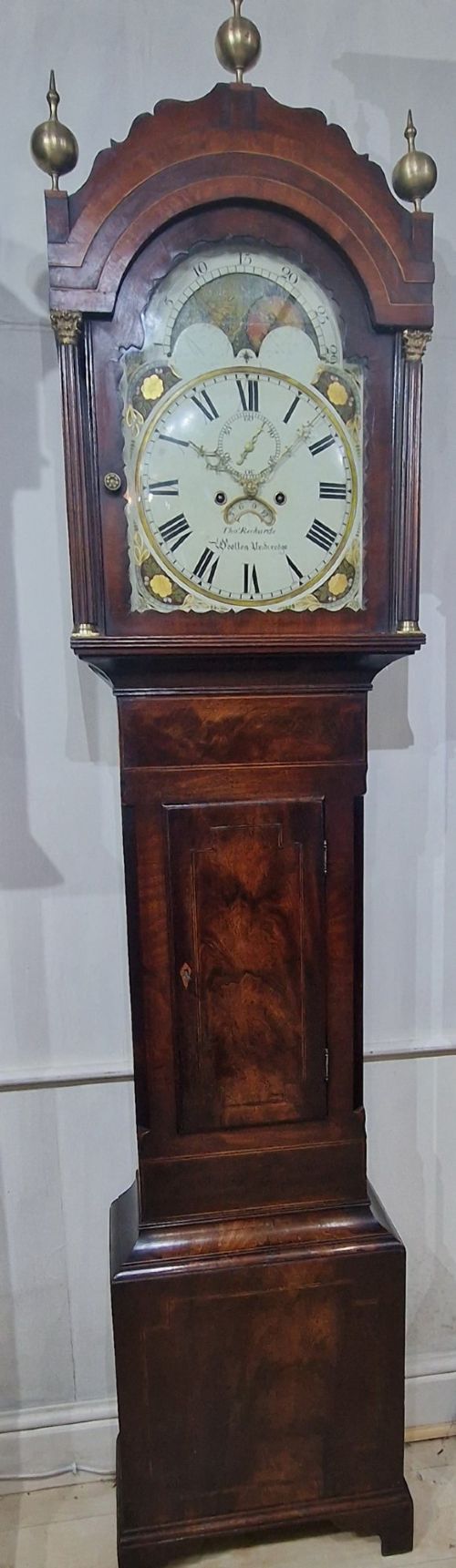
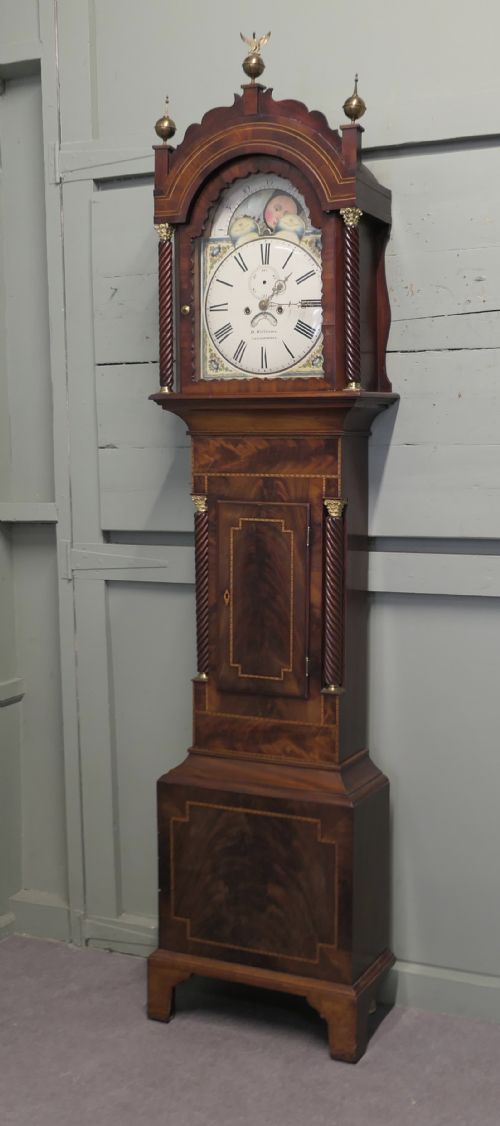
Brown Mahogany Longcase Clock
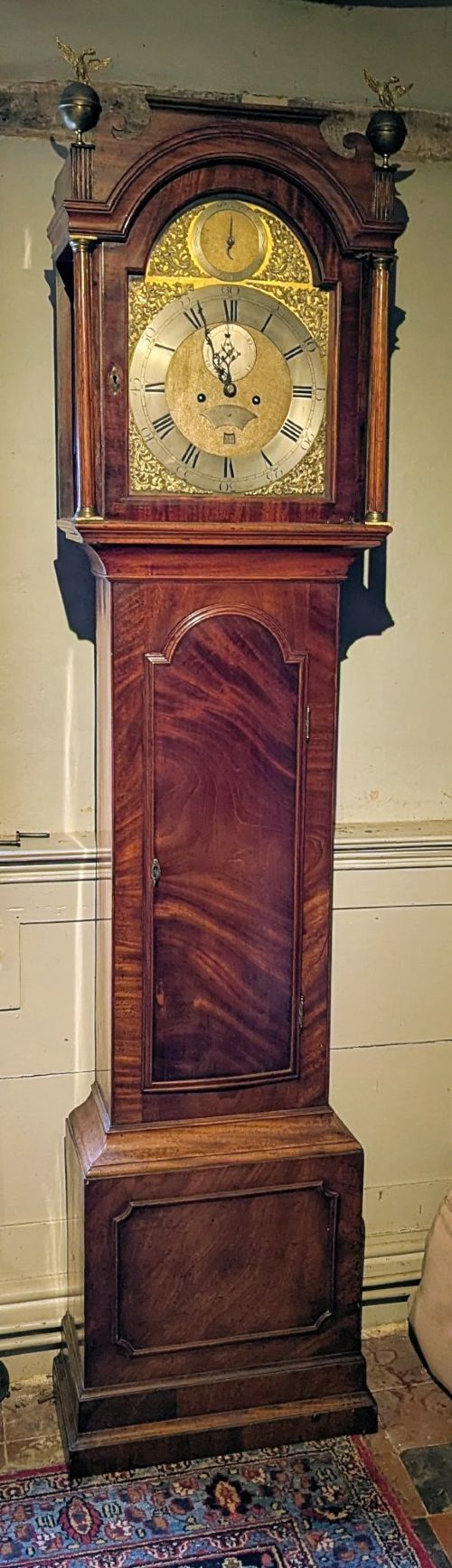
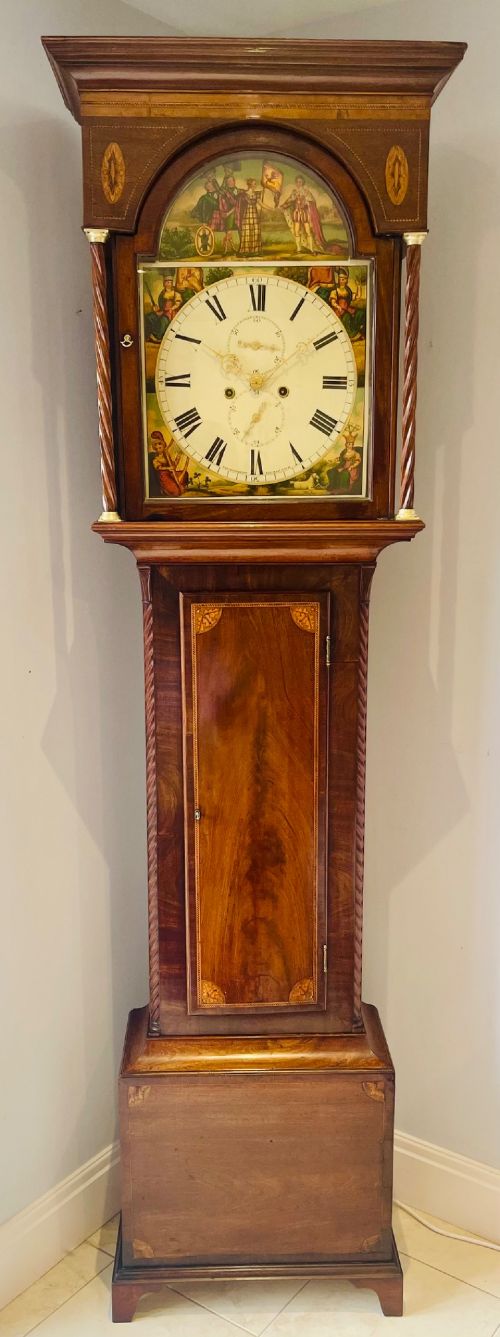
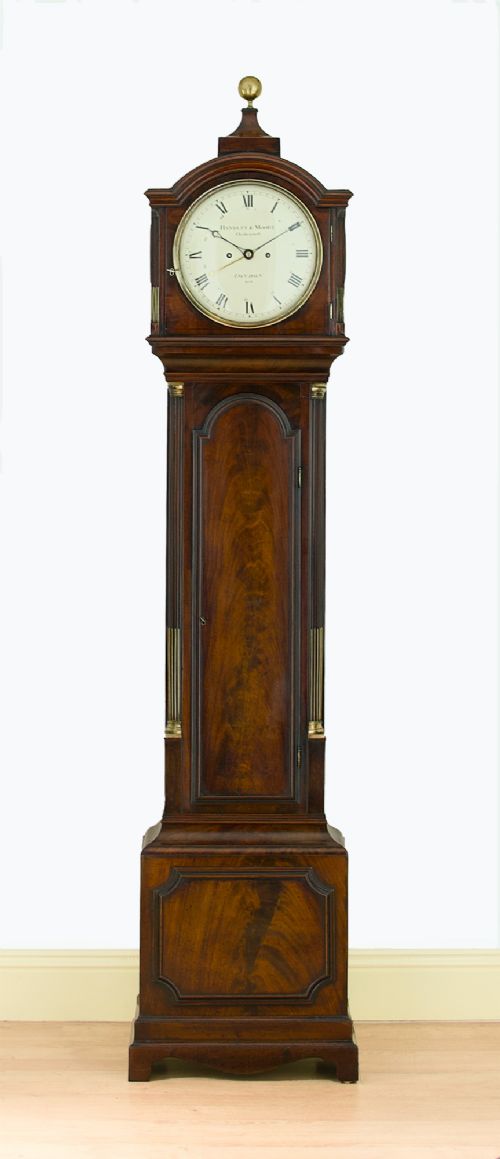
A brown mahogany longcase clock anchors a hallway with tall proportions, ticking time through Georgian and Victorian centuries.
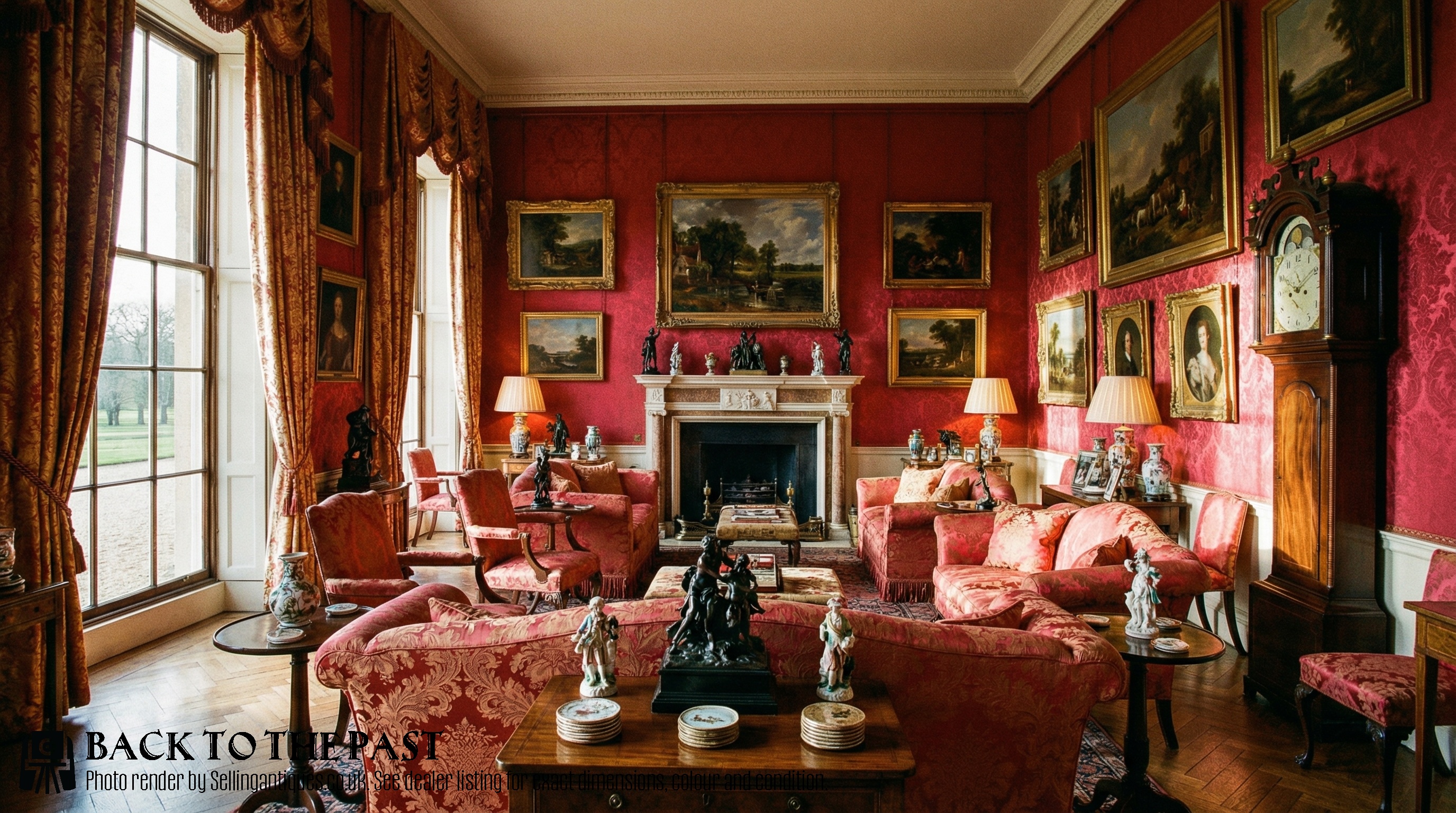
Brown Mahogany Longcase Clock
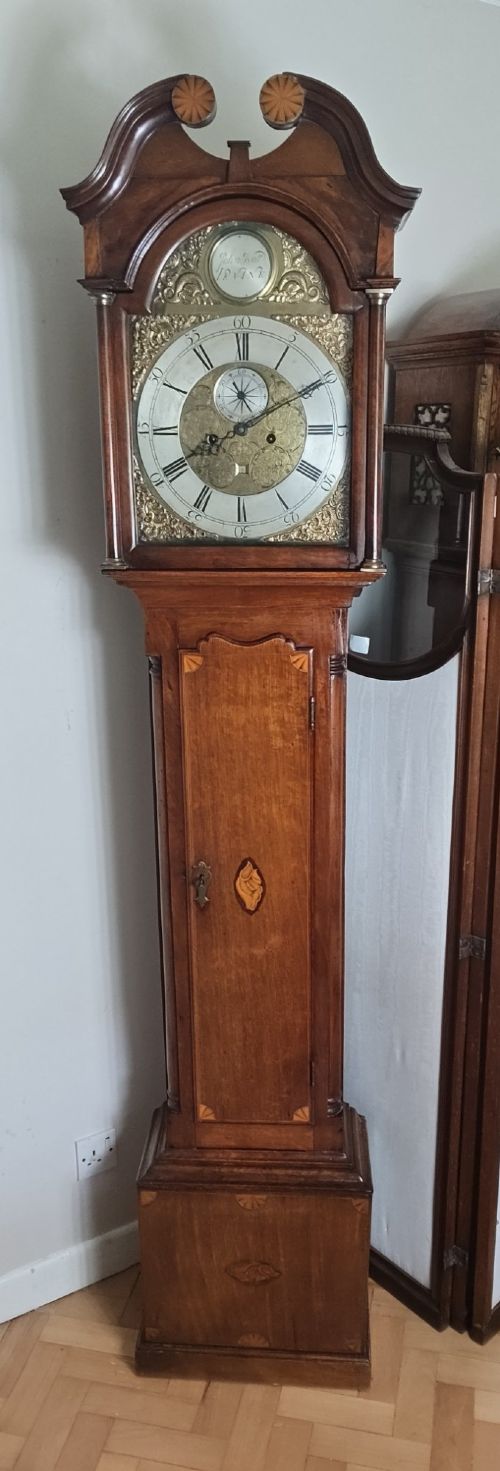
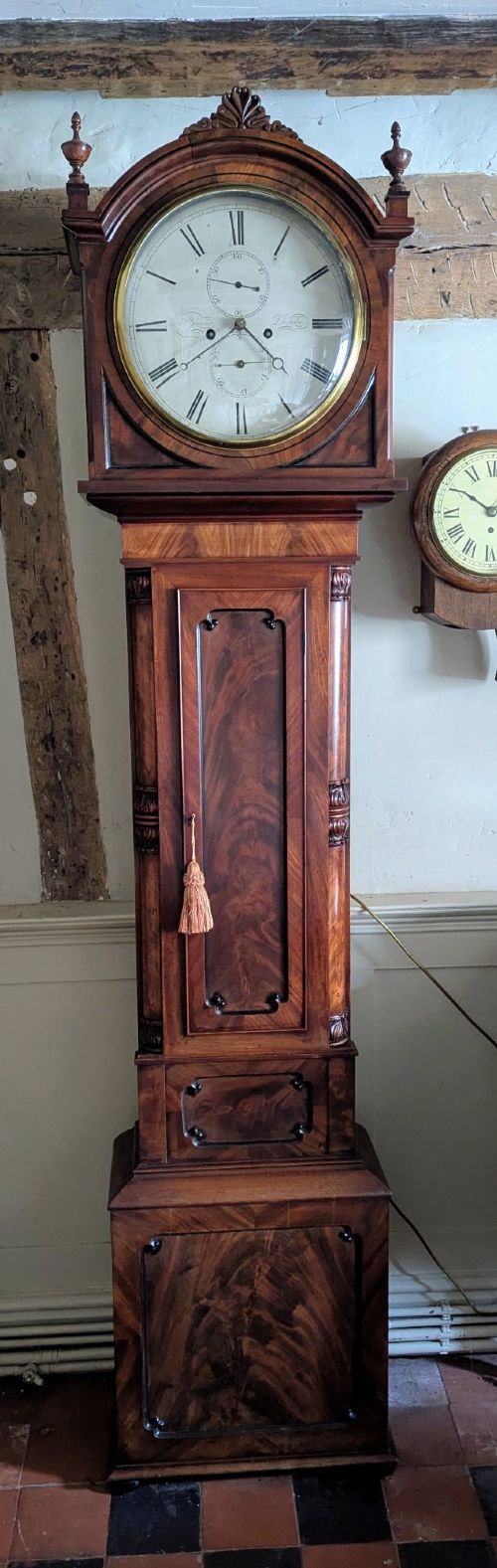
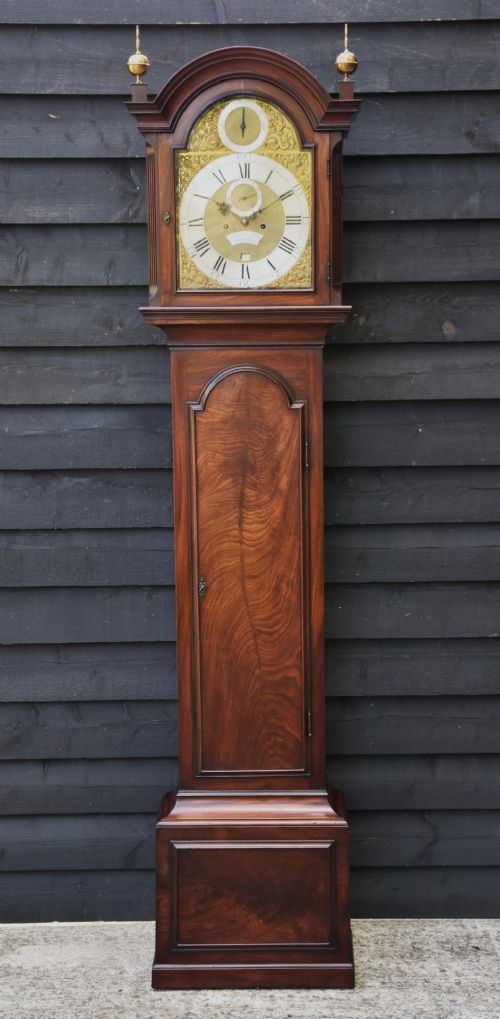
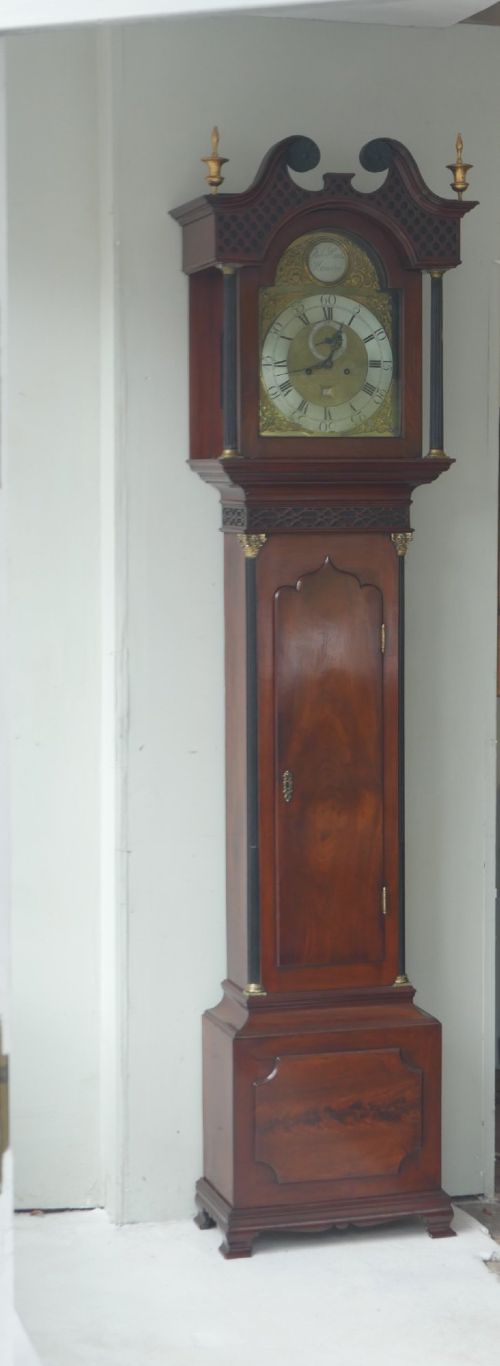
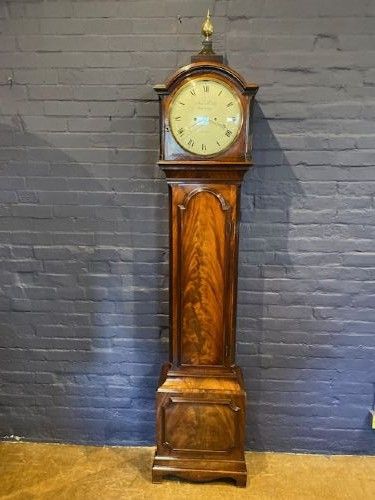
A brown mahogany longcase clock stands as a traditional tall timekeeper, commonly referred to as a grandfather clock in domestic settings. These pieces span periods from the eighteenth century through the Victorian era and into Edwardian times, showing regional variations from English and Scottish makers.
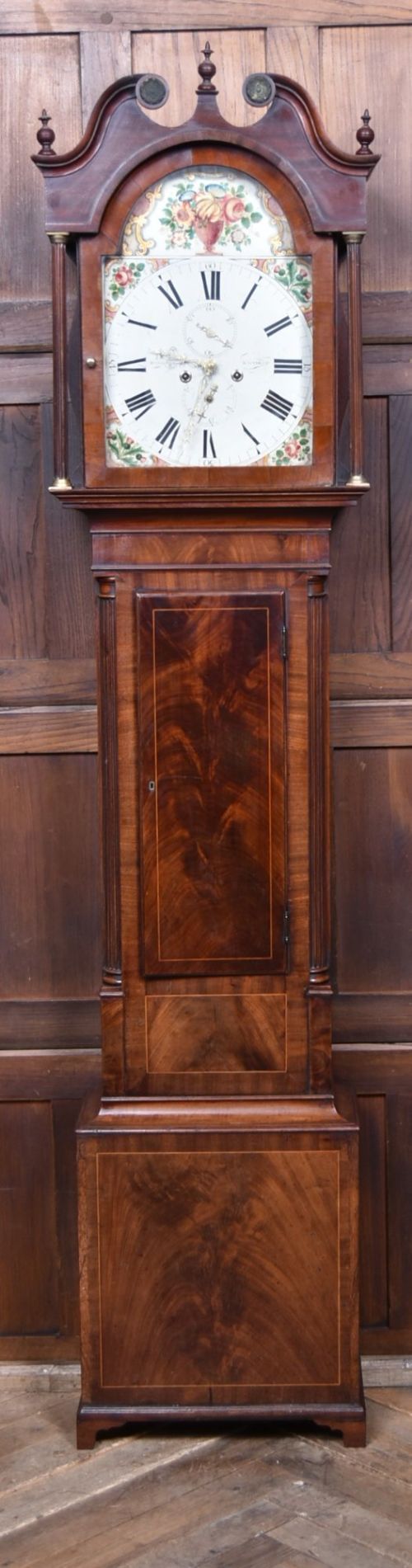
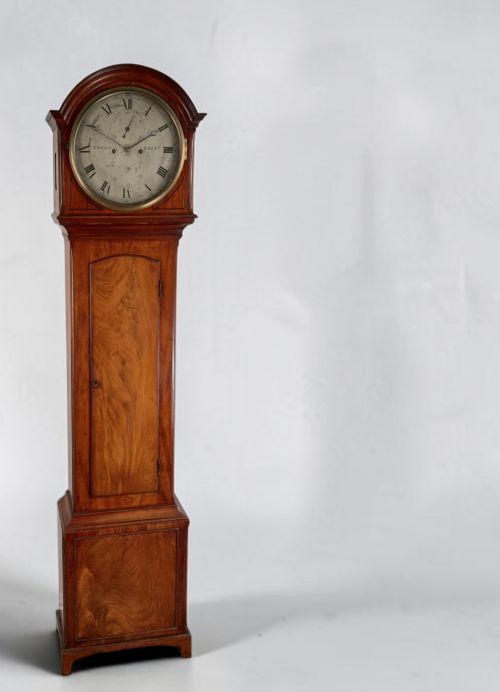
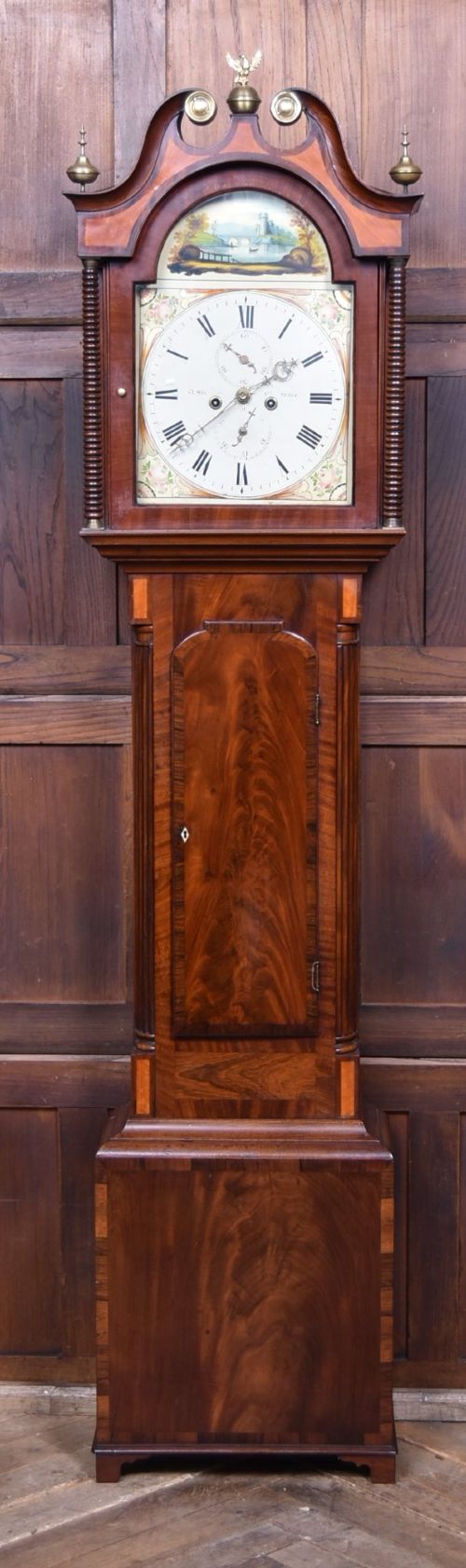
The selections available here range from grand eight-day movements with painted iron dials and moon rollers down to smaller granddaughter or grandmother clocks. Most examples utilise rich mahogany, occasionally banded with oak or featuring inlaid details that reflect Georgian and Regency styles.
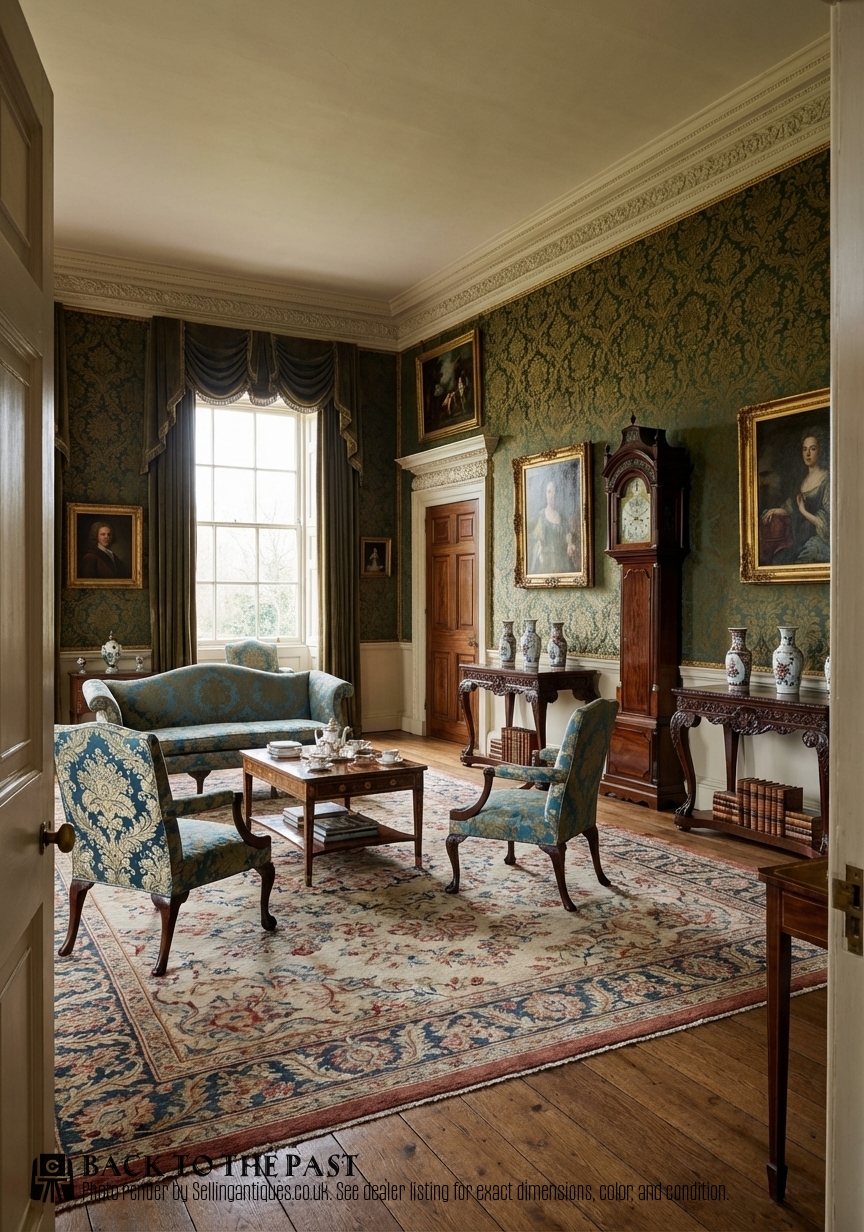
How they were made
Cabinetmakers built the tall wooden cases using mahogany and flame mahogany timber, sometimes incorporating oak structures or decorative crossbanding. These timber surfaces enclose the weights and pendulum, joined with traditional cabinetry techniques suited to floor-standing furniture.
Clockmakers fitted brass movements, steel components, and glass dial covers, often pairing them with painted iron faces. Dials frequently incorporate intricate brass spandrels, subsidiary seconds rings, and moon phases driven by mechanical gear trains.
Listings feature mahogany, oak, brass, glass, and painted iron across Georgian, Victorian, and Edwardian periods.
What varies in quality
The distinction between standard examples and the finest pieces rests in the execution of the cabinetwork and the reputation of the dial signature. Selected timbers like flame mahogany, paired with crisp brass dial ornamentation and complex movements such as quarter chiming or musical mechanisms, elevate a clock's standing.
Dial artistry also dictates worth, where finely painted iron faces signed by recorded provincial or London makers demonstrate superior craftsmanship compared to plain or unmarked alternatives.
Hendrie Ogg Dunfermline·Green of Edinburgh·D Straiton Montrose·James McCabe·Handley and Moore·Winsor Bishop Norwich·Rickards Wotton Under Edge·D Williams Crickhowell·Matt Wylie Paisley·Edward White Birmingham·John Rainsford·Benjamin Peers Chester·Brown of Glasgow
The Brown Mahogany Longcase Clock Glossary
- Longcase clock
- A tall pendulum clock enclosed in a wooden case resting on the floor, traditionally known as a grandfather clock.
- Moon roller
- A secondary dial mechanism that tracks the phases of the lunar cycle behind an arched painted iron face.
- Crossbanding
- A decorative border technique where strips of veneer are laid across the grain of the primary mahogany surface.
- Eight day
- A clock movement requiring winding once a week, driven by heavy weights suspended on cords or chains.
- Quarter chiming
- A mechanical setup that strikes the bells or gongs every fifteen minutes to mark the progression of an hour.
Brown Mahogany Longcase Clock: Frequently Asked Questions
Where should a longcase clock live?
These tall timekeepers suit hallways, landings, or high-ceilinged rooms where their vertical proportions and pendulum swing have adequate clearance.
Position the case against a solid internal wall away from direct heat sources and drafts to protect the timber and maintain mechanical accuracy.
How do eight day movements work?
An eight day movement uses hanging lead weights attached to lines or chains that turn the internal brass and steel gear trains as they slowly descend.
Owners use a crank key every week to wind the weights back to the top of the trunk.
What is a grandmother clock?
A grandmother clock is a smaller, more slender version of the traditional longcase, typically produced during the twentieth century including the Edwardian period.
These compact timepieces offer the presence of a grandfather clock while fitting into lower ceilings and smaller modern rooms.
How do I identify a Georgian clock?
Georgian examples date from the eighteenth and early nineteenth centuries, displaying classic architectural proportions, brass dial spandrels, and rich mahogany or oak cases.
Signatures inscribed on painted iron or brass dials often point to specific regional makers operating during this era.