
Vintage Salon Chairs
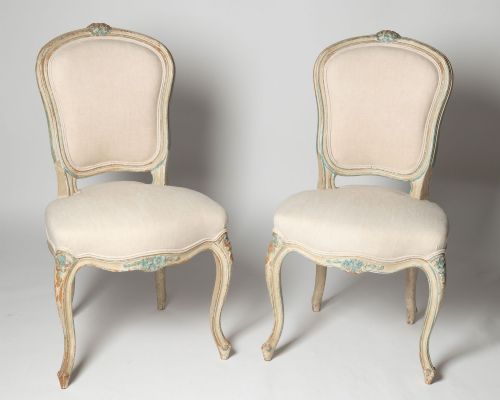
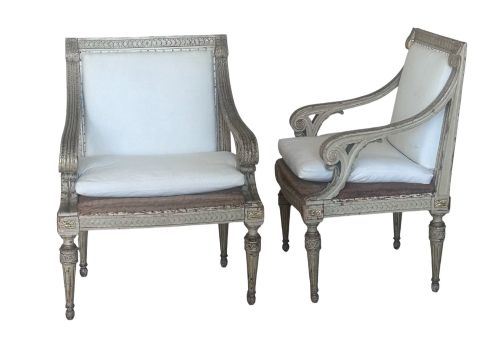
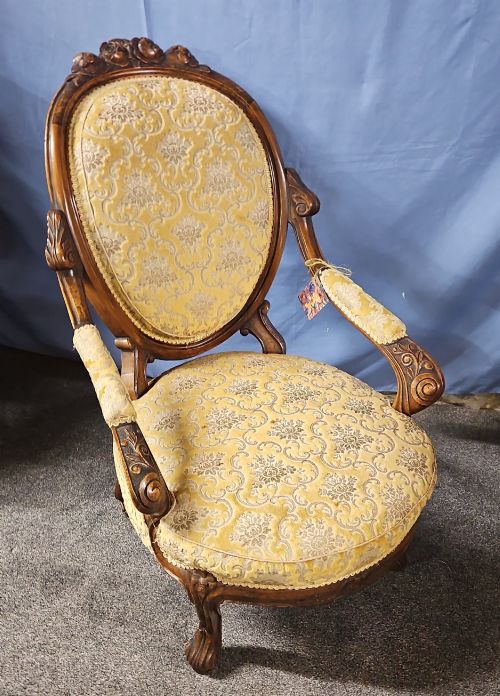
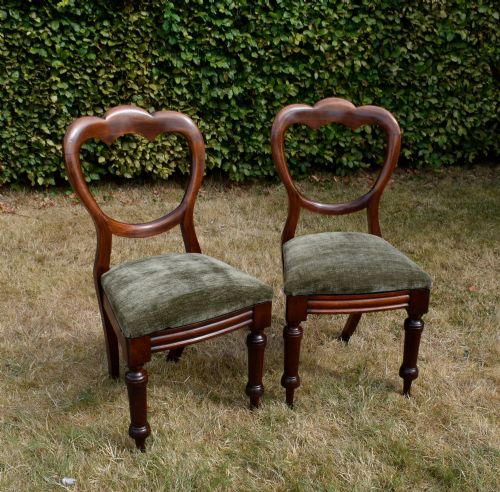
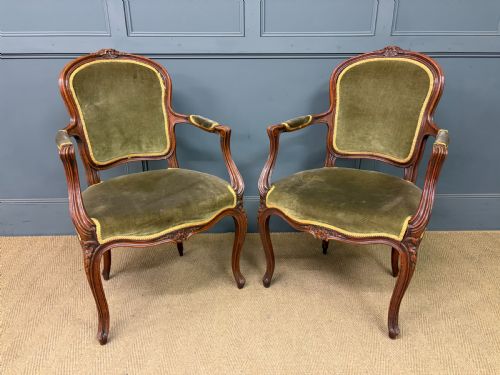
These vintage salon chairs bring nineteenth-century French and Victorian elegance to a room through carved wood frames and soft upholstery.
Vintage Salon Chairs
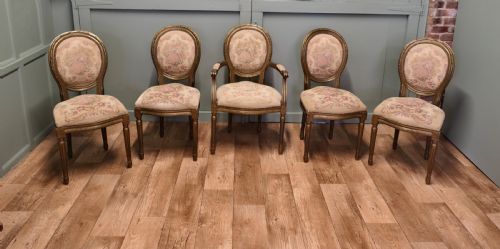
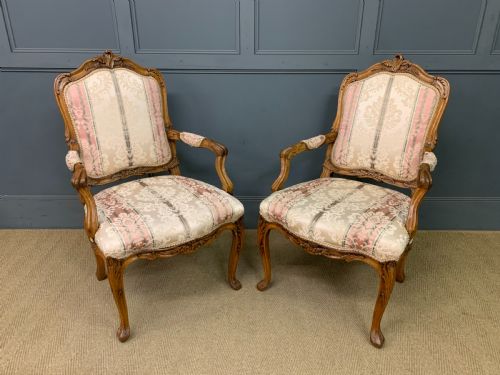
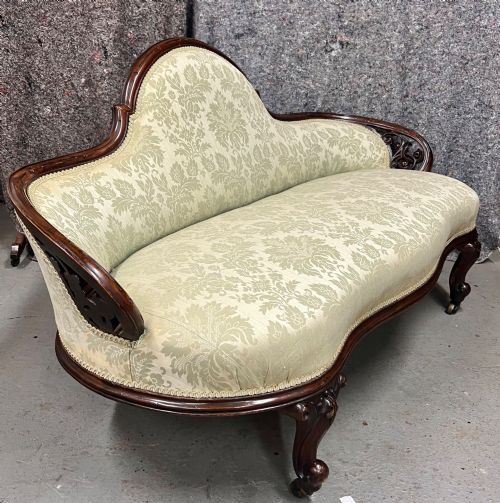
Vintage salon chairs comprise seating designed for formal entertaining and drawing rooms, predominantly taking the form of armchairs, side chairs, and occasional pieces. Buyers seeking these items encounter a strong representation of nineteenth-century French and Victorian examples, alongside Edwardian variations.
How they were made
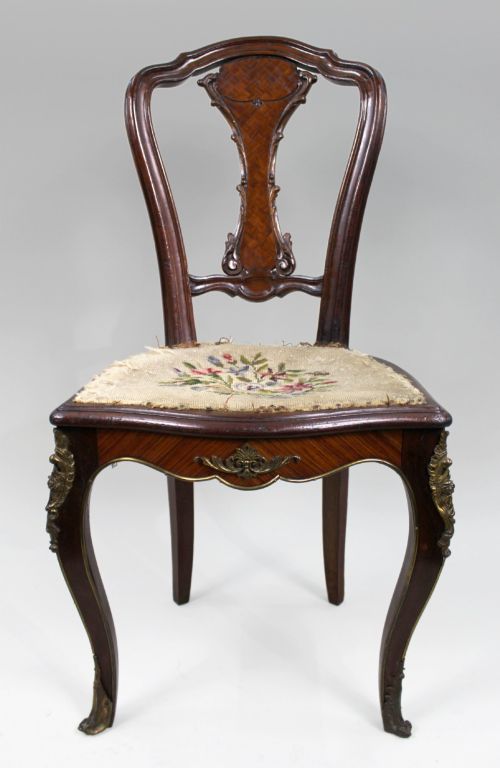
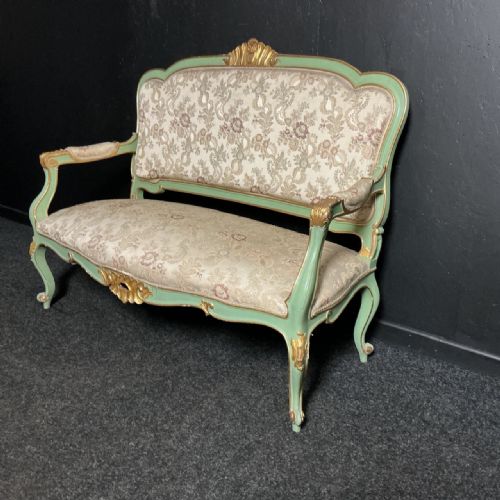
Frames rely upon traditional hardwoods such as mahogany, walnut, oak, and occasionally exotic timbers like goncalo Alves and kingwood, shaped through meticulous carving and joinery. Giltwood and painted finishes appear frequently alongside natural polished wood surfaces.
Upholstery methods incorporate traditional fabric coverings including velvet, calico, tapestry, and needlepoint panels. Metal elements such as brass or ormolu mounts provide structural accents and decorative detailing on select pieces.
What varies in quality
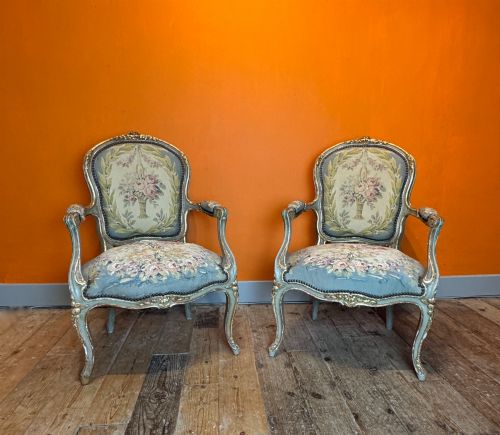
The standard of carving and the crispness of detail dictate the upper tier of these chairs, distinguishing hand-carved walnut and giltwood from simpler production. Fine parcel gilding and intricate marquetry or parquetry inlay elevate specific French and Edwardian pieces above standard counterparts.
The integrity of the timber framing and the authenticity of the period upholstery materials create further distinction. Superior examples retain original decorative mounts and cohesive stylistic harmony across suites or matched pairs.
Mellier and Co
The Vintage Salon Chairs Glossary
- Giltwood
- Wood that has been treated with gold leaf or a gold-coloured finish. This technique highlights carved details on formal French and Victorian frames.
- Fauteuil
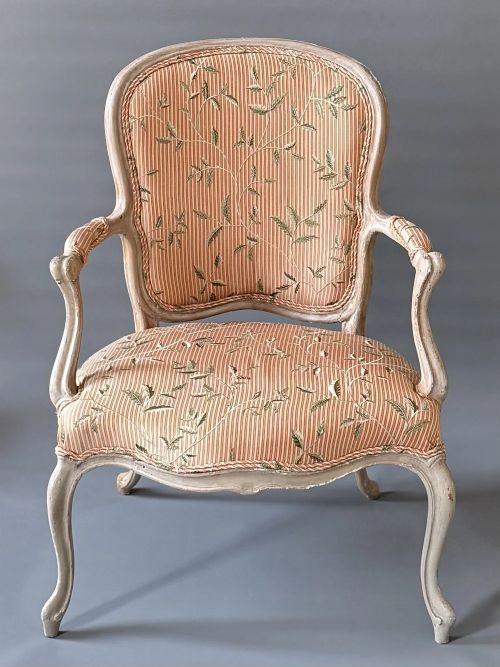
- An open-armed upholstered armchair with exposed wooden sides. This classic French form originates from the seventeenth century and remains popular in salon settings.
- Ormolu
- Cast bronze that has been gilded with gold and applied as a decorative mount. It frequently accents French kingwood and mahogany furniture.
- Marquetry
- Decorative patterns formed by inserting thin pieces of wood into a wooden veneer. It creates intricate geometric or floral designs on table tops and chair backs.
- Bergere
- An enclosed upholstered armchair with wooden framing and cane or upholstered sides. This style provides a comfortable seated posture suited to reading and relaxation.
Vintage Salon Chairs: Frequently Asked Questions
What defines a salon chair?
Salon chairs are smaller, decorative seats designed for formal reception rooms rather than heavy daily lounging. They prioritise aesthetic appeal through carved frames and ornate upholstery.
These pieces often feature exposed wood such as walnut, mahogany, or giltwood, accompanied by detailed textiles like velvet or needlepoint.
How do French and Victorian styles differ?
French styles like Louis XVI and Rococo Revival emphasise carved giltwood, painted finishes, and curved cabriole legs. They reflect continental formality and lighter decorative motifs.
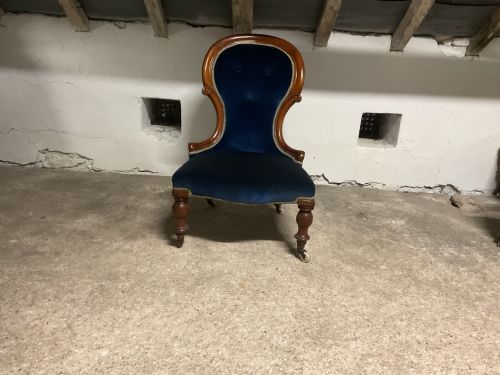
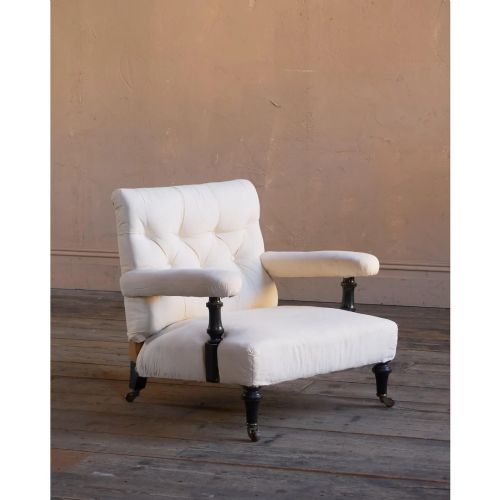
Victorian pieces tend to use darker woods such as walnut and mahogany with robust frames, spoonbacks, and button-tufted upholstery reflecting British domestic taste.
Can these chairs be used daily?
Most antique salon chairs tolerate normal sitting, though their lighter nineteenth-century construction requires more care than modern heavy furniture. Occasional seating use preserves their historic frames and joints.
Upholstery condition dictates comfort levels, and many buyers choose to refresh older fabrics while retaining the original internal webbing and springs.
How do I identify a nineteenth-century piece?
Nineteenth-century examples display characteristic timber ageing, hand-carved joinery details, and period-appropriate textiles such as velvet, calico, or tapestry. Maker attributions sometimes appear on select frames.
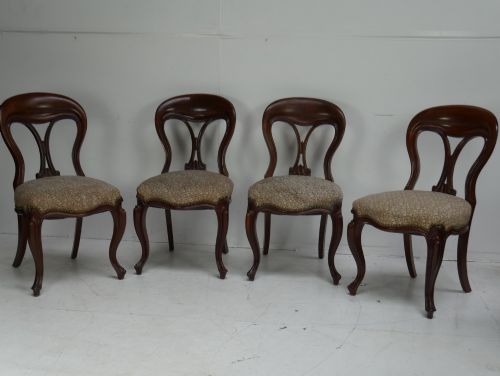
Stylistic cues like balloon backs, barley twist legs, or ormolu mounts point directly to Victorian and French nineteenth-century production periods.