
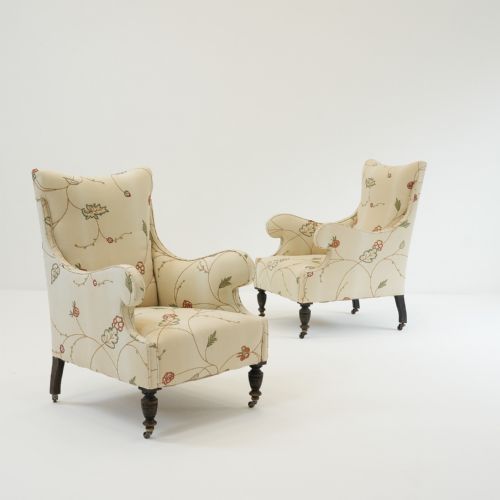


Cream Floral Chairs
Cream floral chairs bring together period charm and upholstered comfort, making them a natural choice for adding character to a traditional room.
Cream Floral Chairs
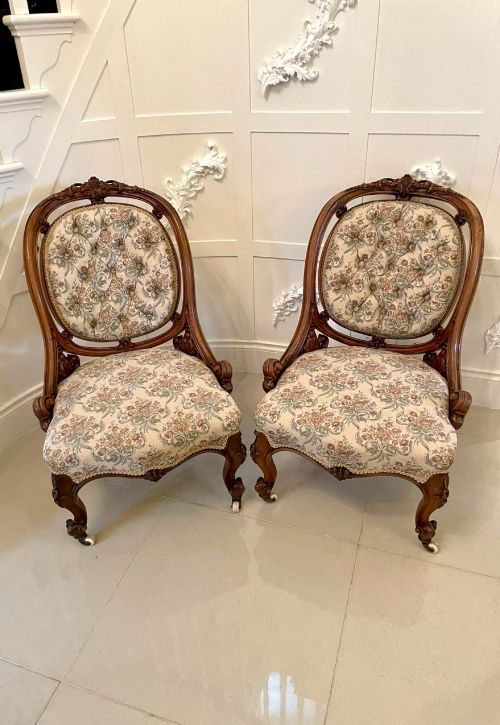
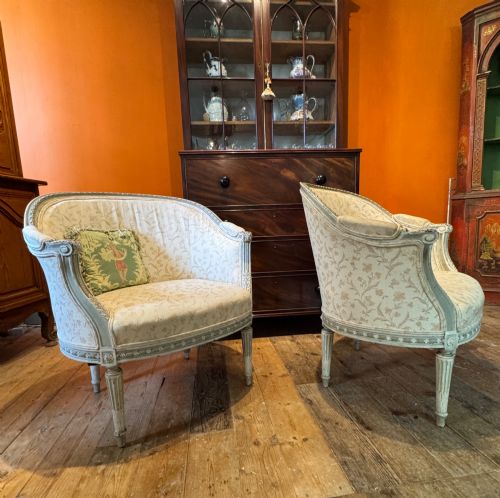
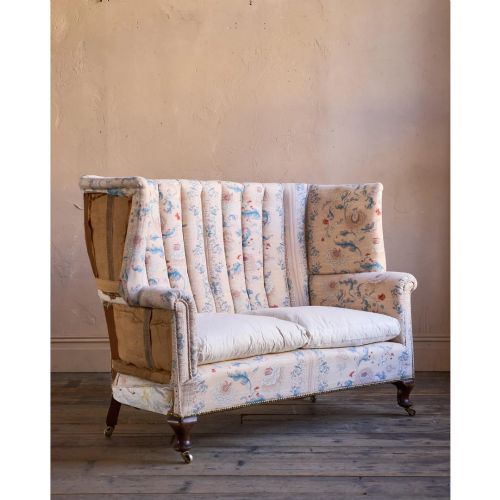
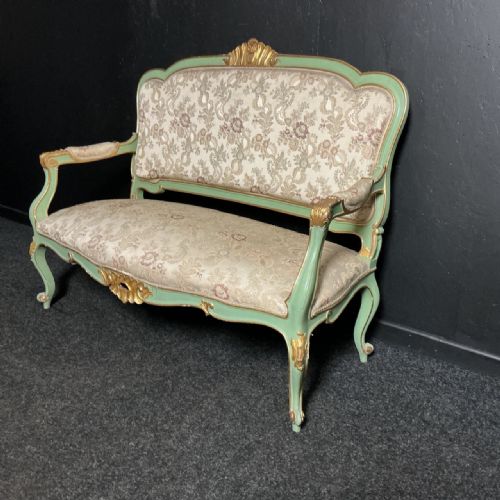
Cream floral chairs encompass a broad selection of antique seating, ranging from Victorian armchairs and salon seats to French revival designs and country house styles. When searching for cream floral chairs, buyers encounter various forms including open armchairs, slipper chairs, and wingbacks upholstered in patterned textiles. These pieces draw on historical periods such as the nineteenth century, the Edwardian era, and the mid-twentieth century.
Materials and construction
Makers built the frames of these chairs using hardwoods such as mahogany, walnut, oak, and rosewood, alongside softer painted or ebonized woods. Structural elements often incorporate traditional joinery and carved wood details, while brass hardware appears on specific seating types like revolving piano stools.
Upholstery forms a central part of these pieces, utilising fabrics like cotton and specialised needlework, crewelwork, and tapestry. Frames frequently feature original paint, polychrome decoration, or polished wood surfaces that highlight the grain.
Listings feature nineteenth-century and Victorian seating in mahogany, walnut, and painted wood, upholstered in cotton, tapestry, and crewelwork.
Distinguishing quality in period seating
Quality in these chairs rests upon the crispness of the wood carving and the integrity of the frame construction. Finer pieces display well-proportioned lines, substantial timber frames, and hand-worked upholstery techniques that complement the age of the item.
The condition of the original finishes and textiles distinguishes standard production from superior examples. Pieces retaining untouched paintwork, detailed needlework, or attributed maker provenance command greater interest from collectors.
Howard & Sons·Gillows·Maple & Co
The Cream Floral Chairs Glossary
- Bergere
- An enclosed upholstered armchair with wooden framing, typically featuring cane or upholstered sides. This French form gained popularity during the eighteenth century and inspired later nineteenth-century revivals.
- Prie-Dieu chair
- A low-backed devotional chair designed for kneeling and prayer during the Victorian period. These chairs often feature upholstered seats and distinctive tall, narrow backs.
- Slipper chair
- A low-seated bedroom chair designed without arms to assist women with footwear in the nineteenth century. Their compact proportions make them useful in modern dressing rooms.
- Crewelwork
- A type of embroidery using wool yarn on a plain-weave fabric to create floral and botanical patterns. It appears frequently on traditional upholstery.
- Ebonized
- Wood finished with a dark stain or lacquer to imitate ebony. This treatment became common on Victorian salon furniture to create a striking contrast with lighter fabrics.
Cream Floral Chairs: Frequently Asked Questions
How do I date a floral armchair?
Dating relies on examining the underlying timber, the style of the wood carving, and the construction methods used in the frame. Victorian and Edwardian pieces each display distinct proportions and joinery techniques that reveal their period of origin.
The upholstery fabric and padding methods also provide clues, though many antique chairs have been re-covered over the decades. Comparing the frame style to documented revival periods helps narrow down the manufacturing decade.
Are these chairs suitable for daily use?
Most antique armchairs and salon seats remain sturdy enough for regular seating, provided the frame joints are secure. Solid hardwood frames handle everyday sitting well, though older spring systems may feel firmer or softer than modern upholstery.
Buyers planning heavy daily use often inspect the internal webbing and padding to ensure structural support. Placing them out of direct sunlight helps protect the cream and floral textiles from fading over time.
What is a French revival armchair?
French revival armchairs are nineteenth-century interpretations of earlier styles like Louis XV and Louis XVI. Makers borrowed the sweeping cabriole legs, carved floral motifs, and painted finishes of eighteenth-century France for Victorian interiors.
These chairs often feature exposed wooden frames with cream or distressed painted surfaces. They bring a decorative, lighter aesthetic compared to heavier Victorian walnut or mahogany seating.
How do I care for antique upholstery?
Maintaining antique cotton, tapestry, or needlework upholstery involves gentle vacuuming with a soft brush attachment to remove dust. Avoiding direct sunlight prevents the cream background and floral threads from losing their colour.
For wooden frames, regular dusting with a dry cloth keeps the polished mahogany, walnut, or painted finish clean. Harsh chemical cleaners should be avoided to preserve the integrity of both the wood and the fabric.