


Vintage Porcelain Figurine
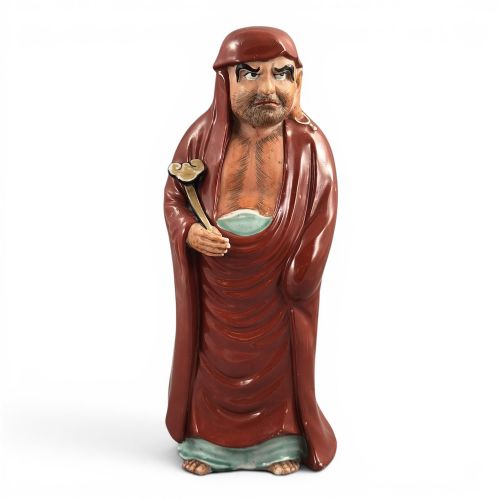
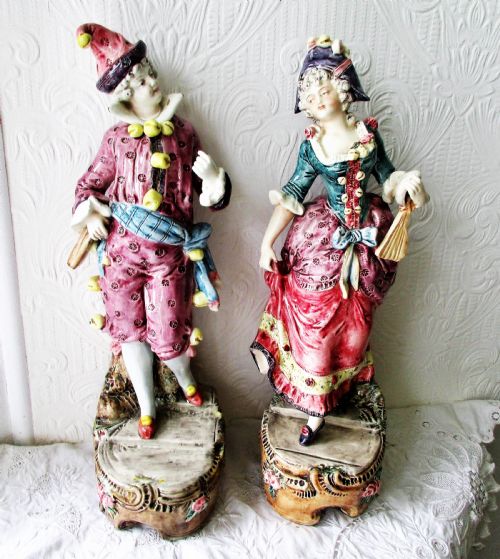
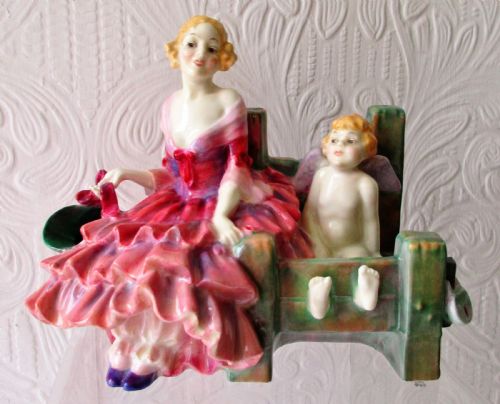
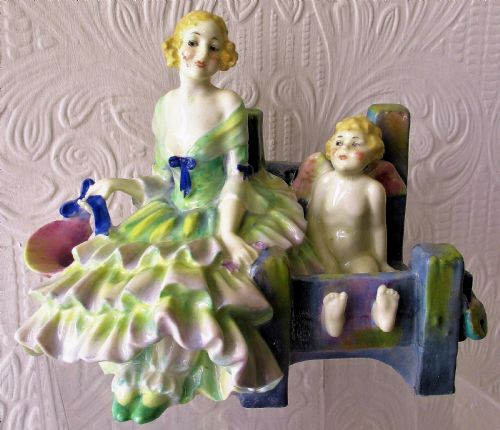
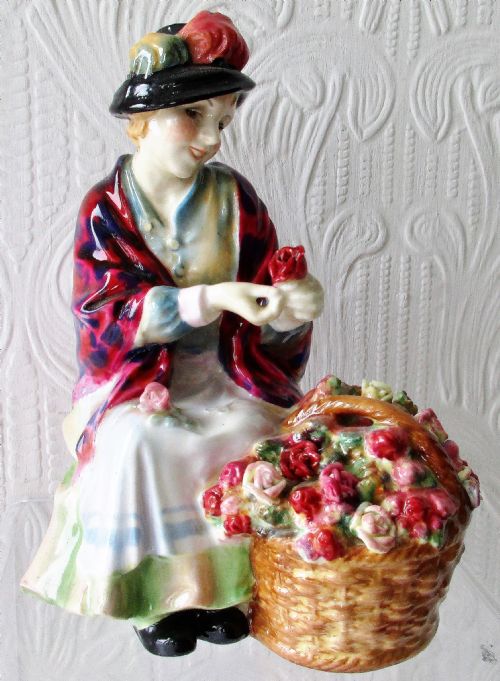
A vintage porcelain figurine captures human, animal or allegorical subjects in three dimensions, bringing mid-century character and historical craftsmanship directly to a mantelpiece.
Vintage Porcelain Figurine
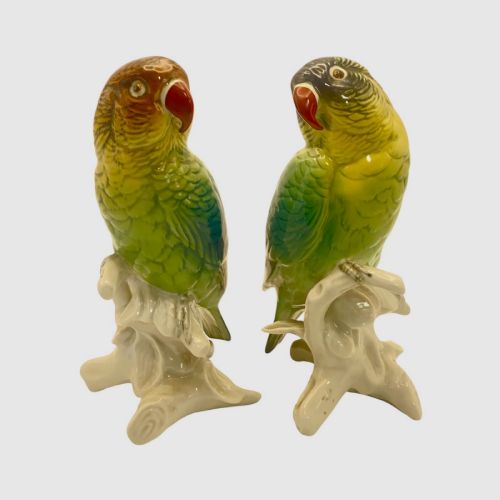
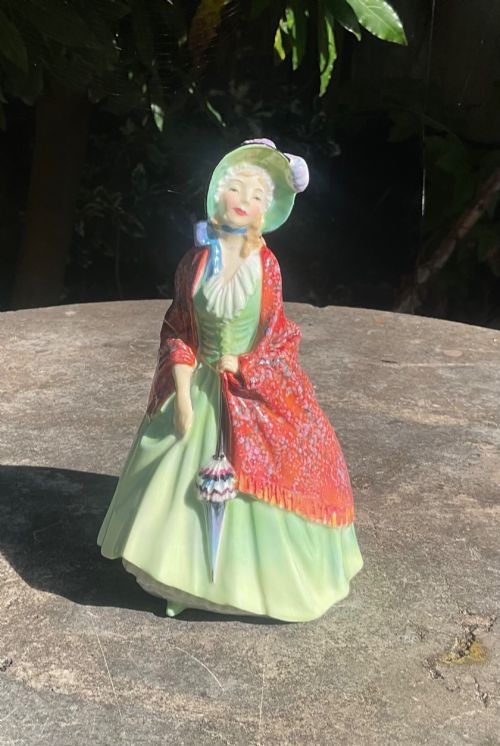
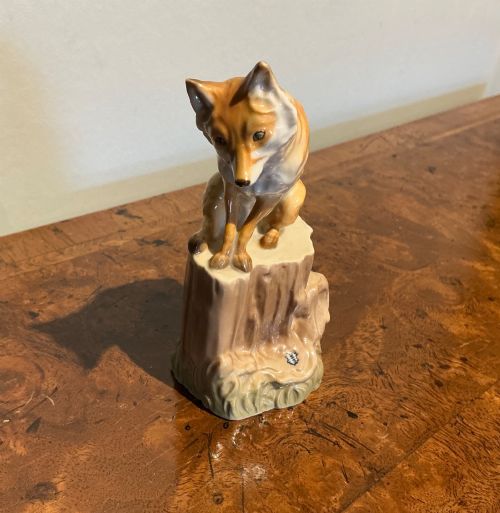
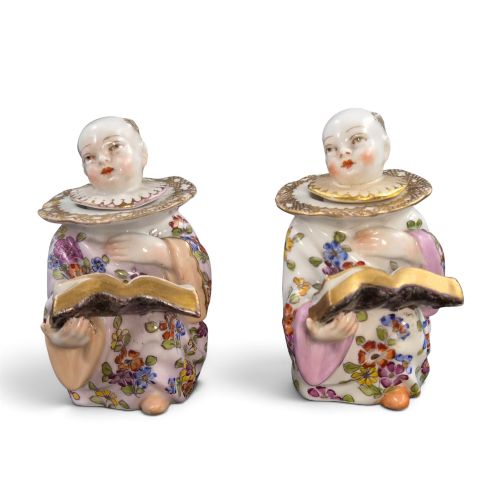
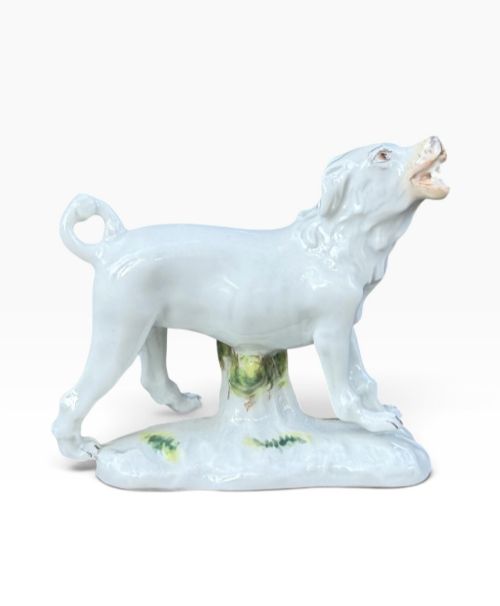
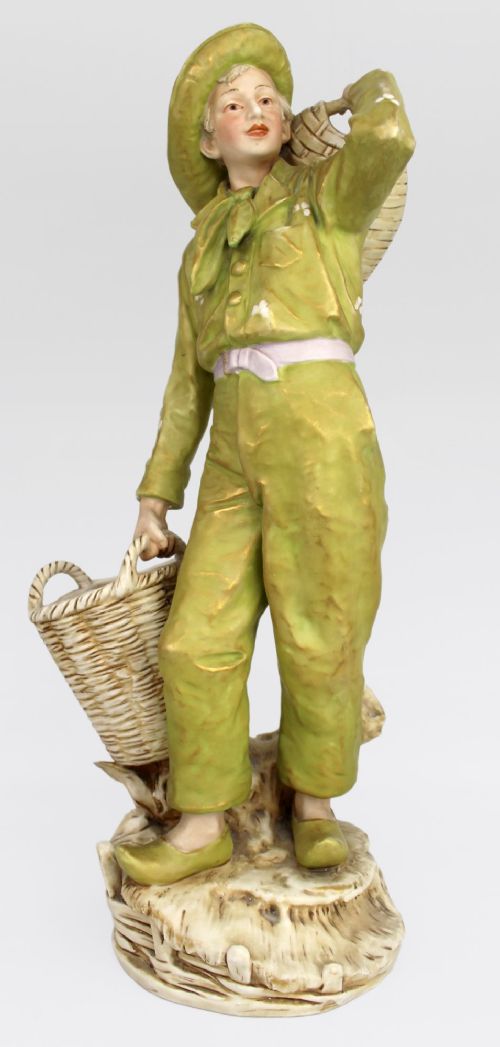
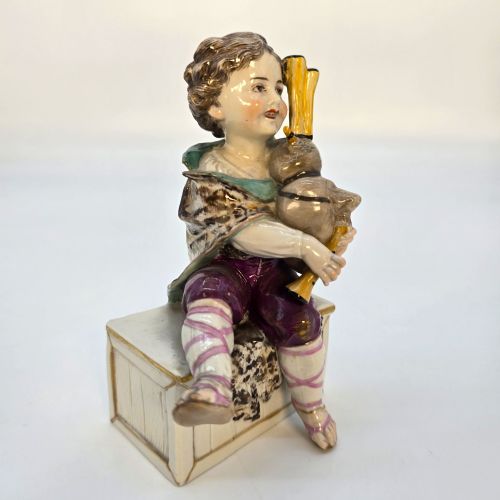
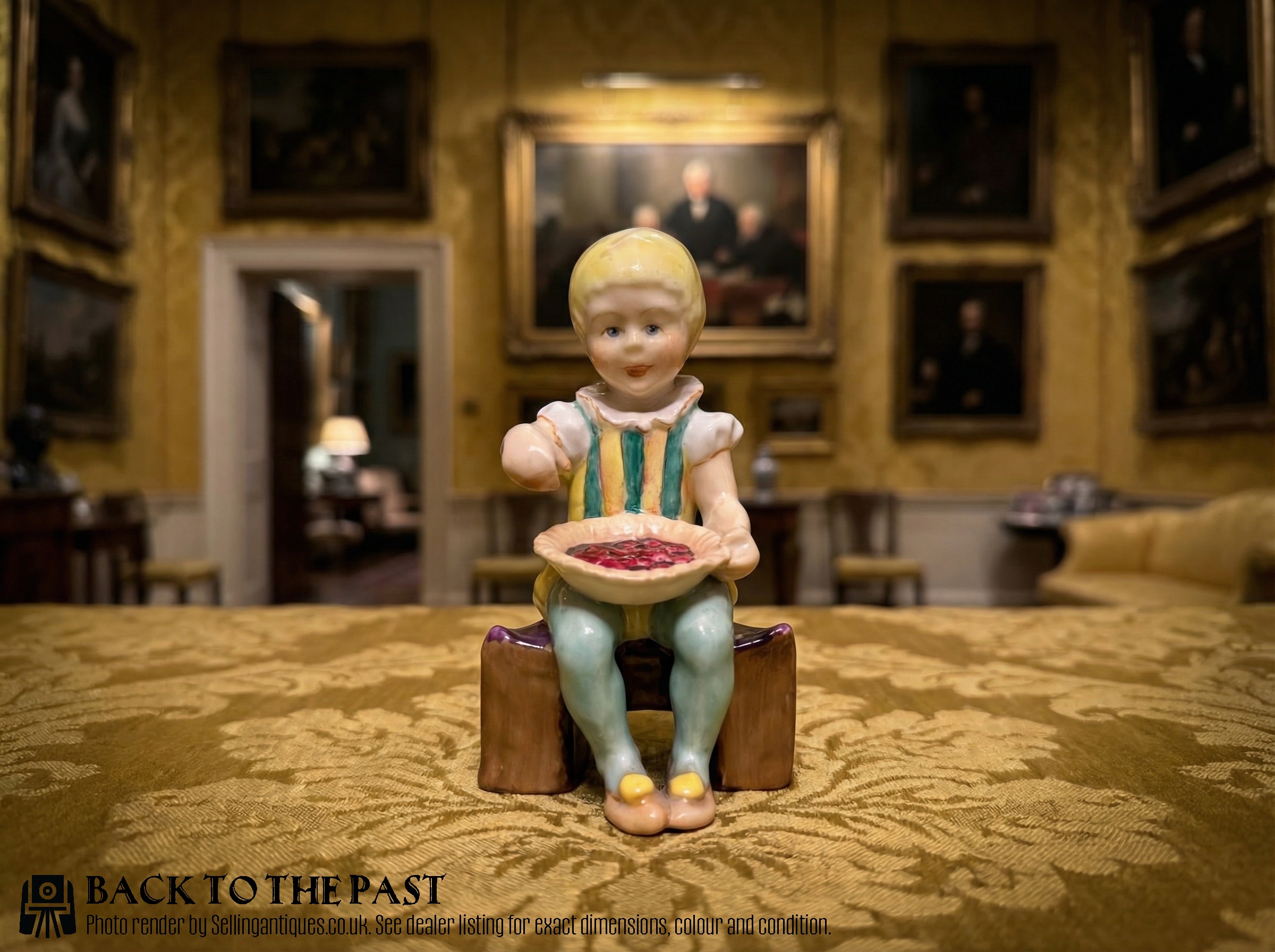
A vintage porcelain figurine search reveals moulded and modelled sculptural objects spanning from eighteenth-century table ornaments to mid-century character studies. Buyers exploring this category encounter human subjects, animal groups, and allegorical figures originating from English, German, French, and Japanese kilns.
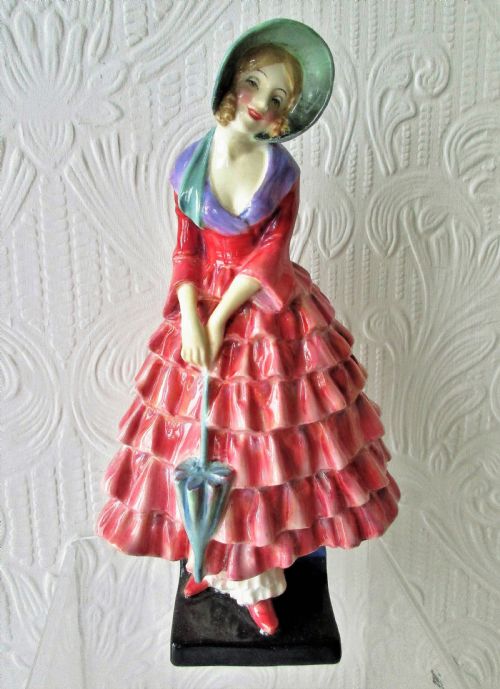
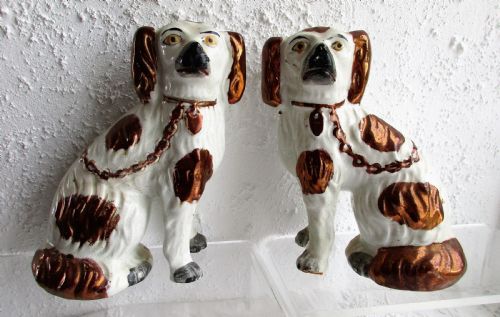
The most common pieces on this page are mid-century English productions, particularly Royal Doulton characters issued through the 1930s and 1940s, alongside continental European animals and Victorian Staffordshire pottery groups. These works range from small cabinet ornaments to functional forms such as bookends, inkwells, and table lamps.
Factors of quality and execution
Quality in these sculptural objects rests primarily on the crispness of the moulding and the sensitivity of the hand-painting, where fine brushwork defines facial expressions and textile patterns without appearing heavy or opaque.
The sophistication of the modelling distinguishes standard production runs from superior artistic outputs, seen in the dynamic posture of an animal or the fluid drape of a garment.
Listings incorporate items spanning from the 1750s through the Edwardian era up to the 1940s, utilising porcelain, bone china, earthenware, and enamel.
Royal Doulton·Meissen·Royal Dux·Karl Ens·Edmé Samson·Nymphenburg·Volkstedt Rudolstadt Factory·Royal Worcester·Derby
The Vintage Porcelain Figurine Glossary
- Bocage
- Background foliage or branches made of porcelain, often applied behind figures in eighteenth-century and nineteenth-century pastoral groups. This leafy screen provides a naturalistic setting for pastoral figures.
- Hard-paste porcelain
- A dense, vitreous ceramic material fired at high temperatures using kaolin and petuntse. It creates a durable, translucent body that resists scratching.
- Enamel
- Coloured glass powder fused to the ceramic surface during a secondary low-temperature firing. This technique allows for brilliant, permanent surface decoration.
- Slip
- Liquid clay suspension used for casting objects in plaster moulds. It flows into intricate crevices to capture fine details before the firing process.
Vintage Porcelain Figurine: Frequently Asked Questions
How do I clean my figurine?
Dust these delicate objects gently with a soft, dry brush to prevent the accumulation of dirt within crevices and painted surfaces.
Avoid immersing pieces featuring gold leaf or cold-painted enamels in water, as moisture can degrade fragile historic pigments.
Were these figures meant for display?
Most examples served as decorative mantel ornaments, table centrepieces, or cabinet displays within period homes.
Some iterations also fulfilled practical roles as inkwells, bookends, or functional table lamps while retaining their sculptural form.
How can I tell periods apart?
Examination of the base often reveals impressed model numbers, painted factory marks, or specific backstamps associated with particular decades.
Stylistic shifts, such as the transition from ornate Rococo curves to stylised Art Deco geometry, also indicate the era of manufacture.
What is biscuit porcelain?
Biscuit, or bisque, is unglazed ceramic ware that has been fired once to harden the clay body.
This matte finish mimics the appearance of carved marble and highlights the fine contours of the modeller's work.