
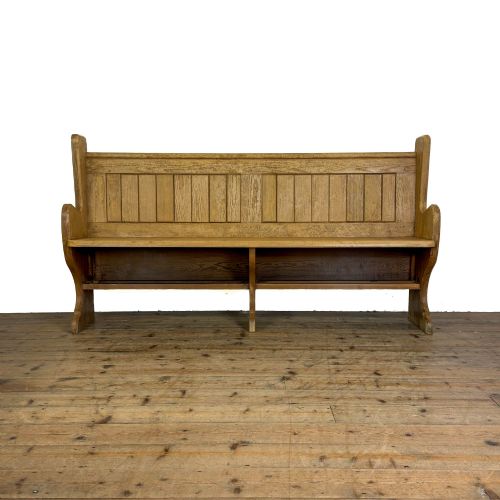
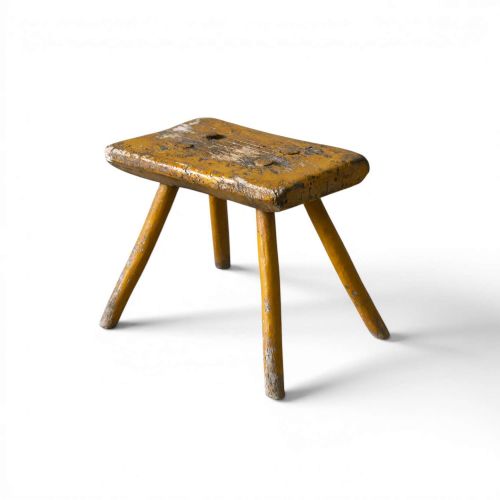
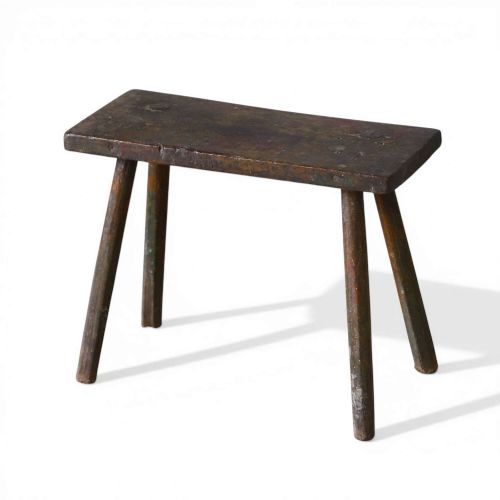
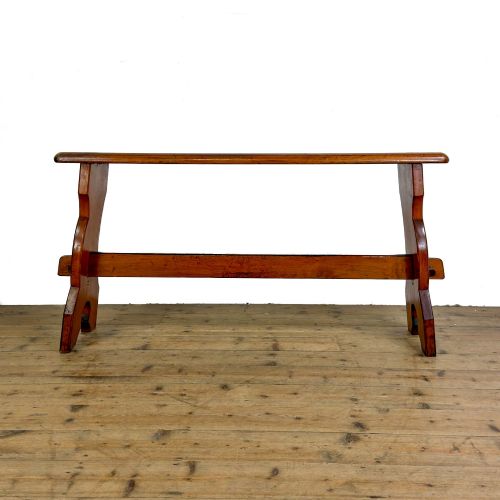
Vintage Pine Bench Seat
These vintage pine bench seat pieces bring honest utility and character to an interior.
Vintage Pine Bench Seat
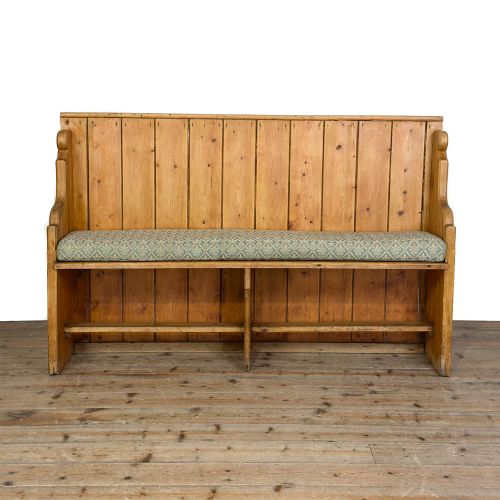
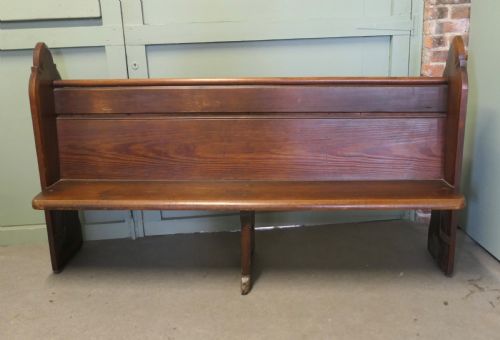
A vintage pine bench seat provides sturdy, practical seating rooted in domestic, ecclesiastical, and institutional history. Buyers seek these pieces to anchor hallways, kitchens, and boot rooms with functional surface area and warm, aged timber.
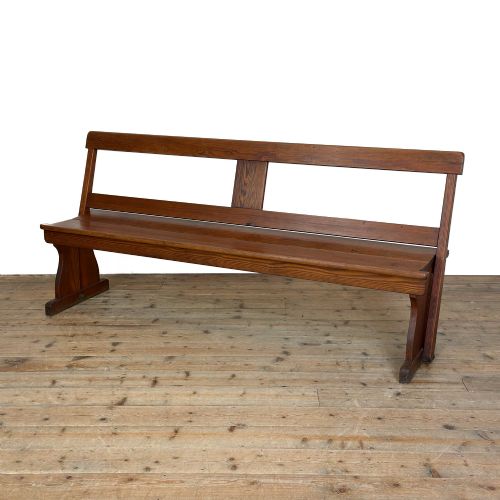
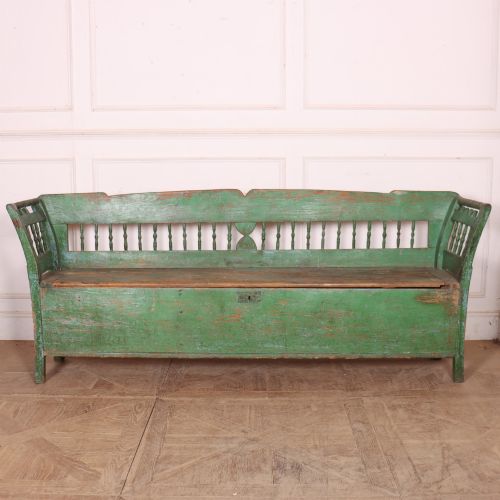
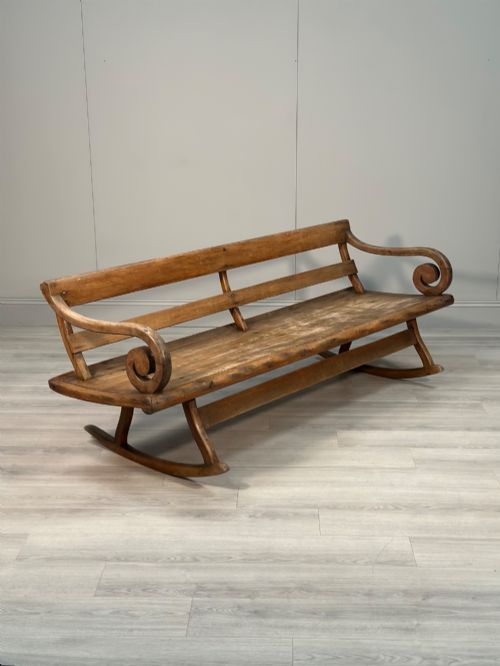
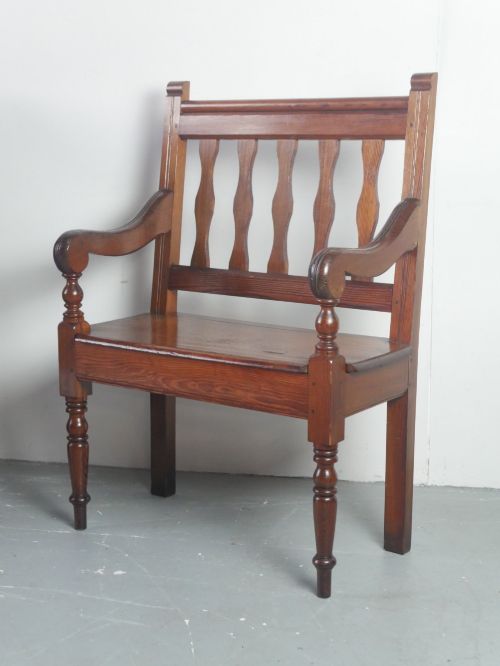
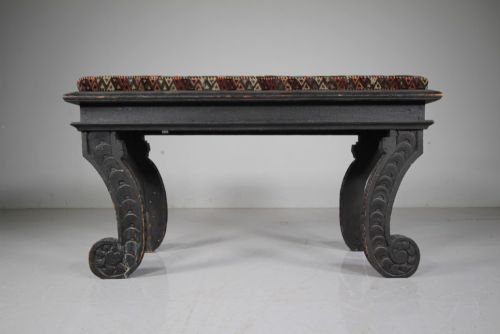
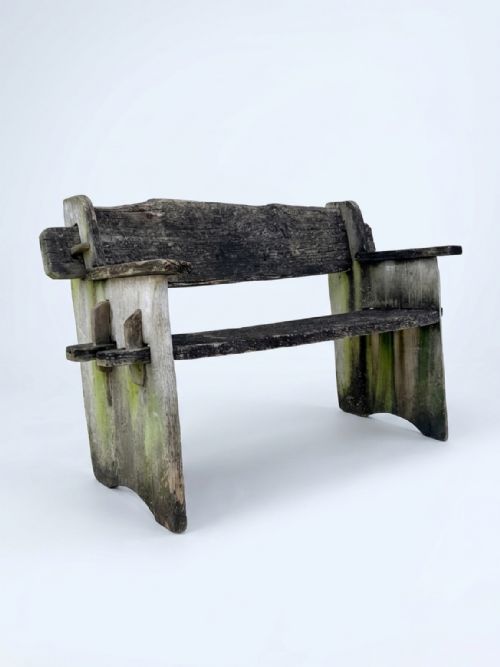
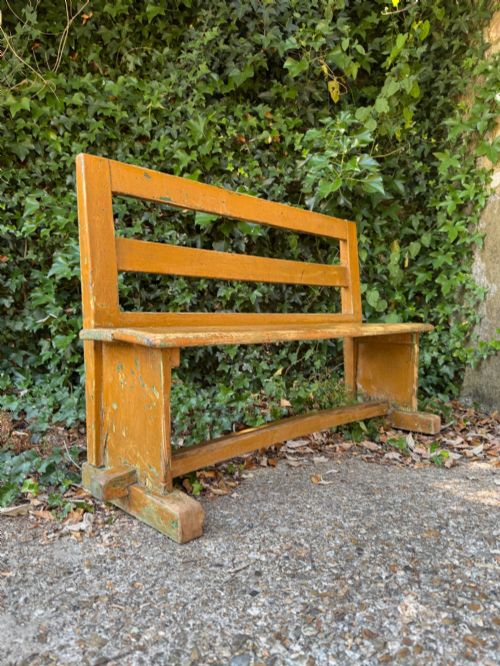
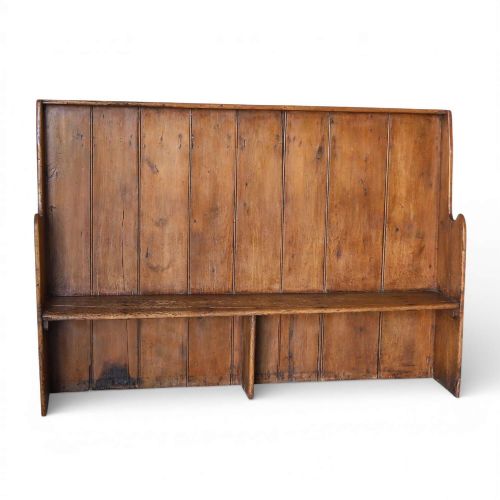
The selections on this page lean heavily toward nineteenth-century origins, featuring formats such as church pews, chapel benches, settle benches, and farmhouse seating. English, Hungarian, Swedish, and Austrian examples dominate, ranging from simple waxed finishes to original ochre, green, blue, and black paint.
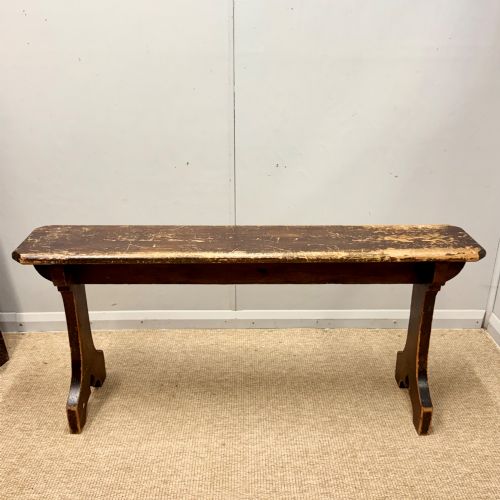
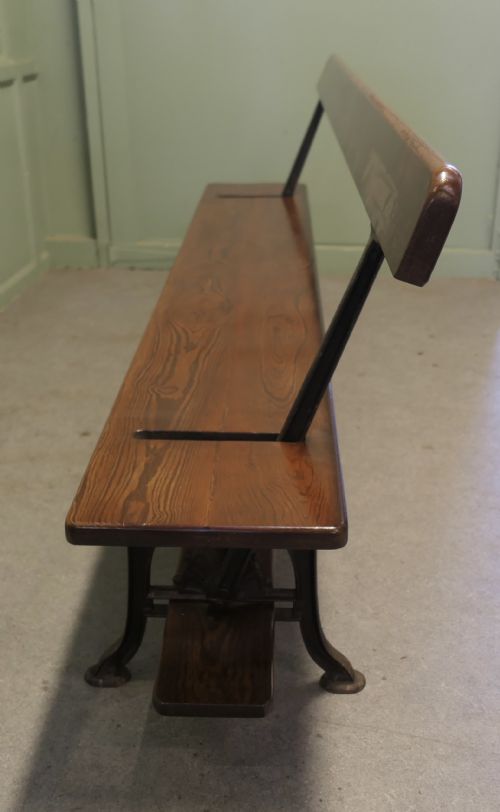
Formations vary from simple narrow planks and high-back settles with storage boxes to specialised chapel flip-over pews and railway or tram benches. Dimensions stretch from compact milking stools and side tables to long multi-seater configurations suitable for communal dining.
How they were made
Construction relies primarily on solid pine and pitch pine timber, selected for accessibility and resilience in everyday utility furniture. Joinery methods reflect traditional workshop practices, utilising pegged joints, dovetailed boxes, and robust framing to support heavy daily use.
Surface treatments divide between natural waxed patinas that highlight the grain and applied layers of historic paint. Many pieces retain original polychrome schemes, including ochre, green, blue, and black pigments, which have aged through decades of wear.
Listings feature nineteenth-century pine, pitch pine, and iron materials shaped into rustic country, Victorian industrial, and folk art styles.
What varies in quality
Quality rests in the integrity of the timber and the preservation of original surfaces rather than decorative refinement. Pieces that retain their original historic paintwork or develop a deep honey brown patina command higher regard among collectors.
Structural honesty defines the better examples, where original fixings, unaltered proportions, and genuine institutional or regional provenance remain intact. Heavily altered or later assembled formats diverge from the authentic utilitarian character established in the original workshops.
The Vintage Pine Bench Seat Glossary
- Settle bench
- A wooden bench featuring a high back to block draughts and often incorporating a box seat beneath the hinged lid.
- Pitch pine
- A dense, resinous variety of pine known for its prominent grain pattern and durability, frequently utilised in ecclesiastical and institutional seating.
- Chapel pew
- A long bench designed for religious interiors, sometimes modified with a flip-over mechanism to reverse the backrest direction.
- Patina
- The surface sheen and coloration developed through years of handling, waxing, and exposure to light.
- Box settle
- A form of seating that combines a bench with an enclosed storage compartment accessed by lifting the seat.
Vintage Pine Bench Seat: Frequently Asked Questions
How do I style a vintage pine bench seat at home?
Position a long pine bench against a hallway wall or pair it with a rustic dining table to maximise practical seating space. The neutral wood tones and painted finishes integrate smoothly into both traditional and contemporary interiors.
Soften the seat with simple textiles or cushions if desired, allowing the natural grain or original paint to remain the primary visual focus.
What is the difference between a settle and a pew?
A settle typically includes solid high sides and a high back designed to shield occupants from cold draughts, often enclosing a storage box beneath the seat. Pews are open-sided communal benches originating from churches, chapels, and institutional settings.
Both forms utilise robust pine construction, but settles offer enclosed storage and draught-excluding architecture.
Are these benches suitable for daily use?
These pieces were built for rigorous practical service in schools, churches, taverns, and farmhouses, making them exceptionally durable for modern daily life. Solid pine and pitch pine construction handles regular seating demands with ease.
Check overall structural stability and fastener integrity before placing heavy demands on nineteenth-century joinery.
How do I identify original paint on antique pine?
Original paint displays natural craquelure, uneven wear patterns, and layered oxidation consistent with age rather than uniform modern application. Pigments such as ochre, green, and blue frequently show softening around high-contact edges.
Examine the underlying timber within hidden joints to confirm the paint age matches the construction period.