

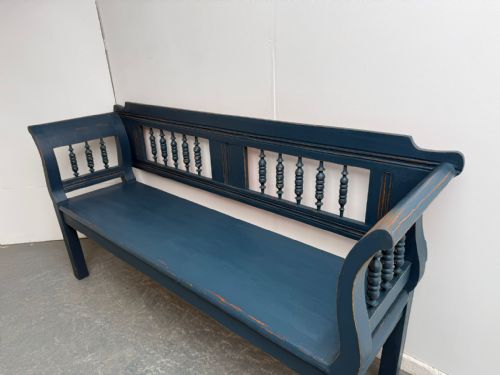

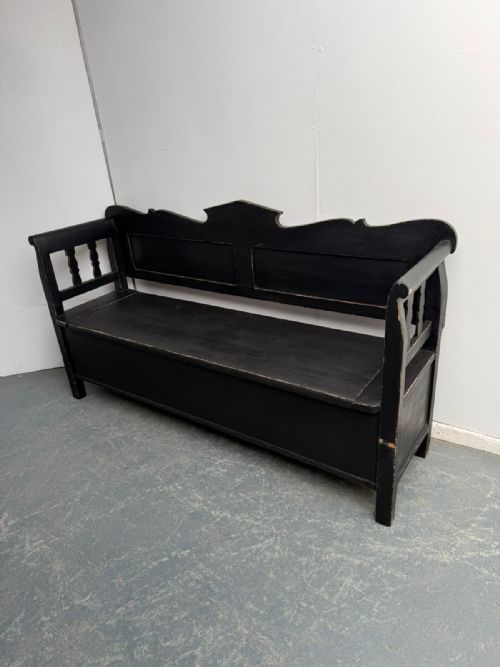

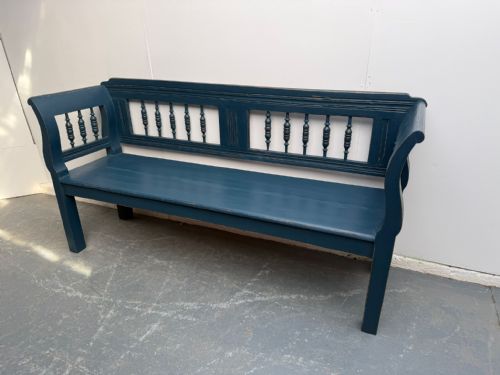


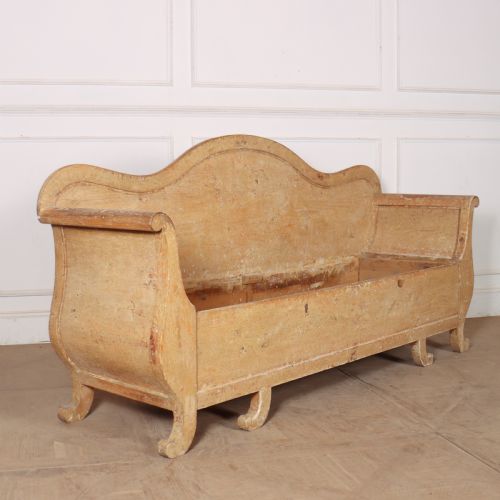


Painted Pine Hall Bench
A painted pine hall bench brings practical seating and regional colour to an entrance, grounded in centuries of European country joinery.
Painted Pine Hall Bench
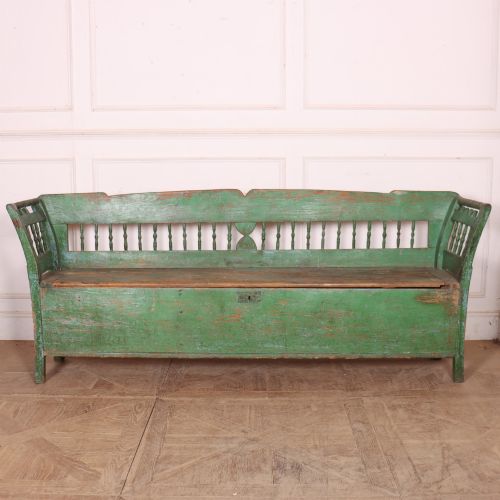
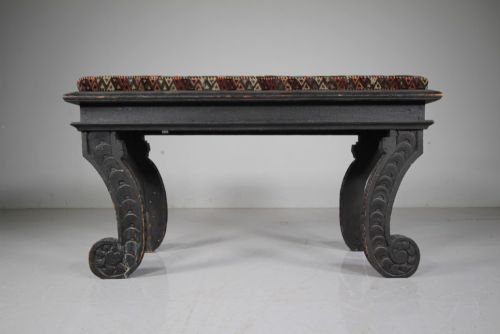
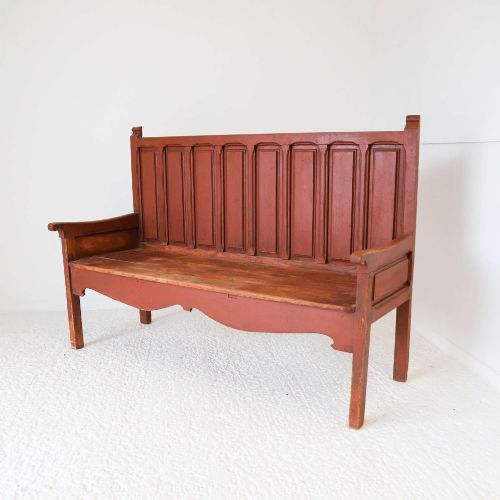
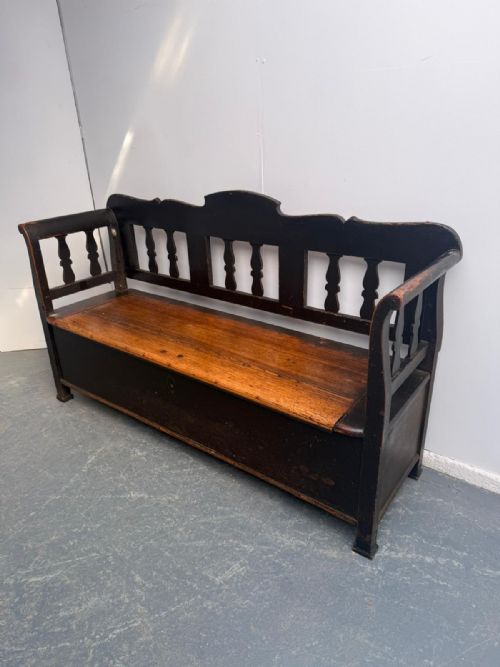
A painted pine hall bench takes several regional forms, appearing as high-back settles, box settles with storage, open window seats and long country benches. When you search for a painted pine hall bench, you encounter pieces originating from English, Welsh, Spanish, Austrian, Hungarian and Swedish workshops.
The material is consistently softwood timber, most commonly pine, finished with surface paint that ranges from worn primary colours to subtle greys and blacks. These items serve both as narrow seating and as functional hallway storage containers in domestic interiors.
Victorian and nineteenth-century examples dominate the available selection, alongside eighteenth-century regional pieces and Georgian items. The forms vary from rustic farmhouse seating to more restrained Gustavian designs and folk art styles.
Evaluating the Pieces
The distinction between standard examples and finer items lies in the survival of original surface paint and the integrity of the structural proportions. Pieces retaining their initial pigment without heavy modern overpainting carry greater authenticity.
Proportion and scale also separate the items, with neat proportions and regional decorative details marking out the more considered country workshops from utilitarian workshop output.
Listings feature eighteenth-century, nineteenth-century and Victorian pieces in pine, softwood and iron.
The Painted Pine Hall Bench Glossary
- Box settle
- A high-backed wooden bench featuring a compartment beneath the seat for storage. This form kept draughts away from hallway doors.
- Scumble
- A decorative painting technique where a translucent glaze is manipulated over a base colour to simulate finer wood grains or create mottled patterns. It appears on primitive regional furniture.
- Gustavian
- The Swedish interpretation of French neoclassical style, characterised by restrained carving and pale painted finishes. These pieces offer a lighter aesthetic than heavier Victorian country furniture.
- Trestle
- A support structure where a horizontal beam is held by upright legs, utilised in early tables and long benches for stability. It represents a simpler form of domestic joinery.
- Softwood
- Timber derived from conifers, predominantly pine in these examples, which is relatively light and easy to work with hand tools. It forms the structural body of almost all regional painted benches.
Painted Pine Hall Bench: Frequently Asked Questions
How do I clean a painted pine bench?
Dust the surface regularly with a dry, soft cloth to prevent dirt accumulation on the painted finish. Avoid harsh chemical cleaners or excessive moisture, which can lift old paint layers.
Apply a microcrystalline wax sparingly if the exposed wood or worn paint requires nourishment, testing a small hidden area first to ensure compatibility with the historic surface.
Where should I place a settle in my home?
These benches suit narrow hallways, boot rooms and entrance lobbies where their high backs provide a windbreak from exterior doors. Measure your hallway clearance carefully, accounting for the depth of box settle lids.
They also function well in large kitchens and dining spaces, paired with rustic tables to offer practical seating alongside concealed storage.
Are these benches comfortable for daily use?
Most historic country benches feature upright wooden backs and solid seats designed for utility rather than lounging. Their ergonomics reflect the practical demands of nineteenth-century domestic life.
Many owners add loose textile cushions or squabs to the seat base to improve comfort while preserving the visible timber frame and backrest.
How do I identify original paint?
Examine the surface under natural light to look for subtle craquelure, natural wear patterns around high-contact areas, and multiple underlying strata of pigment. Original finishes usually show consistent ageing rather than uniform modern coverage.
Check corners, undersides and interior panels for consistency in application and colour progression, which helps distinguish authentic regional decoration from later repainting.