
Rustic Wooden Hall Bench
A rustic wooden hall bench offers practical seating with honest character, spanning simple pine forms to robust oak settles.
Rustic Wooden Hall Bench
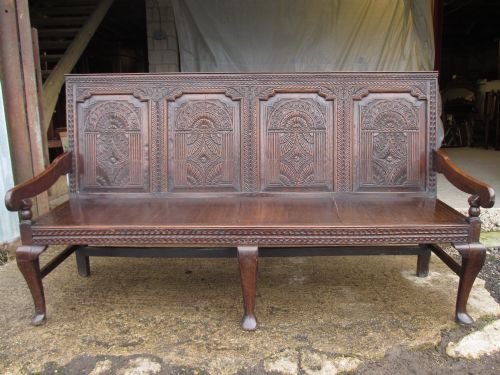
A rustic wooden hall bench brings practical seating and period character into an entranceway, corridor, or living space. When searching for a rustic wooden hall bench, buyers encounter a diverse range of historic forms rooted in utility and regional tradition.
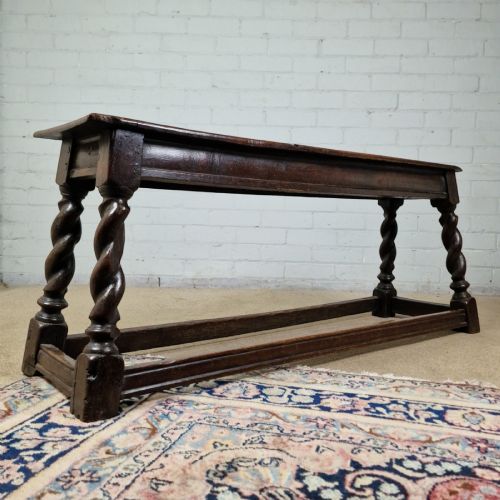
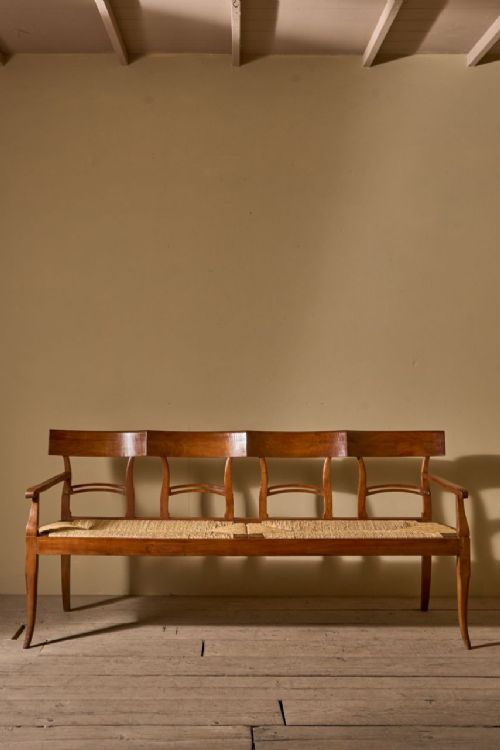
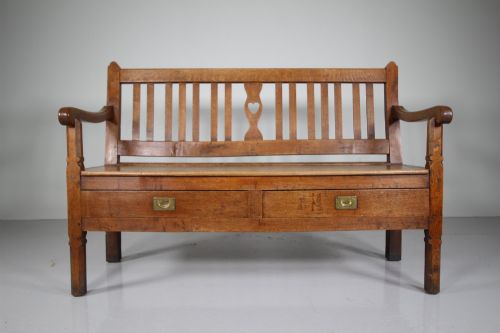
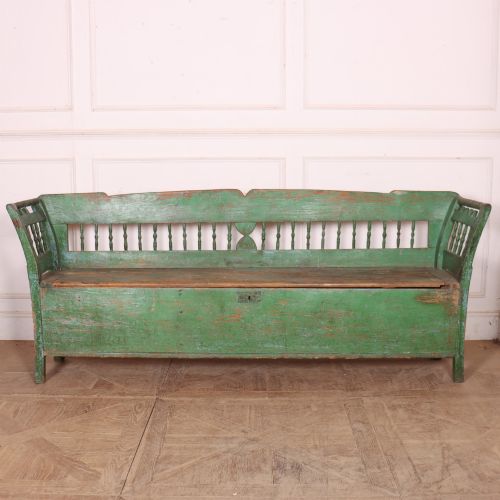
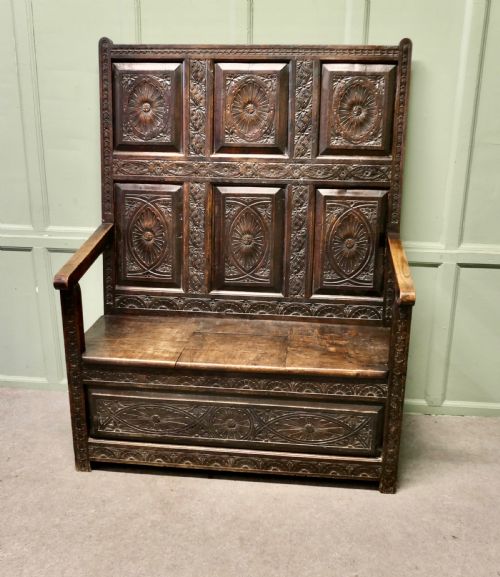
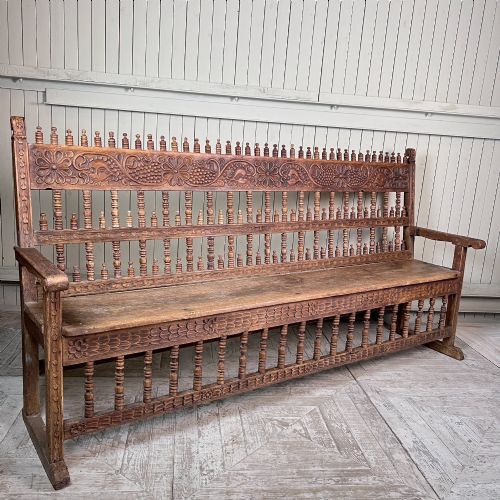
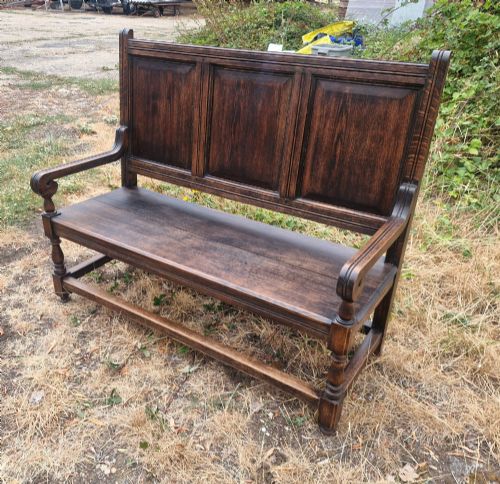
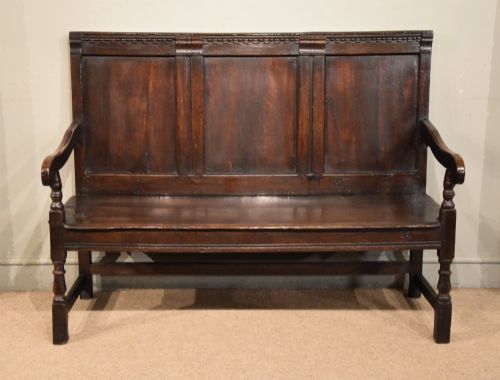
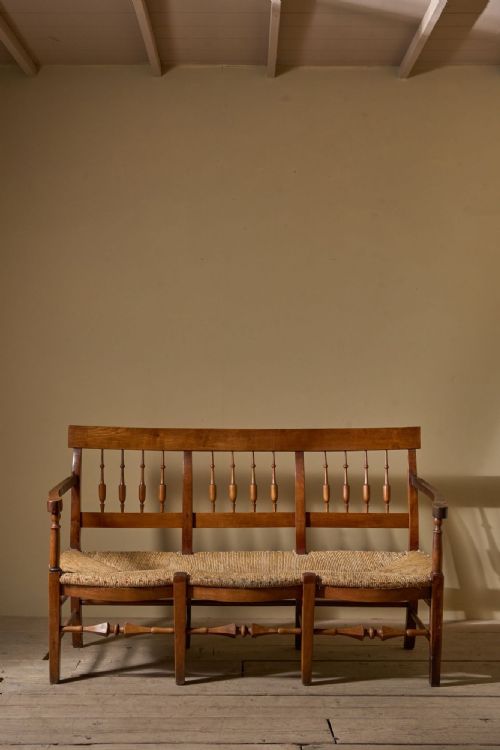
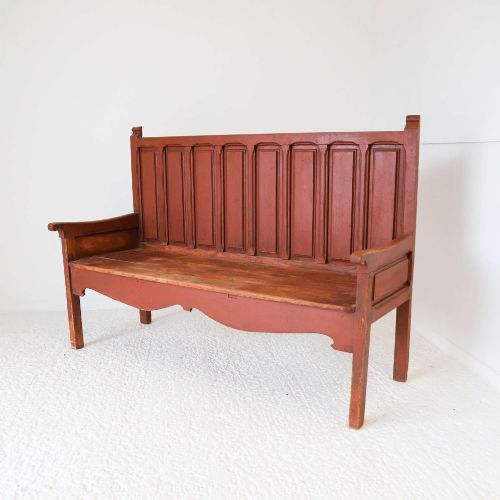
The pieces appearing on this page stretch from the eighteenth century through to the early twentieth century, taking the shape of open benches, box settles with storage seats, and high-backed panelled designs. Oak and pine dominate the selection, often reflecting English, Welsh, French, Spanish, or Hungarian country craftsmanship.
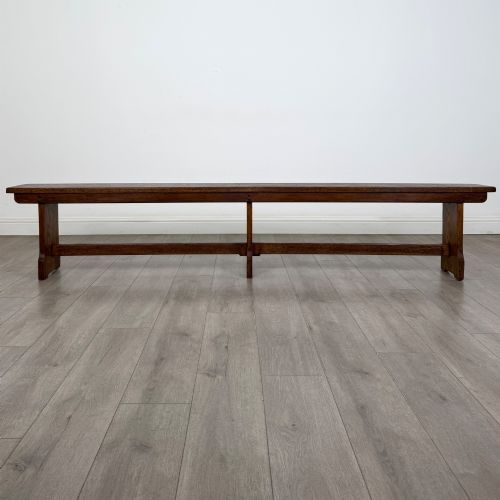
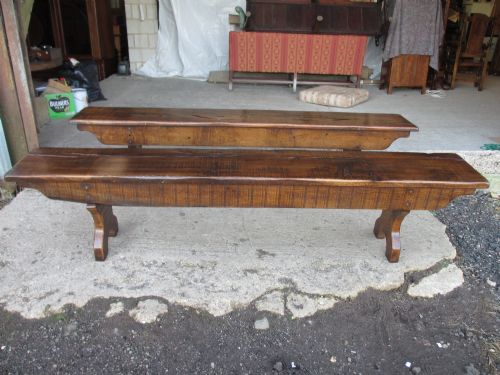
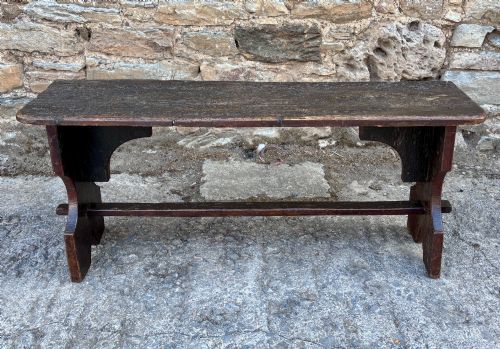
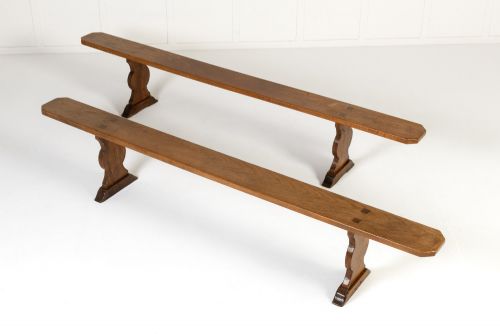
Many examples display straightforward trestle ends or spindled backs, while others incorporate box bases intended for boots and winter wear. Buyers frequently find substantial eighteenth-century and nineteenth-century seating designed to anchor a hallway with sturdy proportions and honest materials.
Evaluating Quality and Character
Quality in these pieces rests upon the integrity of the original timber, the honesty of the construction, and the preservation of historic surfaces. Benches retaining their early waxed finish or authentic historic paint layers command particular appreciation from collectors seeking untouched country character.
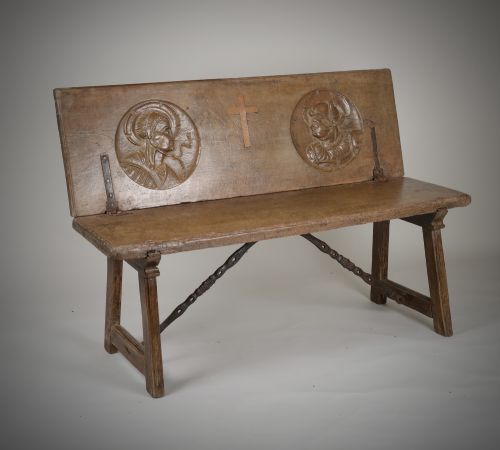
Structural proportions and timber selection also distinguish finer examples, as seen in substantial oak boards, well-executed hand carving, and sturdy box-seat compartments. Alterations to height or replaced elements alter the historical weight of a piece, separating straightforward domestic survivals from heavily restored examples.
Listings feature eighteenth-century and nineteenth-century pieces constructed from pine, oak, elm, and cherrywood, encompassing regional English, Welsh, French, Spanish, and Hungarian traditions.
The Rustic Wooden Hall Bench Glossary
- Settle
- A wooden bench with a high back, solid arms, and often a closed box base beneath the seat to prevent drafts. This traditional form provided sheltered seating near hall fires and entryways.
- Box Settle
- A bench featuring a hinged seat lid that opens to reveal internal storage space. These dual-purpose items kept blankets, boots, and household goods tucked away neatly in busy corridors.
- Trestle Ends
- Support structures consisting of horizontal feet connected to vertical uprights at each end of a bench. This design distributes weight evenly and provides robust stability for heavy seating.
- Rush Seating
- Woven seat construction made from dried marsh rushes twisted into cords and patterned across a wooden frame. It appears on lighter provincial hall benches and chair forms.
- Country Primitive
- A descriptor for rustic furniture built by local craftsmen without the formal training or ornamentation of urban workshops. These pieces emphasise straightforward utility over refined stylistic rules.
Rustic Wooden Hall Bench: Frequently Asked Questions
How do I style a hall bench?
Place the bench against a main hallway wall to establish an immediate focal point upon entering the home. Pair the piece with simple wall hooks or a low basket underneath for everyday items.
Soften the wooden seat with a linen cushion or a small wool textile. Keep surrounding decor restrained to let the grain and historic surface of the timber remain prominent.
Can I use an antique bench outdoors?
These historic pieces were built for indoor domestic use and lack weather-resistant modern sealants. Exposure to rain, dampness, and direct sunlight will damage the old timber, crack historic paint, and weaken pegged joints.
Keep these benches inside dry hallways, boot rooms, or living spaces. Maintaining stable indoor humidity protects the original wax finishes and structural integrity.
How do I care for antique pine furniture?
Dust the surface regularly with a soft, dry cloth to prevent grit accumulation on the old wood. Avoid harsh chemical cleaners or silicone sprays that can penetrate and soften historic wax or painted finishes.
Apply a traditional beeswax polish occasionally if the timber begins to look dry. Buff gently to maintain a soft natural sheen without building up heavy residue.