
19th Century Wooden Settle
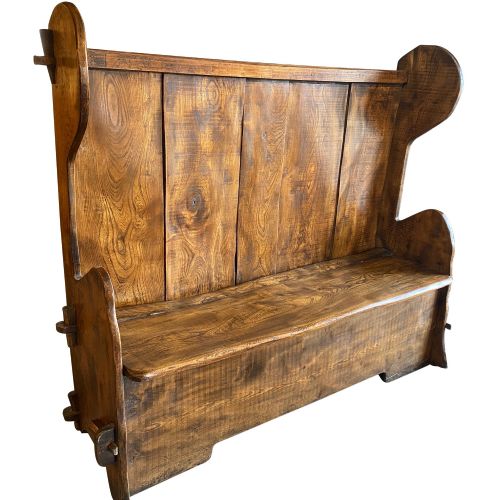
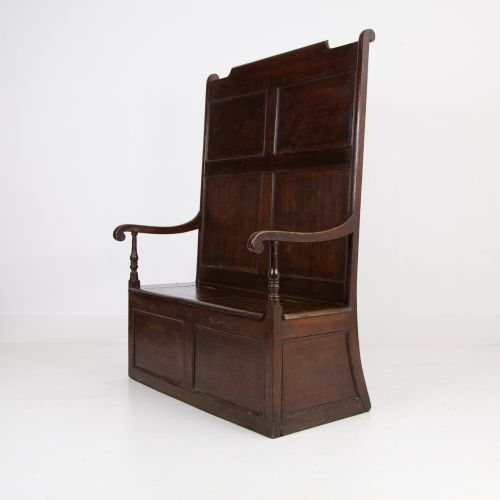
A 19th century wooden settle offers high backs and solid seats to anchor a hallway or kitchen with centuries of utility.
19th Century Wooden Settle
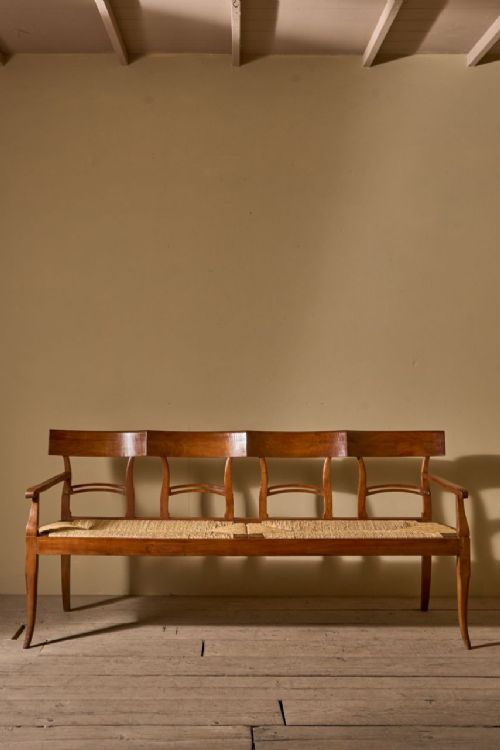
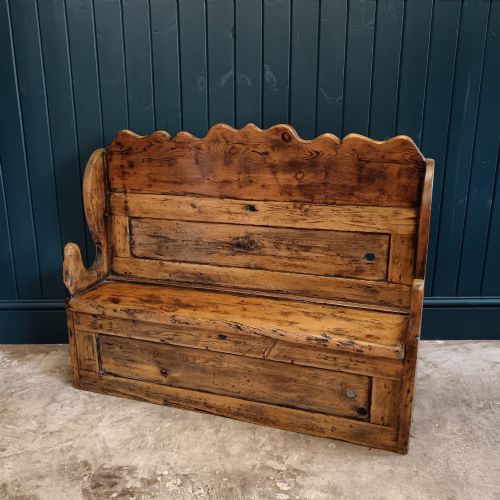
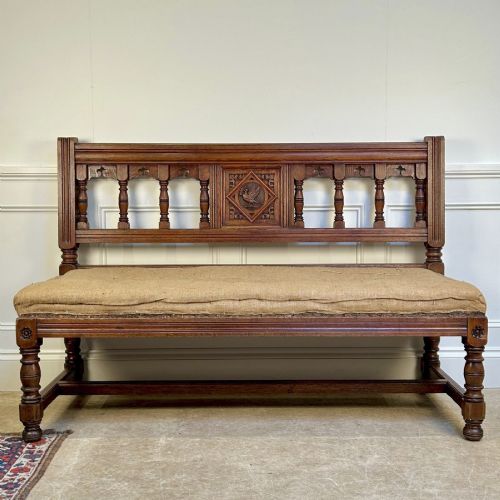
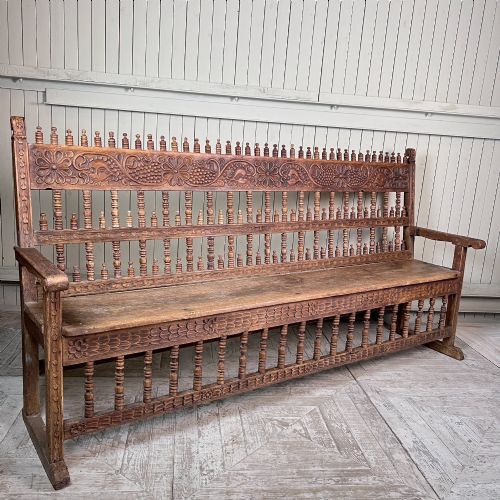
A 19th century wooden settle combines domestic seating with architectural presence, taking forms such as high-back settles, box benches with storage, and slim hallway seats. Buyers seek these pieces to bring traditional character and practical seating into domestic spaces.
The selections on this page span regional English, Welsh, and Irish country workshops alongside continental European examples like Swedish, Spanish, and French country pieces. Oak and pine predominate, supplemented by elm, cherrywood, walnut, and chestnut.
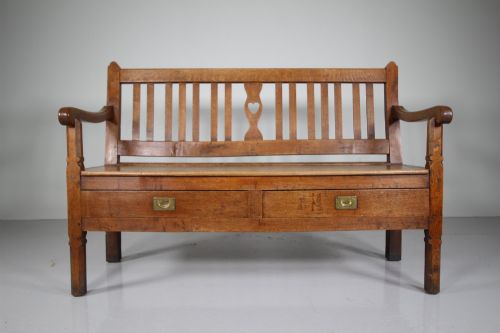
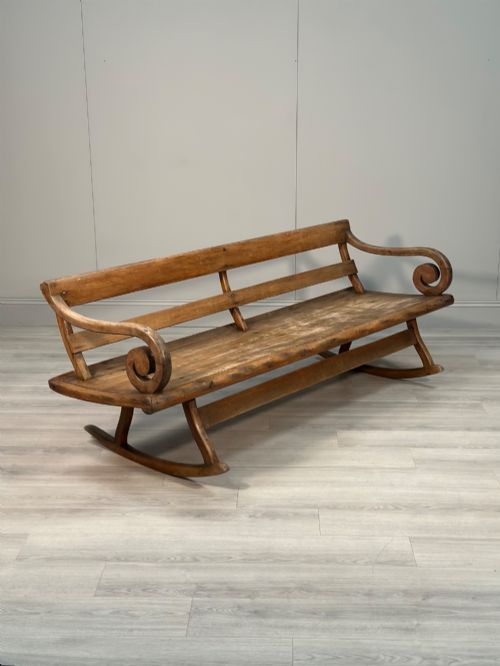
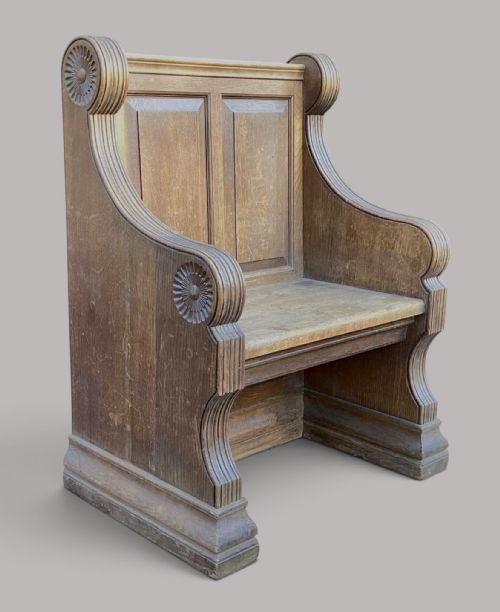
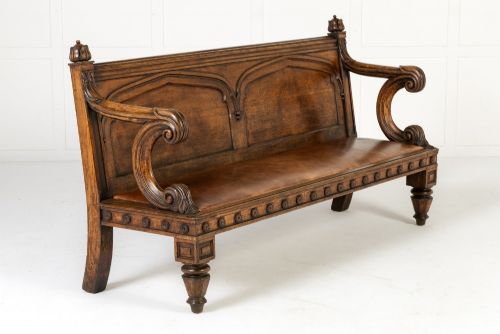
Most examples function as hall benches or window seats, while specialised pieces include box settles with storage compartments, rocking settles, and carved architectural forms reflecting Gothic or Renaissance Revival influences.
Materials and construction
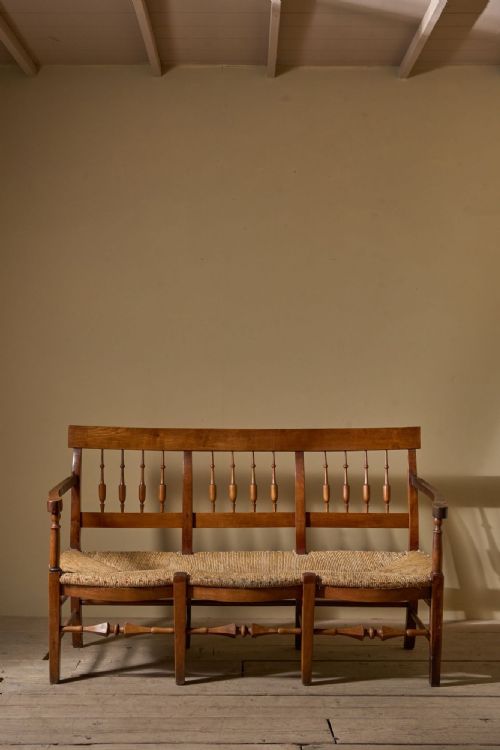
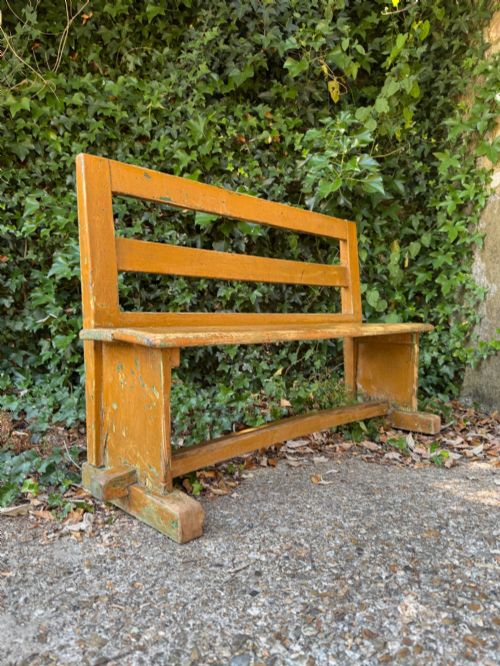
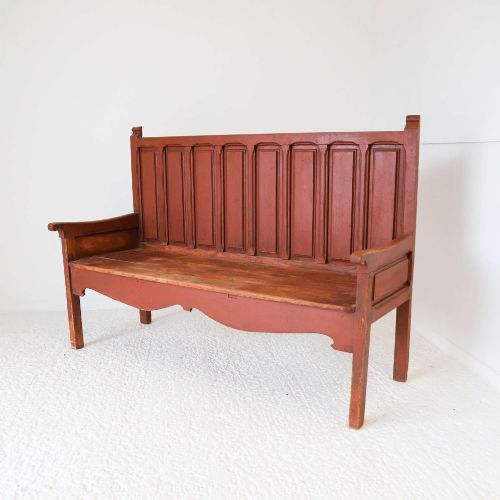
Makers relied primarily on native hardwoods and softwoods such as solid oak, pine, and elm, utilising pegged mortise and tenon joints to withstand heavy daily use. Surfaces often retain original painted finishes, honey brown patina, or bleached chestnut tones developed through decades of wear.
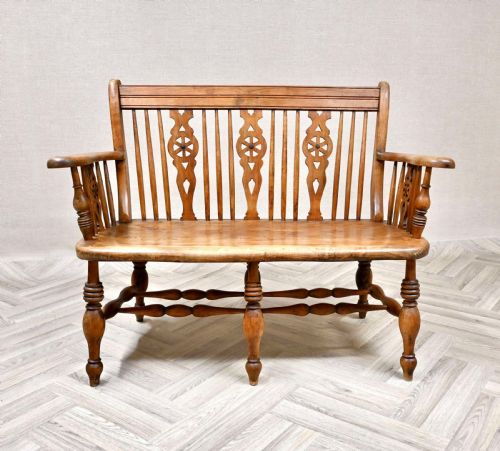
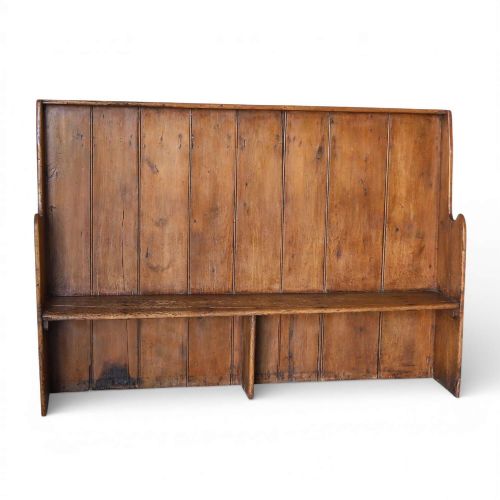
Detailing ranges from simple country plank construction to elaborate carving, incorporating architectural panels, turned spindles, and integrated storage boxes beneath hinged seats. Regional variations appear in rush seating, spindle backs, and distinctive heart motifs.
Listings feature regional variations spanning English country oak, Spanish painted pine, and Swedish storage benches.
Evaluating quality and construction
Quality rests in the integrity of the timber, the honesty of the construction, and the depth of the surface patina. Pieces retaining original paint, untouched block joints, and substantial timber thickness command attention.
Proportion and architectural harmony separate standard utility benches from exceptional examples, particularly in carved oak Gothic revival pieces or regional country settles where the balance of the high back defines the form.
GIllows
The 19th Century Wooden Settle Glossary
- Box settle
- A bench featuring a built-in storage compartment beneath the hinged seat. This design kept living areas tidy and protected contents from drafts.
- Cassapanca
- An Italian wooden bench with armrests, a high back, and a large chest base. This form bridges the gap between seating and heavy storage furniture.
- Lambing chair
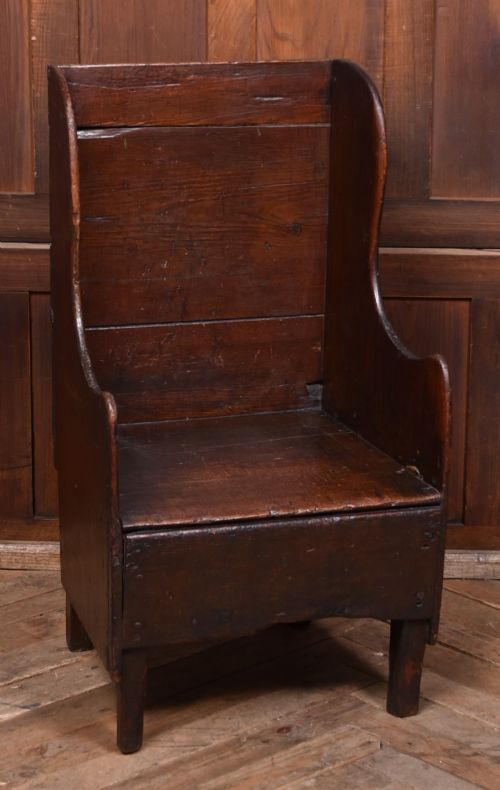
- A hooded or enclosed armchair designed to shield the occupant from cold draughts near a hearth. They often feature solid wooden panels and low seats.
- Monks bench
- A convertible piece of furniture with a pivoting back that folds down to form a table top. They serve dual purposes in compact rooms.
- Patina
- The surface sheen and colour acquired by wood through age, handling, and waxing. It indicates genuine age and use.
- Windsor bench
- A long seating form constructed with turned legs and spindles wedged into a solid wooden seat. They emerge from traditional chair-making techniques.
19th Century Wooden Settle: Frequently Asked Questions
Where should I place a settle?
A wooden settle suits narrow hallways, large kitchens, or entrance porches where its high back acts as a windbreak against cold draughts.
Positioning one against a plain wall allows the architectural silhouette and timber grain to become a focal point in the room.
How do I care for wooden benches?
Protect the wood by maintaining stable humidity levels in your home and avoiding direct placement near heat sources that cause timber to split.
Apply a microcrystalline wax occasionally to nourish the surface patina without building up a sticky residue.
What is a box settle used for?
The hinged seat lifts to reveal a deep storage well originally used for blankets, firewood, or heavy household textiles.
This concealed compartment keeps modern living spaces uncluttered while preserving the authentic domestic function of the piece.
How do I identify regional styles?
Regional characteristics reveal themselves through timber choices and decorative motifs, such as Welsh heart cutouts or Scandinavian painted pine finishes.
English country pieces typically rely on sturdy oak and elm construction, while continental examples often incorporate bright painted surfaces or chestnut.