
Wooden Entryway Seat
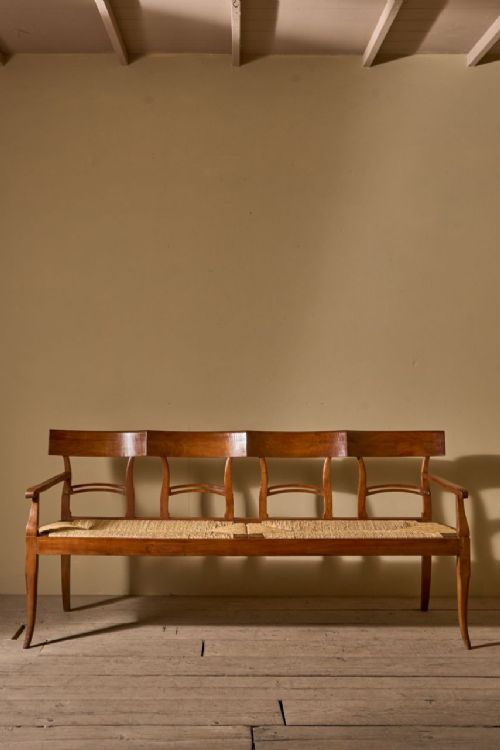
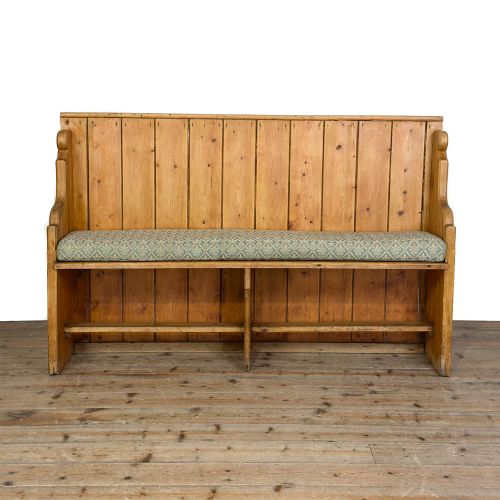
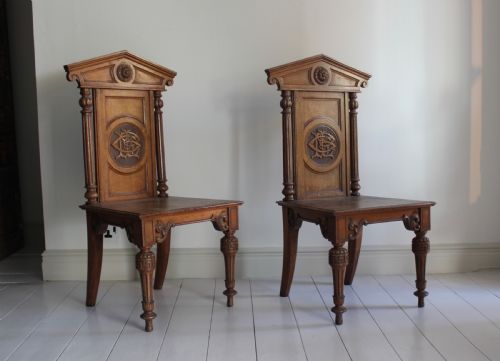
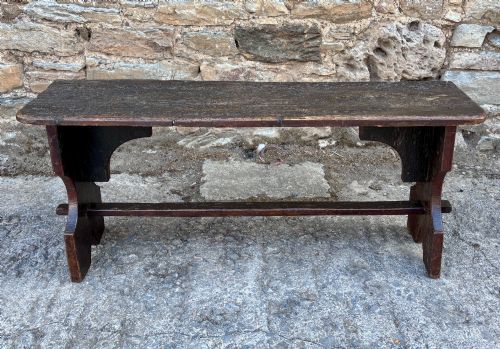
A wooden entryway seat welcomes visitors with utilitarian history, offering sturdy oak benches and mahogany chairs crafted for the corridor.
Wooden Entryway Seat
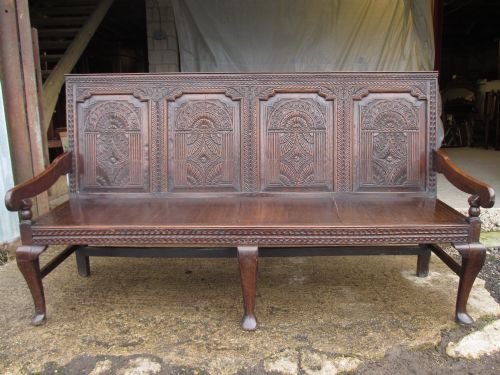
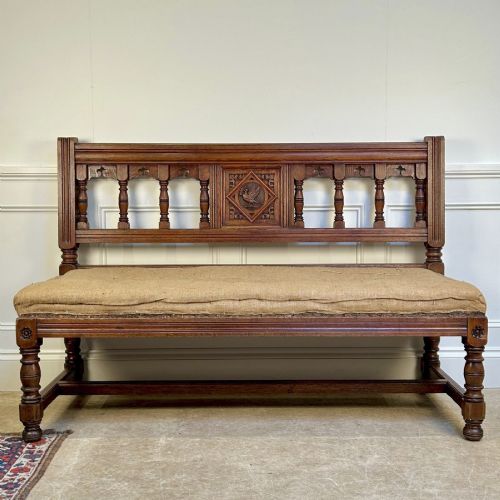
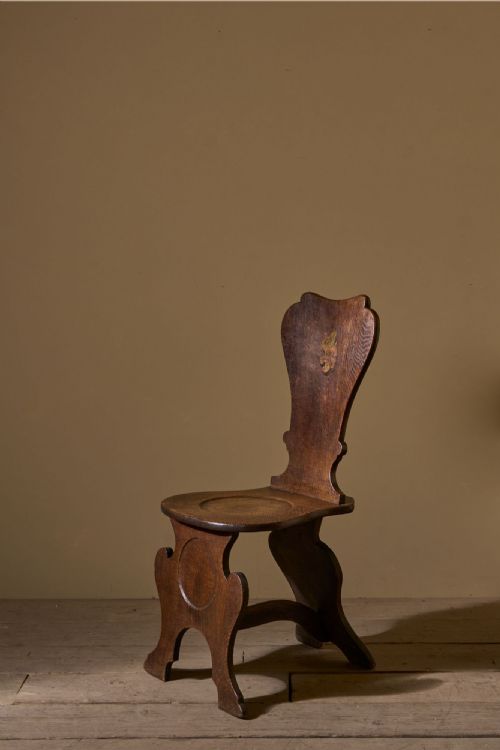
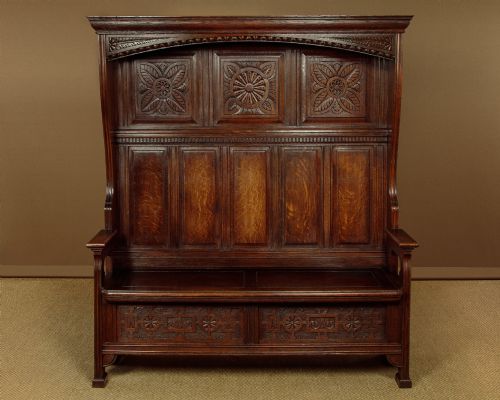
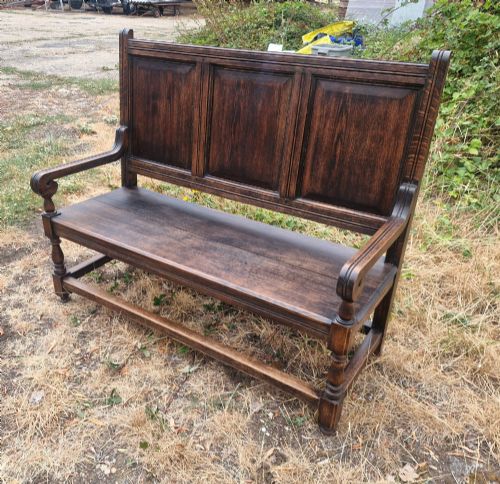
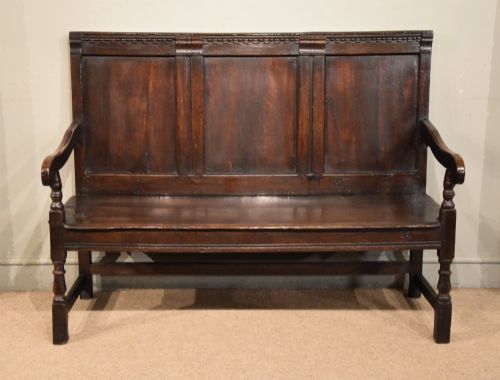
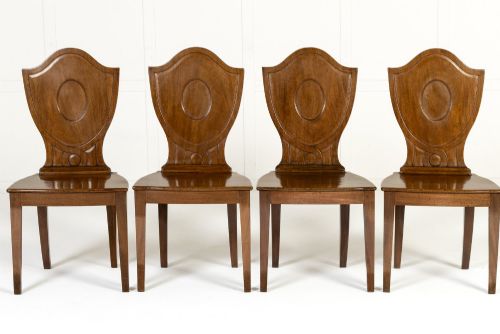
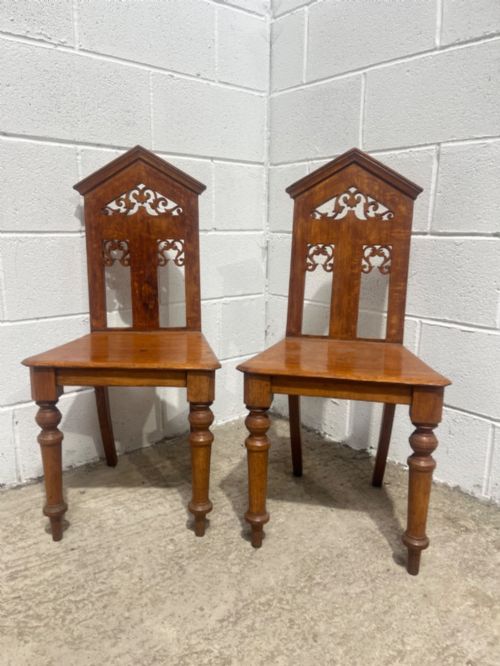
A wooden entryway seat serves as practical furniture for a hallway, vestibule or reception space. When searching for a wooden entryway seat, buyers encounter forms ranging from simple church pews and chapel benches to formal mahogany hall chairs and oak box settles.
The selection on this page draws primarily from the nineteenth century and the Victorian era, alongside eighteenth-century examples and Georgian pieces. Sturdy pine and heavy oak predominate, supplemented by mahogany designs originating from English, Scottish and Irish country houses.
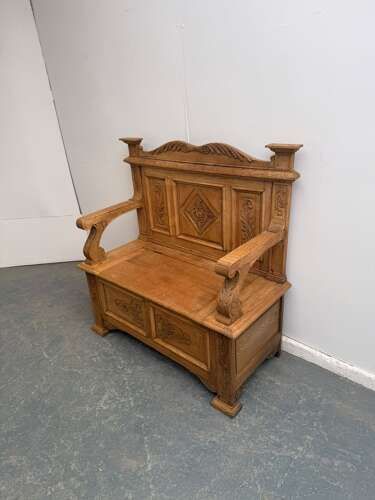
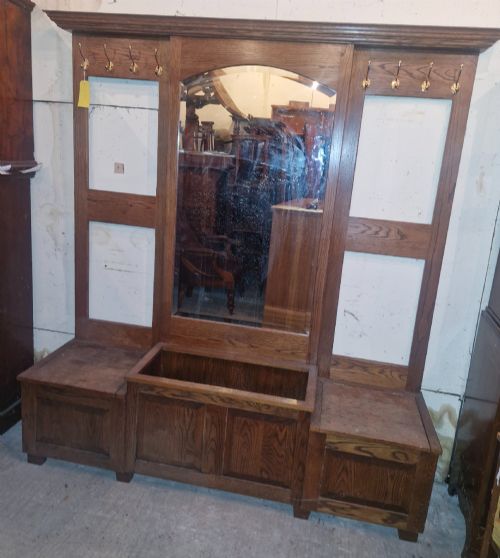
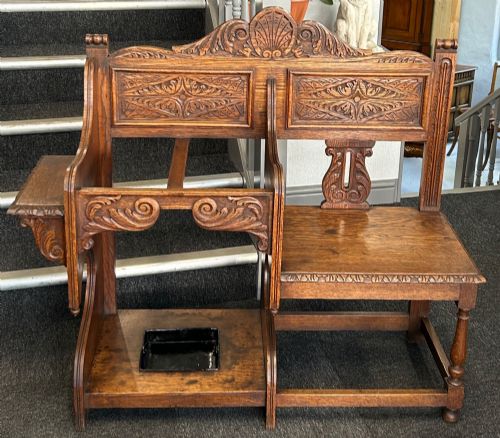
Practical variations include benches with integrated stick stands, panelled backs, canopy tops and hinged storage boxes beneath the seat. These multi-functional items provided guests and household members a place to sit while removing coats or boots.
How they were made
Carpenters and joiners built these items using solid timbers such as oak, pine and mahogany, joined with traditional framing and panel work. Many pieces incorporate carved ornamentation, shield backs or tulip decoration on the timber.
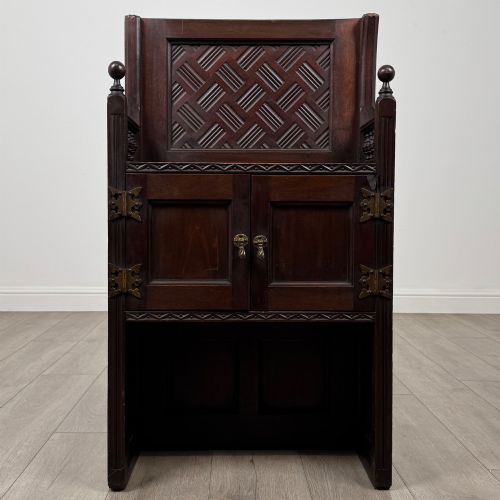
Functional metal elements such as brass mounts, iron hardware and umbrella trays appear alongside waxed or painted finishes. Some examples integrate leather or fabric upholstery on the seats.
Specialist furniture makers utilised sturdy construction methods like box joints and hinged lids to ensure the benches and settles endured heavy daily use in busy corridors.
Listings feature items constructed from oak, mahogany and pine, spanning the seventeenth to the twentieth century.
What varies in quality
Quality rests in the selection of the timber, the depth and crispness of the carved details, and the integrity of the original construction. Superior pieces display thoughtful proportions and substantial secondary woods.
Maker attribution elevates certain examples, particularly those bearing the stamps or signatures of notable nineteenth-century firms. The presence of original hardware, unaltered brass mounts and uncompromised structural joinery distinguishes the finer specimens from standard utility furniture.
James Shoolbred & Co.·Liberty
The Wooden Entryway Seat Glossary
- Settle
- A wooden bench with a high back, solid arms, and frequently a box compartment beneath the seat for storage. This form kept draughts away from people sitting near doorways in older properties.
- Hall chair
- A rigid wooden seat designed primarily for display and brief use in an entrance hall rather than comfortable lounging. These chairs often feature carved or painted family crests on the backrest.
- Box settle
- A heavy seat featuring a hinged lid that opens to reveal an internal storage chest. These were utilised for keeping boots, blankets and outerwear tidy in the hallway.
- Church pew
- A long wooden bench originally manufactured for ecclesiastical settings and later adapted for domestic hallway use. Pine and oak are common materials for these linear seats.
Wooden Entryway Seat: Frequently Asked Questions
Where were wooden entryway seats used?
These pieces sat in grand country houses, vicarages and urban hallways where guests waited before entering the main reception rooms.
Their primary function was to provide a firm place to sit while changing footwear or waiting for an escort.
What woods were used for hall chairs?
Cabinet makers utilised dense hardwoods like mahogany and oak to construct hall chairs that could withstand heavy daily use.
Pine and painted timbers also appear frequently in country house and ecclesiastical examples.
Are these seats comfortable?
Traditional entryway seating prioritised upright posture and durability over soft cushioning for long periods of relaxation.
Most examples feature carved wooden seats or flat wooden panels intended for brief sitting.