


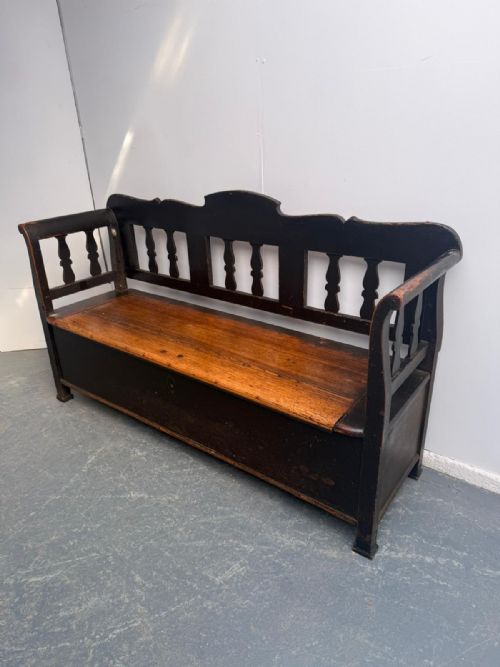
Traditional Pine Bench
Traditional pine bench pieces bring honest utility and warmth to a room, offering practical seating shaped by generations of everyday use.
Traditional Pine Bench
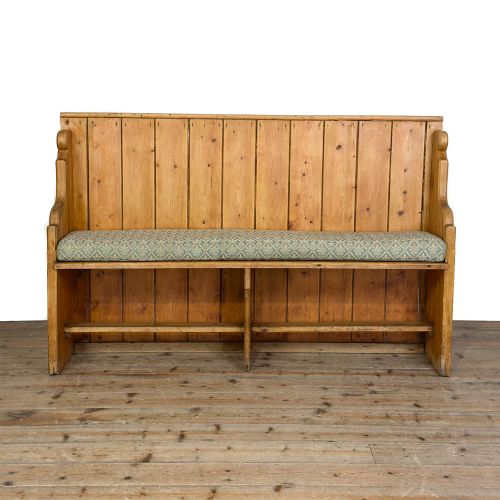
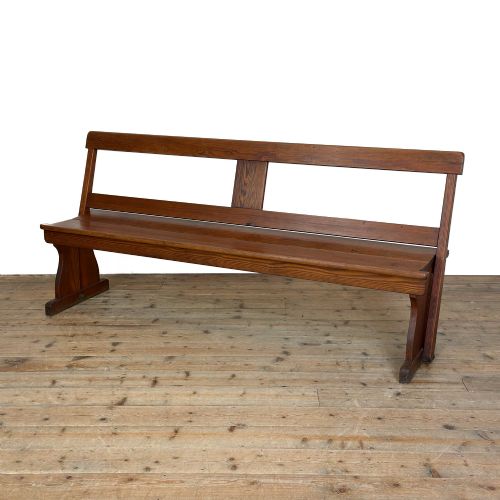
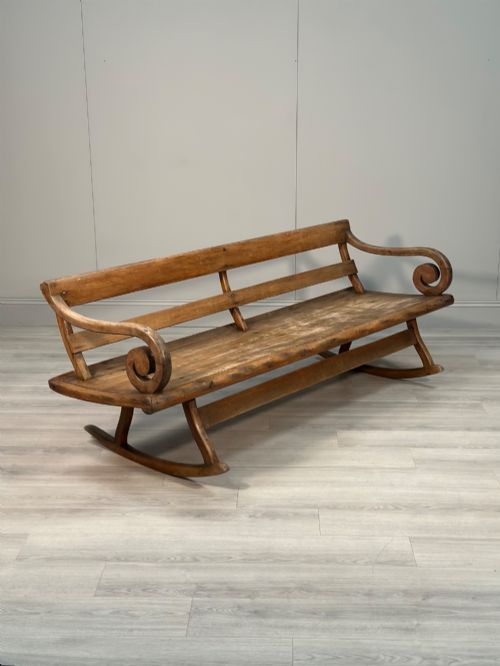
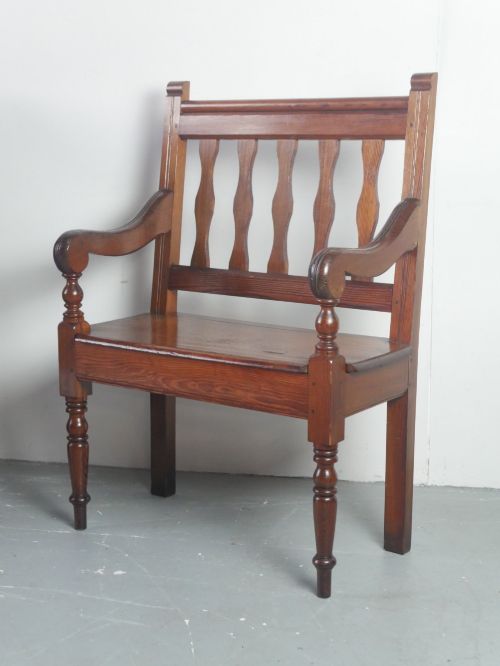
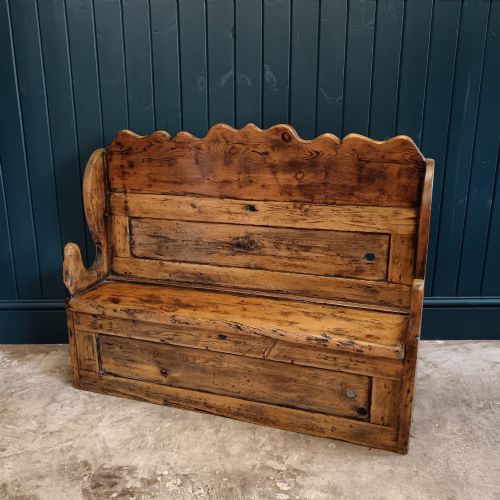
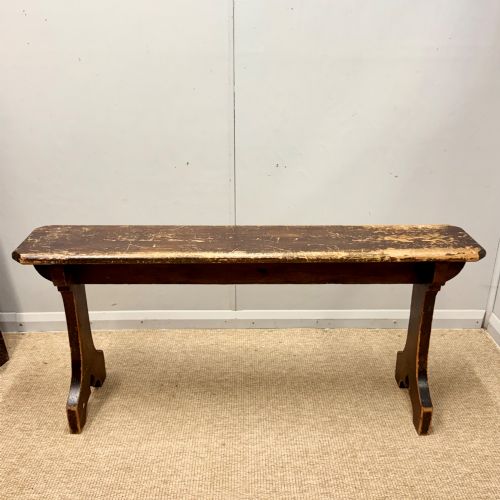
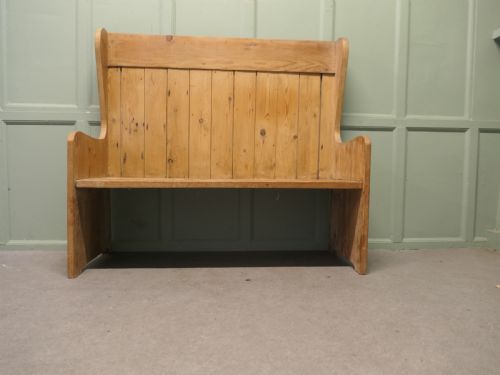
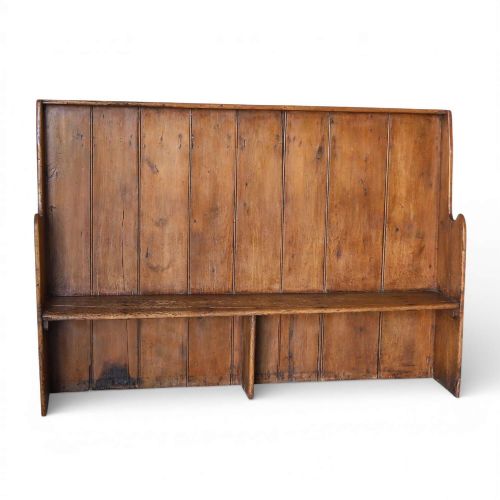
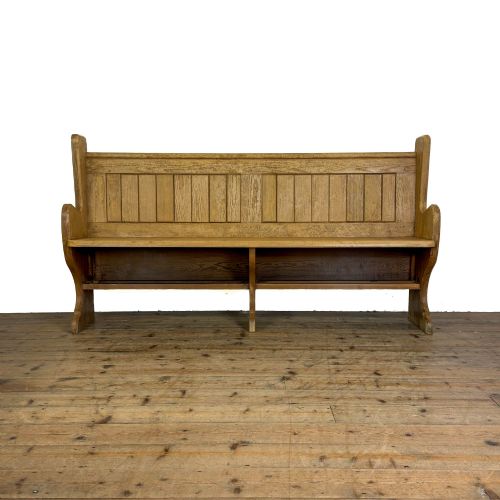
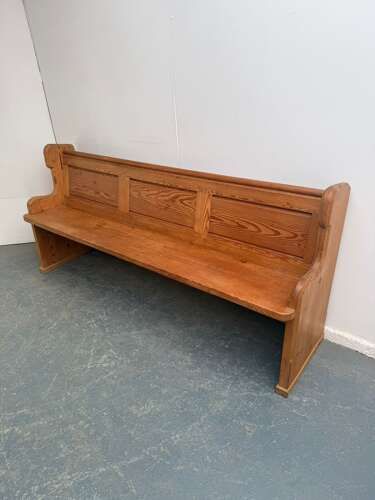
A traditional pine bench encompasses utilitarian seating and settles found across domestic and institutional settings, spanning centuries of rural craftsmanship. Buyers seeking a traditional pine bench frequently encounter sturdy pews, high-back settles, and long tavern forms originating from English, Hungarian, and Scandinavian traditions.
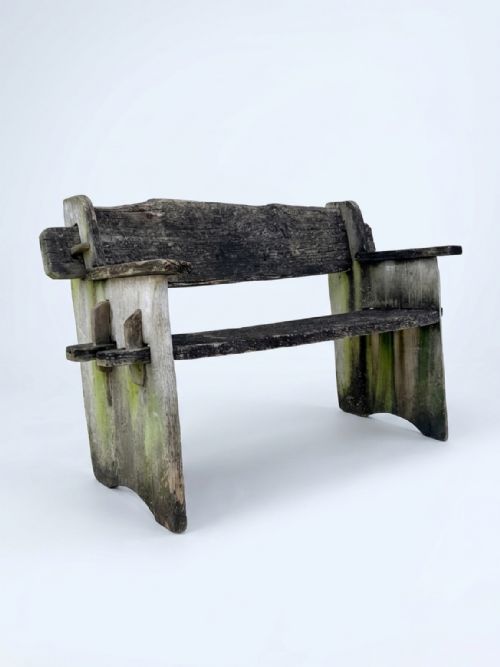
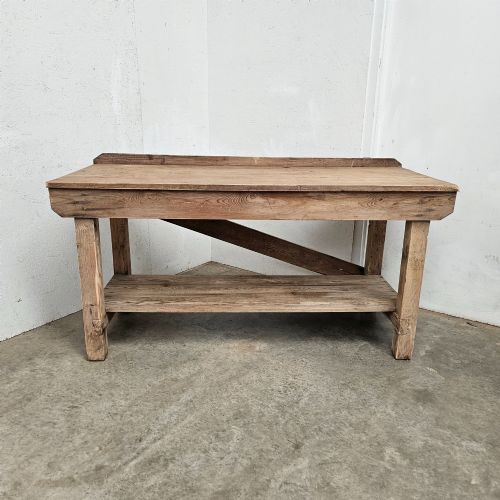
Forms range from compact hall benches and potting tables to wide garden seats and canopied settles. Many examples retain functional attributes such as under-seat storage boxes, flip-over mechanisms, or original painted finishes.
How they were made
Construction relies primarily on solid timber, combining pine with secondary woods such as elm or oak where structural strength is required. Surfaces are finished with traditional wax treatments or protected with coats of paint in blue, black, grey, cream, and green.
Joinery techniques reflect vernacular traditions, utilising pegged joints, solid panel backs, and robust boards designed to withstand heavy daily use. Iron fixings and hinges appear on functional elements like box seats and folding chapel attachments.
The inventory records vernacular forms originating from English, Hungarian, Spanish, and Swedish country traditions.
What varies in quality
Quality rests on the integrity of the timber and the survival of original surface treatments, whether aged wax patination or historical paint. Pieces retaining their structural honesty without excessive timber replacement command greater interest.
Proportion and regional character distinguish simpler utilitarian items from more elaborate folk art examples, such as spindled settles or canopied forms. The depth of the patina and the clarity of original construction details elevate an ordinary seat into a notable example of country furniture.
The Traditional Pine Bench Glossary
- Settle
- A wooden bench with a high back, solid arms, and often a closed base designed to keep out draughts in traditional interiors.
- Box settle
- A variation of the settle featuring a hinged seat that lifts to reveal storage space underneath for blankets or household goods.
- Patina
- The surface sheen and coloration developed through years of handling, waxing, and exposure to light.
- Folk art
- Items produced within a traditional community culture, often characterised by regional decorative styles and practical construction.
- Pew
- A long bench traditionally found in churches or chapels, adapted over time for domestic hallway and dining use.
Traditional Pine Bench: Frequently Asked Questions
How do I style a traditional pine bench?
These benches fit naturally into hallways, kitchens, and boot rooms where practical seating is needed alongside walls. Their linear forms anchor long dining tables or provide a functional drop zone near an entryway.
Pairing a waxed or painted bench with textured cushions softens the solid timber seat while keeping the historical character visible.
Are these benches comfortable for daily seating?
Most traditional forms feature upright wooden backs and solid seats designed for utility rather than lounging. High-back settles provide good support and historically served to trap warmth near firesides.
Adding loose squab cushions or textiles improves comfort for extended sitting at a dining table or in a living space.
How do I care for waxed pine furniture?
Maintain waxed surfaces by dusting regularly with a soft cloth and applying a neutral beeswax periodically to nourish the dry timber. Avoid placing pine furniture in direct sunlight or close to heat sources which can cause the wood to split.
Treat spills promptly by blotting with a dry cloth rather than rubbing to preserve the historic patina.
How can I tell if the paint is original?
Original paint typically shows natural wear patterns, minor crackle, and soft edges around high-contact areas where generations of hands have touched the wood. Examining the layers within joins and underneath reveals the age of the pigment and whether subsequent coats were applied.
Modern repainting often presents a uniform flat texture without the accumulated tonal depth of historical surfaces.