

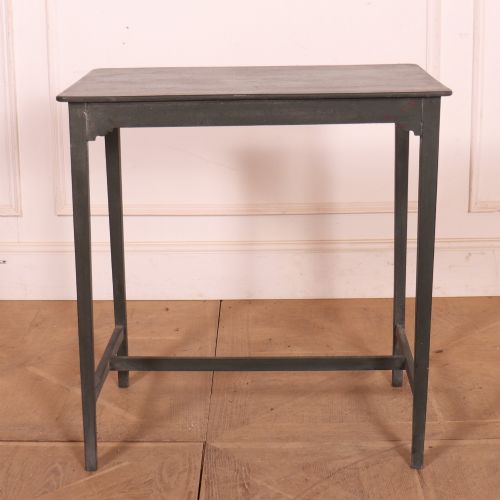


Vintage Painted Nightstand
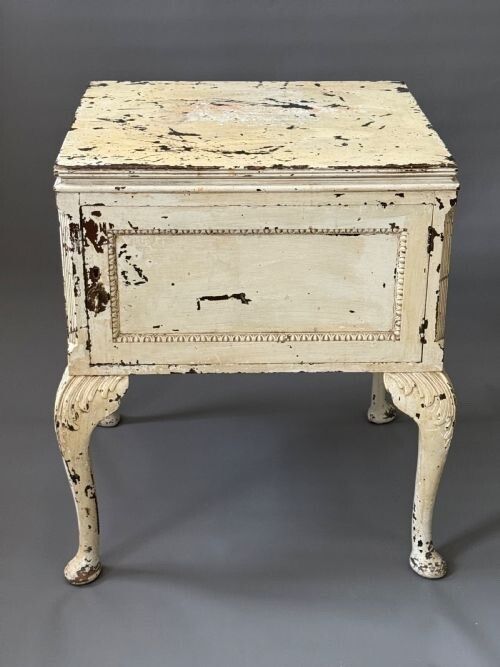
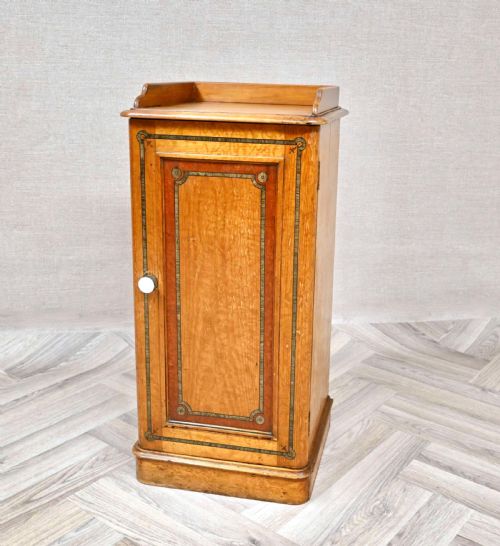
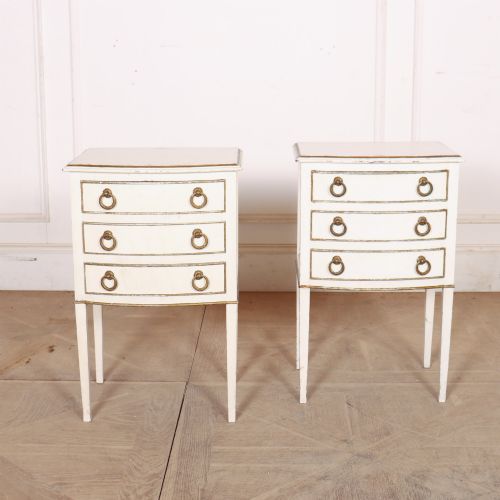
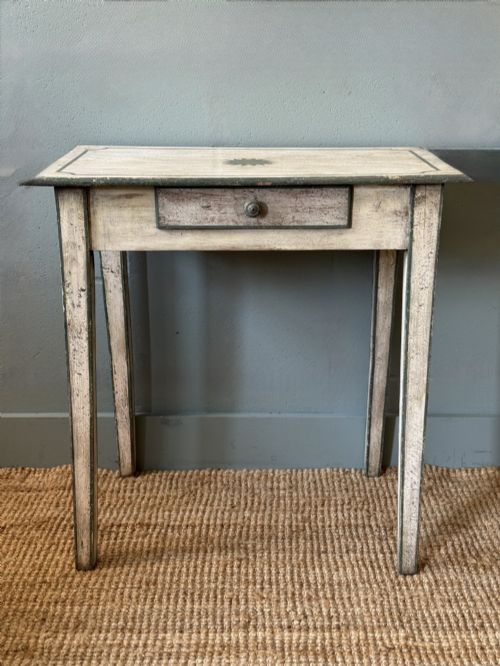
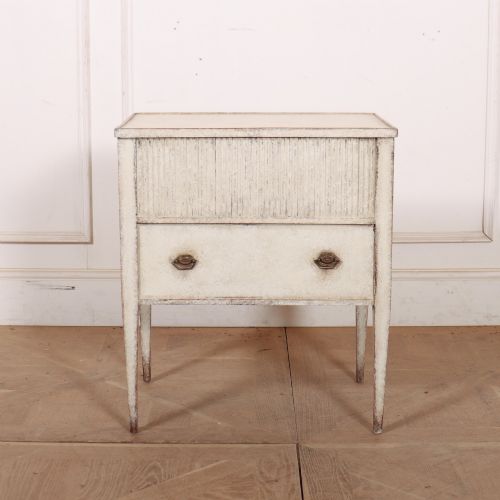
A vintage painted nightstand brings colour and practical bedside storage to a room, drawing on French, English, and Dutch traditions.
Vintage Painted Nightstand
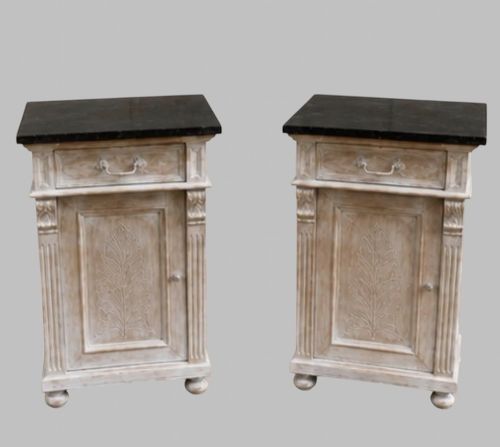
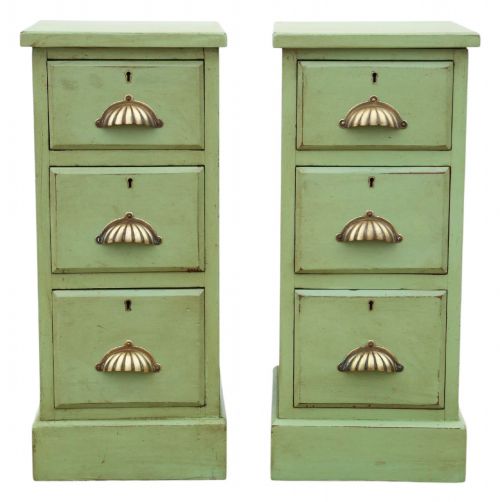
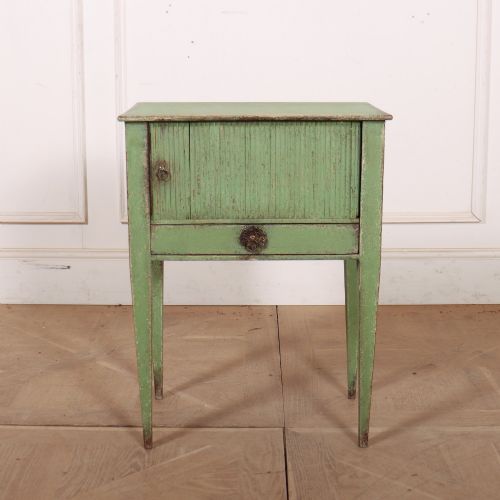
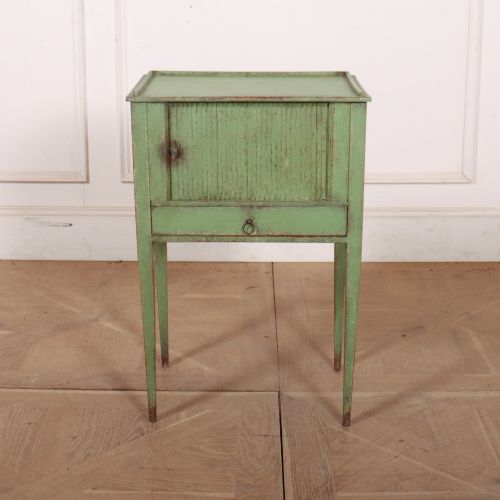
When you search for a vintage painted nightstand, you find a variety of small bedside furniture pieces including cabinets, cupboards, chests, and lamp tables. These items emerge from periods ranging from the eighteenth century through the Victorian era and into the early twentieth century.
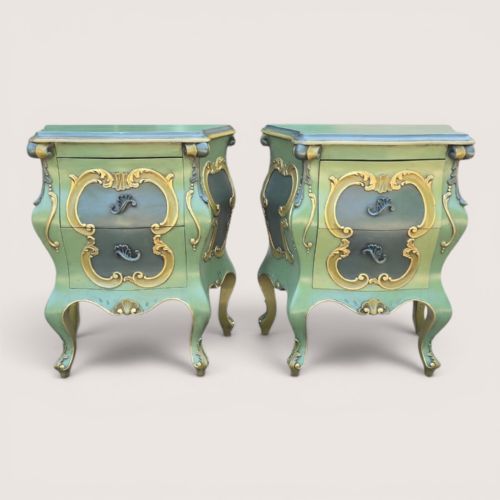
The most common versions on this page are French and English designs, often appearing in pairs, alongside Dutch and Swedish pieces. Forms span simple pine cupboards to satinwood and mahogany cabinets decorated with paint, gilding, or Chinoiserie motifs.
Makers and workshops across Europe produced these bedside tables to serve practical domestic needs while incorporating regional styles such as Louis XV revival, Italian Rococo, and English Country.
Materials and Construction
The construction of these pieces relies primarily on timber bases such as pine, oak, mahogany, fruitwood, and satinwood. Carpenters shaped these woods into functional bedside tables, cupboards, and washstands.
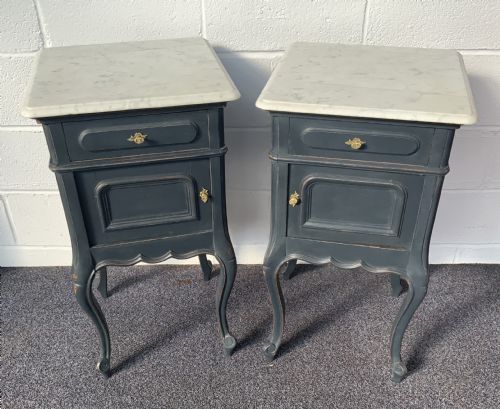
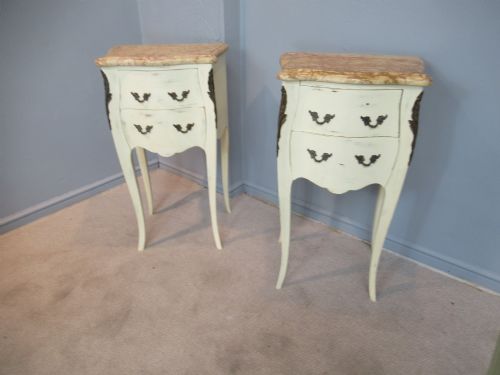
Surfaces received treatments of paint, often applied in specific hues like grey, green, blue, or black, sometimes complemented by brass hardware or marble tops. Carved details and giltwood accents appear on regional variations from France, Italy, and England.
Several cabinets arrive wearing coats of paint named after specific modern shades like Railings, proving old pine loves a contemporary tin.
Assessing Quality
Quality in these bedside tables rests upon the integrity of the timber framing and the execution of the painted surface. Pieces that retain their original paint layer and demonstrate thoughtful proportions stand apart from later repainted adaptations.
The refinement of decorative details, whether carved wood, gilding, or Chinoiserie decoration, distinguishes standard utilitarian bedroom furniture from finer workshop pieces produced in pairs.
The Vintage Painted Nightstand Glossary
- Satinwood
- A hard, durable timber with a natural golden sheen often utilised for fine cabinetmaking during the eighteenth and nineteenth centuries.
- Chinoiserie
- European decorative style inspired by Chinese artistic traditions, frequently featuring hand-painted motifs on furniture cabinets and side tables.
- Washstand
- A domestic piece designed to hold a basin and pitcher before plumbing became standard in bedrooms, now frequently adapted as a bedside table.
- Giltwood
- Timber treated with gold leaf or gold paint to create a decorative metallic surface finish on frames and cabinets.
Vintage Painted Nightstand: Frequently Asked Questions
What is a vintage painted nightstand?
A vintage painted nightstand is a small bedside table, cabinet, or chest finished with decorative paint. These pieces date from the eighteenth to the early twentieth century and originate from various European traditions.
They provide surface space and enclosed storage beside a bed while introducing colour and period character to an interior.
How do I choose between French and English styles?
French bedside cabinets often feature lighter proportions, curved lines, and stylistic influences from Louis XV or provincial workshops. English examples tend to use oak, pine, or mahogany with simpler rectangular forms or traditional country details.
Your choice depends on whether you prefer the ornate painted surfaces of continental designs or the sturdier timber construction of British pieces.
Are painted nightstands durable for daily use?
These pieces were built using solid hardwoods like oak and pine, designed for everyday domestic service. Their robust wooden frames handle normal bedroom use comfortably.
Care should be taken with painted or marble surfaces to avoid moisture damage and scratches from daily objects.
How do I identify the period of a bedside cabinet?
Dating relies on observing construction techniques, timber choices, and stylistic markers such as Victorian column details or Edwardian satinwood finishes. Paint analysis and hardware styles also offer clues to the era of manufacture.
Comparing the piece to documented examples from the nineteenth or early twentieth century helps confirm its age.