
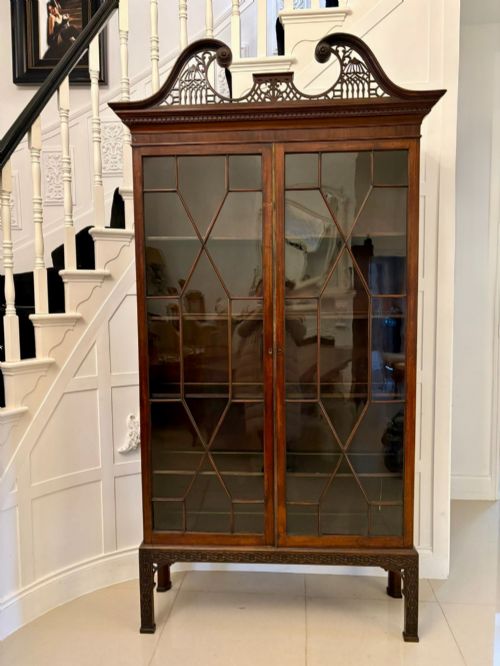
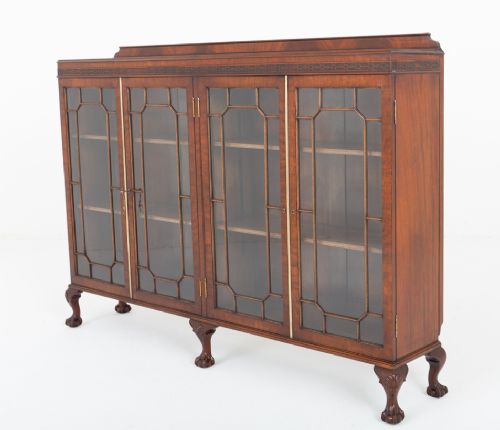
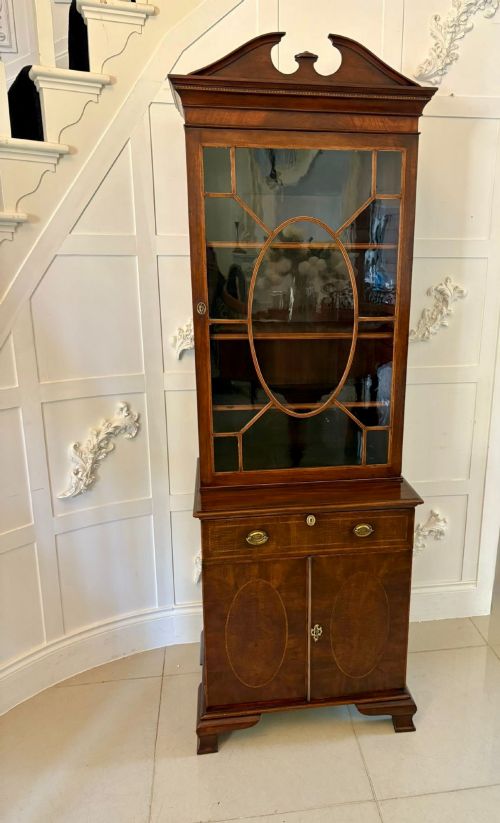
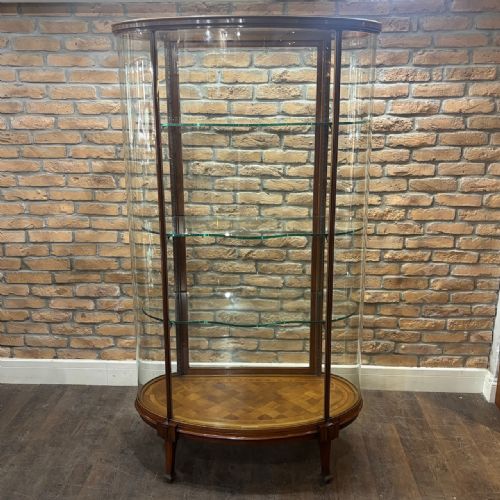

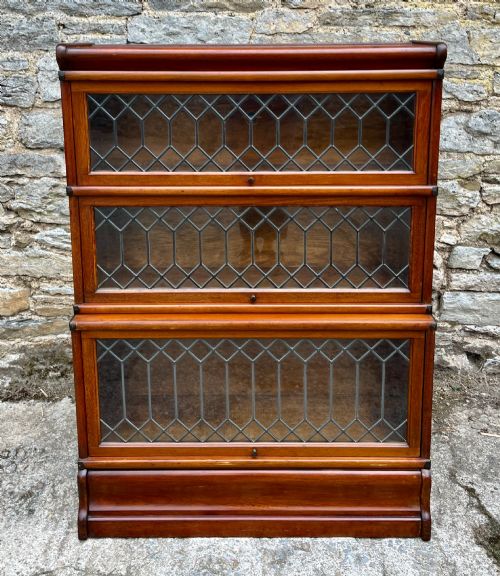
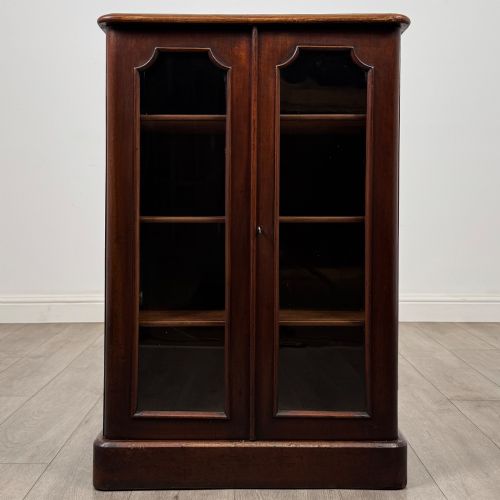
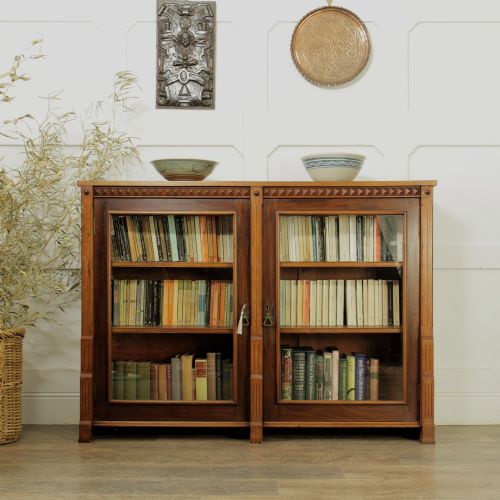
Vintage Mahogany Glass Cabinet
A vintage mahogany glass cabinet brings warmth and clear display space to a room, holding books and collections behind timber frames.
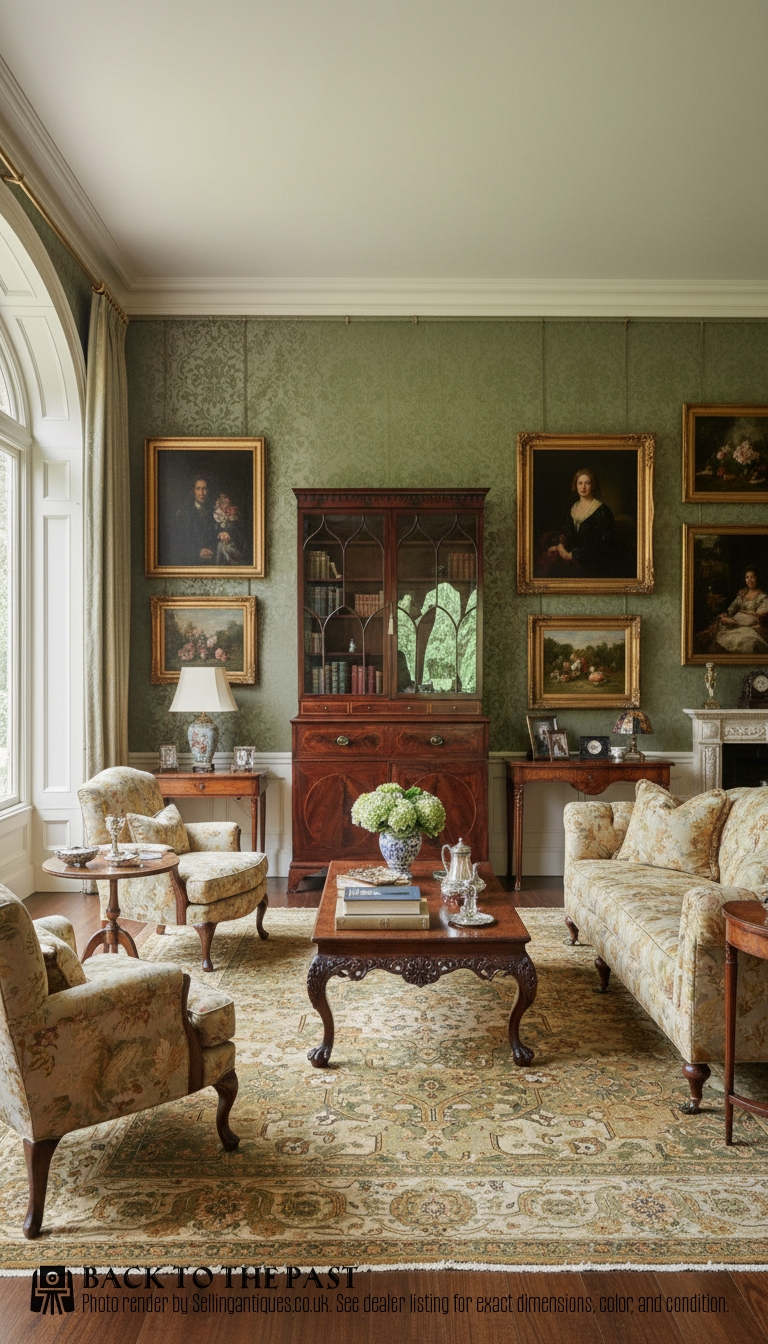
Vintage Mahogany Glass Cabinet
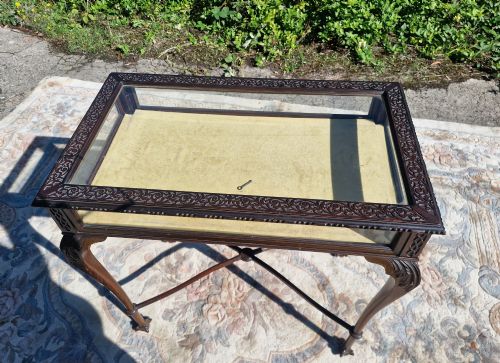
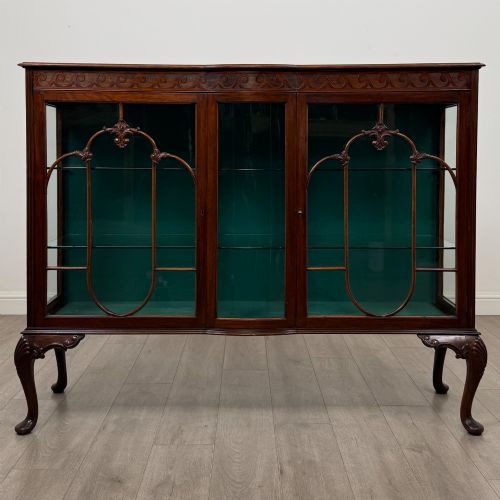
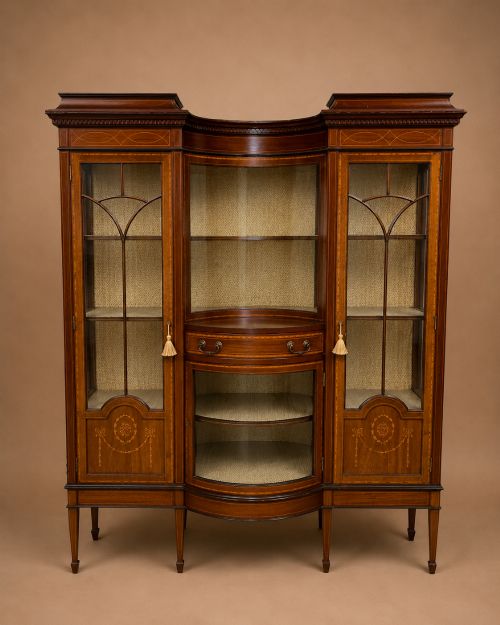
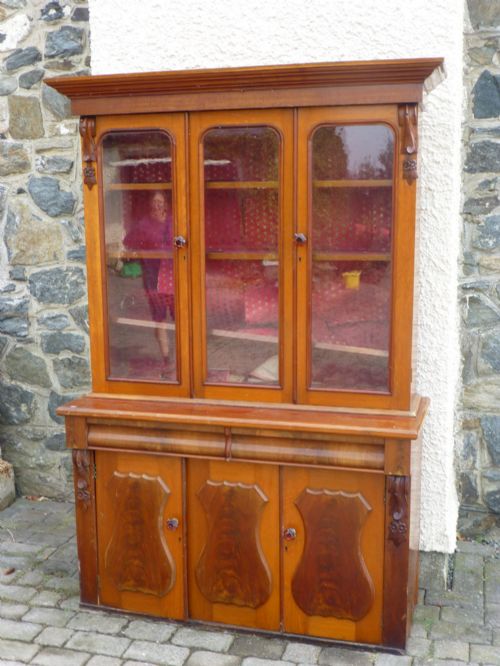
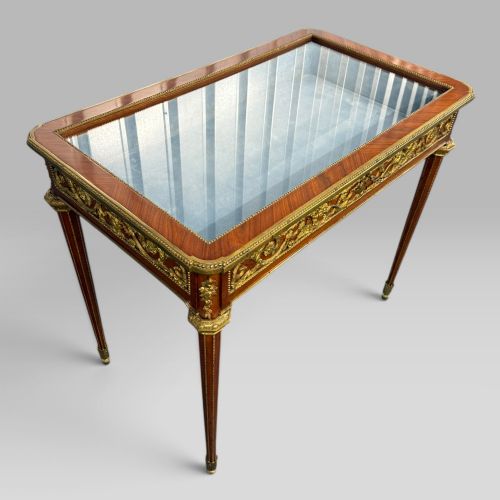
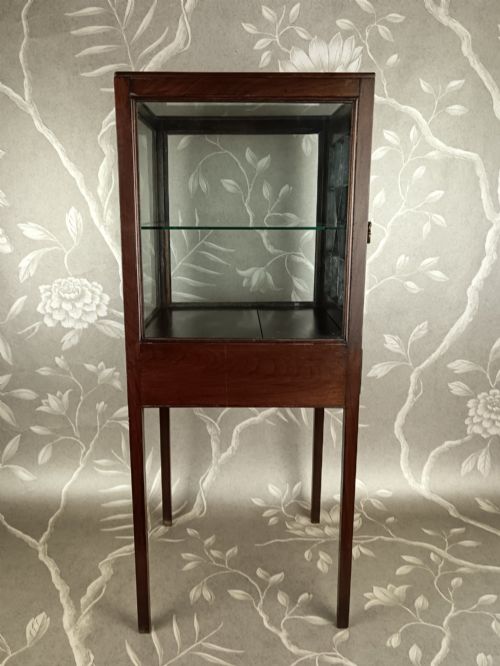
A vintage mahogany glass cabinet combines rich timber framing with transparent panels to exhibit books, ceramics, and personal collections. These pieces emerge in various forms across this selection, from tall freestanding bookcases and corner units to low bijouterie display tables.
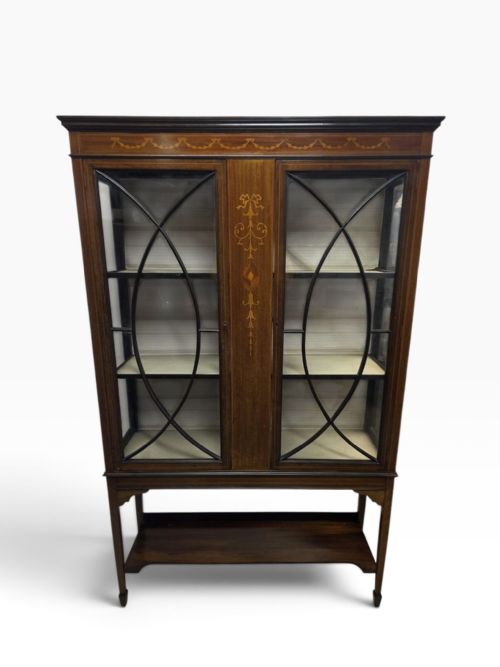
Edwardian examples dominate the selection, often featuring delicate satinwood inlay or mirror backs that reflect light through the interior. Earlier Victorian and Georgian pieces appear alongside later twentieth-century shop display cabinets and stacking barristers' bookcases.
Makers and styles span Chippendale Revival, Sheraton Revival, and practical commercial designs with adjustable glass shelves. Buyers encounter everything from domestic corner cupboards to large glazed side cabinets intended for formal reception rooms.
Judging quality and craft
Quality rests on the depth of the mahogany timber and the precision of any inlaid satinwood or marquetry details. Superior examples display crisp carved mouldings and balanced proportions rather than heavy, unbalanced joinery.
The integrity of the glazing and the finish of the interior elements distinguish finer pieces. Original glass panes, well-fitted doors, and refined hardware demonstrate a higher standard of workshop production.
Vintage Mahogany Glass Cabinet Retail Price Guide 2026
Typical asking prices for vintage mahogany glass cabinet among the pieces listed under this phrase on Sellingantiques today, from the lower quarter to the upper quarter. They describe what is for sale here now, not the wider market.
Biscuits once sold from specialised glazed shop counters now display personal collections in quiet sitting rooms.
F. Sage & Co·Globe Wernicke·François Linke·Maple & Co·Mackenzie's
The Vintage Mahogany Glass Cabinet Glossary
- Bijouterie table
- A glass-topped display table specifically designed for showing small valuables, medals, or jewellery. These pieces typically stand on slender legs with glazed sides.
- Barrister's bookcase
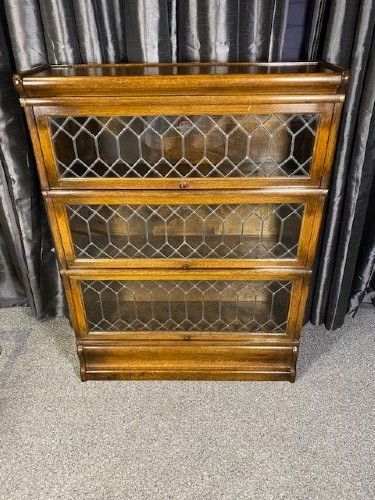
- A stacking modular bookcase with upward-lifting glass doors for each individual shelf tier. They were designed for legal offices and studies.
- Vitrine
- An enclosed glass cabinet or display case used principally for exhibiting fine porcelain and curiosities. The term originates from the French word for glass.
- Marquetry
- Decorative woodwork where pieces of veneer are fitted into a ground to form intricate patterns or floral designs. Cabinet makers use contrasting timbers like satinwood for this effect.
- Chiffonier
- A low sideboard or cabinet with drawers and shelves, popular during the nineteenth century. Many versions incorporate glazed doors or a small superstructure.
Vintage Mahogany Glass Cabinet: Frequently Asked Questions
How do I clean the interior glass?
Use a soft microfiber cloth and a mild glass cleaner sprayed onto the cloth rather than directly onto the wood. This prevents moisture from damaging the vintage mahogany frame.
Take care around delicate satinwood inlay or aged brass hardware to preserve the surrounding finish during cleaning.
Are the shelves adjustable?
Many commercial and shop display cabinets feature adjustable glass shelves supported by metal brackets. Standard domestic bookcases often have fixed wooden or adjustable timber channels.
Check individual cabinet specifications to see how the internal shelving is configured for your collection.
Where should I place my cabinet?
Position the piece away from direct sunlight to protect the mahogany timber from fading and to prevent interior heat buildup. Stable indoor humidity also helps preserve older wood and glues.
Ensure the floor is level so that large glazed doors hang straight and latch correctly without binding.
How do I identify an Edwardian piece?
Edwardian cabinets often feature lighter proportions, subtle satinwood inlay, and Sheraton Revival influence. They typically date from the period around nineteen hundred to nineteen ten.
Look for refined brass mounts, mirror backs, and delicate floral marquetry which typify the decorative taste of that era.