




George III Glazed Bookcase
A george iii glazed bookcase offers stately proportions and timber warmth, bringing classic Georgian architecture into a room.
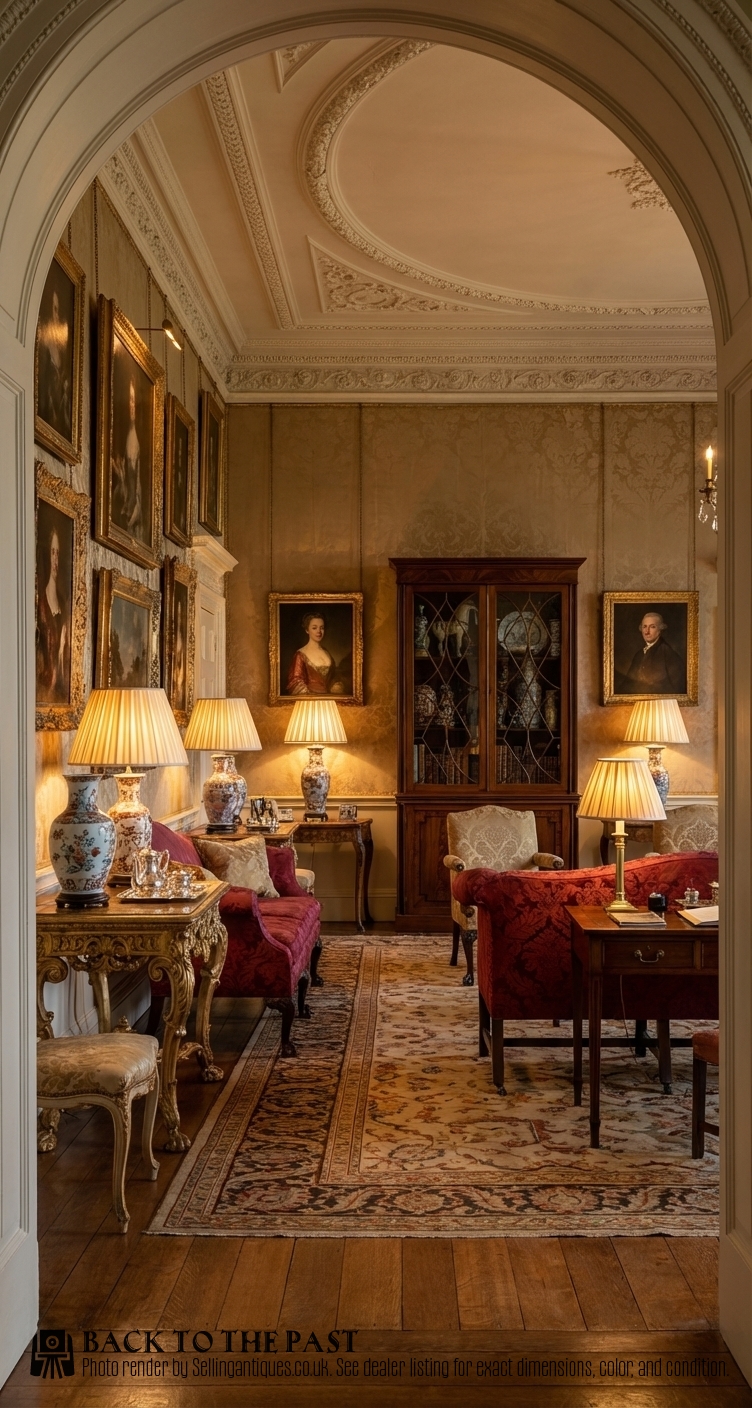
Understanding the George III glazed bookcase
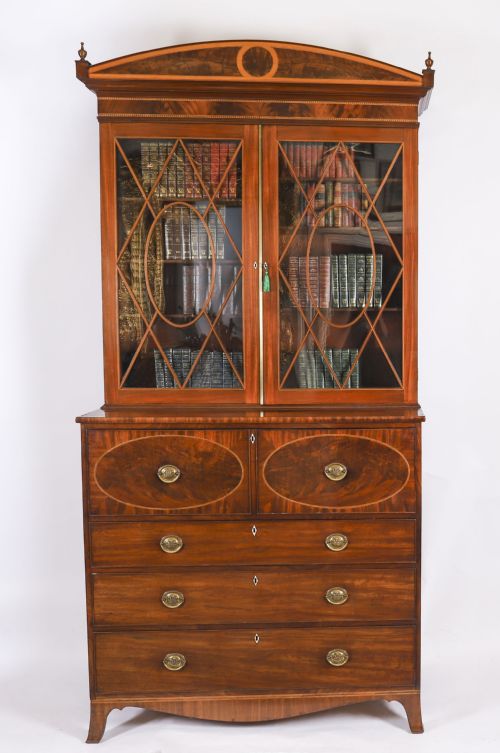
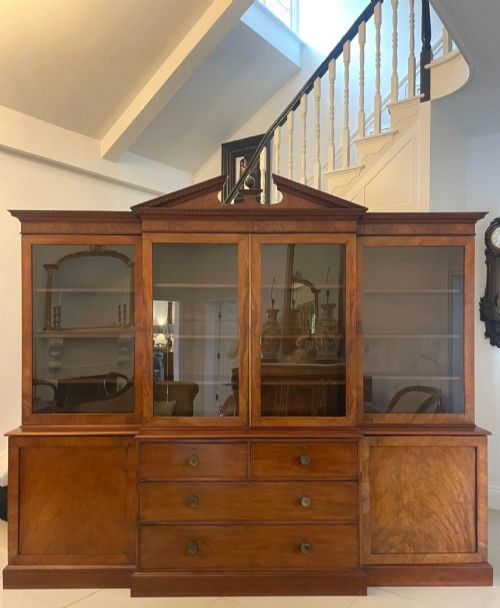
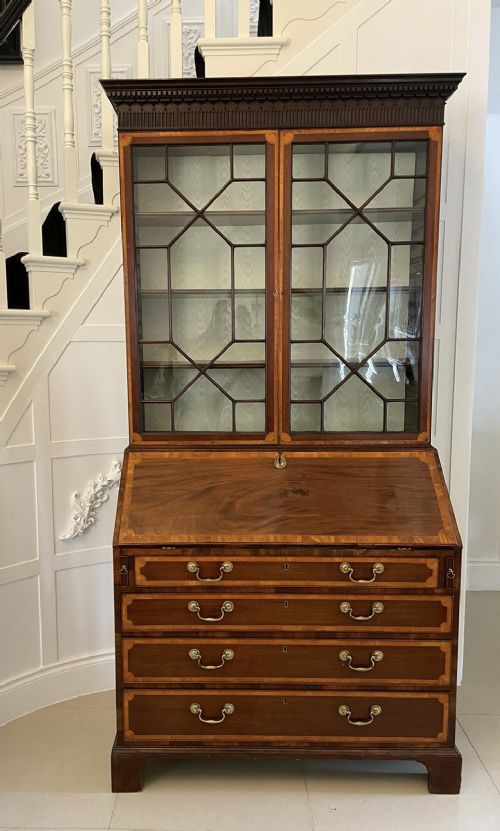
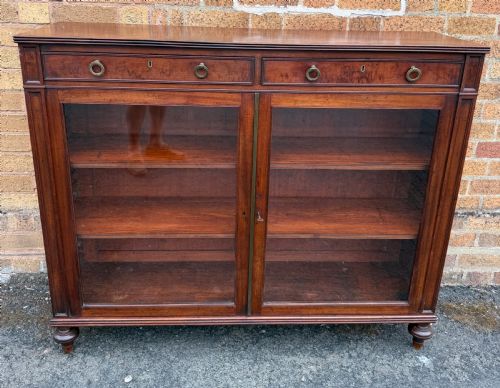
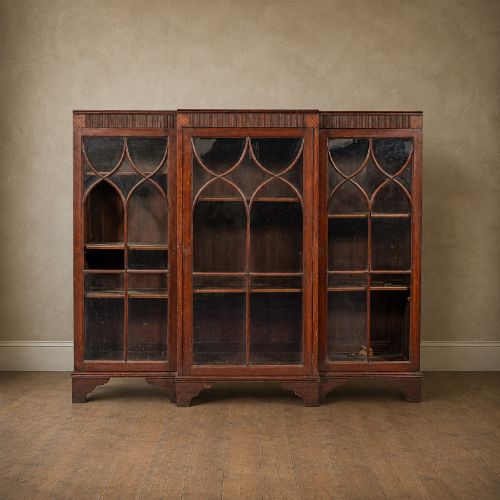
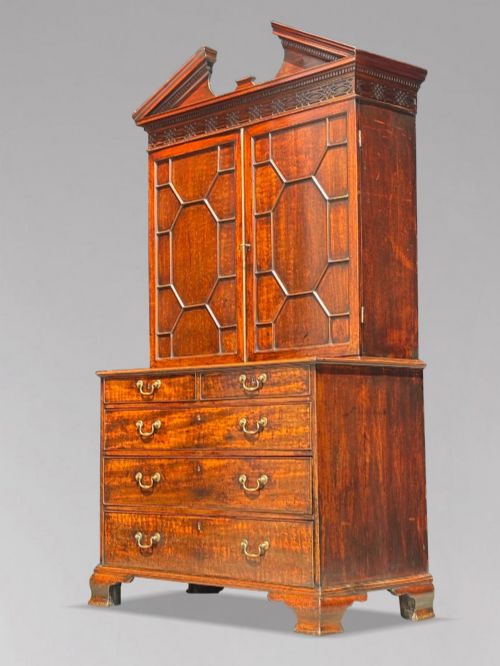
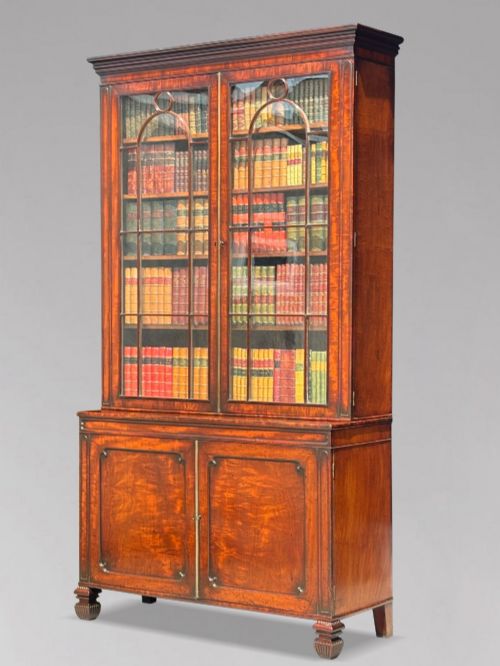
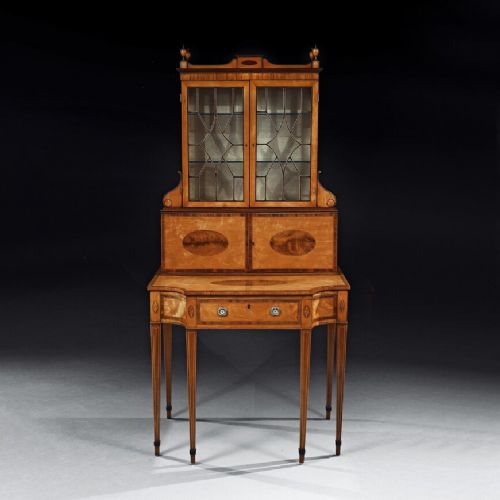
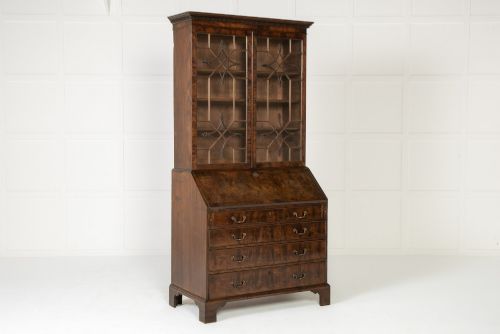
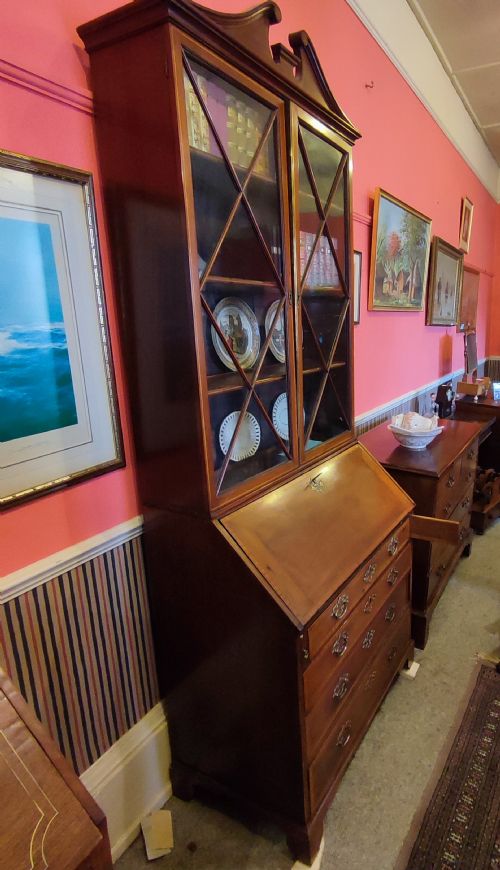
A george iii glazed bookcase unites the practical storage of a lower cupboard with the refined display of an upper shelved cabinet enclosed by glass. These pieces emerge from the Georgian era and the 18th century, appearing as large breakfront forms, library editions, and secretaire variants.
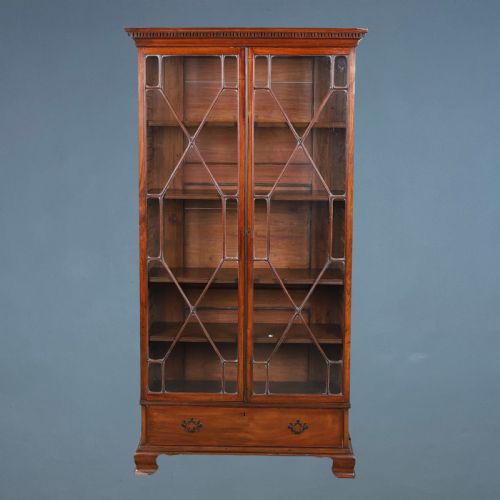
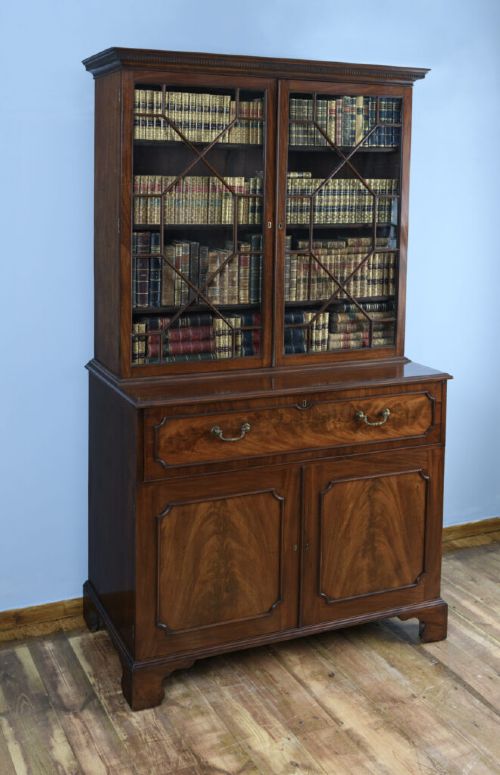
Makers designed these items to house valuable volumes while keeping them protected from dust behind timber frames. The upper section frequently incorporates astragal glazing bars, creating geometric patterns across the glass panes.
On this page, buyers frequently meet mahogany examples styled in the George III tradition, often raised on bracket feet with fitted drawers inside the secretaire compartments.
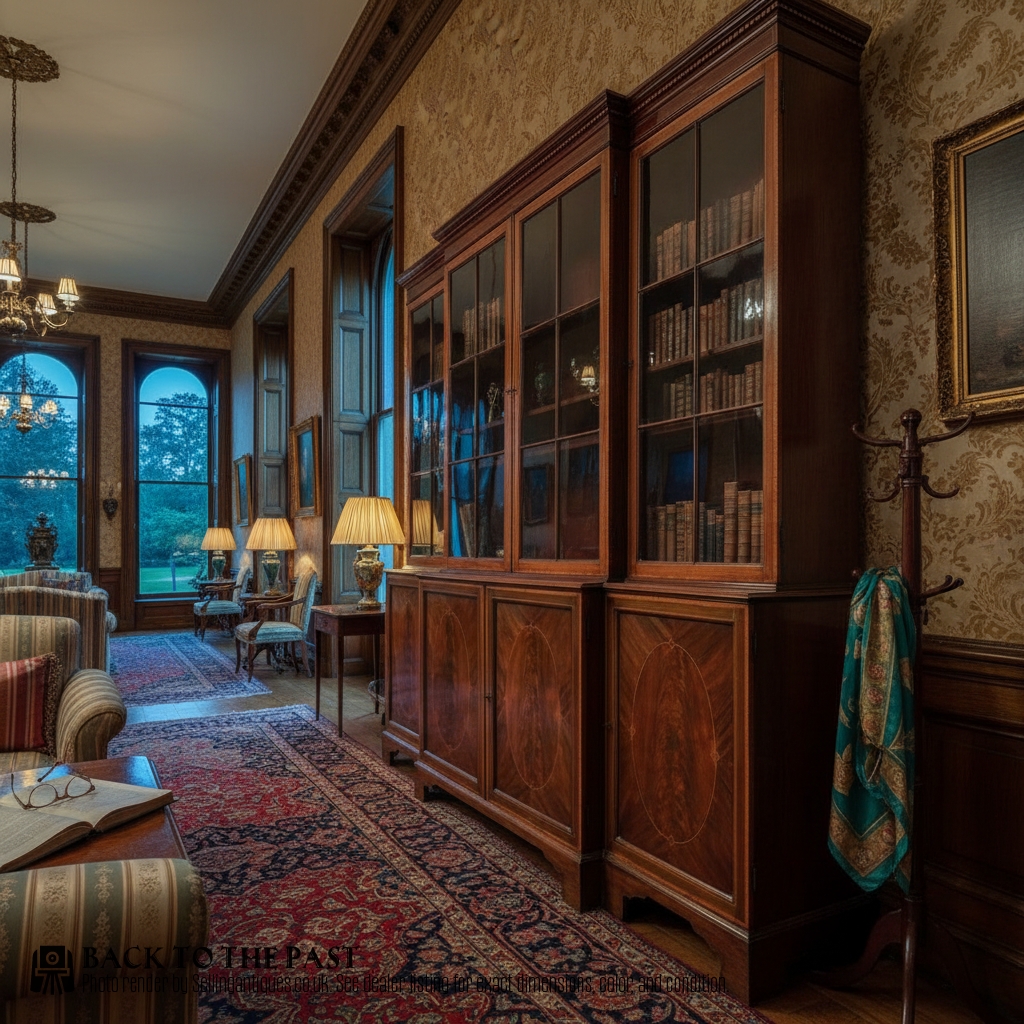
Materials and construction
Cabinet makers relied principally upon rich mahogany, occasionally complemented by satinwood details and inlaid motifs to accentuate the primary timber grains. Brass hardware, including bail handles, provided functional and decorative accents to the drawers and doors.
The upper enclosures utilised individual glass panes held securely within wooden framing bars. Structural integrity derived from traditional joinery, creating substantial breakfront and cupboard configurations designed to endure.
Retail Price Guide 2026
Typical UK retail prices for george iii glazed bookcase, calculated from the Sellingantiques database of over a million retail prices indexed since 2003. This retail price guide relies exclusively on Sellingantiques data; no external sources or auction records are used, so the figures do not describe the wider market.
Behind the glass doors, forgotten library dust still whispers tales of late-night reading by candlelight.
Assessing quality and craftsmanship
Quality rests upon the crispness of the timber carving and the architectural balance of the breakfront or cabinet proportions. Superior pieces maintain original top and bottom sections alongside fitted interior drawers that operate smoothly within their housings.
The refinement of the astragal glazing bars and the depth of the mahogany grain distinguish the finest examples. Finer work reveals careful attention to the brass mounts and the structural harmony of the bracket feet.
Gillows·Chippendale
The George III Glazed Bookcase Glossary
- Astragal
- The narrow wooden moulding that divides individual panes of glass within a cabinet door. These bars form delicate geometric patterns across the upper section.
- Breakfront
- A large cabinet design where the central section projects forward from the flanking wings. This architectural arrangement creates depth and visual rhythm.
- Secretaire
- A desk form featuring a drop-front drawer that conceals a fitted interior of small drawers and pigeonholes. It combines writing utility with bookcase storage.
- Bracket foot
- A simple corner foot formed by two mitred pieces of timber shaped in an L-profile. It supports the base of large Georgian cabinets.
Frequently Asked Questions
How do I identify George III furniture?
George III pieces date from the reign spanning the late 18th and early 19th centuries. They display classical proportions, mahogany construction, and often incorporate bracket feet.
Detailing like astragal glazing bars and brass bail handles helps confirm the period style.
Where were these bookcases used?
Original owners placed these large cabinets in formal libraries, drawing rooms, and studies of substantial homes. They kept leather-bound volumes safe while displaying learning and taste.
Today, they function well in similarly proportioned reception rooms.
Are the glass panes original?
Many surviving examples retain their original glass panels within the upper doors. Examining the glass can reveal subtle imperfections and waviness typical of older manufacturing methods.
Original glazing bars and glass add significantly to the historical integrity of the piece.