
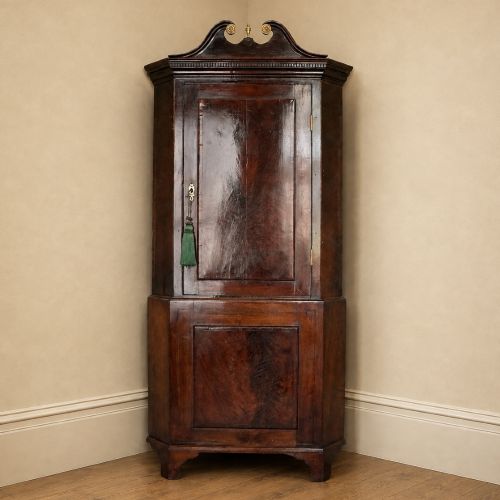
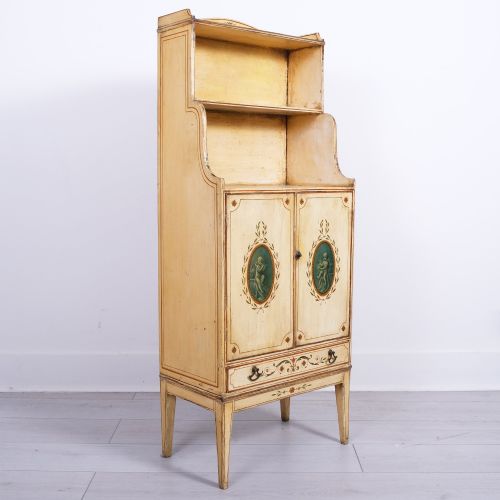
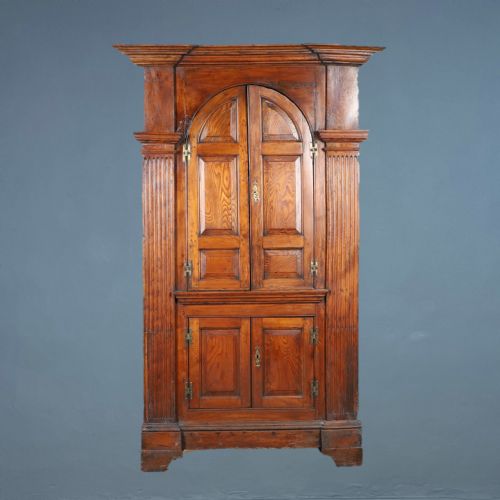
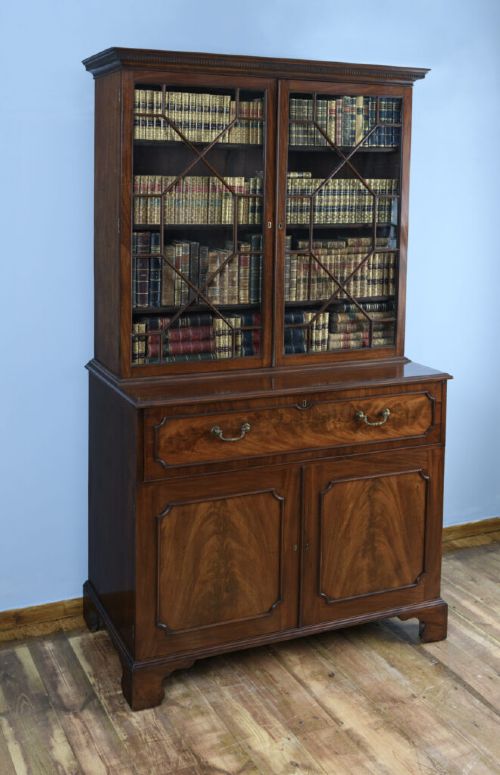


George III Display Cabinet
A george iii display cabinet gives your room architectural balance and a clear view of your collection through classic glazed doors.
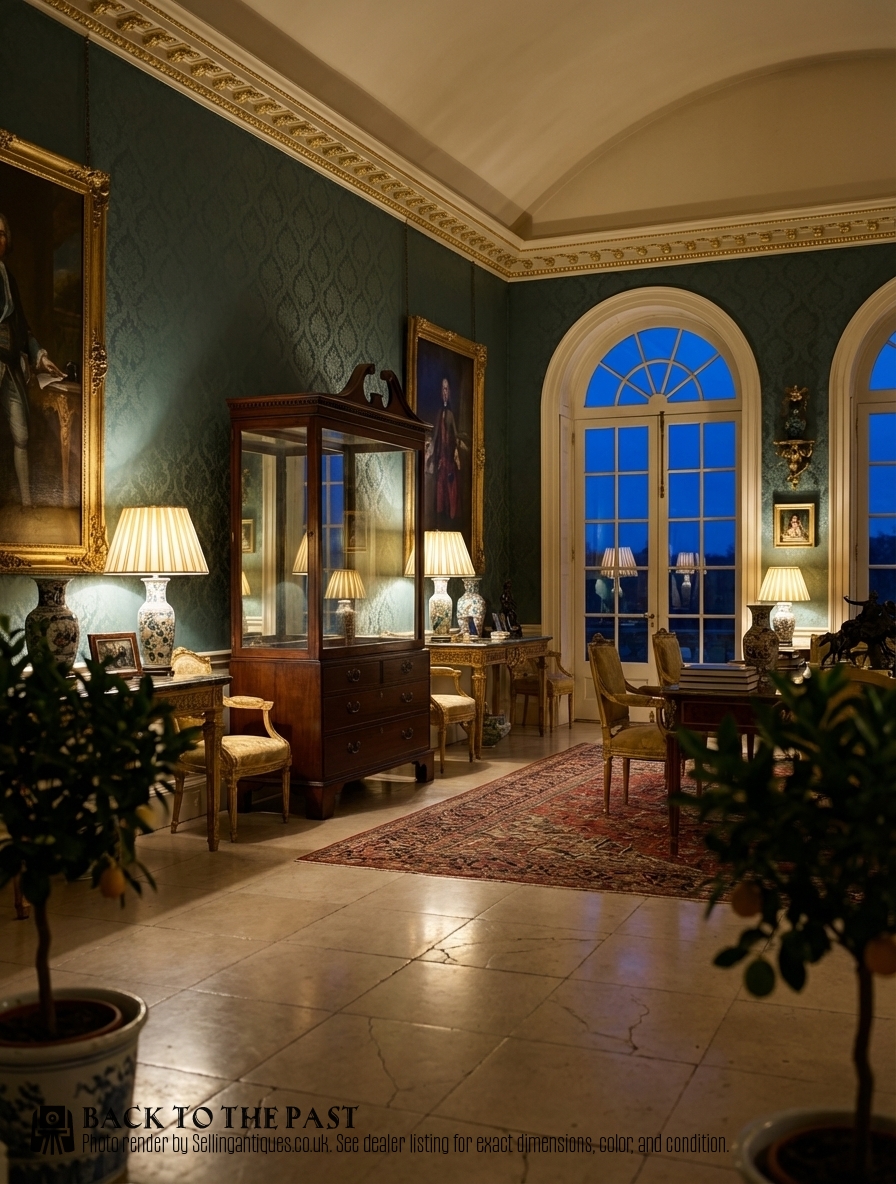
What george iii display cabinets are
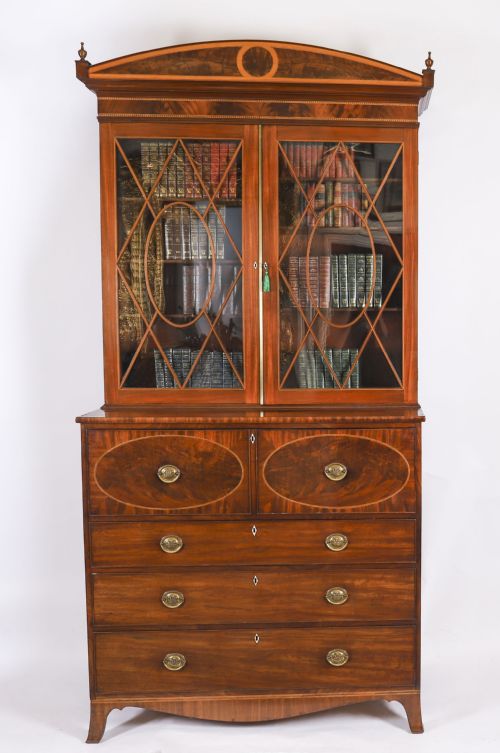
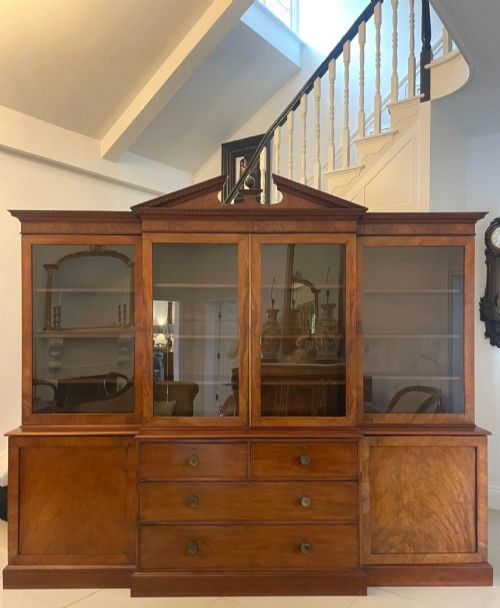
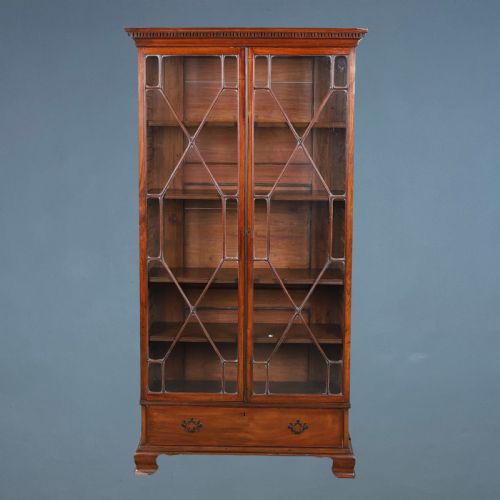
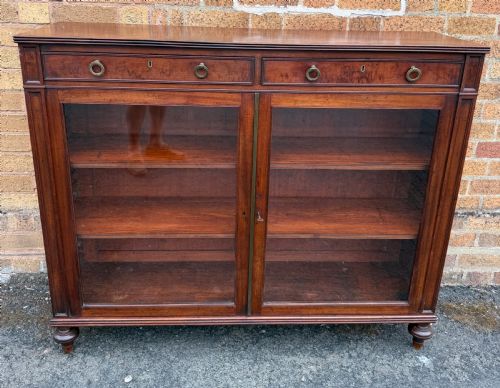
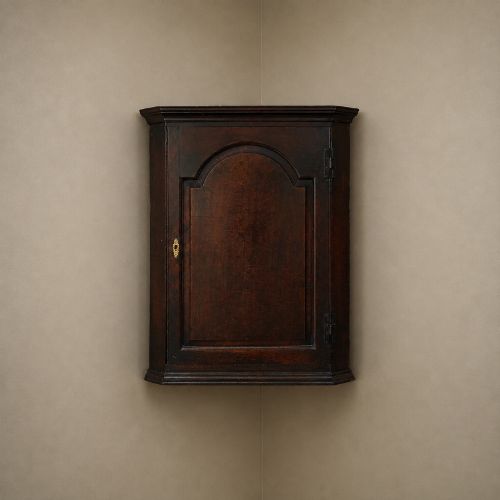
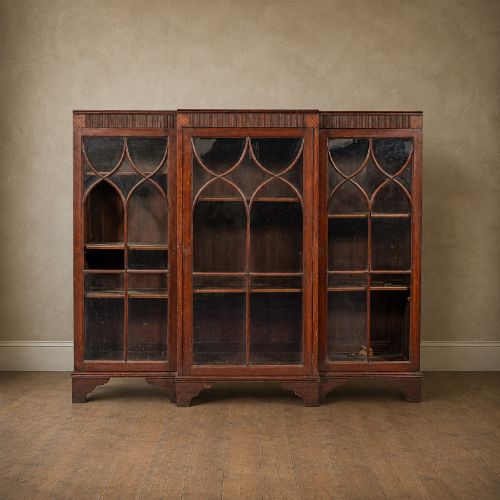
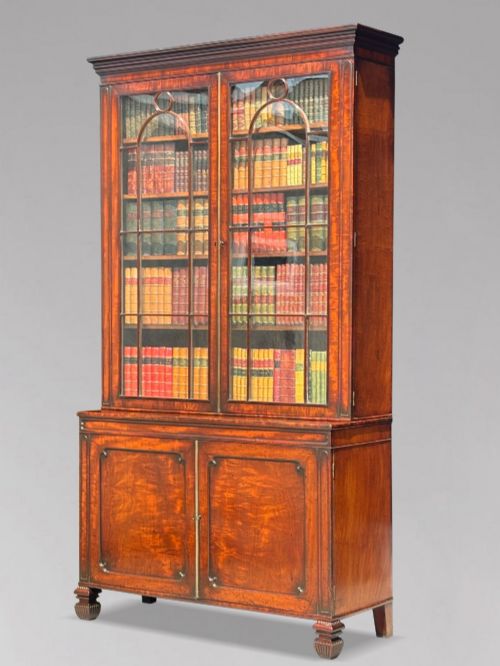
When you search for a george iii display cabinet, you enter a field of mahogany furniture that spans tall breakfront bookcases, wall-mounted units, and corner formats. These pieces range from upright library bookcases built around eighteen hundred to smaller hanging cabinets dated to seventeen seventy-five.
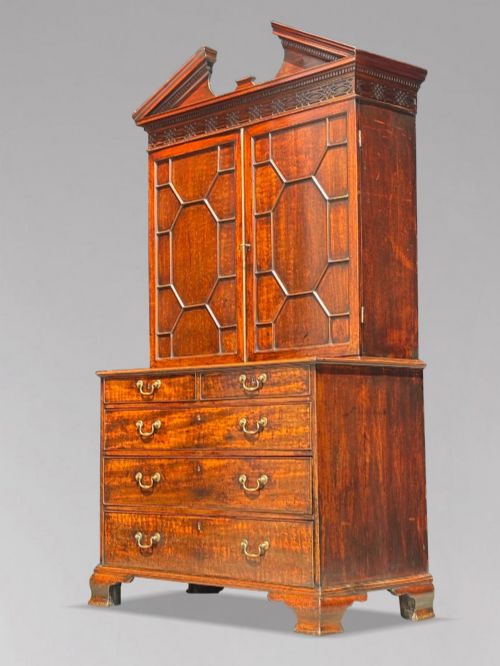
The version you are most likely to meet on this page is a mahogany display cabinet or bookcase set with glazed doors. Surviving examples connect the eighteenth-century aesthetic of the Georgian period with later nineteenth-century interpretations up to eighteen eighty.
Makers of the era designed these items to store books or showcase decorative objects within domestic rooms. The forms include tall standing breakfronts, two-door library cases, and compact hexagonal or corner designs.
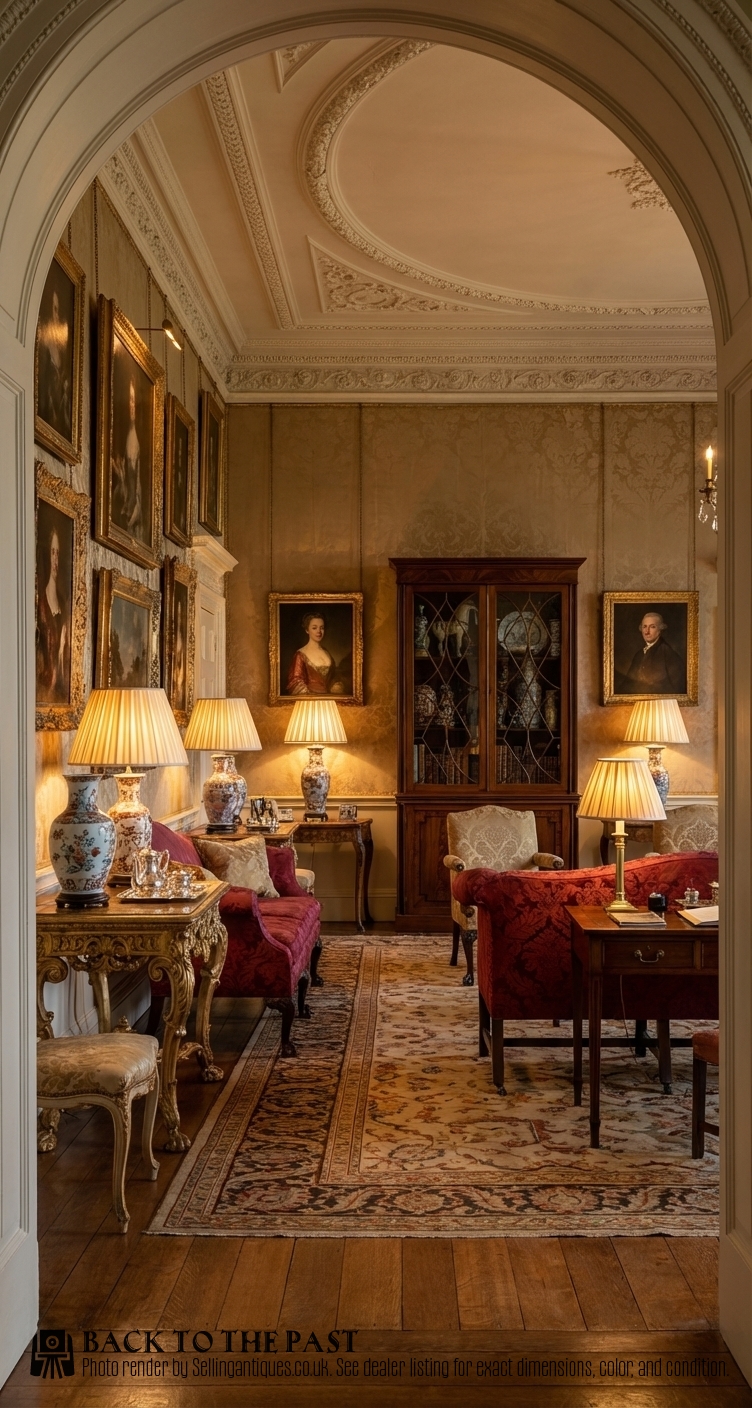
How they were made
Carpenters built these cabinets primarily using mahogany, often selecting flame mahogany veneers for rich figure across the surfaces. Glazed sections utilised timber framing to hold the glass panels in place.
Metal fittings such as brass hardware completed the construction of doors and drawers. Joinery methods of the period prioritized structural stability within large bookcases and smaller hanging display cabinets alike.
Retail Price Guide 2026
Typical UK retail prices for george iii display cabinet, calculated from the Sellingantiques database of over a million retail prices indexed since 2003. This retail price guide relies exclusively on Sellingantiques data; no external sources or auction records are used, so the figures do not describe the wider market.
Listings feature mahogany, glass, and brass across Georgian and nineteenth-century periods.
What varies in quality
Quality rests in the choice of timber and the handling of the mahogany grain. Cabinets featuring figured flame mahogany veneers and thoughtful proportions stand apart from simpler utilitarian builds.
The refinement of the glazing bars and the integration of brass hardware distinguish more ambitious library bookcases and breakfronts from standard workshop output.
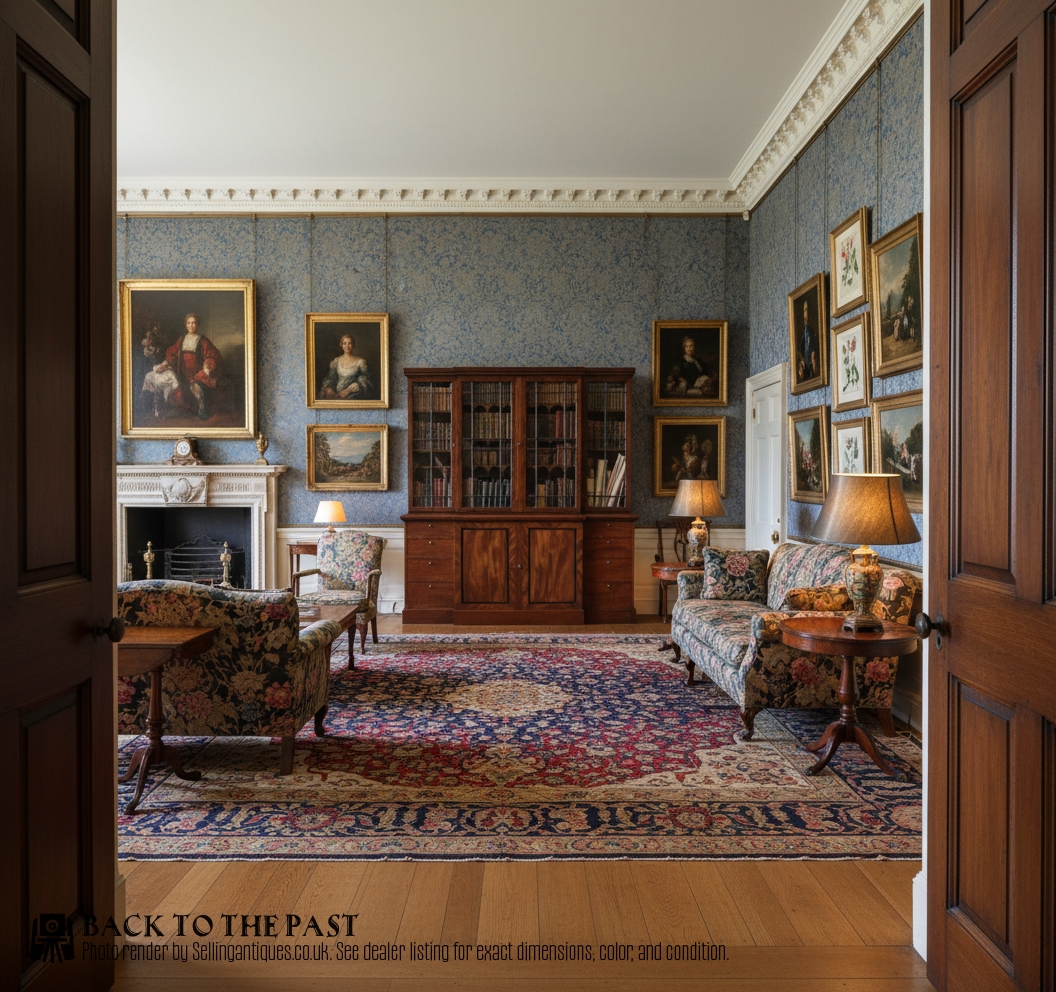
The George III Display Cabinet Glossary
- Mahogany
- A durable tropical hardwood imported for fine cabinet-making. It takes a deep polish and shows strong grain figures.
- Breakfront
- A cabinet design where the central section projects forward from the flanking wings. This configuration adds architectural depth to large bookcases.
- Glazing
- The fitting of glass panes into wooden frames or doors. In these cabinets, it allows the contents to remain visible while protected.
- Secretaire
- A desk component fitted with a pull-down writing flap and small interior drawers. Some display cabinets incorporate this feature into the central section.
- Astragal
- A moulding profile used to divide glass panes within a door. It provides structural support and decorative division.
Frequently Asked Questions
What is a george iii display cabinet?
A george iii display cabinet is a wooden storage piece featuring glass doors designed during the Georgian era or in subsequent revival styles.
These cabinets served to house books and display valued objects within polite interiors.
How do I identify a george iii display cabinet?
Identification relies on observing the use of mahogany timber, classical proportions, and period glazing patterns.
Reference to dates between the eighteenth and nineteenth centuries helps confirm the historical context of the piece.
Where were george iii display cabinets placed?
These cabinets occupied principal rooms such as libraries, drawing rooms, and studies.
Wall-mounted and corner formats made efficient use of domestic space while standing breakfronts dominated large walls.
What materials make up these cabinets?
Makers constructed the primary carcase and doors using solid mahogany and mahogany veneers.
Glass panels and brass hardware completed the functional elements of the design.