


Gillows Mahogany Bookcase
A gillows mahogany bookcase brings together solid cabinet-making and versatile timber, offering practical library storage with architectural presence.
Gillows Mahogany Bookcase
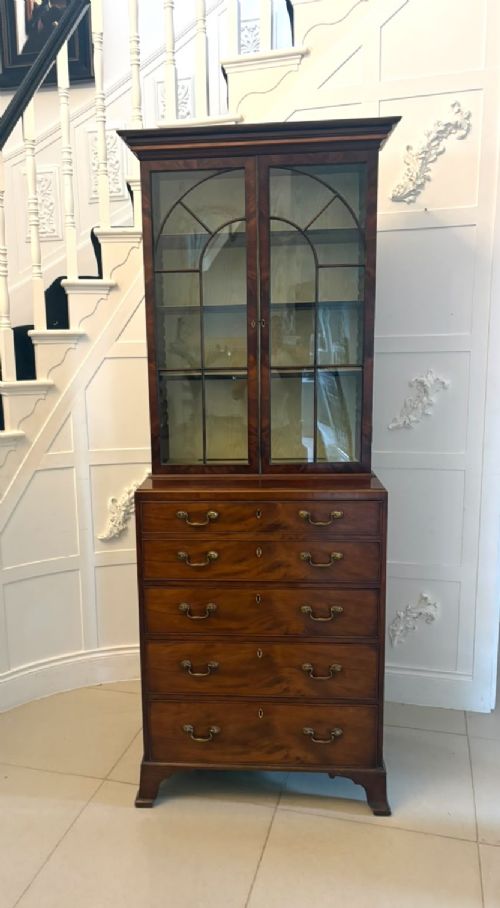
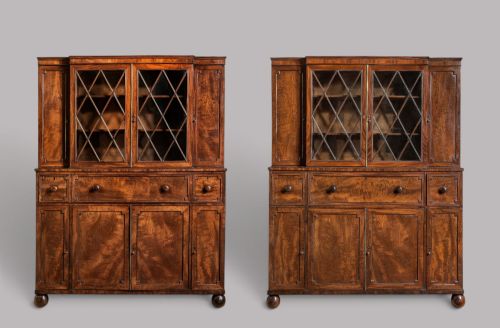
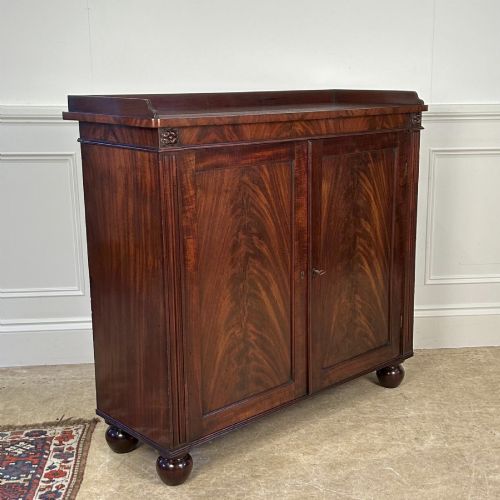
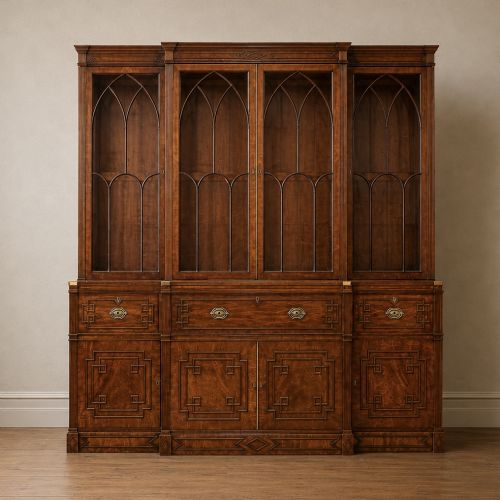
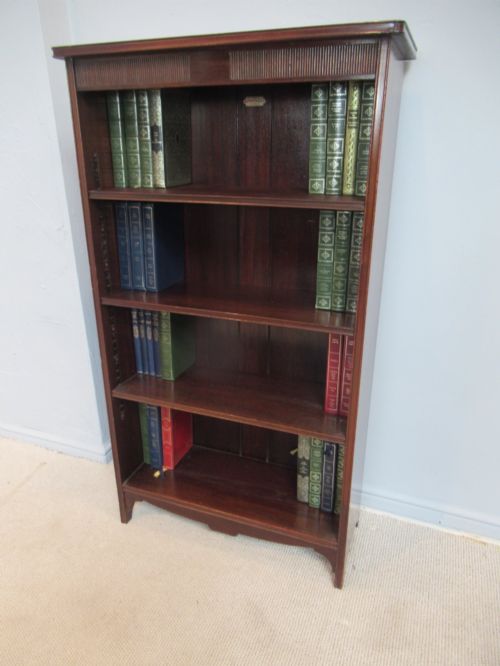
When you search for a gillows mahogany bookcase, you are looking at items designed for domestic libraries and formal rooms, ranging from dwarf open shelves to large breakfront library cabinets. These pieces span George III, Regency, and Victorian periods, alongside later twentieth-century examples.
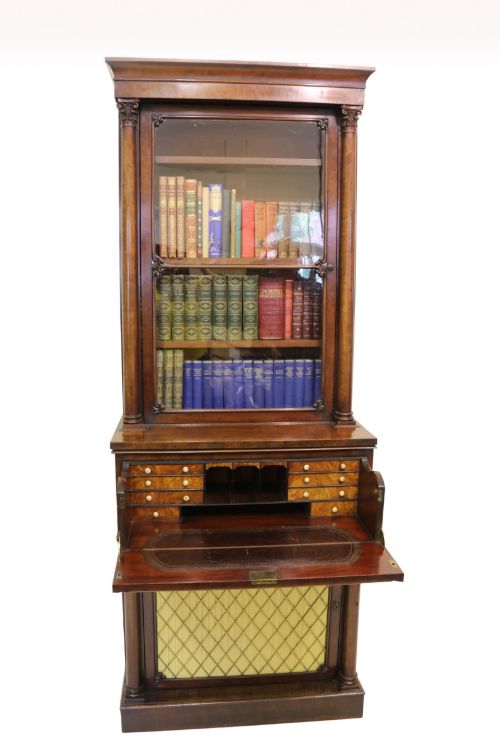
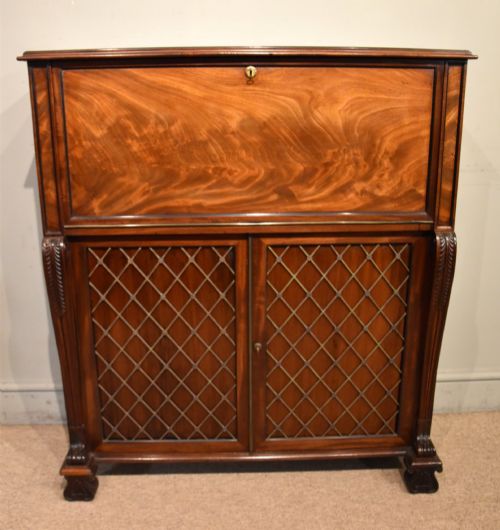
The version you are most likely to meet on this page is the secretaire bookcase, which combines upper shelving with a fitted writing drawer, often attributed to the Lancaster and London firm.
Forms extend from tall breakfront library bookcases down to small dwarf cabinets, waterfall open shelves, and cylindrical bureau bookcases.
Materials and construction
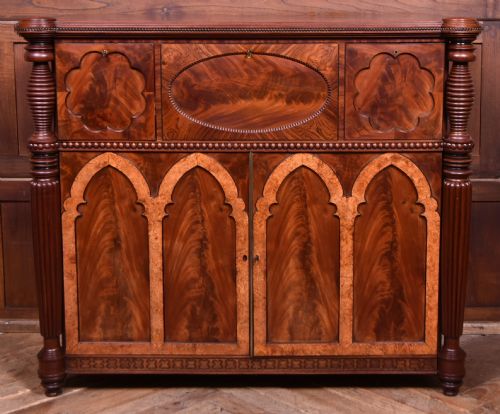
Makers utilised solid mahogany and flame mahogany veneers, sometimes enhanced by satinwood banding, to create deep reddish-brown surfaces with varied figuring.
Fitted interiors incorporate leather writing surfaces, while brass hardware secures doors and drawers, and glass panels protect upper library sections with astragal glazing.
Object forms include breakfront library bookcases, secretaire cabinets, waterfall open shelves, and low press cupboards.
Judging the range
The distinction between standard commercial pieces and the finest workshop productions rests on the selection of timber, such as highly figured flame mahogany or burr walnut, and the precision of the cabinet work.
Subtleties in carved ornamentation, the presence of maker stamps or documented provenance, and the integration of complex internal mechanisms like secretaire drawers elevate certain examples above others.
Gillows of Lancaster·Waring and Gillow
The Gillows Mahogany Bookcase Glossary
- Secretaire bookcase
- A cabinet featuring a fitted writing drawer with pigeonholes and small drawers, positioned beneath glazed upper shelves. This dual-purpose form allowed owners to write letters and store books within one piece of furniture.
- Breakfront
- A cabinet design where the central section projects forward from the flanking wings. This architectural arrangement creates shadow and depth across the front of large library bookcases.
- Astragal glazing
- Glass doors divided into smaller panes by narrow wooden strips or bars. These frames support the glass while adding geometric pattern to the bookcase front.
- Flame mahogany
- A veneer cut from the branch forks of the mahogany tree, producing a distinctive flickering wave pattern. Cabinet-makers reserved this timber for drawer fronts and primary display surfaces.
Gillows Mahogany Bookcase: Frequently Asked Questions
How do I spot a true gillows piece?
Look for crisp cabinet-making, specific proportions associated with the Lancaster workshop, and occasionally physical stamps or documented provenance connecting the piece to the firm.
Attributions also rely on distinct construction methods and timber choices shared by surviving labelled examples.
What is a secretaire bookcase used for?
The drop-front drawer conceals a writing surface equipped with small drawers and pigeonholes for correspondence, combining a desk with traditional book storage.
This multi-functional design suited domestic studies and libraries where space efficiency mattered.
How do I date an 18th-century bookcase?
Georgian examples often display classical architectural proportions, astragal glazed doors, and solid mahogany construction without later revival flourishes.
Changes in handle hardware, foot styles, and internal drawer construction help narrow down the period of manufacture.
Are these bookcases suitable for modern homes?
Their classic proportions and warm timber tones allow them to integrate easily into contemporary living rooms, home offices, and hallways.
Adjustable shelving found in many dwarf and open variants accommodates modern book sizes alongside decorative objects.