
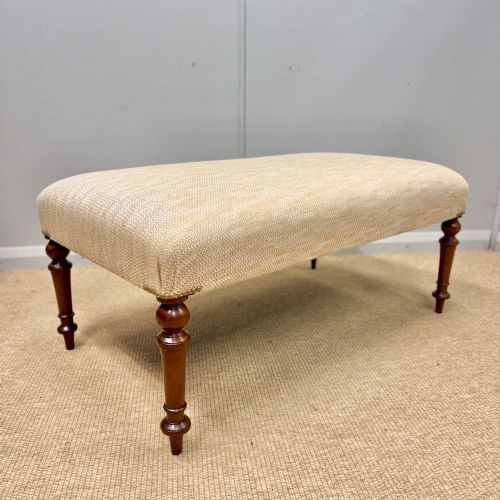
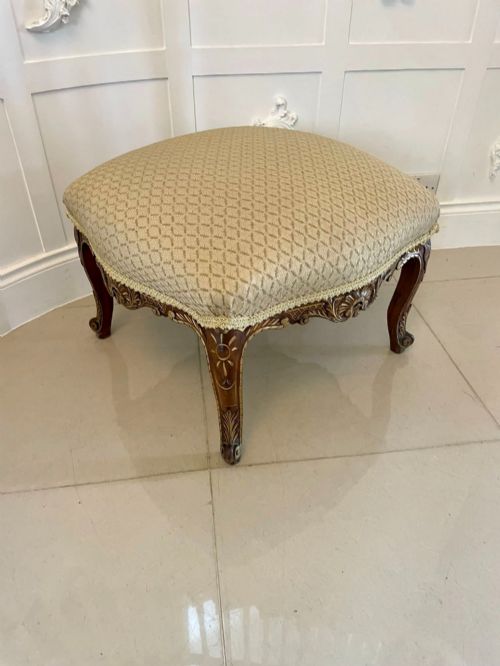
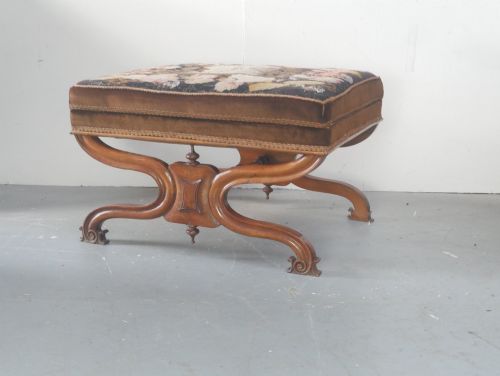
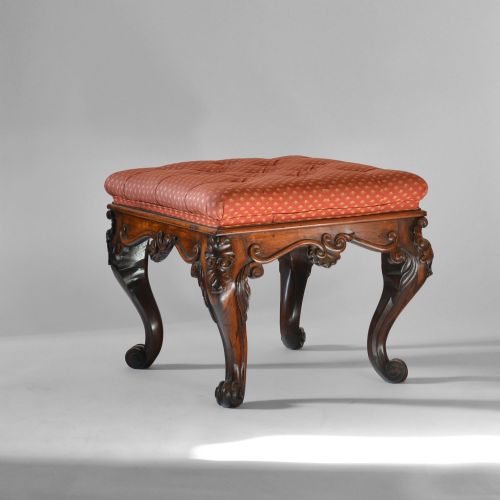
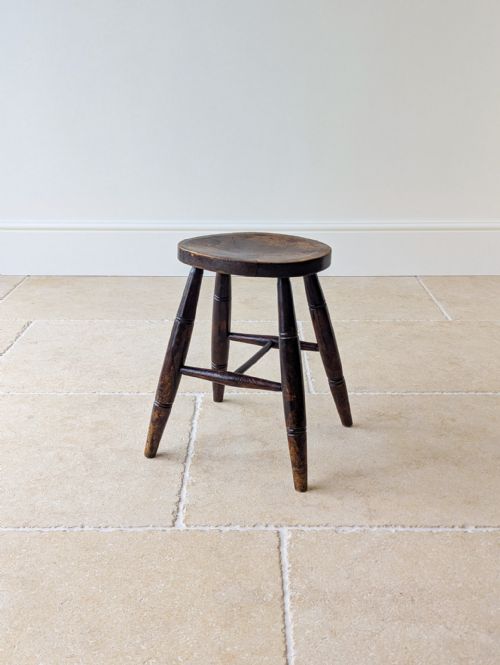
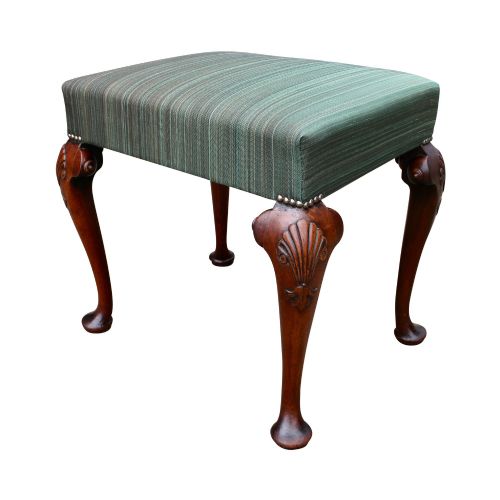
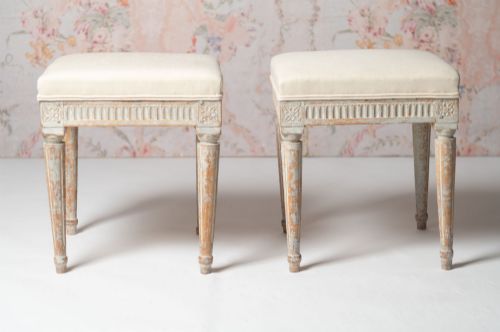
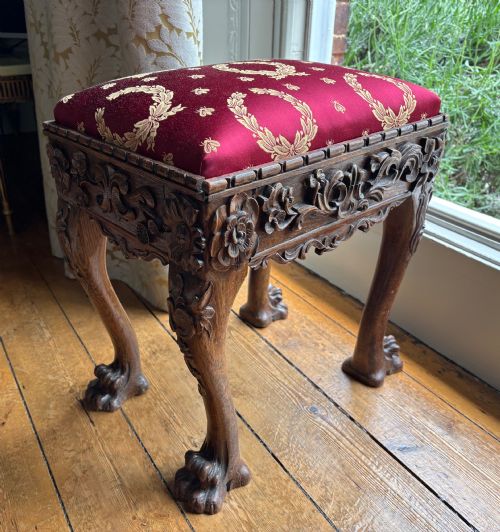
Vintage Low Footstool
These vintage low footstool examples bring period character to a room, offering practical low seating or a surface to rest feet.
Vintage Low Footstool
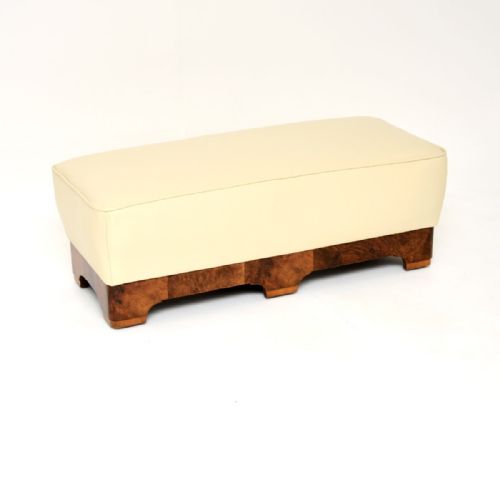
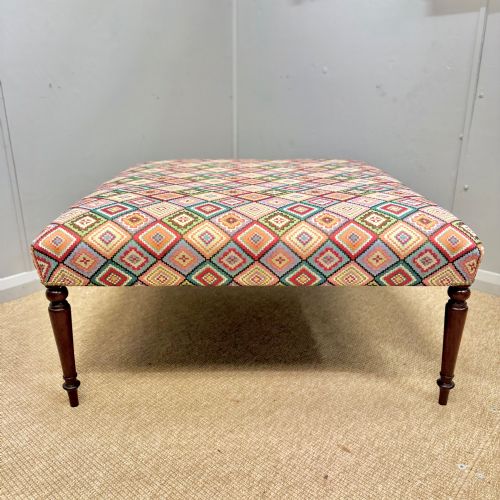
A vintage low footstool serves practical domestic functions, ranging from hearth seating to dressing table accompaniments and small ottomans. The examples gathered here span diverse stylistic revivals and vernacular traditions from the eighteenth century through to the Art Deco period.
Buyers will encounter formal pieces in mahogany, walnut, and rosewood alongside rustic country items fashioned from elm, pine, and oak. Dimensions remain compact, designed to sit comfortably beside firesides, armchairs, and low tables.
Origins vary widely across these listings, encompassing English country workshops, continental European makers, and Scottish baronial designs. The selection balances upholstered comfort with solid timber construction.
Materials and construction
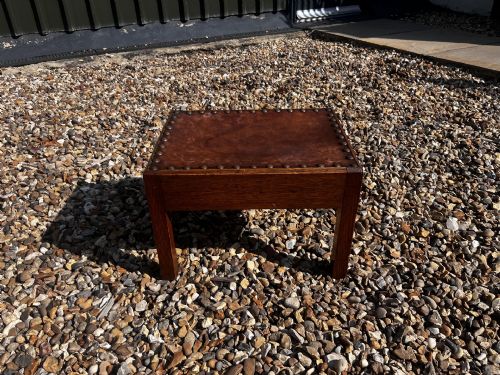
Timbers such as mahogany, walnut, oak, and rosewood form the structural foundation of formal stools, while simpler vernacular pieces utilise pine, beech, and elm. Joinery techniques range from traditional turning and carved cabriole legs to rustic pegged construction.
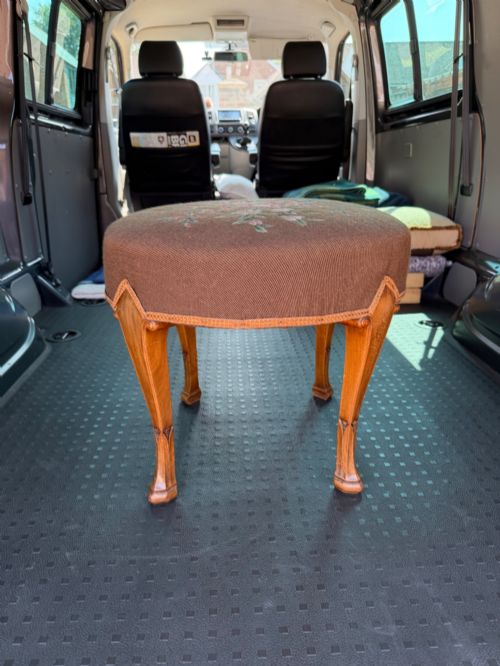
Upholstered versions rely on traditional textiles including wool, leather, needlepoint, tapestry, and modern fabric replacements. Original painted surfaces occasionally survive on rural milking and vernacular stools from Eastern Europe and continental workshops.
Several rustic milking stools retain their bright original ochre, yellow, and green paint, having survived generations of agricultural service entirely unstripped.
Assessing craftsmanship
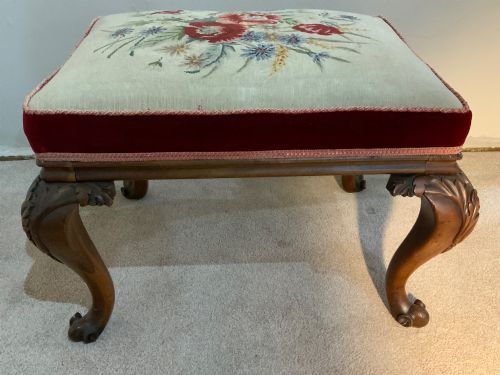
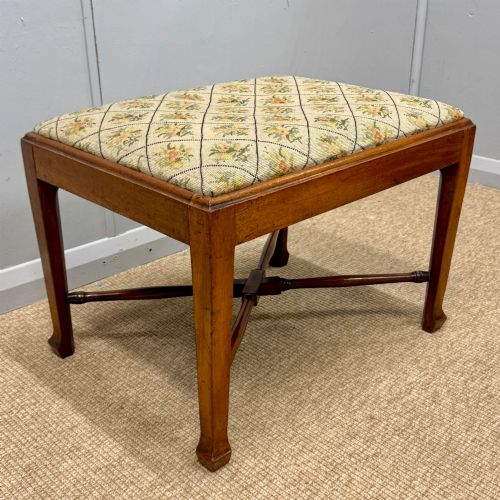
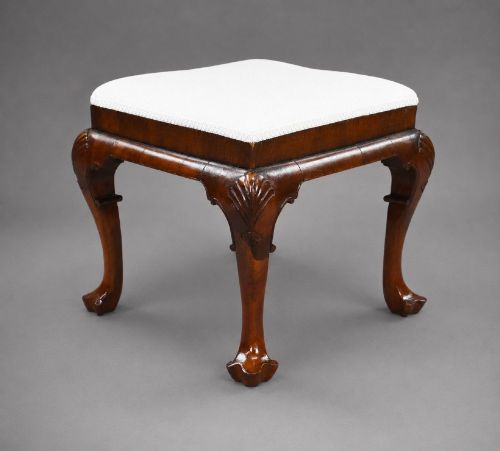
Quality reveals itself in the choice of timber and the precision of the carving, particularly on walnut and mahogany frames featuring gilt accents or cross stretchers. Finer execution shows in balanced proportions, robust joinery, and the preservation of original decorative details like ball feet or carved cabriole legs.
Upholstery standards also differentiate the examples, where hand-worked needlepoint or quality leather elevates the piece above standard fabric coverings. Vernacular items derive their merit from honest patination, original paint surfaces, and sturdy native timber.
Arthur Simpson Of Kendal·Harry and Lou Epstein
The Vintage Low Footstool Glossary
- Cabriole leg
- A furniture leg that curves outward and then tapers inward, commonly seen on eighteenth-century and Victorian revival seating. This design originates from animal limb forms.
- Cross stretcher
- Wooden rails connecting the legs near the base to provide extra stability. They often feature central turnings or decorative bosses.
- Needlepoint
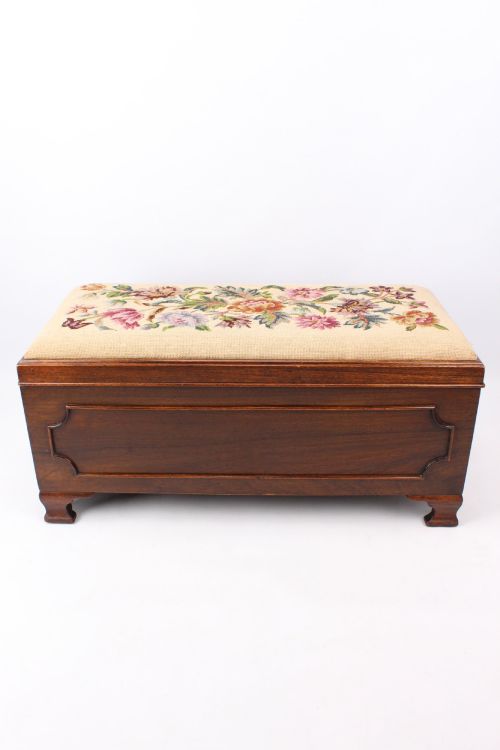
- Stitched textile work using canvas as a base, frequently employed for period footstool and ottoman upholstery. It provides a durable and decorative surface.
- Vernacular
- Everyday objects made by local craftspeople using regional materials, free from high-style academic design conventions. These pieces emphasise utilitarian function and honest construction.
- Hearth stool
- A long, low stool designed to sit comfortably by an open fireplace for warming feet or seating. They generally feature upholstered tops on timber frames.
Vintage Low Footstool: Frequently Asked Questions
How were low footstools originally used?
These low seats served multiple domestic purposes, from resting tired feet by the hearth to supporting a person while dressing at a vanity table. Their compact height kept them neatly tucked away when not in use.
Larger versions also functioned as low ottomans or centre stools in drawing rooms, providing flexible informal seating for gatherings.
How do I identify the period of a stool?
Dating relies on combining timber choice, leg style, and construction methods with historical revival traits. For instance, cabriole legs often suggest Georgian or Victorian revival influences, while clean geometric lines point towards Art Deco.
Examining the underside can reveal hand-cut fixings, tool marks, or timber ageing that help anchor the piece to a specific century.
Can I use a vintage footstool daily?
Most timber frames and sturdy vernacular builds are robust enough for daily use as foot rests or occasional seats. Checking the structural integrity of the joints ensures the piece handles regular weight.
Upholstered versions with recent padding offer comfortable support, while antique textiles may benefit from lighter usage or protective placement.
What is the difference between a stool and an ottoman?
Stools generally feature rigid wooden frames with minimal top padding or smaller standalone tops, whereas ottomans often provide fully upholstered seating surfaces designed for extended lounging. The terms occasionally overlap in older listings.
Ottomans frequently appear in larger formats suited to pairing with armchairs, while traditional stools maintain a smaller footprint.