


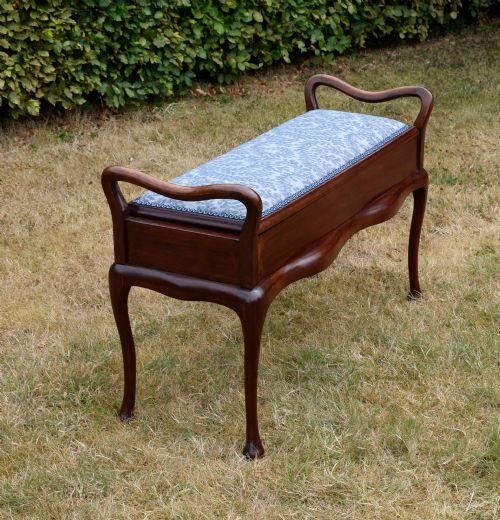
Queen Anne Seat
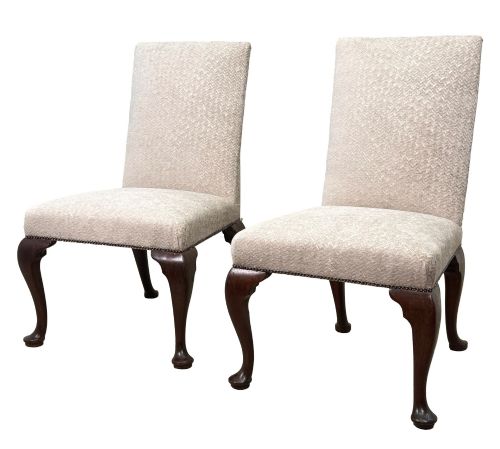
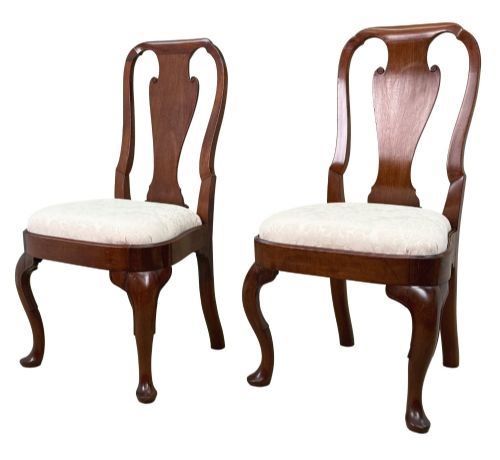
When you search for a queen anne seat, you enter a tradition defined by graceful cabriole legs and upright walnut frames built to last.
Queen Anne Seat
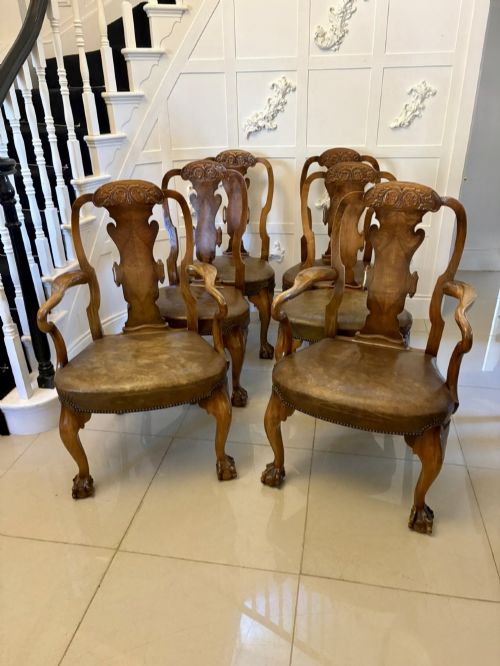
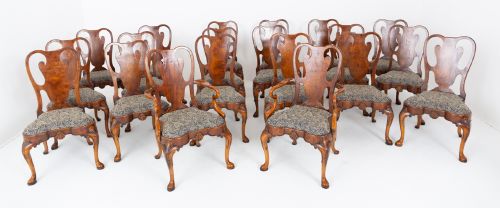
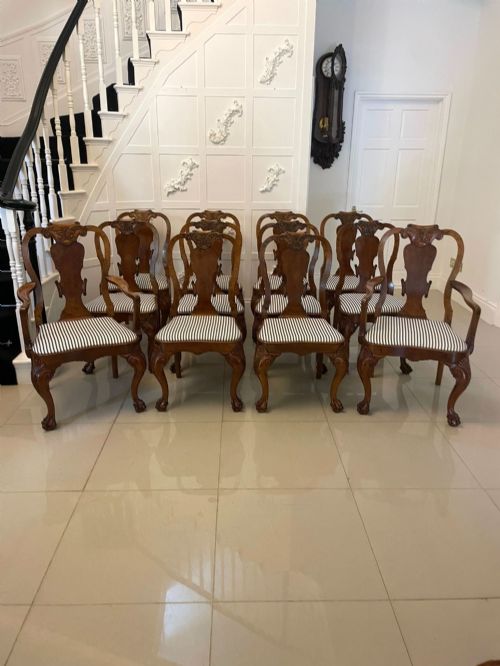
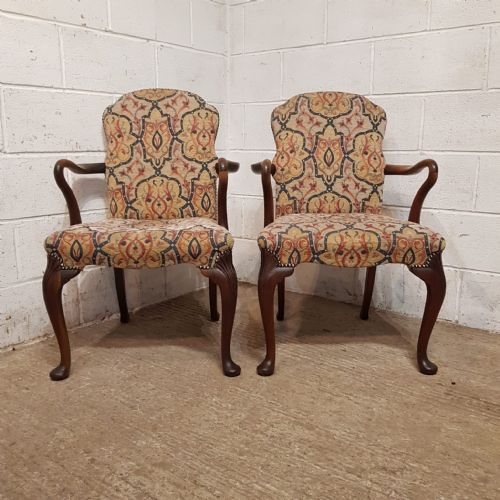
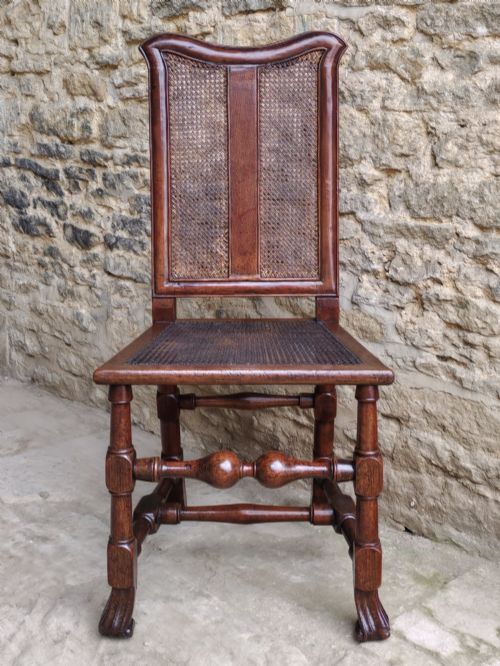
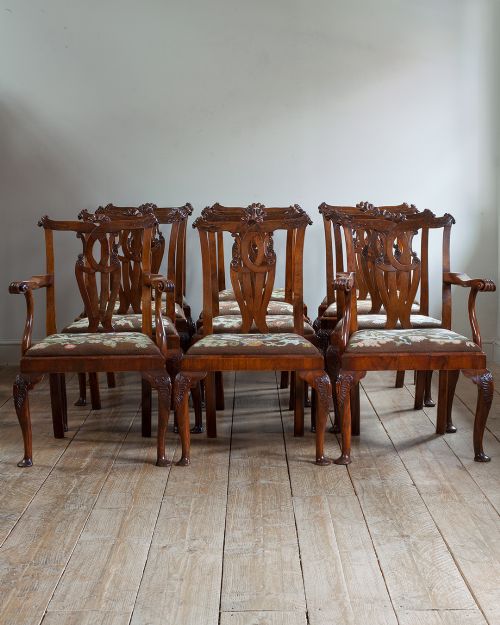
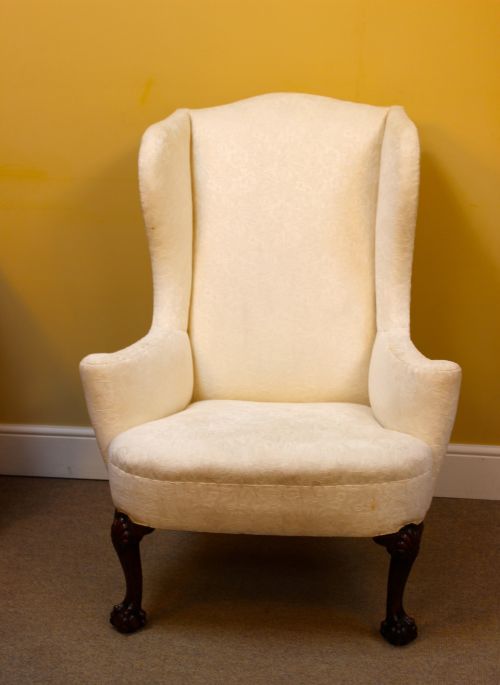
A queen anne seat encompasses forms ranging from early eighteenth-century dining chairs and wing armchairs to later revival settees and stools. Walnut predominates as the primary timber, seen alongside mahogany and oak in both original period pieces and later interpretations.
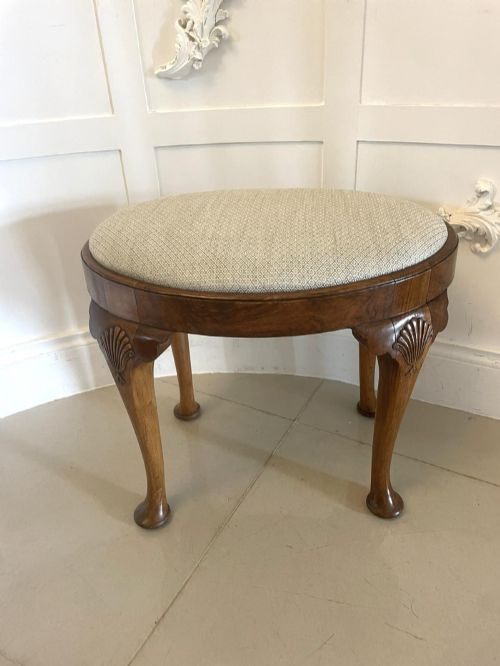
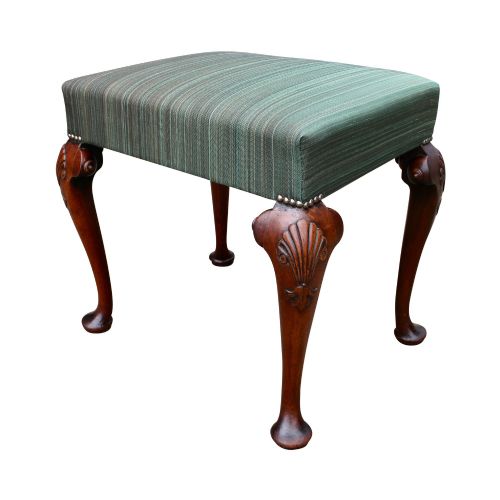
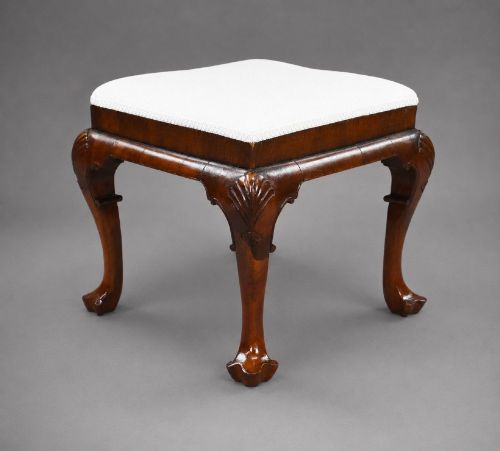
Buyers most frequently encounter twentieth-century revival pieces alongside genuine eighteenth-century examples. Dining chairs, side chairs, and dressing stools appear regularly, often upholstered in textile, leather, or needlepoint.
The aesthetic bridges the seventeenth-century styles and later Georgian developments. Proportions remain slender, relying on subtle curves rather than heavy carving to create visual balance.
Materials and Construction
Makers utilised solid walnut and burr walnut veneers over secondary timbers to achieve rich figuring on splats and seat frames. Craftspeople shaped cabriole legs directly from the solid wood, often integrating pad or club feet.
Upholstery techniques varied from drop-in seats webbed and stuffed with traditional materials to fully upholstered wing backs and sofas. Brass tacks and detailed textile or leather coverings completed the seating surfaces.
Listings feature walnut, mahogany, and oak across periods spanning the early eighteenth century to the 1930s.
Factors of Quality
The integrity of the timber framing and the fluidity of the cabriole leg curve separate standard production from superior examples. Fineness in the cut of the walnut veneer and crispness in the shaping of the splat indicate higher workshop standards.
Originality of surface finish and the retention of early upholstery framing preserve the historical integrity of older pieces. Later revivals depend on the precision of the joinery and the quality of the timber selection.
Charles Tozer·Whytock And Reid·Charles Walker of Harrogate
The Queen Anne Seat Glossary
- Cabriole leg
- A furniture leg that bends outward in a convex curve at the top and inward in a concave curve below, ending in a foot. This characteristic shape mimics animal limbs and defines the silhouette.
- Drop-in seat
- A removable seat frame that drops into a rebate in the chair rails. Upholstered separately before insertion, it allows for easy recovering.
- Splatt
- The vertical central strip of wood in the back of a chair. It is often vase-shaped or fiddle-shaped in these designs.
- Wing armchair
- An upholstered armchair with side extensions designed to shield the occupant from drafts. These pieces frequently feature prominent scrolling arms.
- Burr walnut
- Timber sliced from walnut tree growths that produces intricate, swirling grain patterns. It is utilised as a decorative veneer on prominent surfaces.
Queen Anne Seat: Frequently Asked Questions
How do I distinguish an original eighteenth-century chair from a later revival?
Original pieces display authentic timber oxidation, hand-cut joinery marks, and historical wear consistent with age. Revival pieces from the Victorian and Edwardian eras show different tool marks and more uniform construction methods.
Examination of the underside and frame construction reveals the construction techniques specific to each period of manufacture.
What woods were commonly used for these seats?
Walnut is the predominant timber found across both early pieces and later revival furniture. Burr walnut veneer was frequently selected for decorative surfaces on chairs and tables.
Mahogany, oak, and elm also appear in specific regional variations and seating forms throughout the timeline.
How were stools and benches used historically?
Stools served as flexible seating around the home, often positioned near dressing tables or utilised as footstools. Piano stools and dressing stools became particularly common during the nineteenth and twentieth centuries.
Their compact forms allowed them to be easily moved between rooms as needed.
Are these upholstered seats suitable for daily use?
Many pieces feature sturdy frames that accommodate modern living when properly maintained. Frequent use benefits from traditional webbing and supportive padding.
Newly upholstered examples provide fresh fabric coverings while retaining the antique wooden framework underneath.