
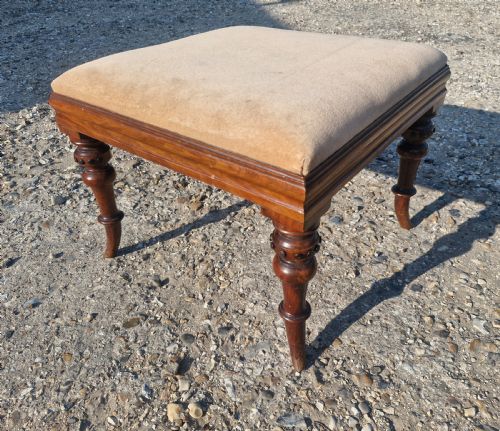
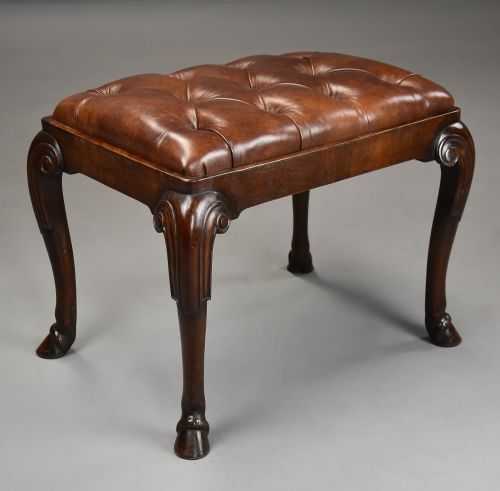
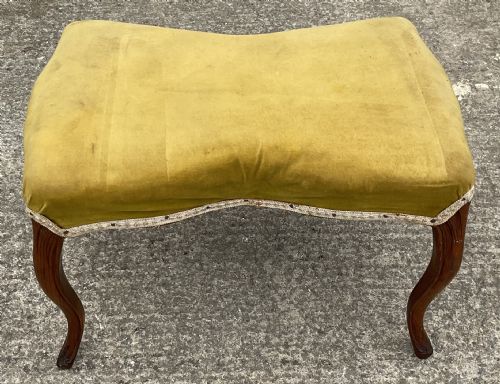
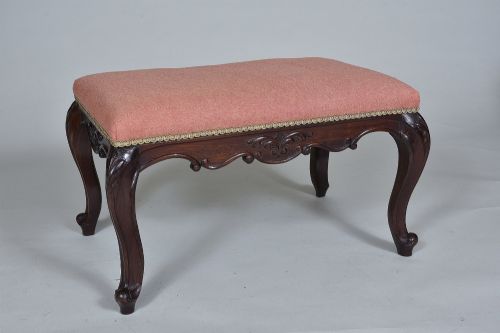

Padded Vanity Seat
A padded vanity seat serves as a compact dressing table companion, offering practical seating finished with traditional upholstery.
Padded Vanity Seat
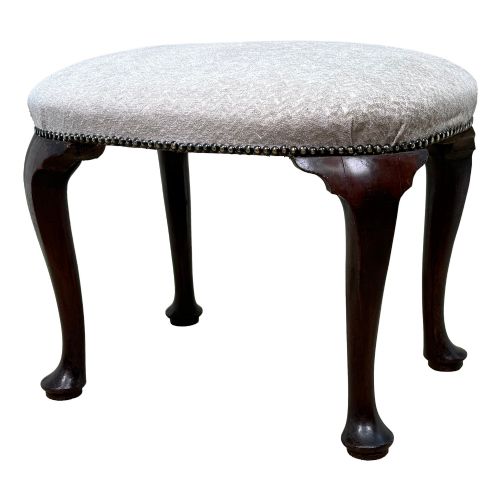
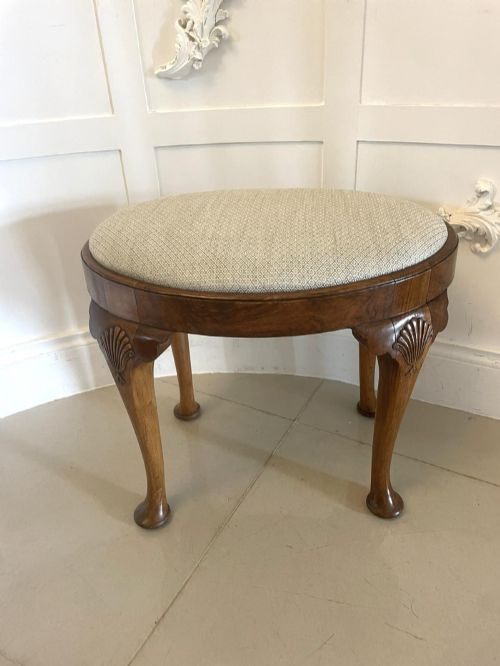
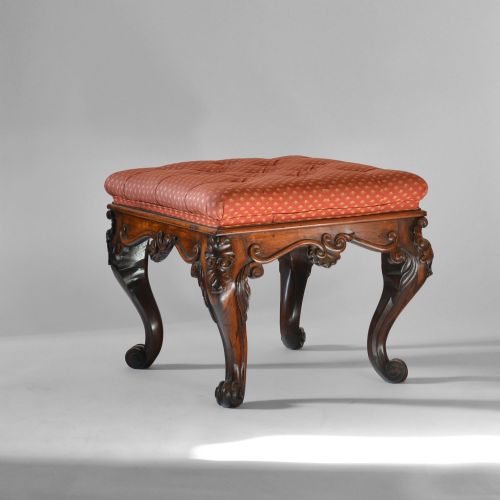
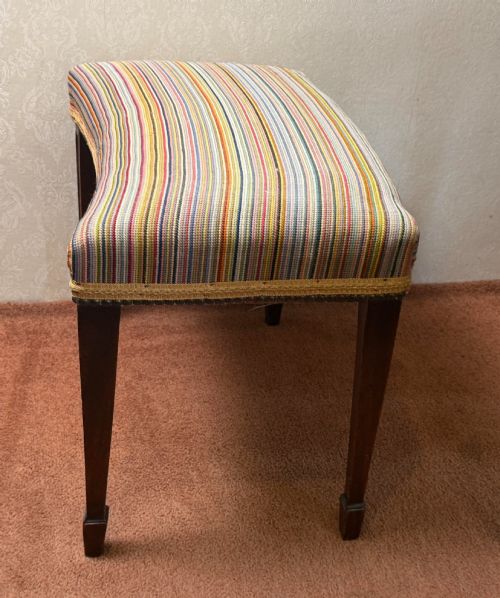
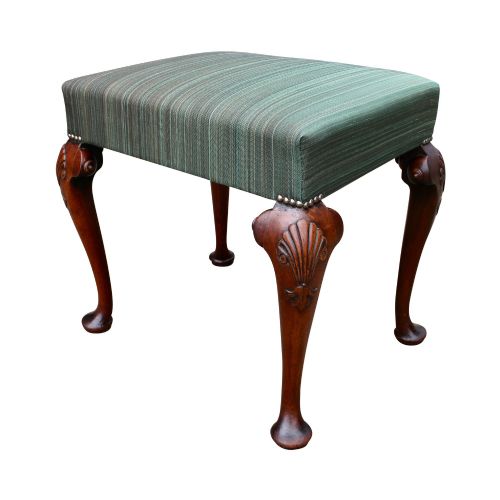
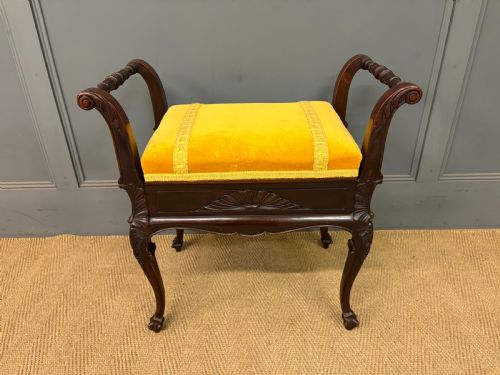
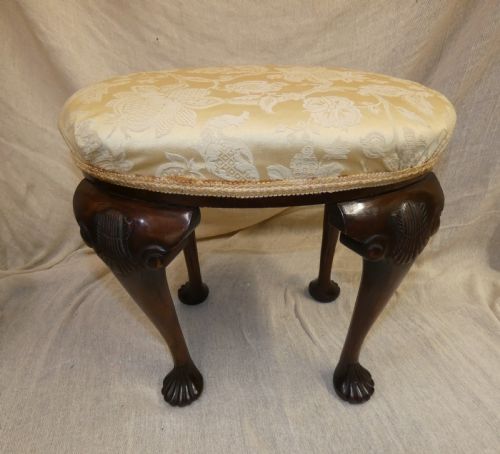
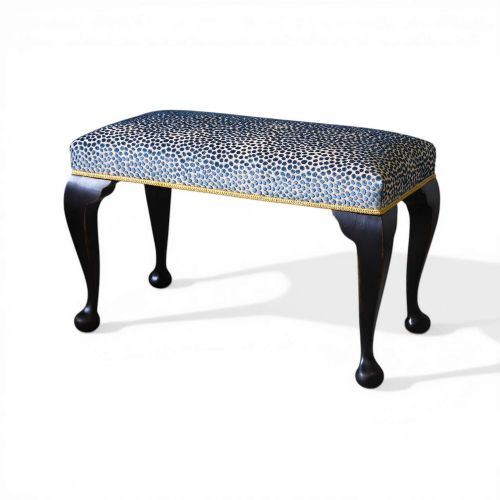
When you search for a padded vanity seat, you encounter compact seating designed principally for dressing tables, pianos, and bedrooms. The selections span the Victorian, Edwardian, and Art Deco periods, alongside revivals drawing on earlier Georgian and Queen Anne forms.
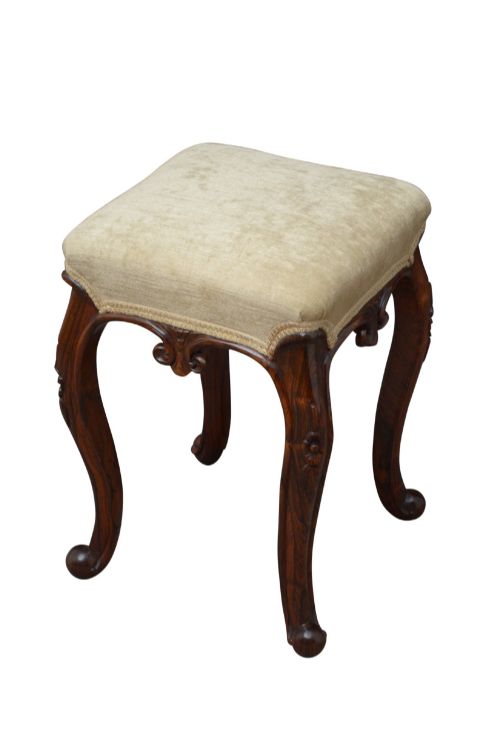
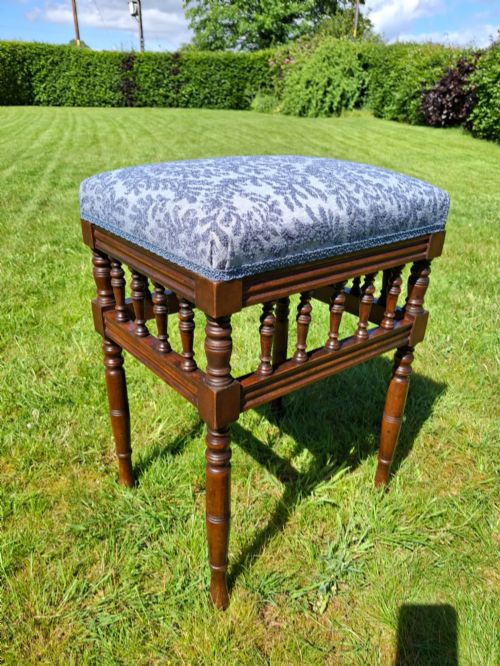
The origins stretch from the nineteenth century through the early twentieth century, showing diverse regional cabinet-making traditions. You will find rectangular and circular shapes supported by cabriole legs, turned supports, or square tapering legs.
Materials and construction methods
Cabinet makers utilised dense hardwoods such as mahogany, walnut, rosewood, and oak to build sturdy frames capable of withstanding daily use. Secondary timbers like teak and goncalo alves wood appear alongside ebonised finishes and giltwood embellishments.
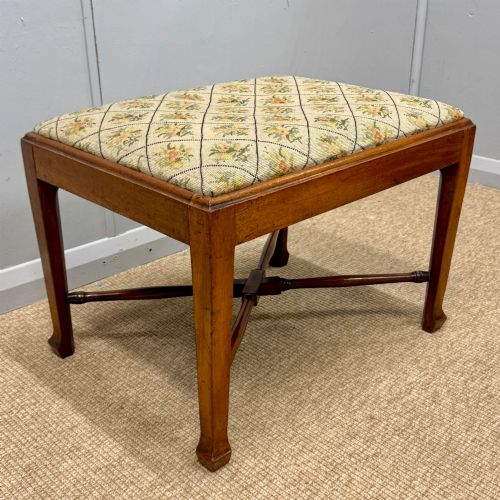
Joinery techniques included traditional methods to secure legs and stretchers, such as cross stretchers for added stability. Seats were constructed with upholstered pads using textiles, tapestry, leather, or velvet, sometimes mounted over woven rattan bases.
A sturdy nineteenth-century stool once used for practising piano sonatas now waits patiently to support your morning coffee cup.
Assessing craftsmanship and finish
Quality reveals itself in the crispness of carved details on cabriole legs, the selection of figured timber veneers, and the structural integrity of the frame joints. Superior examples display refined proportions and thoughtful decorative elements like brass fittings or inlaid motifs.
The standard of upholstery and the preservation of original fabric or leather significantly influence the character of each piece. Finishes range from carefully maintained patinated wood to restored surfaces with renewed covers.
Jas Shoolbred·James Shoolbred
The Padded Vanity Seat Glossary
- Cabriole leg
- A furniture leg that curves outward at the knee and tapers inward toward the foot, often ending in a pad or scroll. This shape draws heavily on classical design traditions revived during the Victorian and Edwardian eras.
- Cross stretcher
- An intersecting wooden brace connecting the legs of a stool near the base to provide structural rigidity. These supports frequently feature turned or twisted rope detailing.
- Giltwood
- Timber treated with a thin layer of gold leaf or gilt powder to create a brilliant decorative surface. This finish appears on select ornamental pieces.
- Needle point
- A type of stitched canvas work used historically for durable and decorative seat coverings. It provides a textured surface for upholstered stools.
- Ottoman
- A low upholstered seat or bench without a back or arms, often utilised as a window seat or dressing stool. These pieces showcase diverse textile coverings from various periods.
Padded Vanity Seat: Frequently Asked Questions
What is a padded vanity seat used for?
These compact seats were traditionally designed for use at dressing tables or pianos during the Victorian and Edwardian periods. They provided comfortable, low-profile seating that could easily tuck away beneath a table surface.
Over time, homeowners have adapted them as versatile accent pieces for hallways, bedrooms, and living spaces where space is at a premium.
How do I identify a Victorian stool?
Victorian examples often feature dark hardwoods like walnut and mahogany, frequently combined with cabriole legs or heavy turned supports. Upholstery choices from this era typically include velvet, tapestry, or needle point.
Construction methods of the period prioritised solid timber frames and substantial joinery, sometimes marked by intricate hand-carved detailing on the aprons.
Are piano stools different from vanity stools?
Piano stools share a similar compact footprint with vanity stools but were originally engineered to accommodate musicians at keyboard instruments. Some historical variants incorporated rotating seats or adjustable heights to suit the player.
On this page, both forms overlap significantly in style, materials, and overall dimensions, making them interchangeable in modern interiors.
How should I care for antique upholstery?
Protecting vintage fabric and leather seats requires gentle cleaning methods appropriate to the specific textile. Regular dusting with a soft brush prevents particulate accumulation in the fibres.
Avoid placing these seats in direct sunlight to prevent fading of historical velvet, tapestry, or woven coverings.