


Vanity Table Seat
A vanity table seat provides a practical perch for the dressing room, combining supportive seating with period charm.
Vanity Table Seat
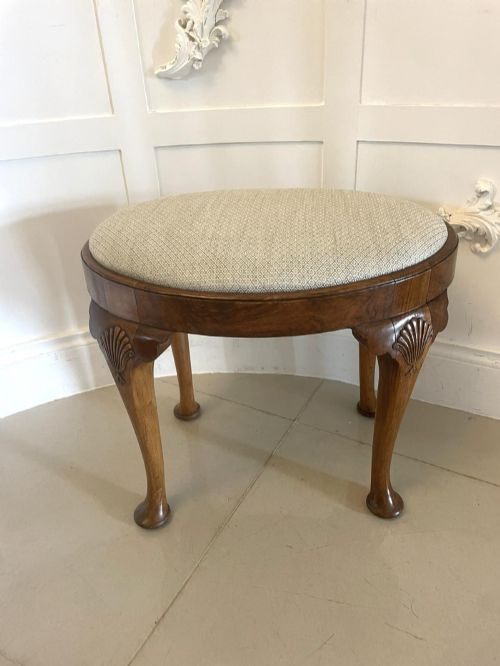
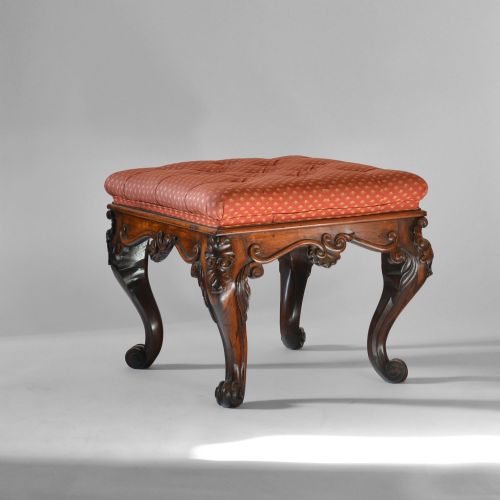
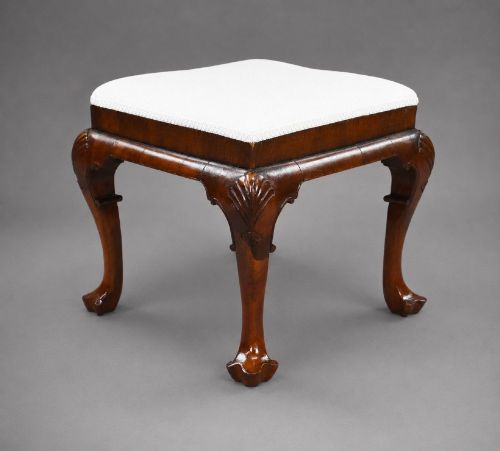
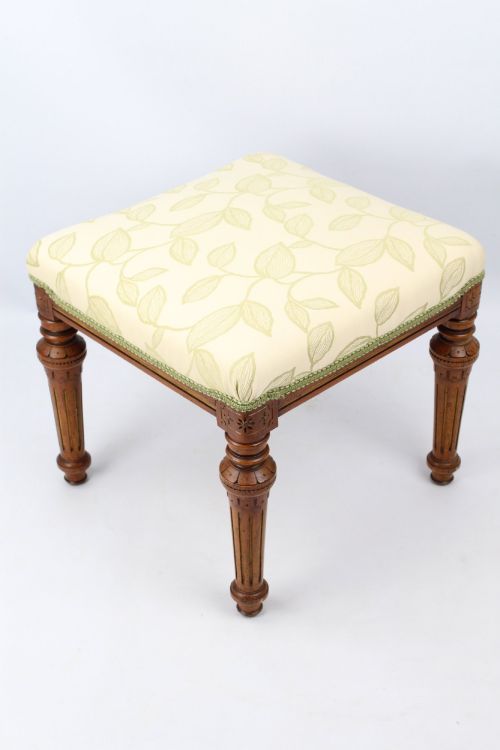
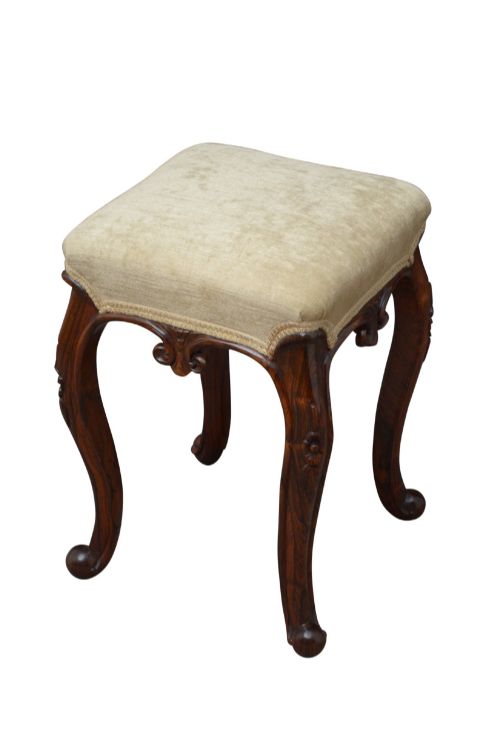
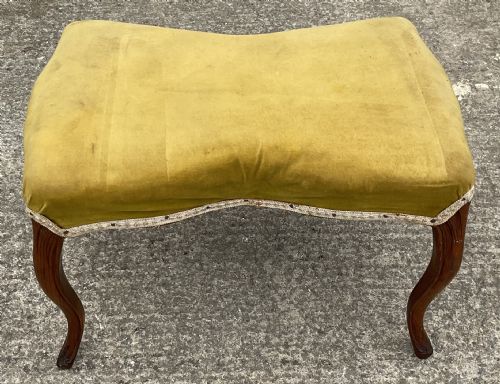
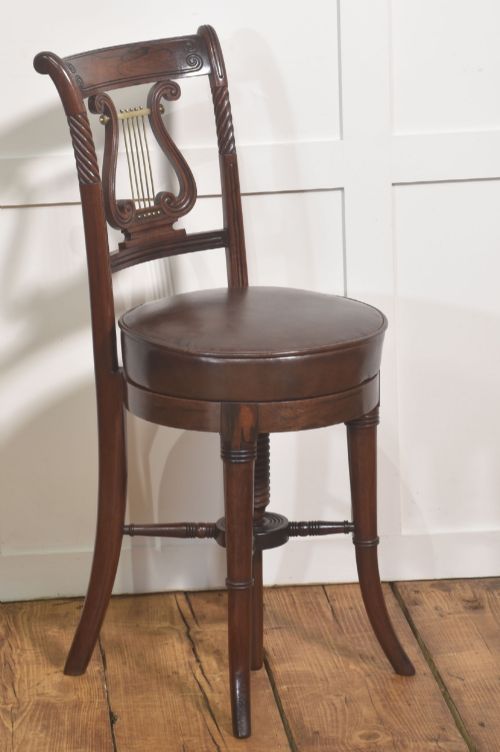
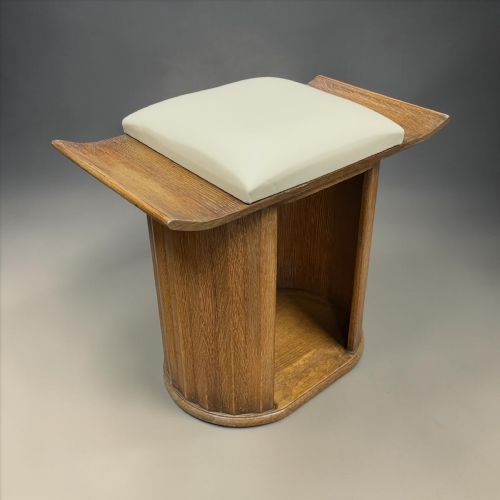
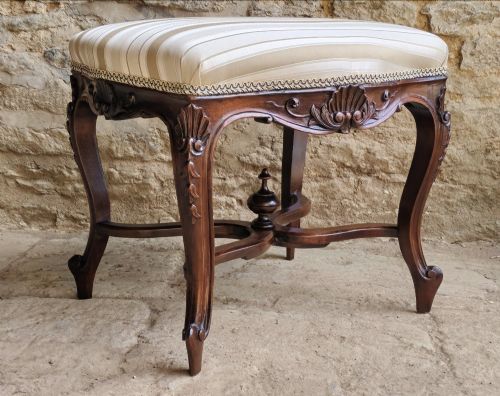
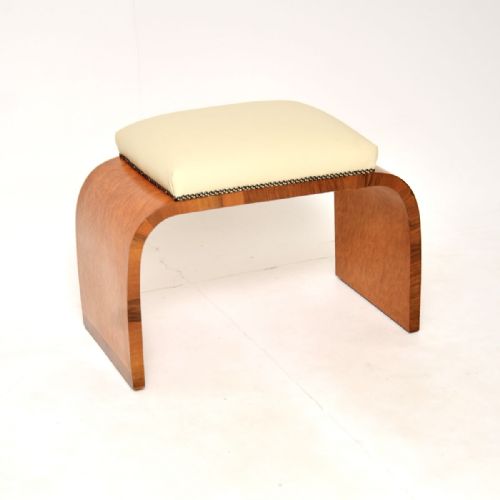
A vanity table seat functions primarily as a dressing stool, piano stool, or low bench designed to sit neatly beneath a dressing table. The pieces available span the nineteenth century, the Edwardian era, and the art deco period of nineteen thirty.
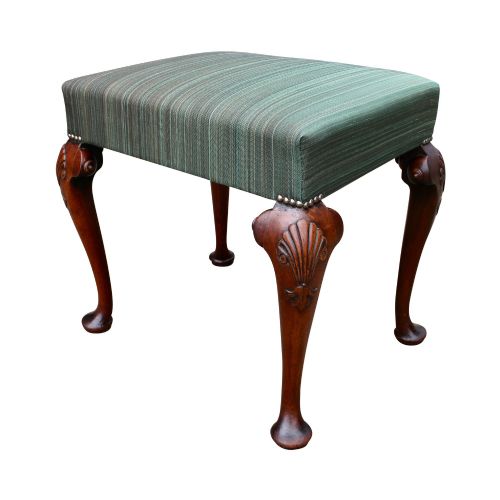
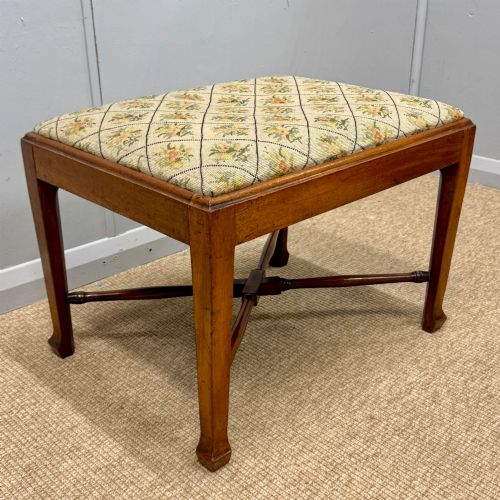
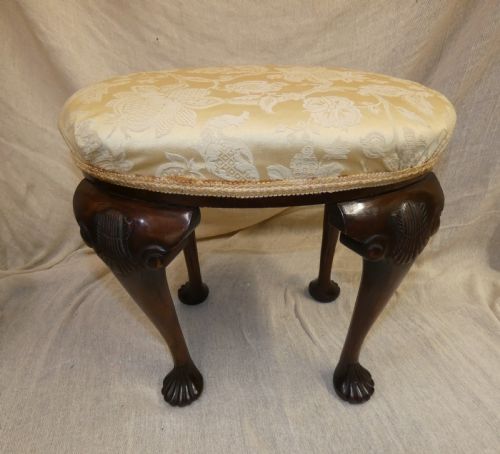
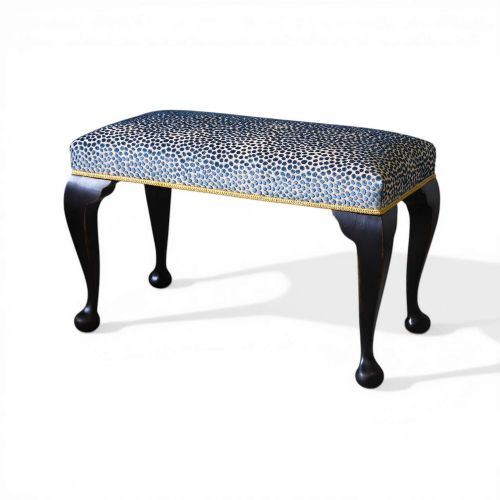
Makers shaped these forms in various silhouettes, ranging from oval and rectangular walnut frames to circular boudoir stools and pieces featuring cross stretchers or cabriole legs.
Origin points include English, French, and Swedish workshops, utilising stylistic revivals such as Queen Anne, Georgian, and Louis XVI to mirror the broader interior tastes of their respective decades.
Materials and Construction
Cabinet makers built the frames using timber species like walnut, mahogany, rosewood, satinwood, ebonised wood, and goncalo alves, occasionally applying gilt or paint finishes to the exterior surfaces.
Upholstery completed the design, incorporating top covers of fabric, textile, leather, velvet, and tapestry needlepoint to provide a comfortable surface for the user.
Vanity Table Seat Retail Price Guide 2026
Typical asking prices for vanity table seat among the pieces listed under this phrase on Sellingantiques today, from the lower quarter to the upper quarter. They describe what is for sale here now, not the wider market.
Current listings feature walnut and mahogany predominantly, alongside alternative timbers like goncalo alves, rosewood, and sycamore across multiple decades.
Distinctions in Standard
The refinement of the timber carving and the integrity of the frame construction set superior examples apart from standard utility seating.
The choice of upholstery materials, from simple woven textiles to intricate needlepoint and quality leather, dictates the overall finish and tactile appeal of the seat.
Harry and Lou Epstein
The Vanity Table Seat Glossary
- Cabriole leg
- A furniture leg that curves outward at the knee and inward at the ankle, ending in a pad or foot. This form derives from classical motifs and appears frequently on eighteenth-century and revival seating.
- Cross stretcher
- An X-shaped wooden brace connecting the legs of a stool or table to provide structural stability. Such supports reinforce the lower section while adding a decorative geometric element.
- Goncalo Alves
- A dense exotic hardwood known for its rich contrasting grain patterns. Craftsmen utilised this timber in nineteenth-century cabinet work and seating frames for its durability and distinct appearance.
- Needlepoint
- A type of canvas work embroidery executed with wool yarn to form dense pictorial or geometric patterns. These textiles frequently cover the tops of period stools.
- Ebonised
- Wood treated with a dark stain or finish to imitate ebony. This technique gained popularity during the Victorian and Edwardian eras for formal or decorative furniture.
Vanity Table Seat: Frequently Asked Questions
What is a vanity table seat?
A vanity table seat is a low stool or small chair designed specifically to sit in front of a dressing table or vanity. These pieces provide a comfortable perch during grooming routines.
Craftsmen historically matched the style of the seat to the dressing table or bedroom suite, utilising similar woods and upholstery fabrics.
How do I date a vanity stool?
Dating relies on identifying the prevailing timber, upholstery style, and structural characteristics of the frame. Victorian examples often feature carved walnut or mahogany with cabriole legs.
Later pieces from nineteen thirty typically display art deco geometric lines or utilise materials like birds eye maple and sycamore.
Can I use a piano stool at a dressing table?
Piano stools and dressing stools share similar proportions, low heights, and compact footprints. Many historical examples served dual functions in the home.
Some period variations even include internal storage compartments beneath the seat for small accessories or sheet music.
How do I care for antique upholstery?
Maintenance depends on whether the fabric is original or a replacement textile like leather, velvet, or needlepoint. Regular gentle brushing prevents dust accumulation in the fibres.
Leather surfaces benefit from occasional conditioning to keep the material supple, while delicate tapestries require protection from direct sunlight.