

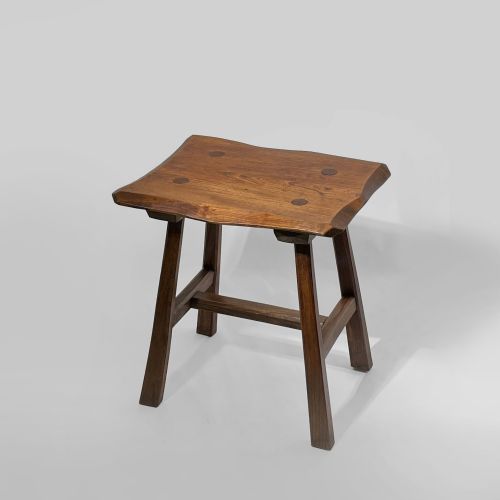

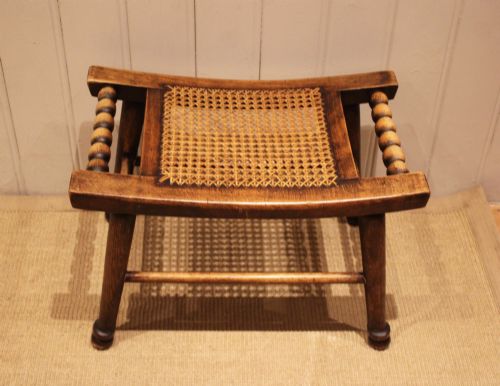


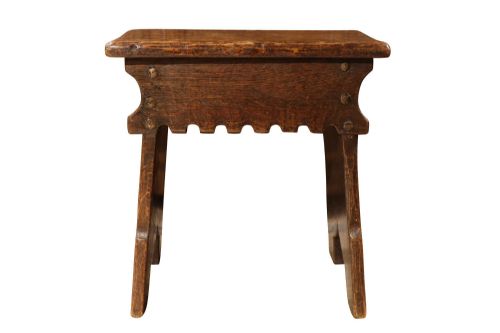


Brown Wood Footstool
These brown wood footstools bring solid timber and period craft directly to your floor.
What brown wood footstools are
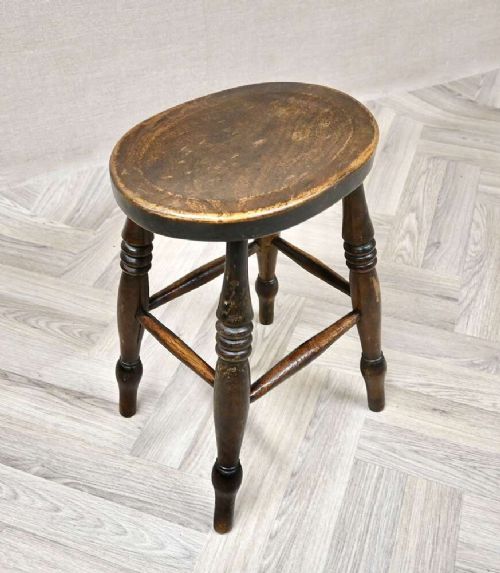
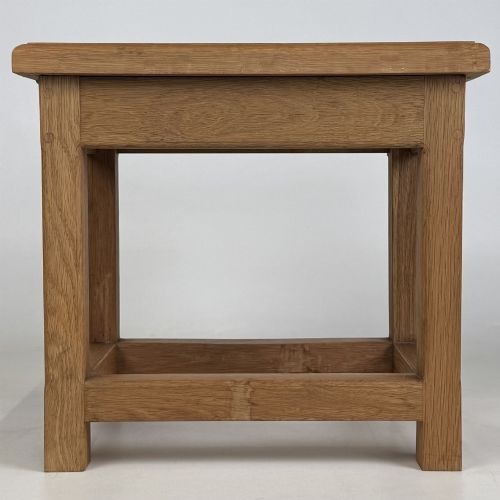
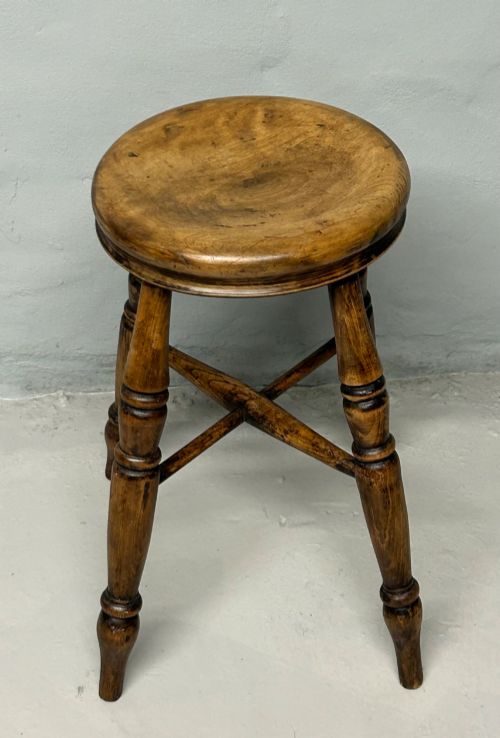
The selections available here feature various forms, from diminutive sculpted seats to larger dressing table stools with cross stretchers. Makers adopted historical aesthetics, resulting in pieces reflecting Arts and Crafts and revival movements.
How they were made
Craftsmen shaped these items from solid woods, applying carving techniques to create cabriole legs and sculpted rounded seats. Metal tacks frequently secure upholstery such as tapestry and fabric onto the wooden frames.
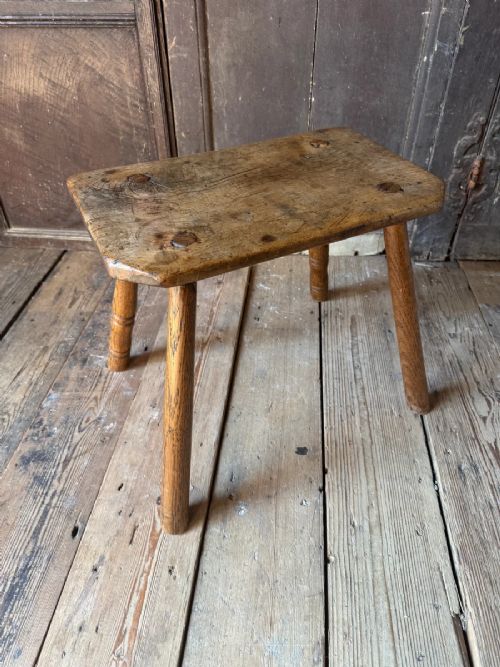
Joinery methods vary from rustic vernacular construction to refined cabinetmaking seen in pieces with cross stretchers. Workshops utilised traditional hand tools to shape hardwood and attach upholstered tops securely.
Retail Price Guide 2026
Typical UK retail prices for brown wood footstool, calculated from the Sellingantiques database of over a million retail prices indexed since 2003. This retail price guide relies exclusively on Sellingantiques data; no external sources or auction records are used, so the figures do not describe the wider market.
Listings feature woods such as mahogany, oak, and general hardwood paired with tapestry fabric.
What varies in quality
Quality rests in the precision of the woodwork and the integrity of the carved details, such as the sweep of a cabriole leg or the execution of a sculpted seat. Finer examples display deliberate proportions and carefully chosen timber grain.
The distinction between standard vernacular items and high-end workshop pieces lies in the sophistication of the design and the refinement of the joinery. Upholstery materials and the neatness of metal tack placement further separate workshop standards.
Whytock and Reid·Liberty and Co
The Brown Wood Footstool Glossary
- Cabriole leg
- A furniture leg that curves out and then in, resembling the leg of an animal. This form appears frequently on finer period seating.
- Cross stretcher
- Wooden bracing members that intersect between the legs of a stool to provide stability. They often feature in dressing table stools.
- Vernacular
- Everyday objects made by local craftsmen following regional traditions rather than high-style academic designs. These pieces emphasise utility and direct construction.
- Tapestry fabric
- Heavy woven textile used traditionally for upholstery on period stools and chairs. It adds texture and colour to the wooden frame.
Frequently Asked Questions
What periods do brown wood footstools cover?
The listings span from around eighteen hundred through to the early decades of the twentieth century. Examples include nineteenth-century vernacular pieces alongside twentieth-century revival interpretations.
Craftsmen produced these over long periods, maintaining traditional forms while adapting to changing domestic interior styles.
What materials make up these footstools?
Construction relies primarily on hardwoods including mahogany and oak. Upholstered elements incorporate tapestry fabric and metal tacks.
Combinations of solid timber and woven textiles define the physical structure of these low seats.
How do revival styles differ from older pieces?
Revival items, such as Georgian Style or Queen Anne Style pieces, consciously imitate historical aesthetics from earlier centuries. They reflect the later taste for historical replication in home furnishings.
Older vernacular items developed from practical necessity rather than stylistic emulation of past eras.
Where were these stools used originally?
These low seats served in dressing rooms, bedrooms, and parlours for resting feet or sitting at dressing tables. Their modest scale allowed them to move easily around domestic spaces.
Utility and comfort dictated their placement near firesides or heavy seating furniture.