



Pad Foot Stool
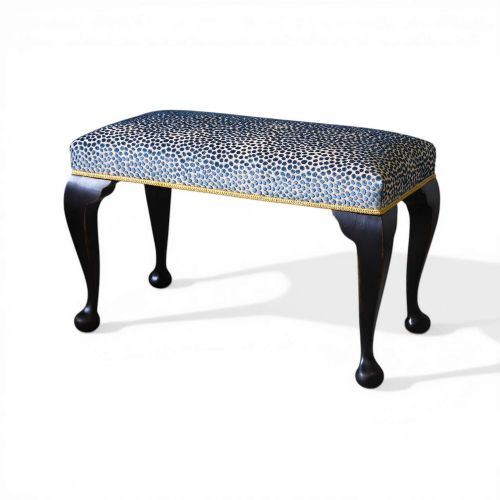
A pad foot stool brings compact comfort and period character to a room, offering genuine support with classic cabriole lines.
Pad Foot Stool
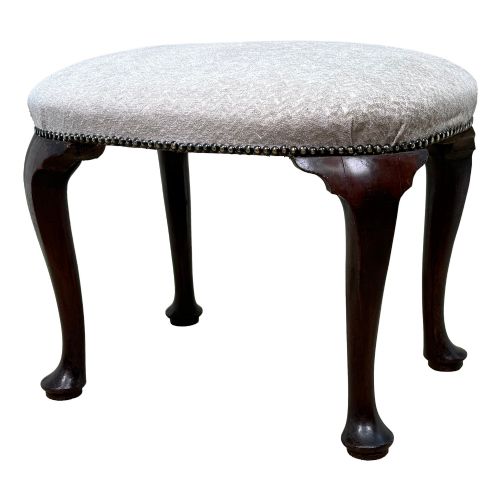
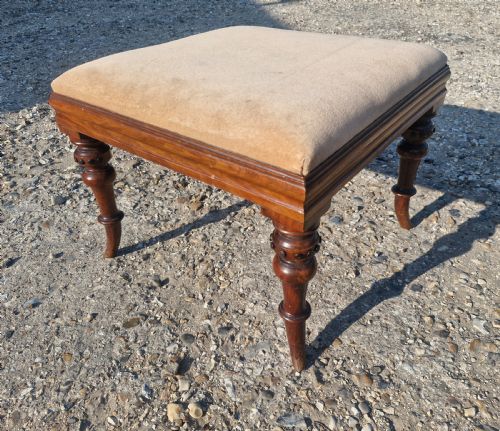
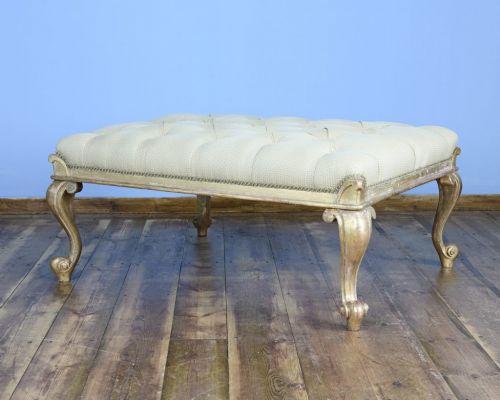
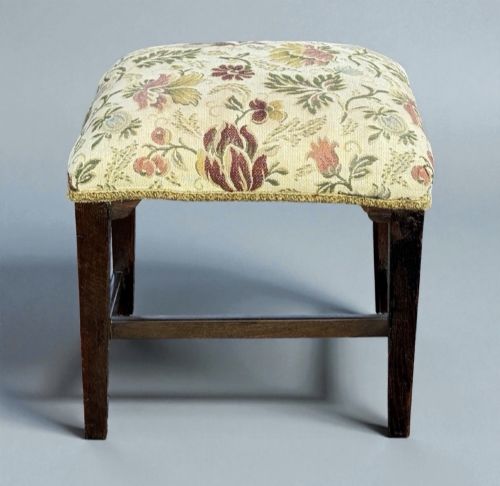
When you search for a pad foot stool, you encounter low seating designed to support the feet or provide occasional perches, appearing primarily in walnut and mahogany timbers across this selection.
The pieces span various eras from the Georgian and Queen Anne styles through to Victorian iterations, with specific historical examples featuring characteristic pad foot terminals.
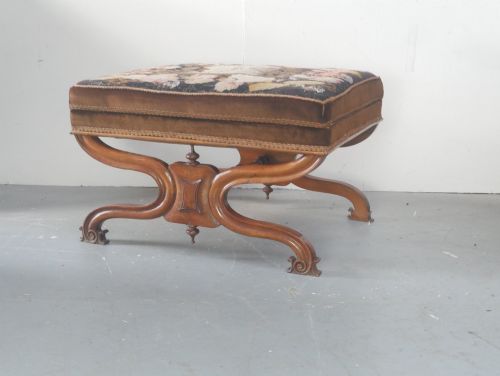
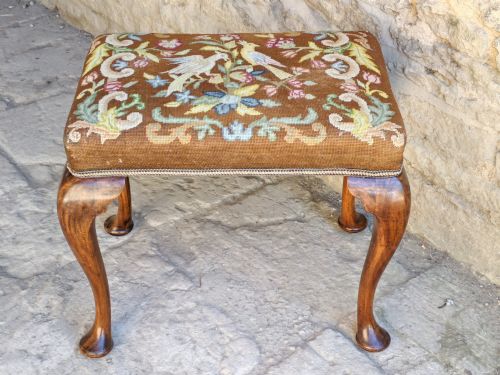
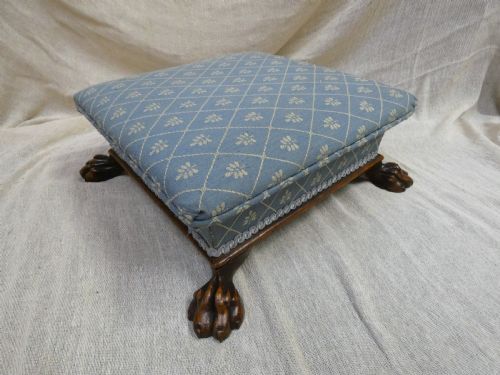
Forms range from compact squabs to longer ottomans and duet stools, incorporating diverse upholstery options from tapestry and velvet to plain textiles.
What varies in quality
The refinement of the timber carving and the integrity of the frame construction distinguish finer examples from standard workshop production.
Proportion and the clean execution of period characteristics, such as the pad foot or scroll top, determine the overall aesthetic merit of each piece.
Pad Foot Stool Retail Price Guide 2026
Typical asking prices for pad foot stool among the pieces listed under this phrase on Sellingantiques today, from the lower quarter to the upper quarter. They describe what is for sale here now, not the wider market.
The furniture spans multiple eras from early 18th century George I designs and Georgian proportions through to Victorian, Edwardian, and Regency periods.
The Pad Foot Stool Glossary
- Pad foot
- A simple rounded foot found on cabriole legs, characteristic of early 18th century furniture styles. It rests flat on the floor without additional ornamentation.
- Cabriole leg
- A furniture leg that curves out and then in, mimicking an animal's curving leg. This form underpins many Georgian and Queen Anne style designs.
- Ottoman
- A low upholstered seat or bench without arms or a back, frequently utilised for resting feet. Some variations include hinged seats revealing interior storage.
- Needlepoint
- A type of canvas work embroidery used for historic seat covers and upholstery panels. It provides a durable and decorative surface texture.
- Gout stool
- An adjustable footstool designed to elevate and support a foot or leg. These pieces often incorporate mechanical ratchets to alter the angle.
Pad Foot Stool: Frequently Asked Questions
How do I date a footstool?
Dating relies on examining the timber species, joinery methods, and stylistic cues such as leg shapes and carving motifs. Georgian and Queen Anne pieces show specific proportional rules.
Later Victorian and Edwardian examples often reuse earlier revival styles while employing machine-cut timbers and different secondary woods. Comparing the upholstery webbing and frame construction helps clarify the period.
Were these stools used for seating?
Many examples served as footrests for armchairs, while larger formats functioned as dressing stools, piano benches, or low occasional seats. Their height suited the domestic habits of the period.
Some variants include storage compartments or adjustable mechanisms for specific comfort needs. Their portability meant they moved easily around the parlour.
How do I care for antique upholstery?
Protect antique textiles by avoiding direct sunlight and managing indoor humidity to preserve fragile fibres. Gentle vacuuming through a mesh screen removes surface dust.
Leather and wooden frames benefit from occasional cleaning with appropriate specialist products. Avoid harsh chemical cleaners that can damage historic finishes.