



Low Walnut Ottoman
A low walnut ottoman provides compact seating and foot support, bringing rich timber grain and traditional textiles into a room.
Low Walnut Ottoman
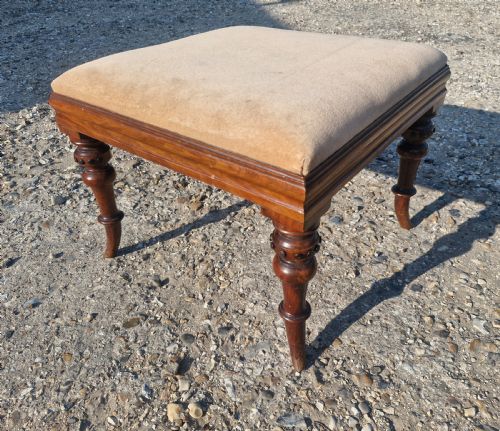
A low walnut ottoman serves primarily as a footstool, fireside seat or dressing stool, taking various compact forms to suit domestic spaces. When searching for a low walnut ottoman, buyers encounter diverse iterations ranging from Victorian parlour pieces to Art Deco designs.
Assessing quality and craftsmanship
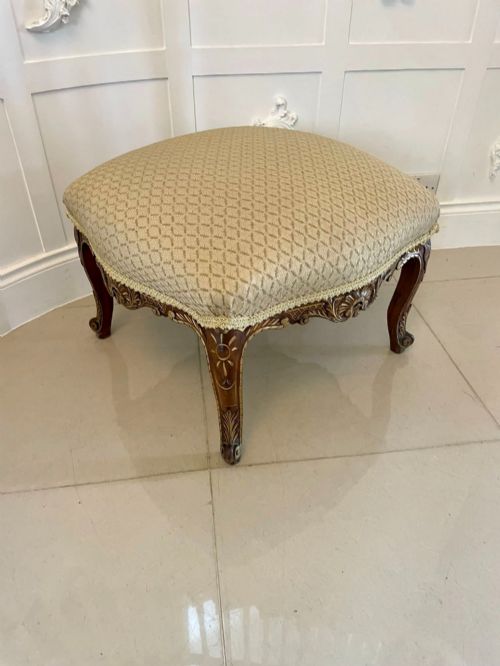
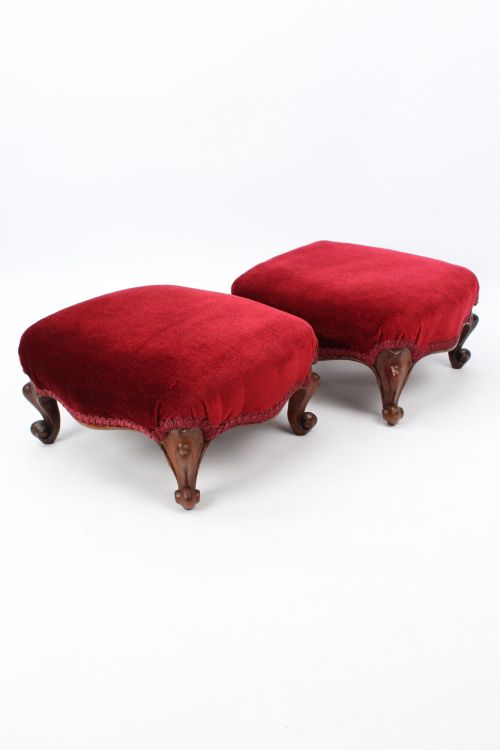
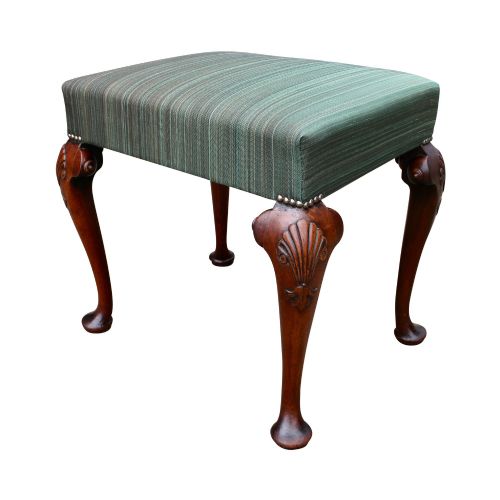
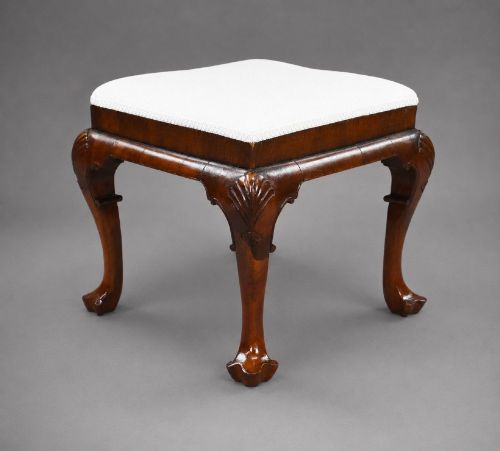
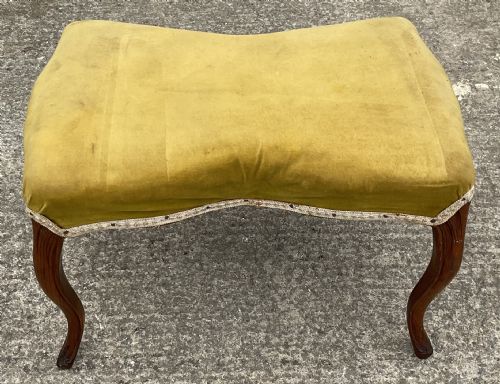
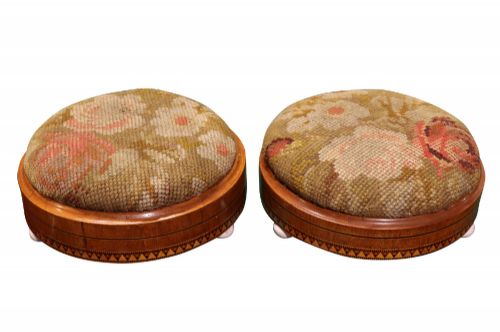
Quality rests in the crispness of the timber carving and the selection of the walnut grain, whether straight or figured. Finer examples display well-proportioned cabriole legs, robust joinery, and thoughtful integration of inlay or Tunbridge ware.
The integrity of the original frame and the character of the upholstery dictate the standing of a piece. Finer items retain their structural firmness and period textiles, showing purposeful hand execution in every carved scroll or turned member.
Listings span from the eighteenth century to the early twentieth century, encompassing Victorian, Edwardian, and Art Deco periods.
Harry and Lou Epstein
The Low Walnut Ottoman Glossary
- Ottoman
- A low upholstered seat or footstool typically lacking arms and a back. These pieces function as versatile seating or footrests in drawing rooms and bedrooms.
- Cabriole leg
- A furniture leg that curves outward and then tapers inward, finishing in a pad, scroll or carved foot. This form is common on eighteenth century revivals and Victorian pieces.
- Tunbridge ware
- A type of decorative woodwork characterised by tiny mosaic tiles formed from naturally coloured woods. It creates intricate geometric patterns on small surfaces.
- Fender stool
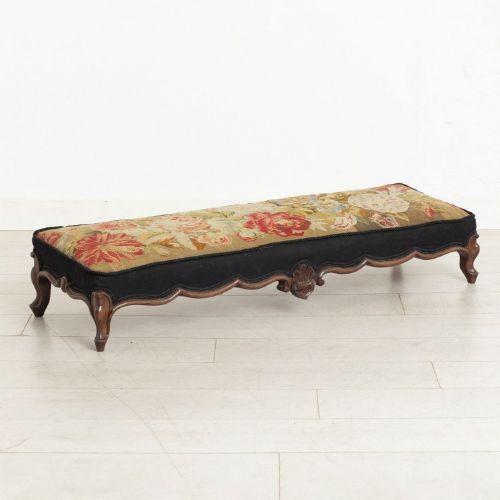
- A long, narrow footstool designed to sit in front of a hearth fender. They provide low seating close to the fireplace.
Low Walnut Ottoman: Frequently Asked Questions
How do I use a low ottoman?
These pieces serve as fireside seating, footrests before armchairs, or compact dressing stools in bedrooms. Their low profile ensures they fit neatly beneath windows or beside larger pieces of furniture.
They also function effectively as impromptu low tables when topped with a rigid tray. Their varied textile tops introduce texture and colour to domestic interiors.
What distinguishes Victorian styles?
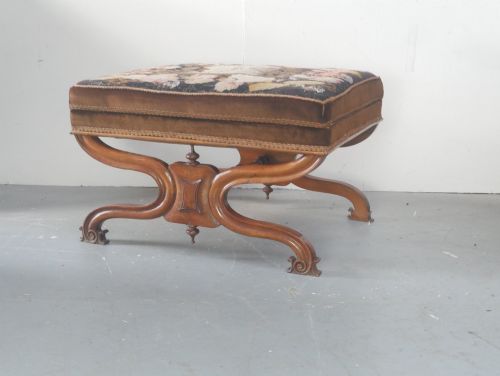
Victorian examples often feature rich walnut frames with carved cabriole legs, scroll details, and buttoned leather or needlework upholstery. They reflect a strong revival of earlier historic aesthetics.
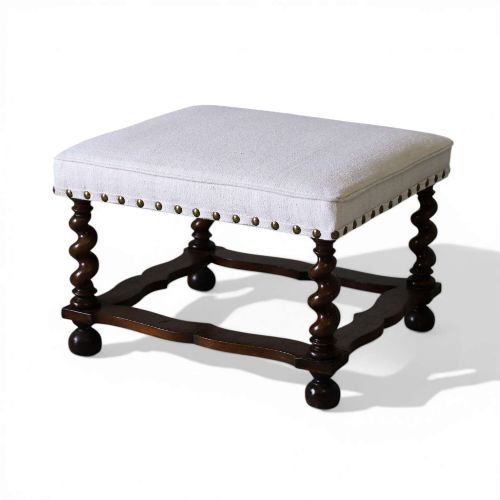
Craftsmen during this period combined solid timber construction with intricate details like inlay and turned stretchers, producing sturdy and decorative furnishings.
Are Art Deco ottomans different?
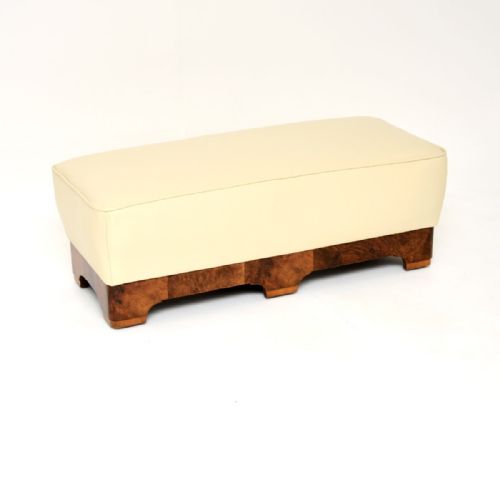
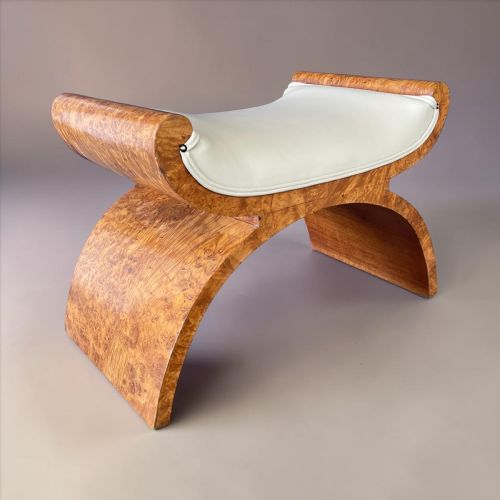
Art Deco pieces favour sleek burr walnut veneers and smooth leather upholstery over elaborate Victorian carving. Their forms emphasise geometric simplicity and streamlined silhouettes.
These twentieth century designs suit contemporary interiors while retaining the warmth of traditional walnut timber.
How do I care for walnut wood?
Protect walnut surfaces by keeping them away from direct heat sources and strong sunlight, which can fade the timber grain and dry out the finish. Regular dusting with a soft, dry cloth maintains the lustre.
Avoid using silicone-based polishes, opting instead for traditional beeswax applied sparingly to nourish the wood.