





Victorian Carved Footrest
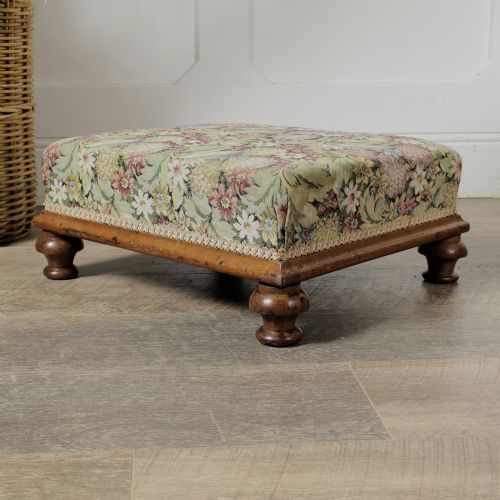
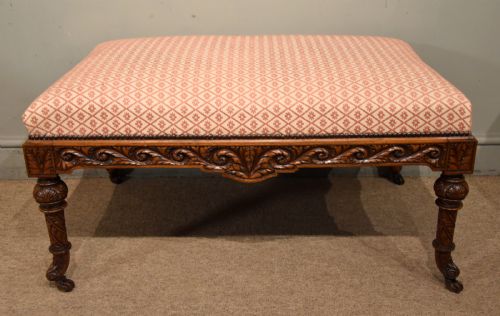
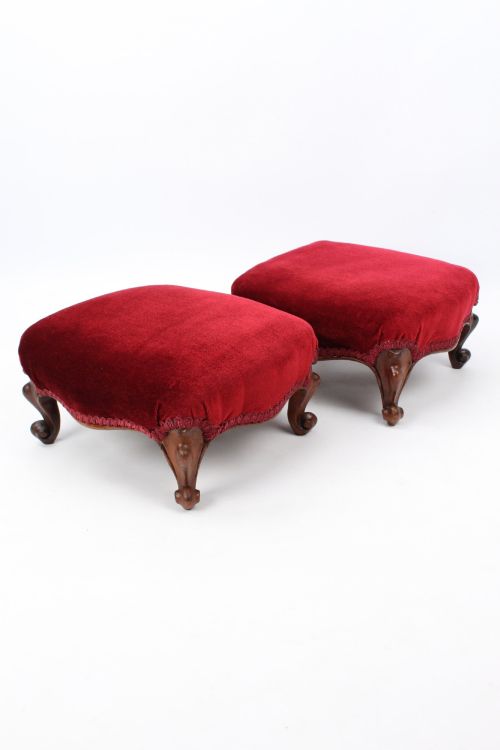
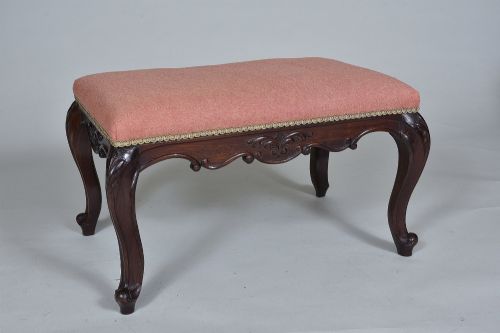
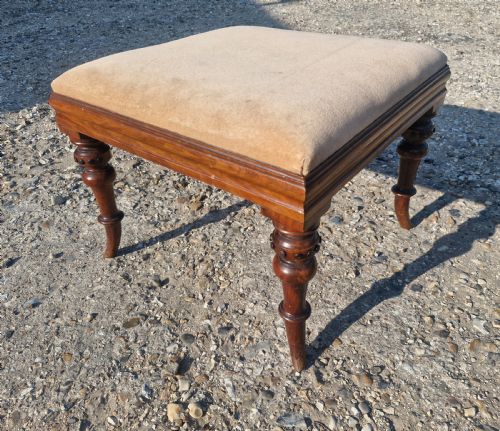
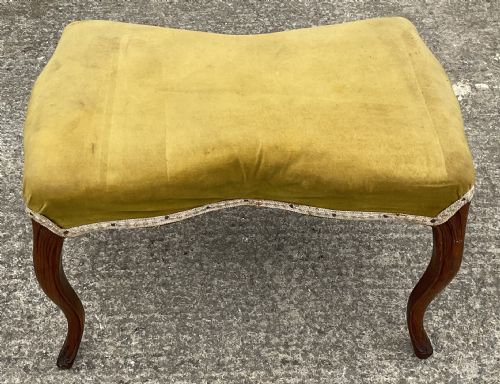
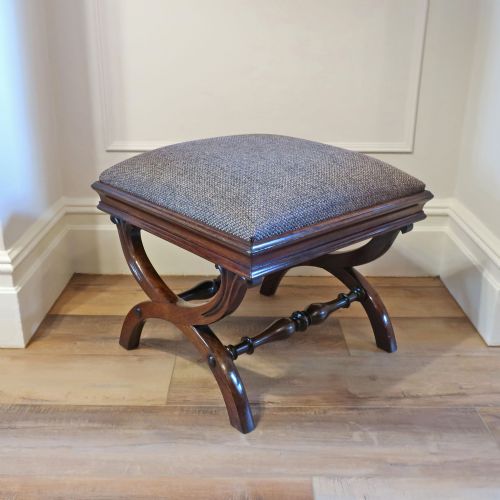
These Victorian carved footrest pieces are solid timber frames with upholstered tops, offering a traditional way to elevate your feet.

Victorian Carved Footrest
When you search for a Victorian carved footrest, you encounter low timber seating forms designed to support the feet beside a fireplace or in a drawing room. These examples span the nineteenth century, including specific decades such as the eighteen-fifties, eighteen-sixties, eighteen-seventies and eighteen-eighties.
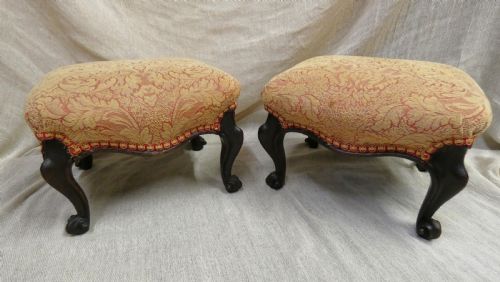
Most items you meet here rely on compact proportions suited to fireside or dressing table use. Pairs of stools also appear frequently alongside single items.
How they were made
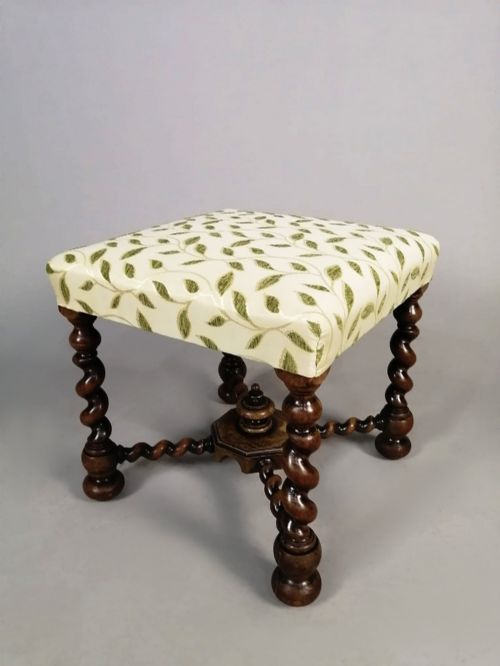
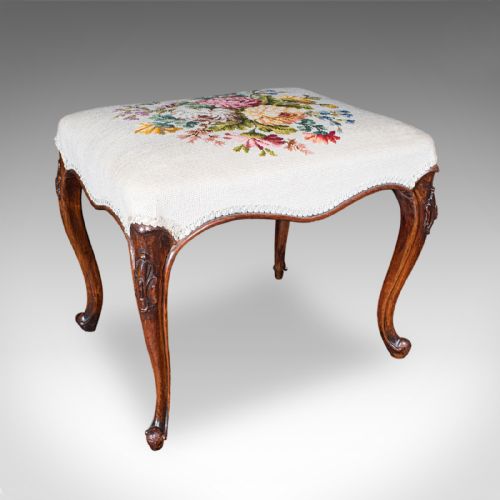
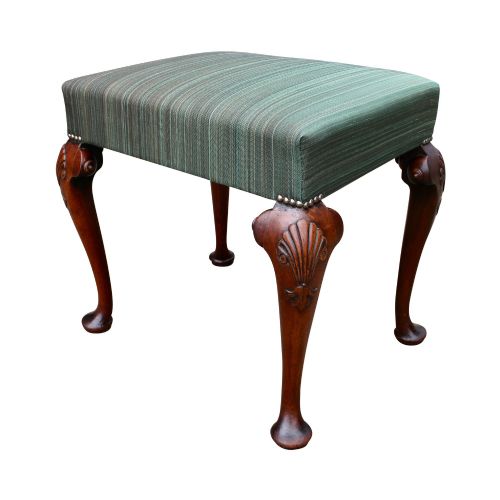
Cabinetmakers shaped the wooden frames from hardwoods like walnut, mahogany and rosewood, applying carved detail by hand to the legs and rails. Cabriole legs and turned wooden supports recur across the pieces.
Upholstery completed the tops, utilising textiles such as needlepoint, tapestry, velvet, fabric, buttoned leather and woven rattan. Brass fittings occasionally appear on the structures.
Victorian Carved Footrest Retail Price Guide 2026
Typical asking prices for victorian carved footrest among the pieces listed under this phrase on Sellingantiques today, from the lower quarter to the upper quarter. They describe what is for sale here now, not the wider market.
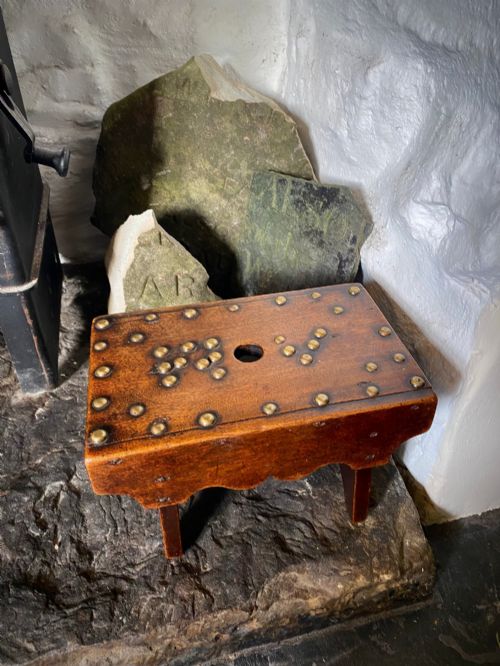
A rocking gout stool offers a gentle motion for tired feet after a long nineteenth-century evening.
What varies in quality
The distinction between standard examples and finer items rests in the crispness of the timber carving and the choice of dense hardwoods like rosewood and walnut. Elaborate revival styles and balanced proportions elevate certain pieces above plain utilitarian stools.
The integrity of the original wooden frame and the quality of the textile covering, whether needlework, leather or tapestry, determine the overall execution of the work.
ROBERT DAWS
The Victorian Carved Footrest Glossary
- Cabriole leg
- A furniture leg that curves outward at the knee and inward at the ankle, mimicking an animal limb. This form appears frequently on nineteenth-century seating.
- Fender stool
- A long, narrow footstool designed to sit in front of a hearth fender. These pieces kept feet warm away from cold stone hearths.
- Needlework
- Stitched textile decoration created with yarn on a canvas mesh ground. Many nineteenth-century stools retain this type of upholstery.
- Rosewood
- A dense, dark timber with distinct figuring utilised for luxury cabinet work. It provides a heavy and smooth finish.
- Ottoman
- A low, upholstered seat without arms or a back. Larger versions function similarly to low tables.
Victorian Carved Footrest: Frequently Asked Questions
What is a fender stool?
A fender stool is a long, low seat designed to sit directly in front of a fireplace fender. These pieces kept feet elevated from cold stone floors.
They typically feature narrow proportions to fit hearth spaces comfortably.
Where were these stools used?
These items served primarily in nineteenth-century drawing rooms, parlours and bedrooms. People placed them near firesides or beside dressing tables.
Their compact size allowed easy movement around domestic living spaces.
How do I identify a Victorian stool?
Victorian stools display characteristic nineteenth-century timber choices like walnut, mahogany and rosewood. Stylistic details often include cabriole legs and revival motifs.
Upholstery methods such as buttoned leather or needlepoint further indicate the period.
What woods are common?
Mahogany, walnut and rosewood dominate the frames of these nineteenth-century pieces. Lighter timbers like oak and teak also appear occasionally.
Each wood offers a distinct grain and weight that defines the character of the stool.