


Pair Footstools
Pair antique footstools offer dual comfort and matched symmetry, bringing period charm and practical support to traditional seating arrangements.
Identifying Pair Antique Footstools
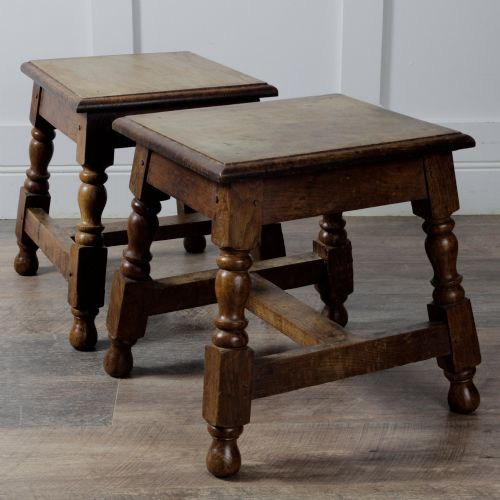
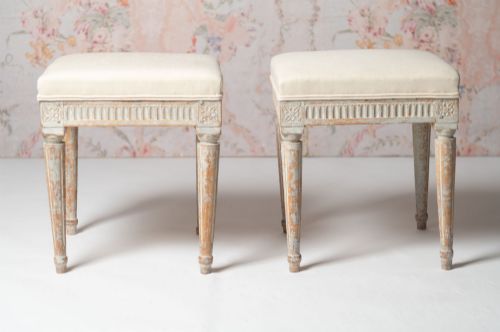
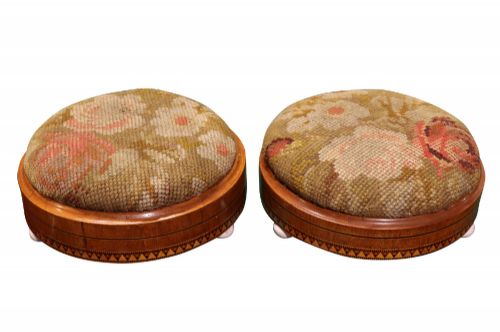
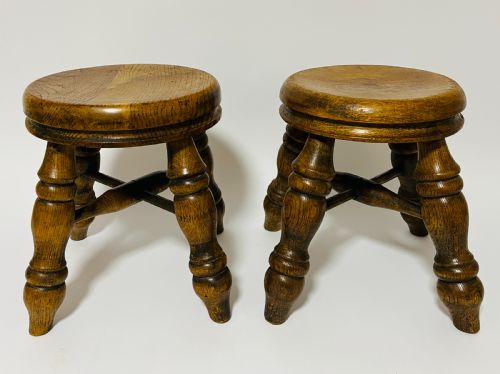
Pair antique footstools comprise matched sets of low seats designed to support the feet or serve as compact resting surfaces in traditional interiors. These items emerge primarily from the nineteenth century, including Victorian and Georgian periods, alongside Swedish and English origins.
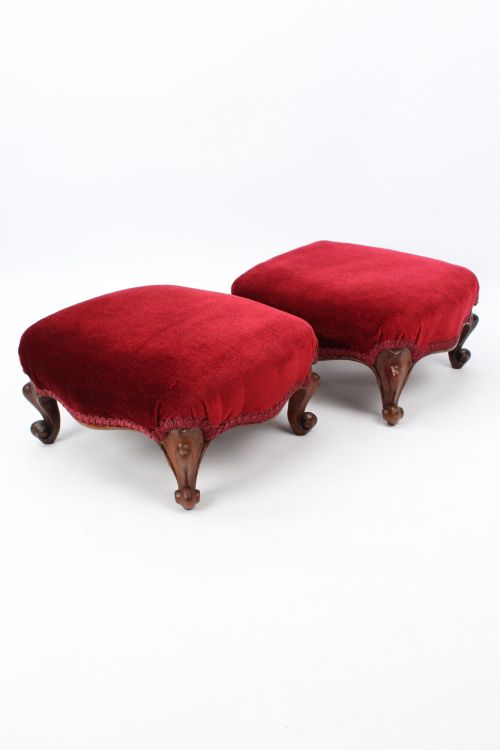
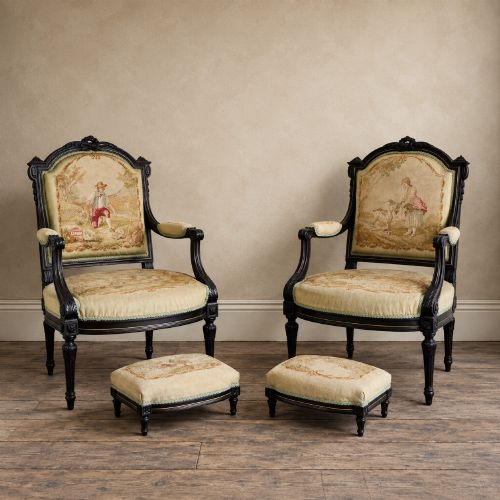
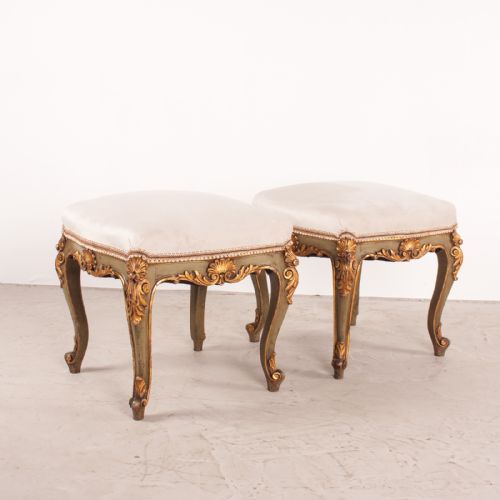
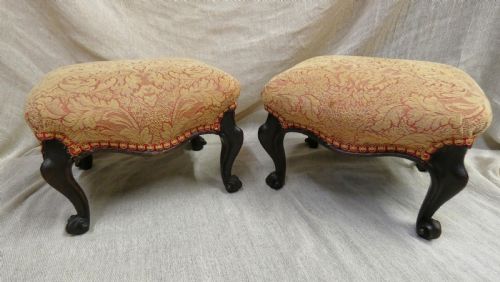
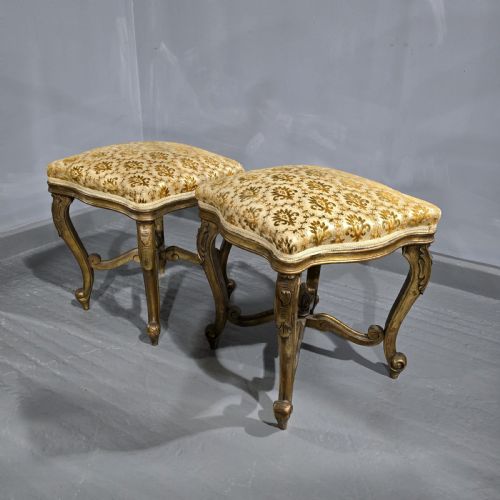
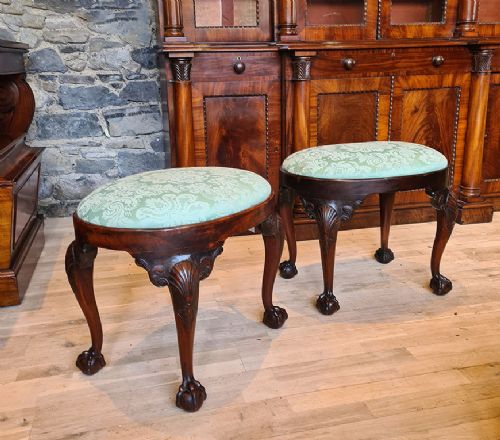
Forms vary from circular upholstered pieces to models featuring cabriole legs and fireside formats. Buyers encounter both small gout stools and deeper buttoned designs, often upholstered in wool, needlepoint, petit point tapestry, fabric, or leather.
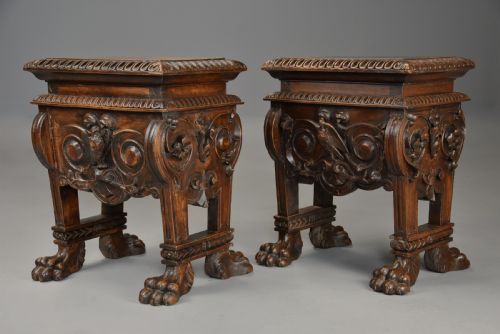
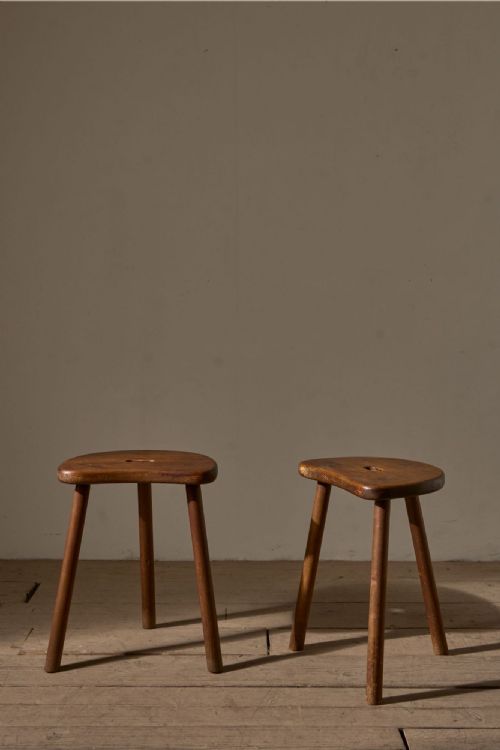
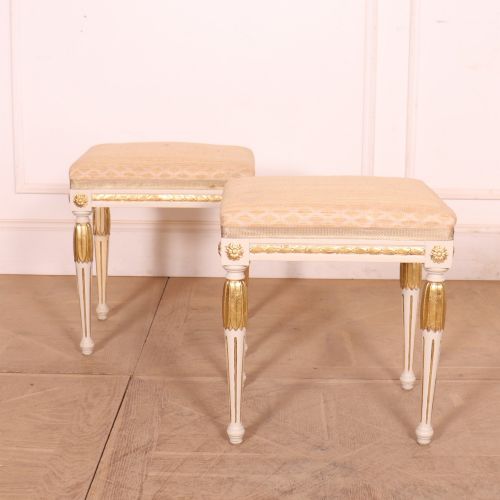
The selection reflects diverse regional styles, spanning Gustavian simplicity and ornate Victorian Rococo Revival or Renaissance Revival movements. Each matched pair provides balanced proportions for placement beside firesides or armchairs.
Materials and Construction
Maker construction relies on solid timbers such as mahogany and walnut, occasionally augmented by painted wood, brass accents, and gold leaf details. Frames are shaped into sturdy supports, including cabriole legs, that carry the upholstered upper sections.
Upholstery techniques involve traditional stuffing finished with wool, fabric, needlepoint, petit point tapestry, or hand-dyed leather. Decorative touches include deep buttoning and fine inlaid woodwork embedded into the wooden frames.
Retail Price Guide 2026
Typical UK retail prices for pair footstools, calculated from the Sellingantiques database of over a million retail prices indexed since 2003. This retail price guide relies exclusively on Sellingantiques data; no external sources or auction records are used, so the figures do not describe the wider market.
Some little gout stools spent their days hiding under heavy velvet skirts, saving tender toes from drafty Victorian drawing rooms.
Assessing Quality and Execution
Quality rests in the precision of the timber framing, seen in the clean carving of walnut and mahogany structures or the crisp execution of inlaid details. Superior examples maintain firm, well-sprung upholstery and tight joinery across both matched items.
The finesse of the surface textile elevates a piece, whether through intricate needlepoint, petit point tapestry, or carefully hand-dyed leather. Matched pairs demonstrate consistency in grain, wear, and proportion between the two components.
The Pair Footstools Glossary
- Cabriole leg
- A furniture leg featuring a double curve, bulging outward at the top and tapering inward near the foot. This form is common on Victorian and Georgian seating.
- Petit point
- A form of needlepoint executed on fine single-mesh canvas with small stitches. It allows for high detail in floral and pictorial upholstery.
- Gout stool
- A low footstool specifically designed with an adjustable or angled top to support feet affected by gout. They appear frequently in nineteenth-century walnut and mahogany.
- Deep buttoning
- An upholstery technique where buttons are pulled deep into the stuffing to form a tufted diamond pattern. This method secures the padding while adding texture.
- Regency
- A British design period spanning the early nineteenth century. Pieces from this era often draw on classical Greco-Roman motifs.
Frequently Asked Questions
How do I date an antique footstool?
Dating relies on timber choices, leg shapes, and upholstery styles recorded across Victorian, Georgian, and nineteenth-century examples. Examining the construction methods underneath reveals the age of the frame.
Secondary indicators include the type of textile used, such as early needlepoint or hand-dyed leather, which align with specific revival periods.
Are these stools comfortable for daily use?
Most pieces feature traditional stuffing and robust timber frames designed for physical support. Their low height suits placement beside armchairs and firesides.
Upholstery condition varies, so some pairs provide firmer support than others depending on their original intended purpose as gout stools or rest seats.
What wood types should I look for?
Walnut and mahogany dominate the timber evidence for these pieces, offering rich grain patterns and sturdy structural support. Painted wood options also appear in certain regional styles.
Cabinetmakers utilised these hardwoods for durability, ensuring the frames survive alongside decorative elements like brass fittings and gold leaf.
How do I maintain antique upholstery?
Preserving the fabric, wool, or leather requires gentle cleaning methods suited to fragile historical textiles. Direct sunlight should be avoided to prevent fading on needlepoint and tapestry surfaces.
Checking the stability of the wooden frame prevents undue stress on the internal padding and fabric joins during movement.