






Antique Needlepoint Stool
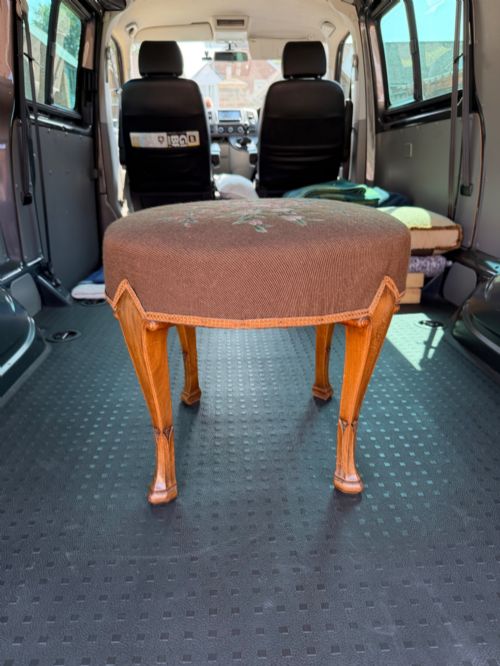
An antique needlepoint stool offers a tactile glimpse into domestic comfort, combining sturdy timber frames with intricate textile work.
Antique Needlepoint Stool
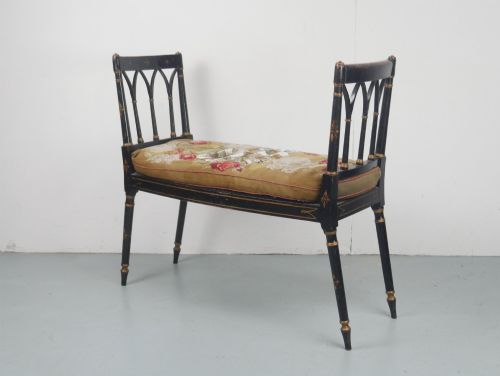
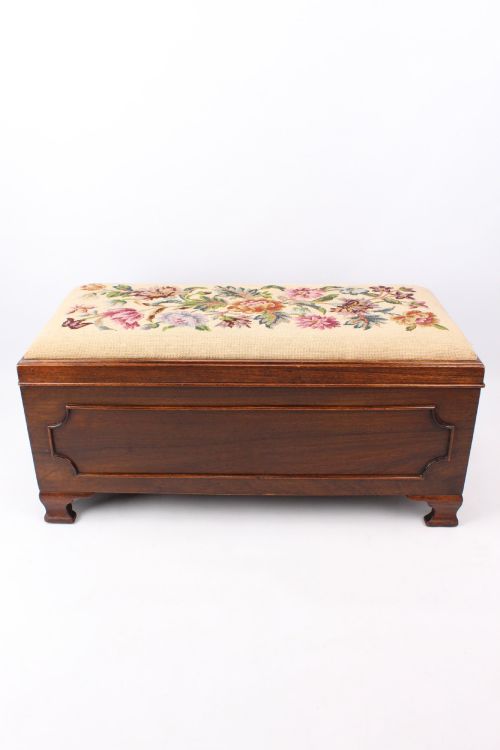
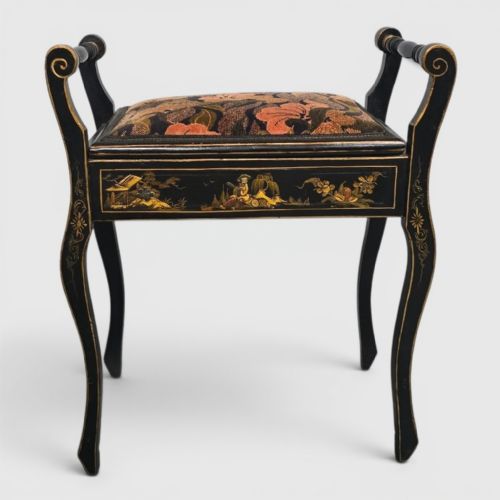
An antique needlepoint stool functions primarily as a low rest for the feet, though larger forms serve as dressing, piano or carriage seats and coal bin storage boxes. These pieces emerge in various timber frames spanning the Regency, Victorian and Edwardian eras.
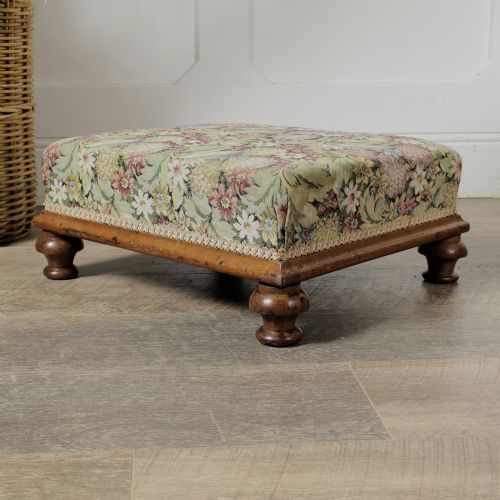
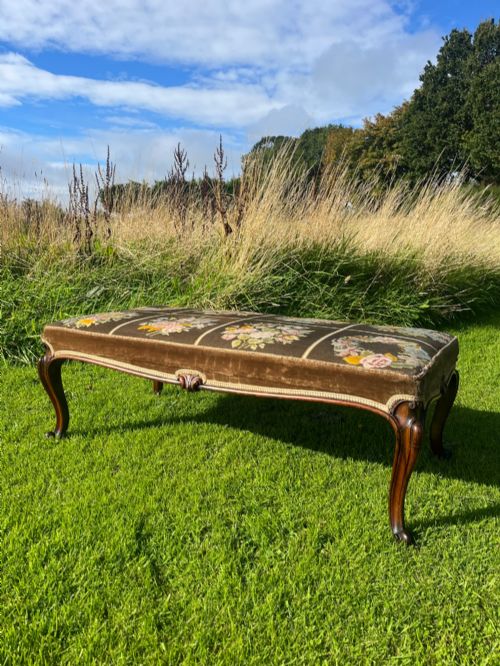
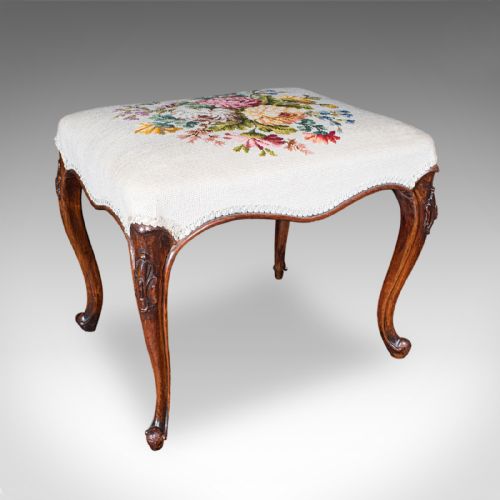
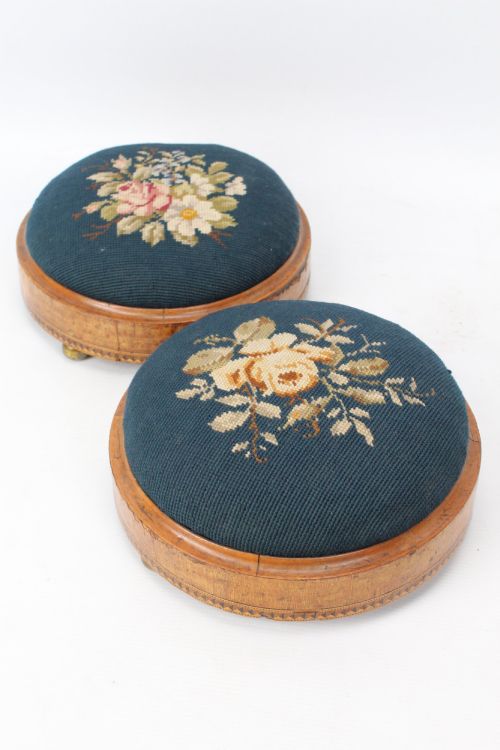
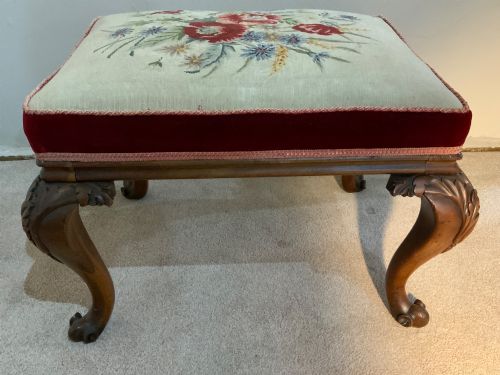
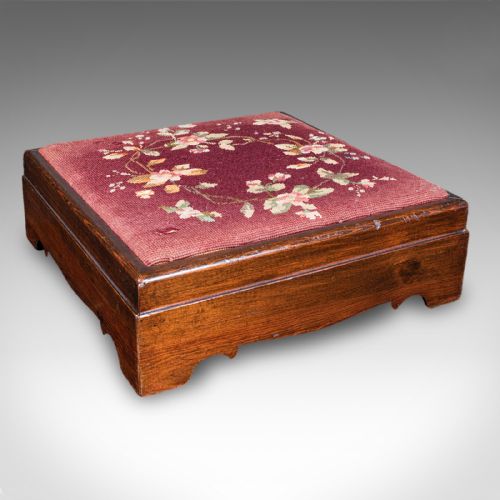
Victorian examples dominate the selection, frequently shaped from walnut, mahogany or rosewood to support floral and pictorial tapestry tops. Buyers encounter everything from compact gout stools and long fender rests to matched pairs designed for grander reception rooms.
Materials and construction
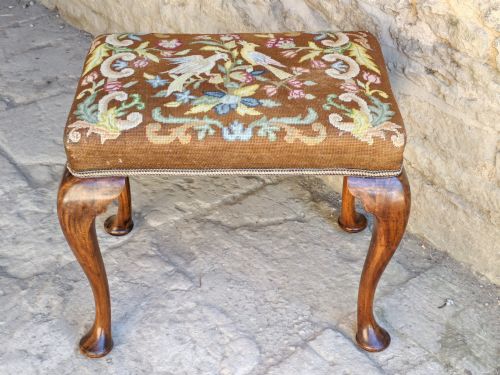
Craftsmen construct the rigid underframes using durable hardwoods such as mahogany, walnut, rosewood, oak, beech and ebonised timber, occasionally incorporating brass details. These frames support upholstered seats worked in wool tapestry, crewel and needlepoint cloth.
The textile components involve counted-thread embroidery worked upon a stiff canvas mesh, producing dense geometric or botanical patterns designed to withstand years of regular pressure.
Antique Needlepoint Stool Retail Price Guide 2026
Typical asking prices for needlepoint stool among the pieces listed under this phrase on Sellingantiques today, from the lower quarter to the upper quarter. They describe what is for sale here now, not the wider market.
Listings span the Regency, Victorian and Edwardian periods, utilising walnut, mahogany, rosewood and wool tapestry.
Distinctions in quality
Quality rests heavily upon the density and complexity of the needlepoint tapestry, where finely worked wools and sophisticated colour palettes distinguish superior upholstered tops from simpler designs. The joinery of the hardwood frame, whether mahogany, walnut or rosewood, dictates structural integrity.
Proportion and form separate standard production pieces from finer examples, such as intricately turned bobbin legs, X-frame supports or matched pairs intended for formal settings.
The Antique Needlepoint Stool Glossary
- Needlepoint
- A type of embroidery stitched through a stiff open-weave canvas mesh. It forms a dense, durable textile surface traditionally utilised for heavy upholstery.
- Gout stool
- A specialised low footstool featuring an adjustable angle. It was designed to elevate and comfort limbs afflicted by inflammation.
- Fender stool
- A long, narrow footrest built to sit directly in front of a hearth fender. These pieces keep feet away from cold stone floors.
- Tapestry
- A thick woven or embroidered fabric depicting pictorial or floral scenes. It provides both decorative richness and physical durability.
- Ebonised
- Timber treated with a chemical finish or stain to imitate ebony. This process gives the underlying wood a dark, uniform appearance.
Antique Needlepoint Stool: Frequently Asked Questions
How were these stools used historically?
These pieces served multiple domestic roles, primarily supporting feet near a hearth or providing a seat at a dressing table or piano.
Larger versions accommodated musicians or doubled as storage boxes for coal and carriage accessories.
What woods appear in these frames?
Makers utilised dense hardwoods to ensure the frames could withstand daily weight.
Common selections include mahogany, walnut, rosewood, oak and beech, alongside ebonised finishes.
How do I date a Victorian piece?
Dating relies upon timber selection, upholstery technique and the turning style of the legs.
Mid-nineteenth-century examples often feature solid walnut or rosewood with dense floral wool tapestry tops.
Where should I place a stool at home?
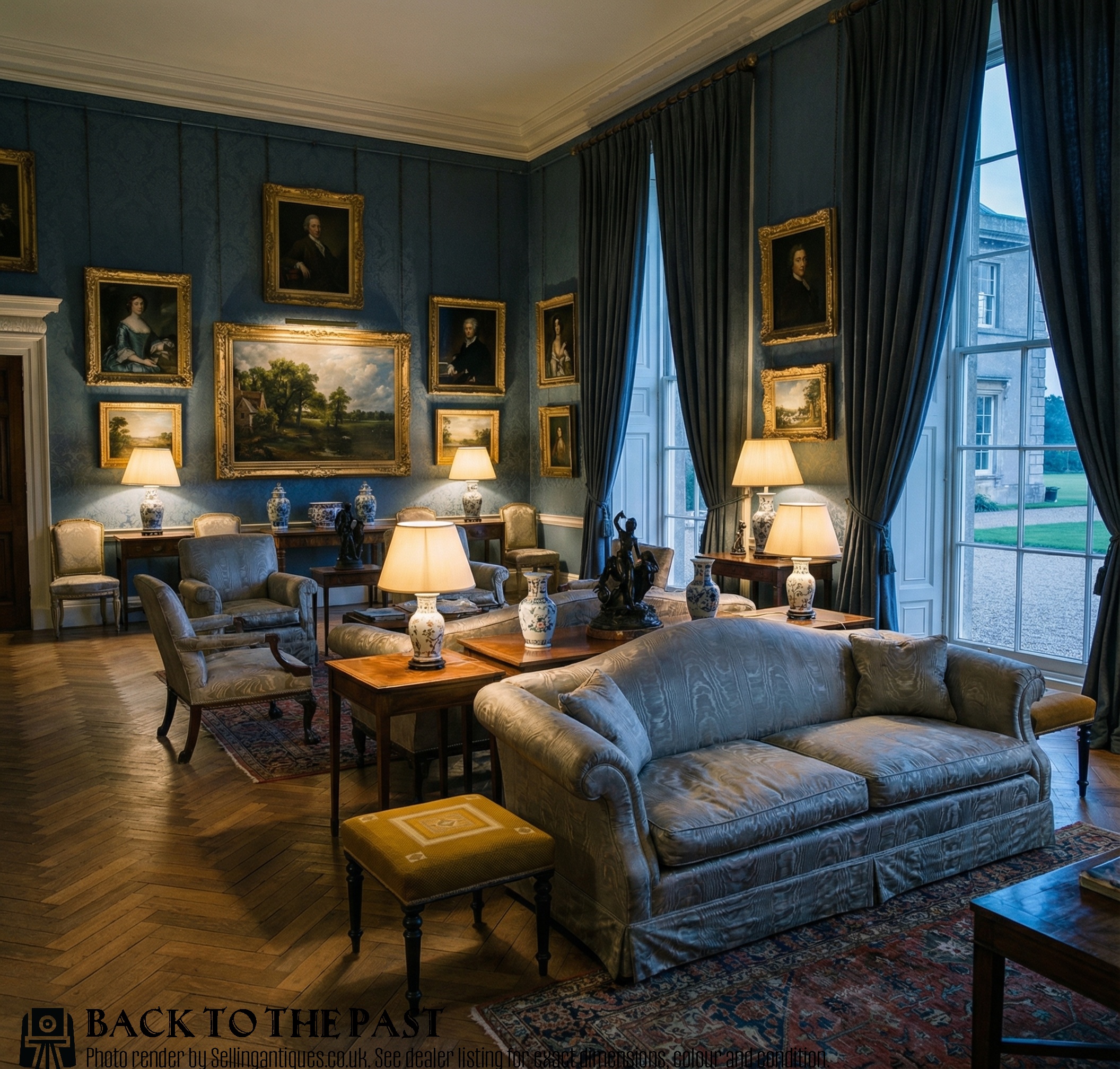
These compact items fit easily beside fireside armchairs, at the foot of a bed or beneath a dressing table.
Their low profile allows them to function as subtle accents in living spaces without obstructing pathways.