




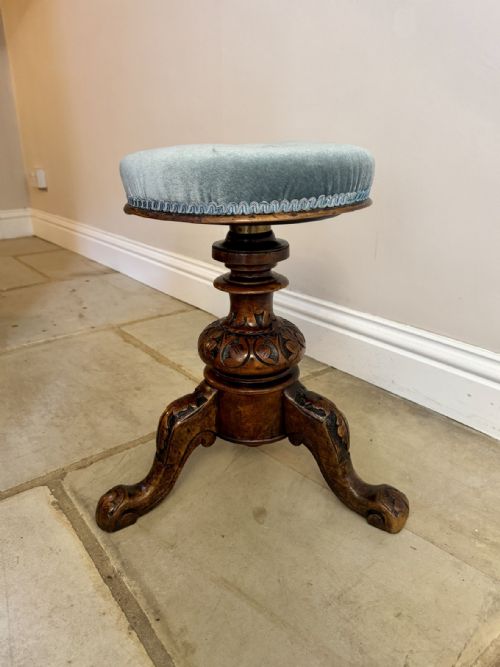


Blue Upholstered Footstool
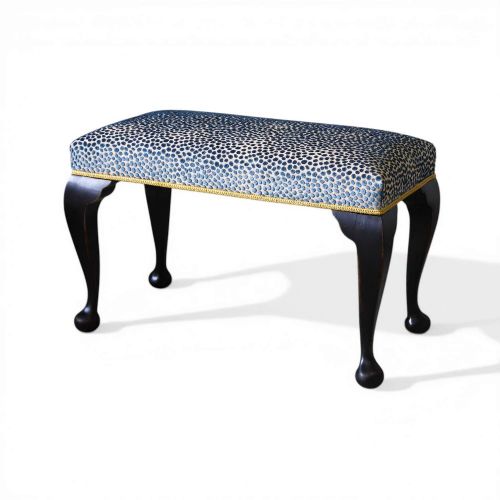
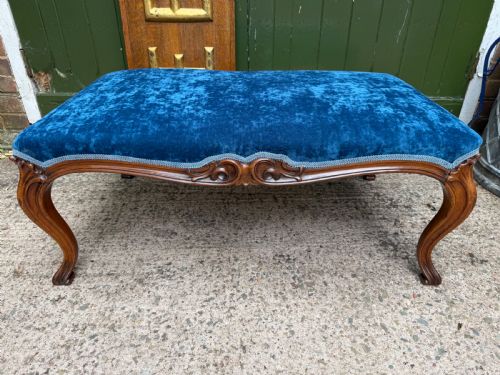
A blue upholstered footstool brings rich texture and practical low seating into a room, offering both comfort and period character.
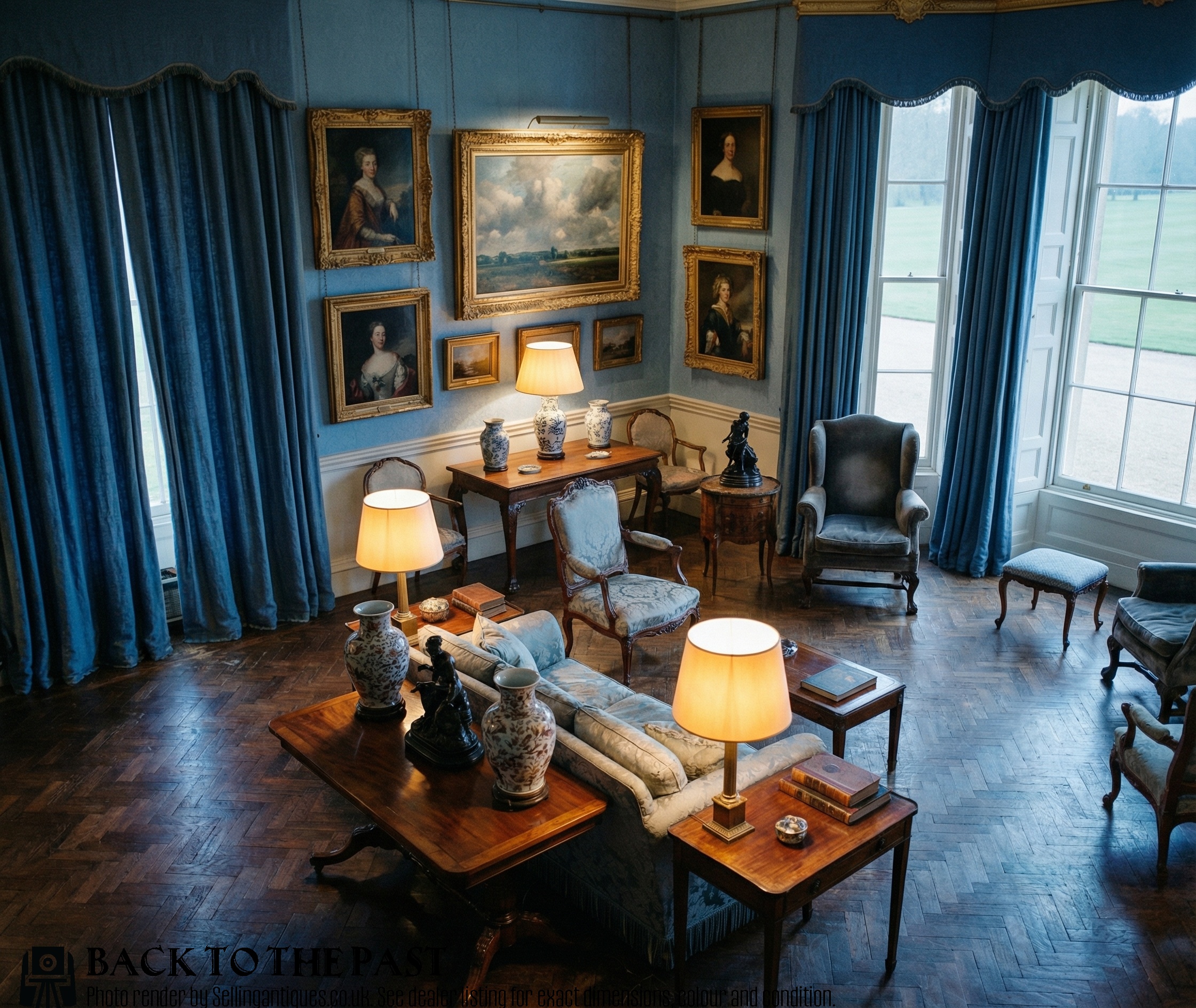
Blue Upholstered Footstool
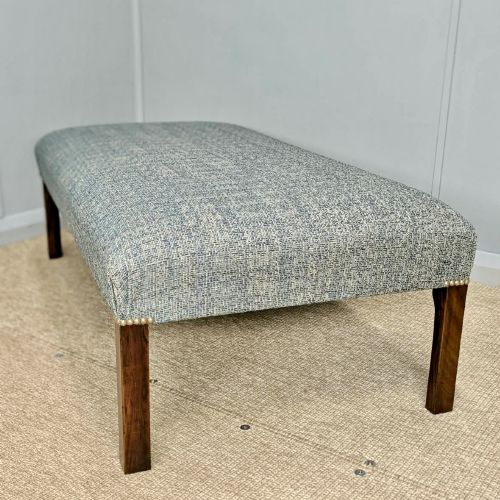
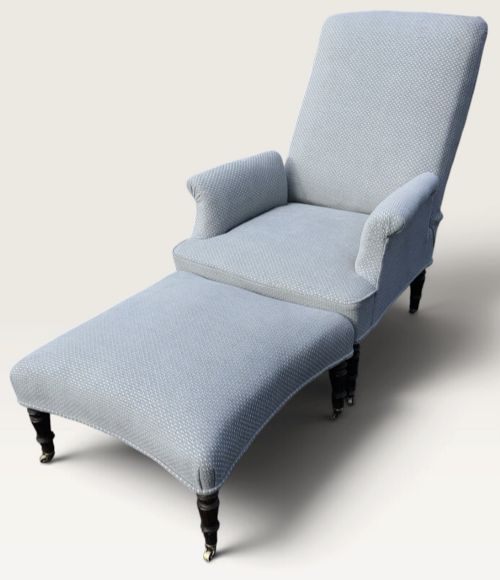
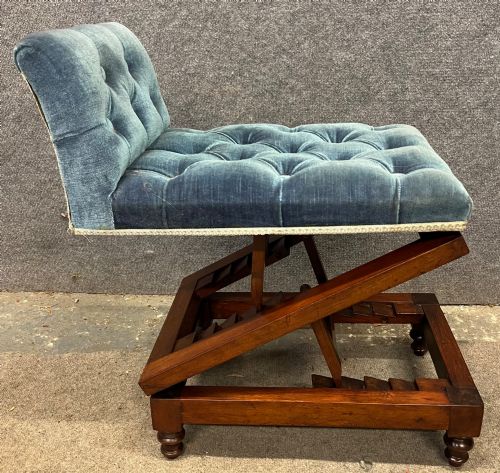
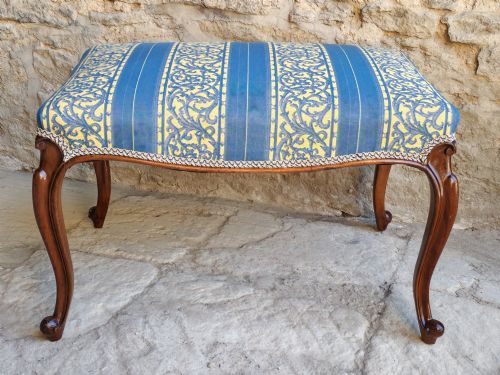
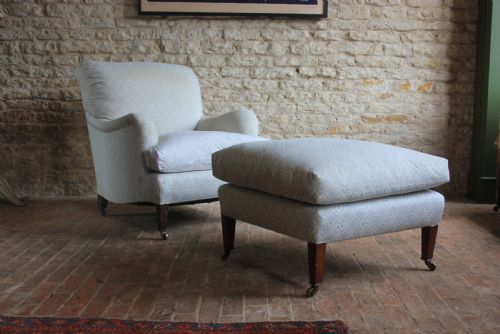
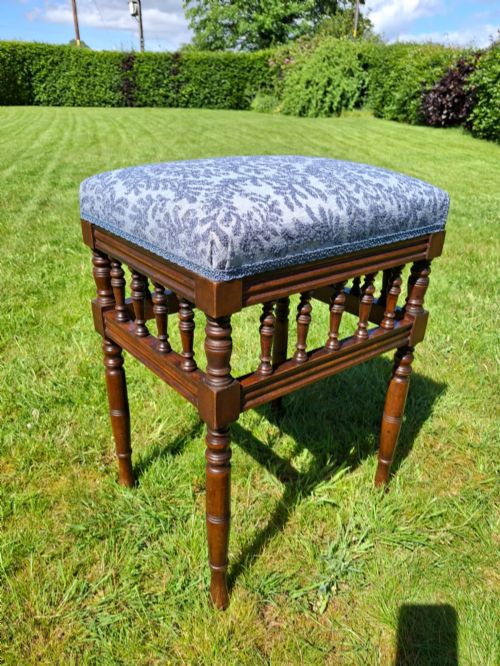
When searching for a blue upholstered footstool, buyers encounter pieces spanning the nineteenth century through the Edwardian era, including Victorian, Regency, William IV, and Edwardian styles. These items appear in various functional forms, ranging from compact gout stools and piano stools to larger ottomans, blanket boxes, and freestanding carved walnut or mahogany frames.
The materials paired with the blue upholstery typically include rich timbers such as mahogany, walnut, rosewood, and ebonised wood, alongside decorative elements like brass castors or turned legs. Examples range from simple nineteenth-century foot stools to elaborate French Empire window seats and Chippendale style or Louis XV style seating.
Materials and construction
Frames are constructed from dense hardwoods like mahogany, walnut, and rosewood, often shaped with carved details, curved sabre legs, or X-framed supports. Joinery relies on traditional methods suited to bearing weight close to the floor.
Upholstery techniques incorporate fabric, velvet, textile, and tapestry coverings secured over padded foundations. Details such as turned wooden legs, brass hardware, and needlepoint work complete the construction of these period pieces.
Blue Upholstered Footstool Retail Price Guide 2026
Typical asking prices for blue upholstered footstool among the pieces listed under this phrase on Sellingantiques today, from the lower quarter to the upper quarter. They describe what is for sale here now, not the wider market.
Markers of quality
Quality rests in the selection and density of the timber frame, the crispness of any hand-carved ornamentation, and the structural integrity of the joints. Finer examples display thoughtful proportions and substantial materials like solid rosewood or walnut rather than secondary hardwoods.
The execution of the upholstery foundation and the choice of textile also separate standard utilitarian items from finer examples. Superior pieces integrate refined turning, precise joinery, and durable textile coverings that complement the timber frame.
Howard and Sons
The Blue Upholstered Footstool Glossary
- Gout stool
- A specialised low stool designed to elevate and support the foot or leg of someone suffering from gout. These items often feature adjustable angles or concave surfaces for comfort.
- Ottoman
- A low, upholstered seat or couch without arms or a back, frequently utilised for storage or as a footrest. Larger versions double as blanket boxes or window seats.
- Regency
- An English design period spanning the early nineteenth century, characterised by classical influences inspired by ancient Greece, Rome, and Egypt. Furniture from this era often incorporates sabre legs and rosewood veneers.
- Ebonised
- Wood treated with a dark finish to imitate expensive ebony. This technique was popular in Victorian and Edwardian furniture to create a stark, dark contrast.
- Needlepoint
- A type of canvas work embroidery stitched by hand using wool or silk threads. It frequently appears on the seats of nineteenth-century dressing table stools and footstools.
Blue Upholstered Footstool: Frequently Asked Questions
How do I date an antique footstool?
Dating relies on examining the timber species, joinery methods, and stylistic cues present in the frame. Nineteenth-century pieces often show distinct characteristics like hand-turned legs or classical revival motifs.
Secondary indicators include the type of screws, block construction, and wear patterns on the wood. Comparing these details against known period styles helps narrow down the decade of manufacture.
Can I use an antique footstool daily?
Most antique footstools and ottomans remain sturdy enough for everyday use provided the frame joints are secure. Solid hardwood construction ensures they handle regular placement in living spaces.
Placing them on even flooring prevents undue strain on the legs and frame. Regular checks of the structural stability help preserve the piece during daily use.
What is the difference between a gout stool and an ottoman?
A gout stool is typically compact and built with an inclined or adjustable top designed specifically for elevating a foot. An ottoman is generally a larger, multi-purpose seat or low box.
Ottomans often provide internal storage or serve as central footrests for multiple people. Gout stools focus strictly on ergonomic leg support.
How should I clean a fabric upholstered footstool?
Cleaning requires gentle vacuuming using a soft brush attachment to lift dust from the textile fibres. Spot cleaning should be approached cautiously depending on the specific fabric composition.
Keeping the piece away from direct sunlight prevents the textile colours from fading. Professional textile cleaning is recommended for deeper maintenance of antique upholstery.