

Brown Walnut Sofa
A brown walnut sofa brings warmth and grounded presence to a room, offering rich grain and historic character through Victorian and revival forms.
Brown Walnut Sofa
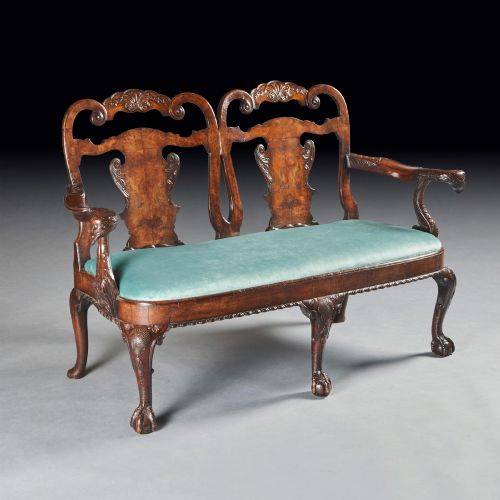
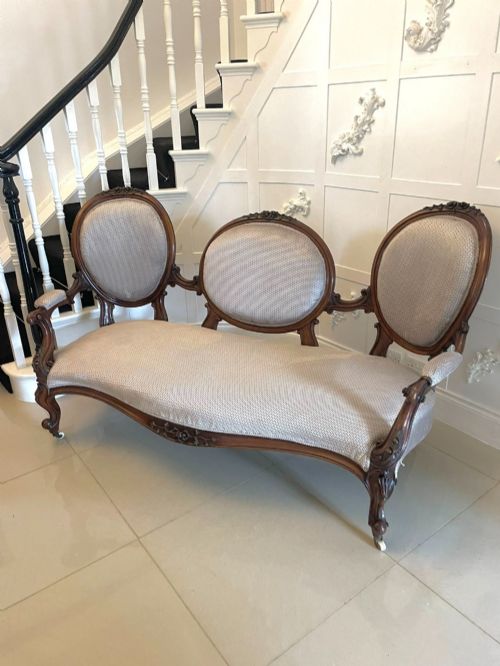
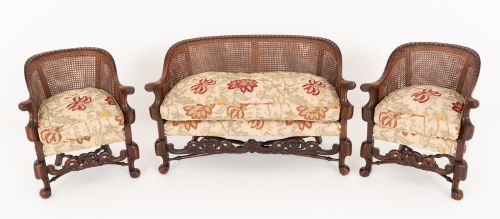
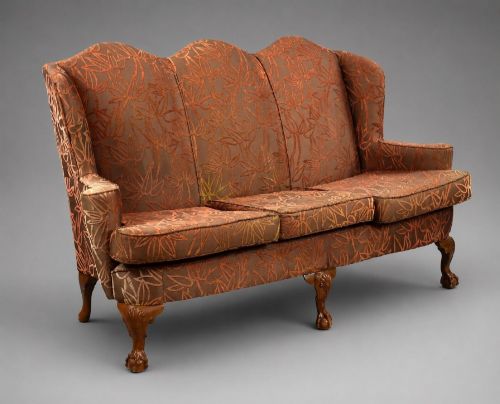
When you search for a brown walnut sofa, you encounter seating pieces spanning the nineteenth and twentieth centuries, including Victorian cameo back designs and revival forms. The selection encompasses both mid-nineteenth century craftsmanship and later twentieth-century interpretations.
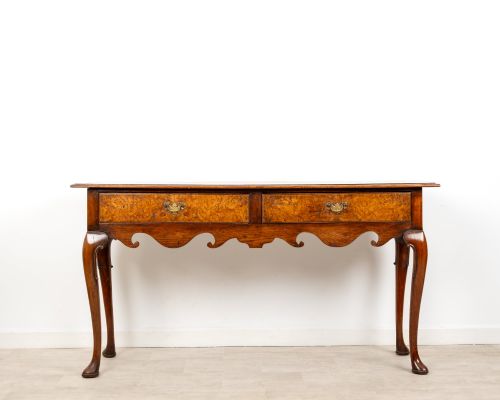
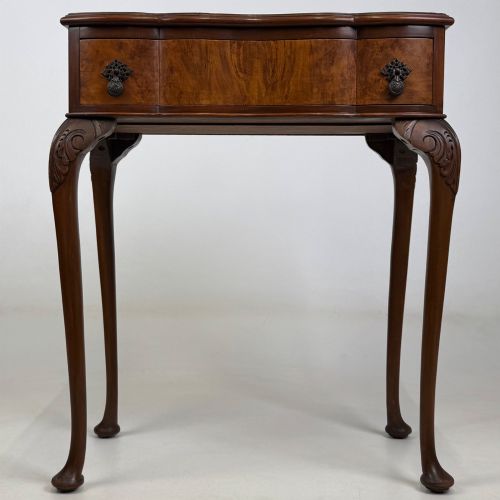
Victorian examples feature carved woodwork and patterned upholstery fabrics, while revival pieces draw on earlier Georgian and Queen Anne aesthetics. These settees and couches provide sturdy timber frames paired with upholstered seating areas.
How they were made
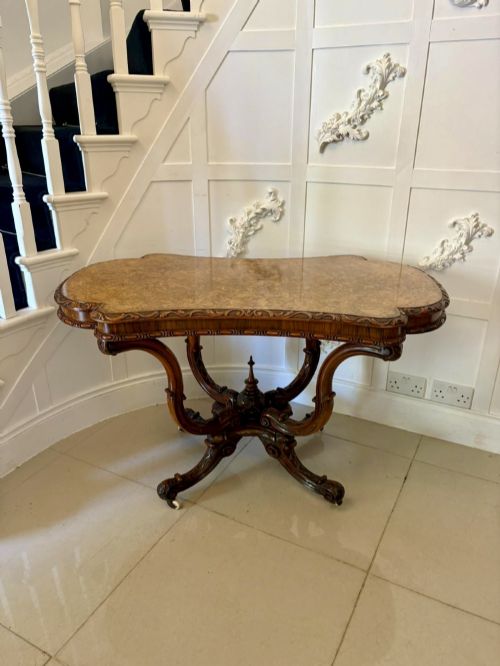
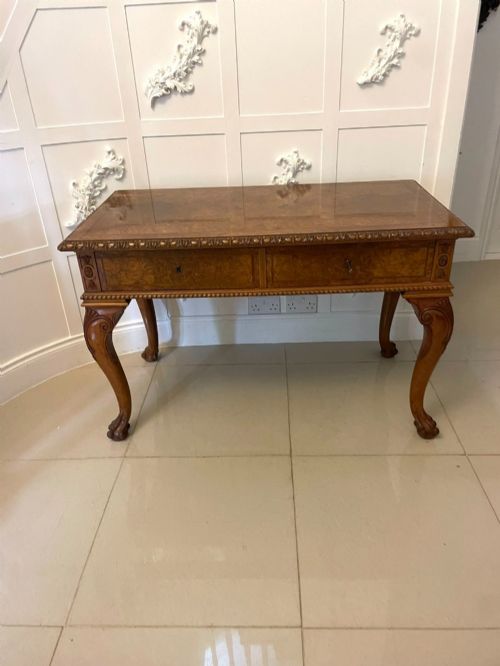
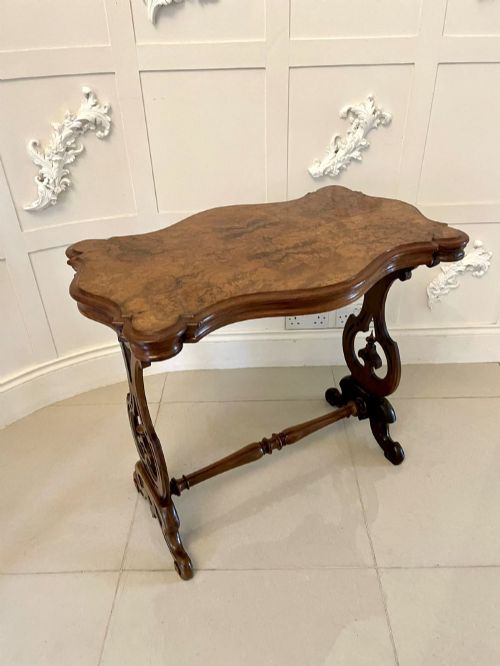
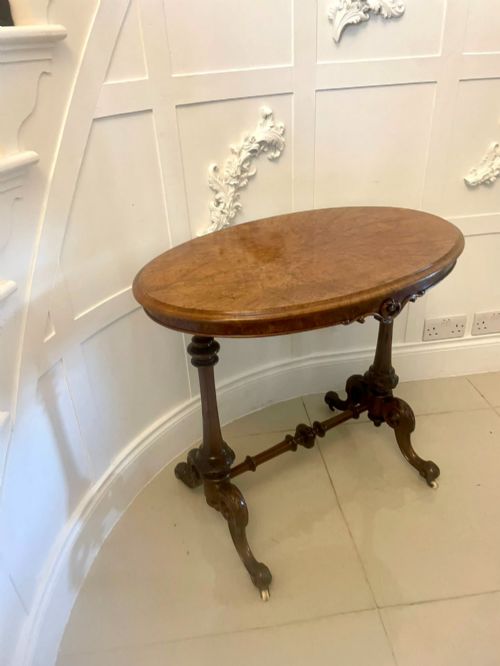
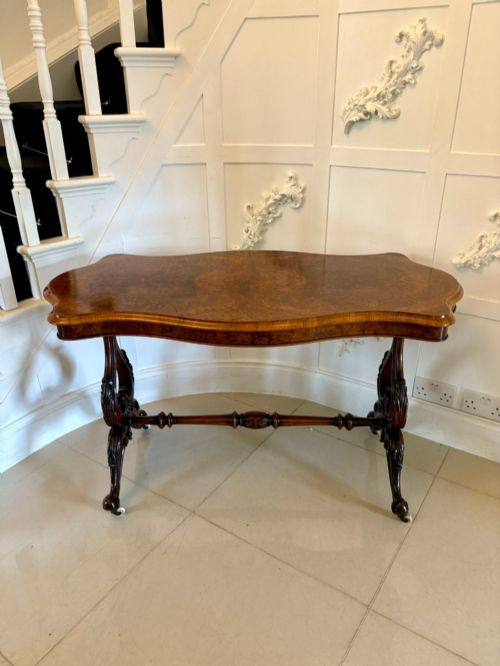
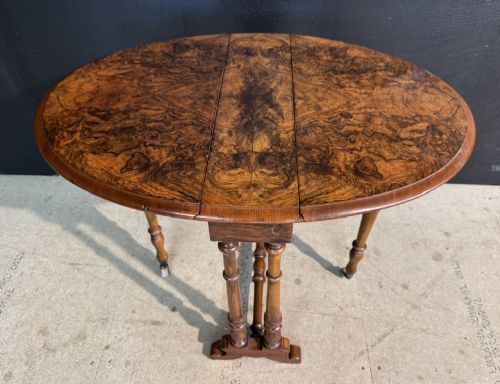
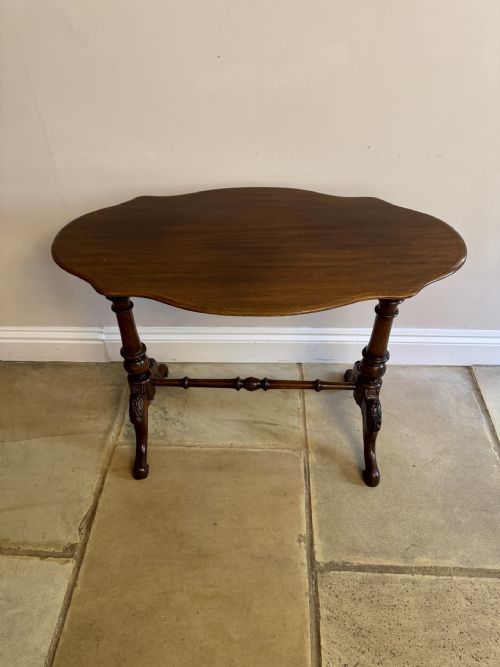
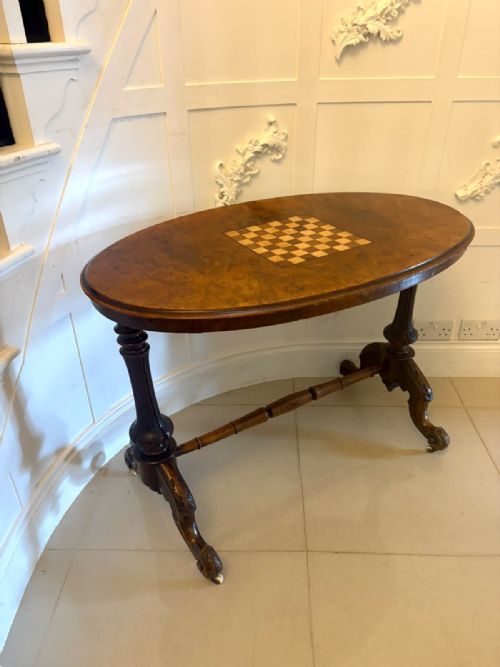
Carpenters utilised solid walnut and decorative burr walnut veneers over secondary woods, often applying wood inlay to enhance the surfaces of related tables and frames. Brass hardware and ceramic castors frequently supported the heavier timber structures.
Upholstery techniques involved traditional stuffing materials enclosed in textiles such as velvet and sturdy upholstery fabric. Carved details were shaped by hand onto the structural framework before finishing.
Some walnut tables hiding chess boards suggest that nineteenth-century relaxation involved serious tactical battles between afternoon tea courses.
What varies in quality
The choice of timber veneer sets apart the finer pieces, particularly the depth of figuring in burr walnut surfaces. Superior examples demonstrate crisp hand carving on the wooden frames rather than soft or cast ornamentation.
Structural integrity depends on the joinery within the frame and the retention of original timber components without excessive modern replacement parts. The precision of the inlay work and the quality of the finish dictate the standing of each piece.
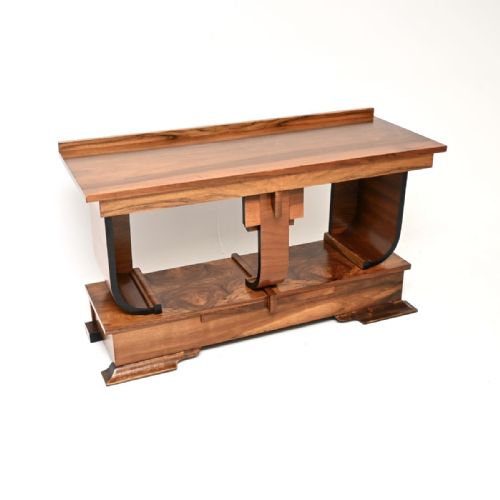
Gilbert Rohde
The Brown Walnut Sofa Glossary
- Burr walnut
- A decorative timber veneer taken from the growth excrescences on walnut trees, prized for its swirling grain patterns. This material appears frequently on the surfaces of Victorian and Edwardian items.
- Cameo back
- A chair or sofa back style featuring an oval upholstered panel enclosed within a carved wooden frame. This shape is characteristic of mid-Victorian seating design.
- Bergere
- An enclosed armchair or settee featuring cane work panels on the sides and back. These frames often utilise polished walnut timber.
- Settee
- A long upholstered seat with a back and arms, designed for more than one person. The term is used interchangeably with sofa across various nineteenth-century periods.
- Inlay
- A decorative technique where contrasting materials such as lighter woods are fitted into recessed portions of the primary walnut surface. This method creates geometric or floral patterns.
Brown Walnut Sofa: Frequently Asked Questions
How do I date a walnut sofa?
Dating relies on stylistic clues in the woodwork, such as the curved cabriole legs of Queen Anne styles or the heavy carved framing typical of Victorian manufacture. Secondary woods and construction methods also provide clues to the decade of origin.
Comparing the upholstery style and any applied decorative inlay helps narrow the period between nineteenth-century Victorian pieces and twentieth-century revival examples.
Are these sofas comfortable for daily use?
Most antique settees offer firm support due to traditional internal stuffing and springing methods. They function well for sitting, though they feel firmer than modern deep-cushioned upholstery.
Positioning the sofa away from direct heat sources helps preserve the underlying timber frame and the stretched fabric covering.
How do I care for walnut wood?
Maintenance involves dusting with a soft, dry cloth and avoiding silicone-based polishes that can build up on the French polished or waxed surface. Keeping the timber away from rapid temperature changes prevents the veneer from lifting.
Occasional application of appropriate wax feeding helps maintain the natural lustre of the burr walnut grain over time.
What is the difference between a settee and a sofa?
Historically, the terms overlap, though settee sometimes denotes a lighter wooden frame with upholstered sections, whereas sofa often implies a fully upholstered form. Both serve the same primary function as multi-person seating.
In older listings, makers and retailers used these terms interchangeably depending on regional preferences and stylistic trends.