
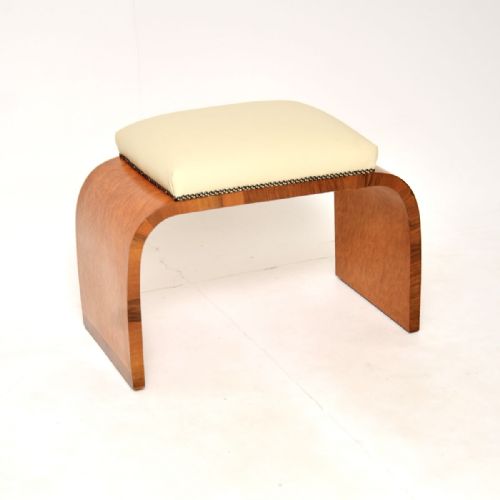


Vintage Leather Footstool
A vintage leather footstool brings tactile warmth and character to a room, offering low-slung seating or a place to rest tired feet.
Vintage Leather Footstool
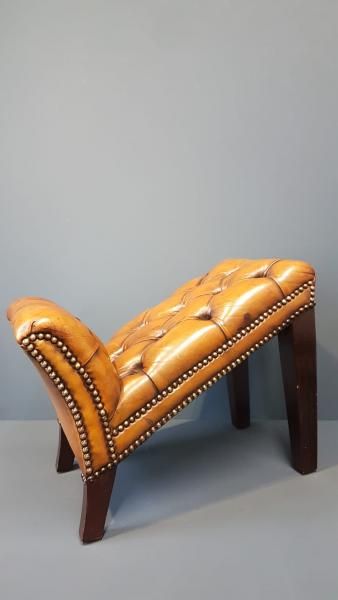
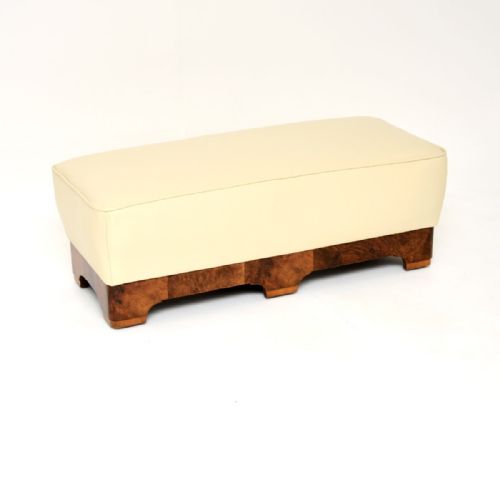
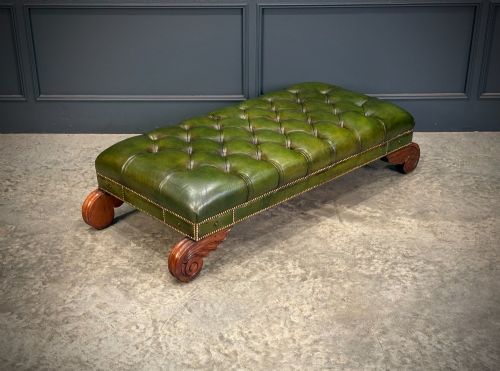
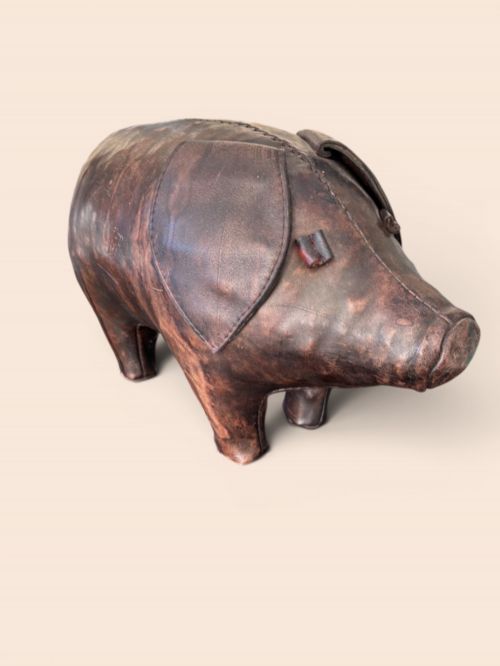
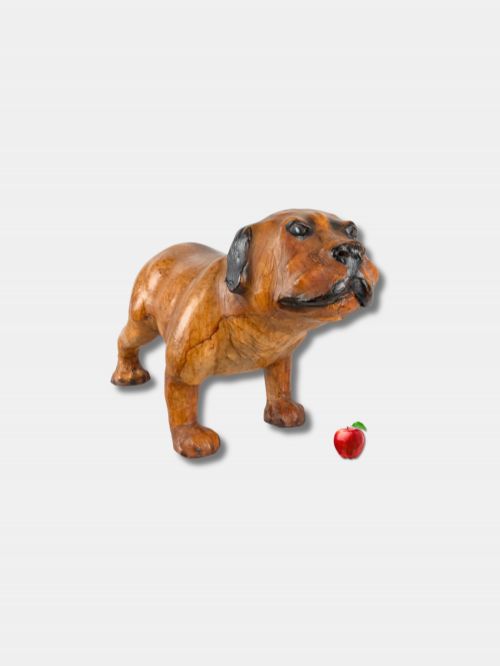
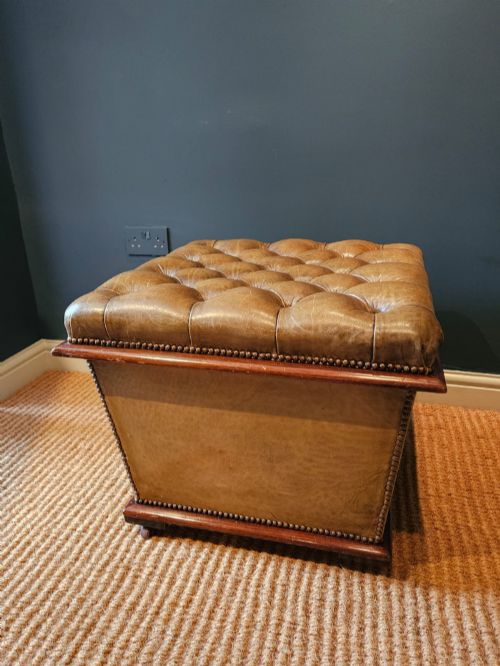
When you search for a vintage leather footstool, you encounter low seating forms designed for comfort and utility across multiple eras. These pieces range from substantial Victorian buttoned ottomans and Regency window stools to compact Edwardian piano stools and sculptural animal figures.
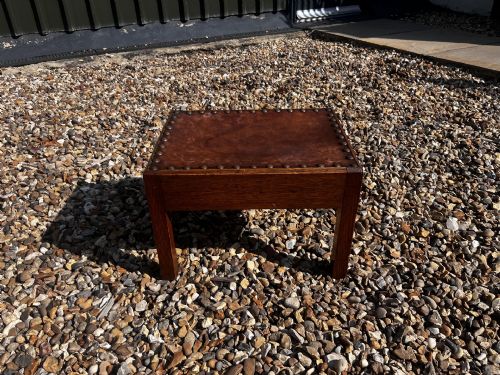
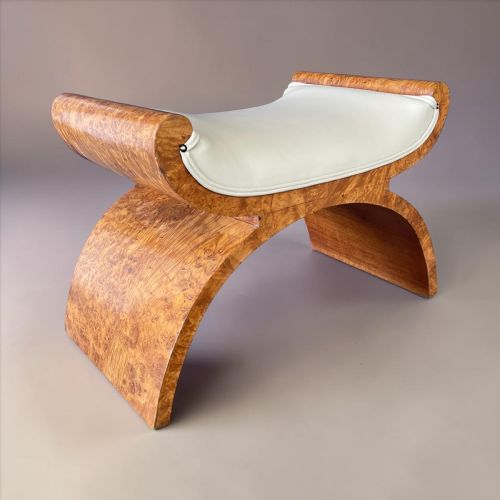
The selection here draws heavily from the nineteenth century, the Edwardian era, and the nineteen-thirties, reflecting diverse craftsmanship. Buyers frequently meet buttoned leather upholstery paired with mahogany, oak, walnut, or burr walnut frames.
How they were made
Craftsmen built the underlying structures using robust timbers such as mahogany, oak, walnut, yew wood, and rosewood, often shaping the wood with carved details or clean modernist lines. These frames provide the sturdy skeleton necessary to support heavy upholstery.
Hides were stretched over padding and secured, frequently employing deep buttoning techniques to create textured surfaces. Brass detailing often appears as tack work or hardware, complementing the natural grain of the leather and wood.
Periods represented span the nineteenth century, Regency, Victorian, Edwardian, and nineteen-thirties.
What varies in quality
The distinction between tiers rests upon the integrity of the timber frame and the depth of character in the hide. Superior examples exhibit tightly fitted joinery, well-carved or cleanly turned wood, and leather that has developed a rich, even patina through age.
Lesser or heavily altered pieces may display compromised structural stability or replacement materials that disrupt the historical cohesion of the design. The weight of the timber and the responsiveness of the upholstery dictate the overall calibre of the footstool.
Arthur Simpson Of Kendal·Harry and Lou Epstein·Omersa Workshop·Fritz Hansen
The Vintage Leather Footstool Glossary
- Buttoned
- Upholstery pulled deep into the padding with tufts or buttons in a geometric pattern. This technique secures the filling and creates a distinctive cushioned surface.
- Ottoman
- A low, upholstered seat or couch without arms or a back, frequently used as a footrest or central coffee table. Large examples often feature internal storage or grand proportions.
- Burr walnut
- Timber taken from a growth on a walnut tree, yielding highly decorative, swirling grain patterns. It was favoured by makers for high-end decorative surfaces.
- Gout stool
- An adjustable footstool designed to elevate and support the leg of a person suffering from gout. These often feature a mechanical hinge to alter the angle of the rest.
- X-frame
- A seating base constructed with intersecting diagonal legs forming an X shape. This classic form dates back centuries and provides inherent structural strength.
Vintage Leather Footstool: Frequently Asked Questions
What periods do these footstools come from?
The listings span from the nineteenth century through the Edwardian era and into the nineteen-thirties. You will find items representing Regency, Victorian, Arts and Crafts, and Art Deco design movements.
Each period imparts distinct stylistic markers, from ornate carved oak to streamlined burr walnut and experimental animal forms.
How were leather footstools used originally?
These pieces served practical roles in country houses, parlours, and drawing rooms as footrests, piano seats, or makeshift coffee tables. Large ottomans acted as central seating furniture in expansive rooms.
Smaller gout stools and piano benches provided targeted ergonomic support for specific daily activities.
How do I care for vintage leather?
Maintain the material by keeping it away from direct sunlight and heat sources that dry out the hide. Regular dusting and occasional application of appropriate leather balms preserve the suppleness.
Avoid harsh chemical cleaners that strip the natural oils and vintage hand-dyed finishes.
How do I distinguish an Edwardian stool from a Victorian one?
Victorian pieces tend to feature heavier proportions, dark mahogany or walnut timbers, and deep buttoned upholstery designed for formal grandeur. Edwardian examples often display lighter framing, refined mahogany, or simpler lines.
Art Deco items from the nineteen-thirties introduce exotic veneers like birds-eye maple and geometric silhouettes.