
Vintage Indian Carved Table
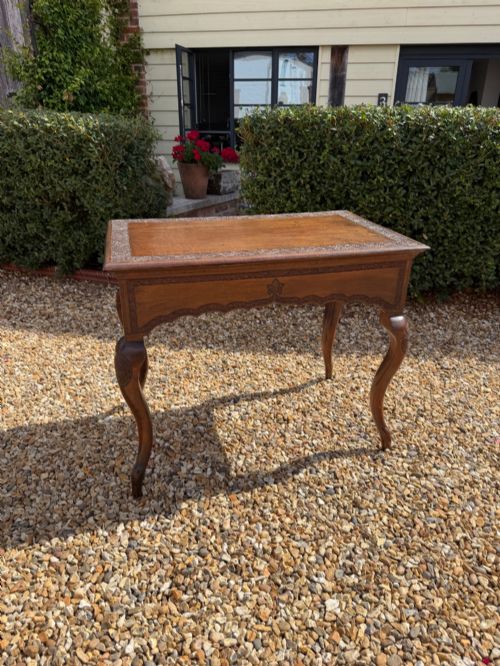
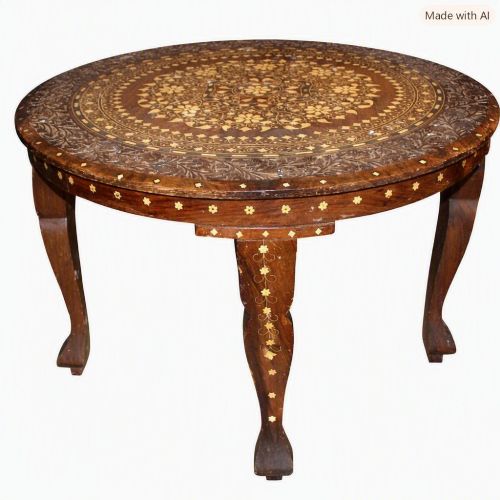
These vintage indian carved table examples combine intricate regional woodworking traditions with domestic utility, offering striking focal points for modern interiors.
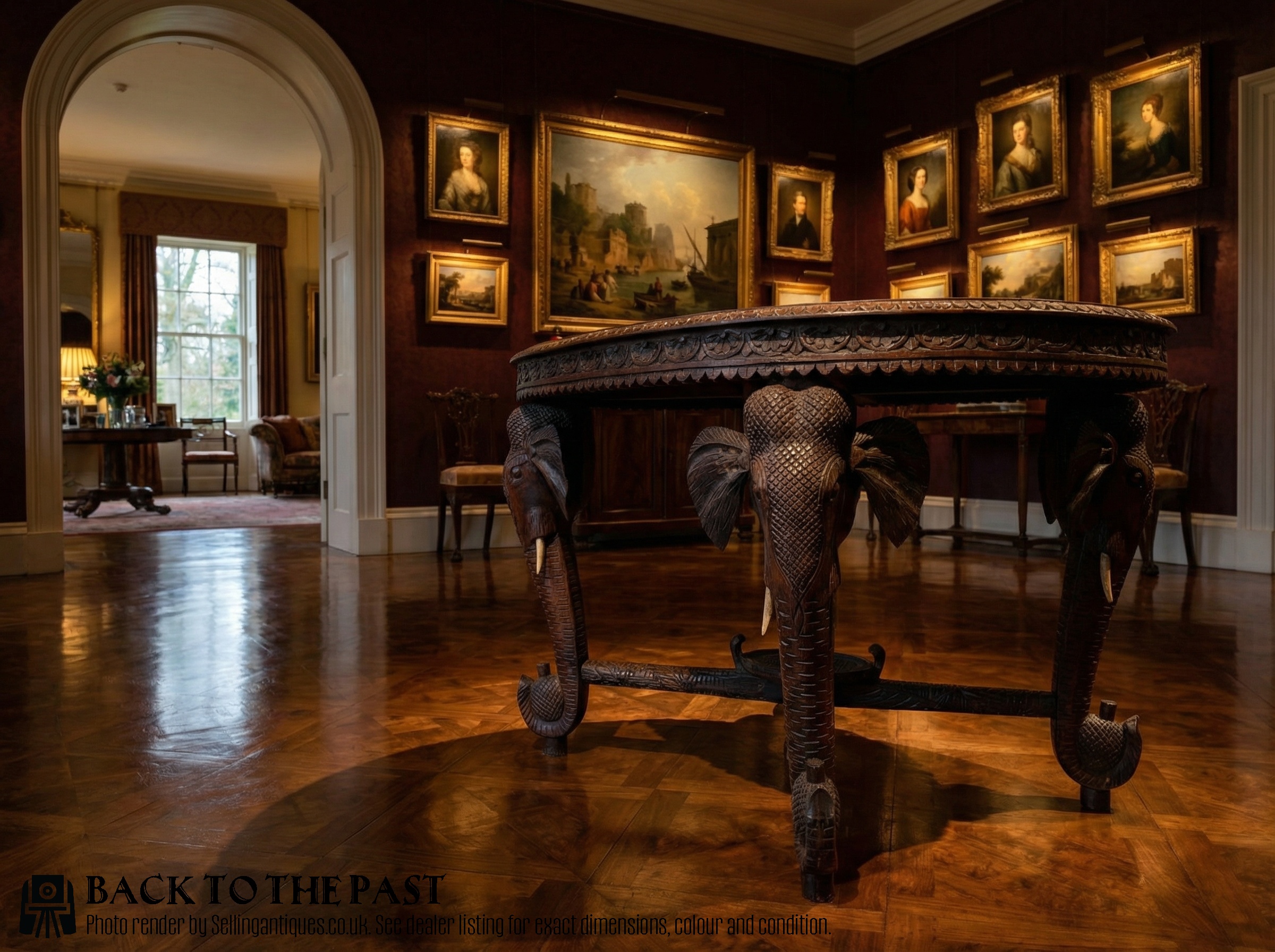
Vintage Indian Carved Table
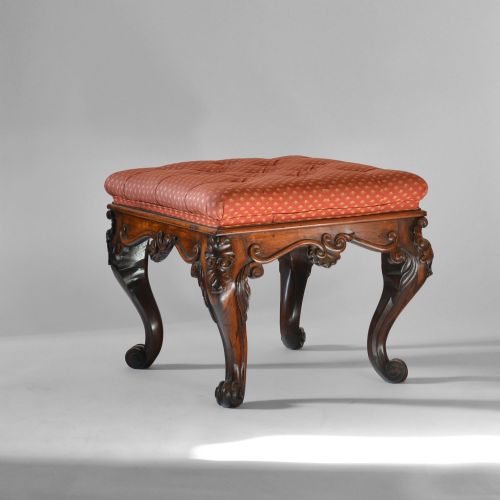
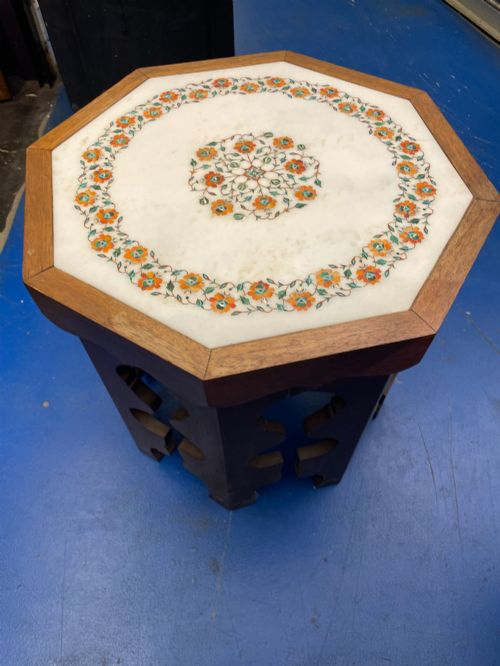
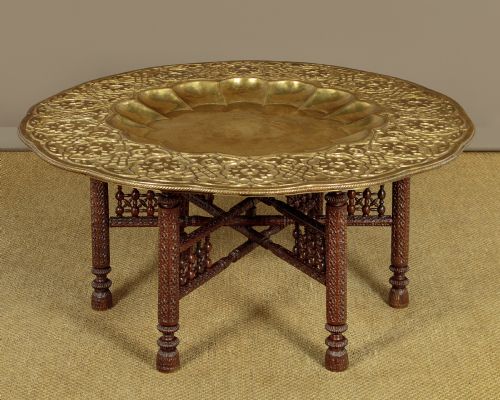
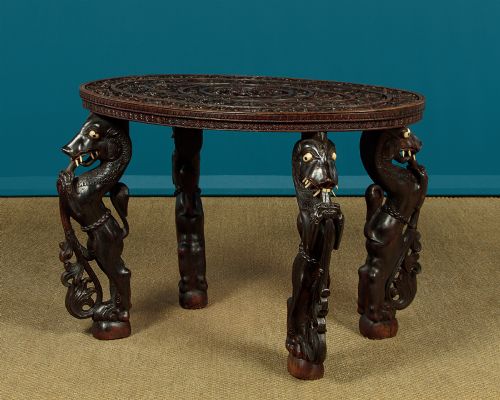
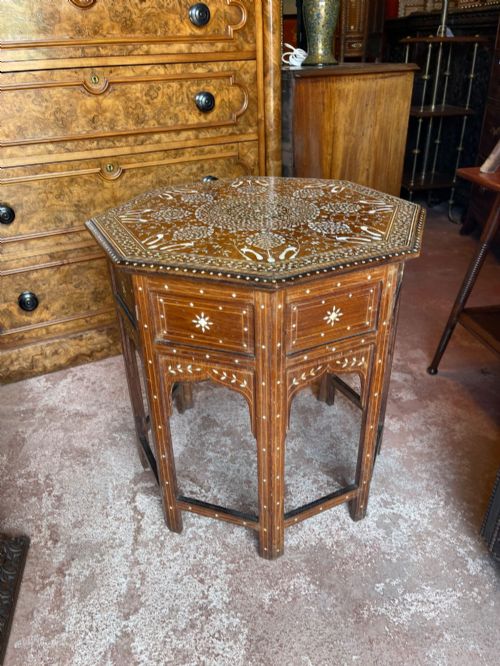
A vintage indian carved table encompasses a diverse group of occasional, coffee, and side tables produced across the nineteenth and early twentieth centuries. These pieces reflect specific regional workshops and colonial influences, ranging from folding Damascus designs to elaborate Hoshiarpur octagonal surfaces.
What varies in quality
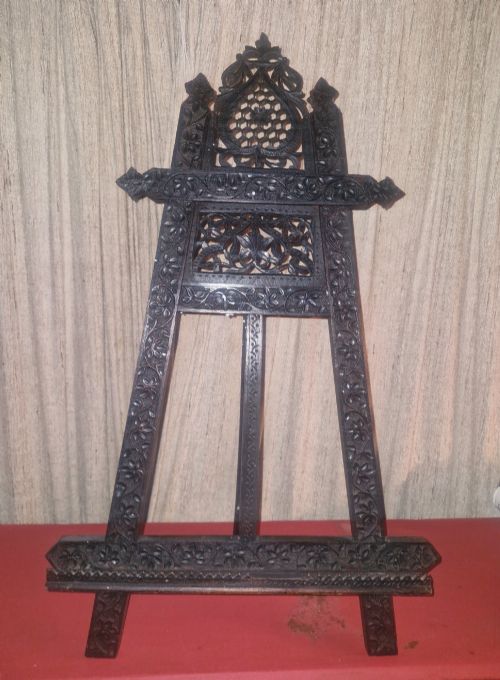
The depth and crispness of the chisel work dictate the initial tier of distinction among these items. Superior examples display sharp, undercut botanical or figural motifs with minimal rounding, whereas lesser pieces show shallower, softer incisions.
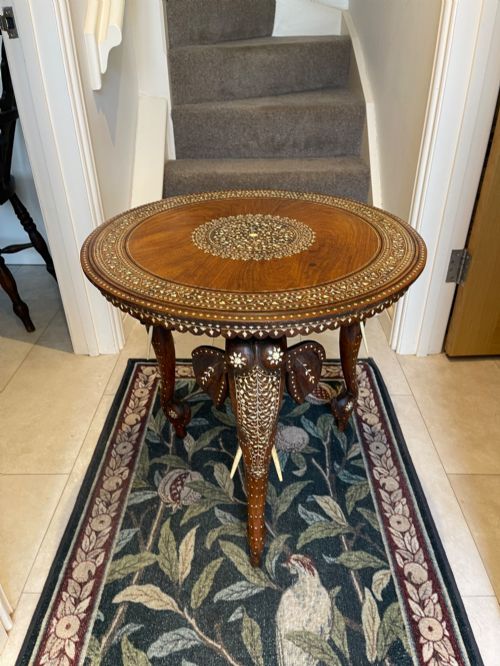
The integrity of the material and the complexity of the assembly also separate standard items from finer works. Complete inlay patterns without missing bone or mother of pearl segments, alongside robust joinery in folding or pedestal structures, determine the upper range.
Listings feature items spanning the nineteenth century through the nineteen-thirties, incorporating teak, rosewood, brass, and bone inlay.
Liberty and Co
The Vintage Indian Carved Table Glossary
- Anglo-Indian
- A style describing furniture made in India by local craftsmen for British colonial residents, combining traditional Indian motifs with European furniture forms. These pieces often merge indigenous carving techniques with familiar Victorian silhouettes.
- Hoshiarpur
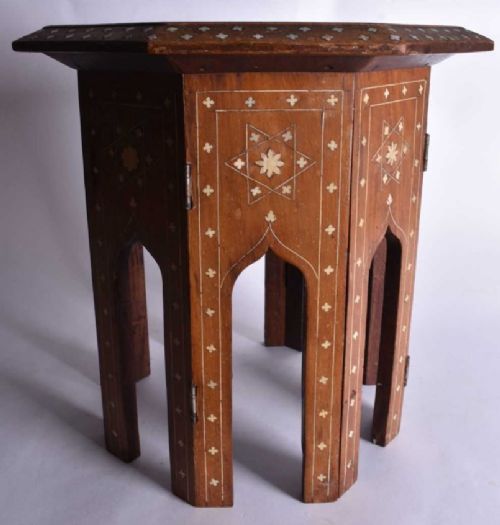
- A town in Punjab renowned for its intricate woodwork, specifically tables and screens featuring dense geometric bone or brass inlay on teak. The entire surface is typically covered in fine floral or vine patterns.
- Octagonal
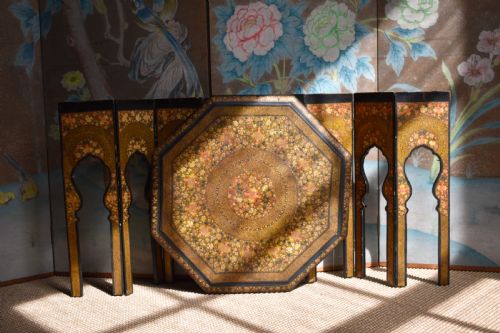
- A polygon shape with eight sides, commonly found in folding table tops from Damascus and Hoshiarpur. This geometry allows for symmetrical inlay patterns radiating from the centre.
- Padauk
- A heavy, durable tropical hardwood with a reddish hue used in nineteenth-century side tables and pedestals. Its natural density makes it ideal for crisp carving.
- Fretwork
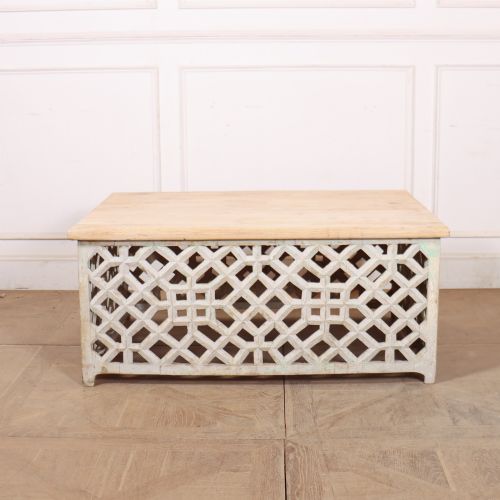
- Ornamental design created by cutting patterns through solid wood using a piercing technique. This method produces lace-like screens and folding bases.
Vintage Indian Carved Table: Frequently Asked Questions
What is a vintage indian carved table?
A vintage indian carved table is a decorative wooden furnishing originating from the nineteenth or early twentieth century, featuring elaborate chisel work and regional decorative techniques.
These surfaces often incorporate traditional motifs such as foliage, geometric patterns, and animal forms, reflecting specific craft centres across the Indian subcontinent.
How do I style a carved table?
Placing one of these tables as a standalone centrepiece in a neutral room allows the intricate woodwork and inlay to draw the eye. They function effectively as coffee tables, lamp tables, or bedside surfaces.
Pairing the piece with minimal modern furnishings balances the dense ornamentation and highlights the timber grain and inlaid materials.
How do I identify Hoshiarpur work?
Hoshiarpur tables are characterised by dense, all-over surface decoration featuring intricate bone or brass inlay set into teak wood. The geometric and floral patterns cover virtually every visible part of the timber.
Many of these examples feature clever folding octagonal tops that collapse flat for transport or storage, a hallmark of the region's nineteenth-century production.
How should I care for carved wood?
Maintenance involves dusting the carved recesses regularly with a soft brush and applying a modest amount of beeswax to nourish the hardwood. Avoiding direct sunlight and sudden temperature changes protects the inlay materials from loosening.
Moisture should be kept away from the surface, and coasters ought to be used to preserve the lacquer or polish on older tabletops.